


Beyond Particles Chemical, Microbial, and Hidden Contaminants in Cleanrooms
Time : January 29, 2026 View : 2189
People often focus on airborne particles when discussing cleanrooms. They emphasize ISO classes, particle counts, and airflow rates. These factors are important. However, they only reveal a portion of the full picture. In actual cleanroom projects, many failures in performance arise from contaminants that particle counters cannot detect.
Chemical emissions, microbial growth, and unseen material instability frequently begin within the building structure itself. Wall panels, ceiling systems, and surface coatings quietly affect ongoing cleanliness. For sectors such as biopharmaceuticals, semiconductors, laboratories, and food processing, managing these unseen dangers is equally vital as managing dust.
This shifts material selection from a mere construction choice to a deliberate contamination-control plan.
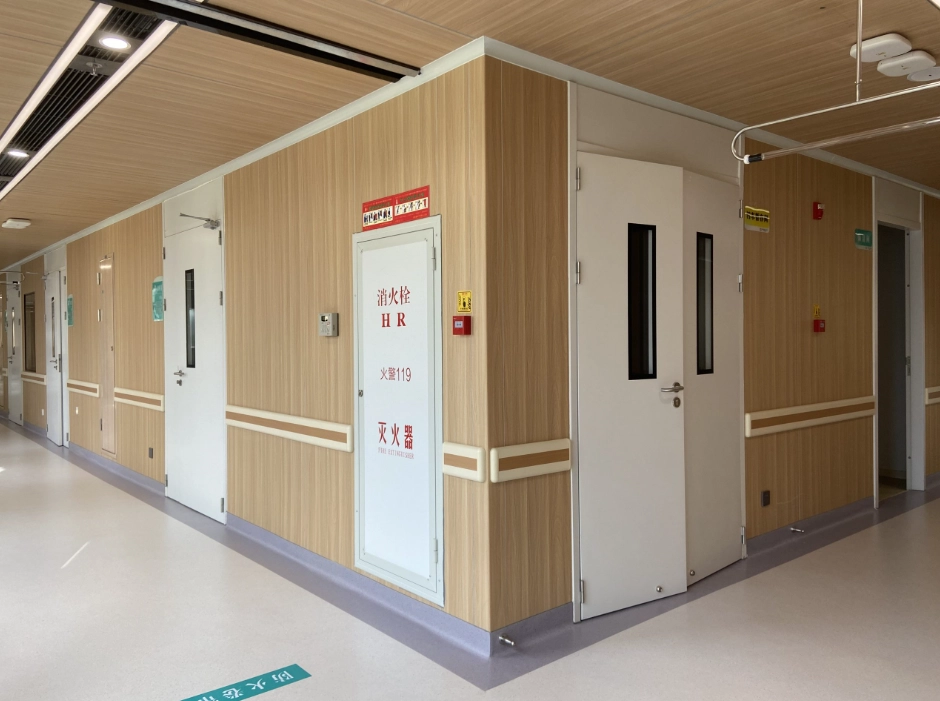
What Are The Non-Particle Contaminants That Threaten Cleanroom Integrity?
HEPA systems can filter out particles effectively. Yet non-particle contaminants act in different ways. They accumulate gradually, interact with processes, and typically appear only after production problems start.
Chemical Vapor Risks And Sources
Numerous cleanrooms face chemical contamination that originates straight from construction materials. Organic coatings, low-quality adhesives, and unstable core materials can emit VOCs gradually. These vapors might disrupt delicate manufacturing stages, damage equipment, or cause persistent odor problems that prove difficult to identify.
Such issues tend to intensify during temperature fluctuations or repeated cleaning routines. Panels that appear satisfactory initially may begin emitting minor chemicals after several months, particularly in demanding settings like semiconductor fabs or medical labs.
Microbial Contaminant Pathways
Microbial contamination seldom stems solely from the air. It flourishes on surfaces that retain moisture, dust, or residues from cleaning. Small crevices at panel joints, irregular coatings, or absorbent materials turn into subtle breeding spots.
After microbes establish themselves in wall systems or ceiling spaces, standard cleaning offers limited impact. Eventually, this concealed growth can influence product safety, compliance checks, and even the well-being of workers.
Hidden Contaminants In Construction Materials
Certain contaminants remain embedded within the materials. Unstable core compositions, reactive fillers, or chloride-based compounds might not cause instant problems. But they respond to humidity, pressure, or cleaning agents.
Deformation, tiny cracks, corrosion, and surface degradation all heighten contamination dangers. In cleanroom planning, internal panel dynamics hold as much importance as the visible outer layer.
How Do Cleanroom Wall Solutions Reduce Chemical And Microbial Contamination?
After grasping non-particle risks, the function of wall and ceiling systems gains clarity. Cleanroom panels serve more than as static elements. They directly impact air quality, surface sanitation, and enduring reliability.
Inorganic Coating Benefits For Surface Stability
Panels with inorganic coatings significantly cut down on chemical emissions. Unlike organic paints, these coatings remain steady under heat, dampness, and chemical contact. They avoid solvents that gradually vaporize into the cleanroom space.
LAIRUN’s Inorganic Painting Before Baba Taste Painting panel addresses this precise issue. Its compact, UV-cured inorganic layer prevents VOC emission, lowers odor hazards, and withstands regular wiping and disinfection. Moreover, the even finish provides fewer spots for microbes to adhere, which aids in maintaining low microbial counts in labs and medical areas.
Structural Integrity From Reinforced Cores
Control over chemicals and microbes ties closely to mechanical strength. Panels that flex, distort, or move over time form tiny openings where contaminants can linger.
The Aluminum Honeycomb Rabbet Laminboard delivers robust support while keeping weight low. Its aluminum honeycomb core endures deformation despite prolonged loads or environmental shifts. Additionally, the rabbet-edge setup enhances panel fitting, minimizing gaps and irregular joints that frequently serve as concealed contamination routes.
This design proves particularly valuable in expansive cleanroom areas, where maintaining wall evenness and extended spans is essential without compromising sanitation.
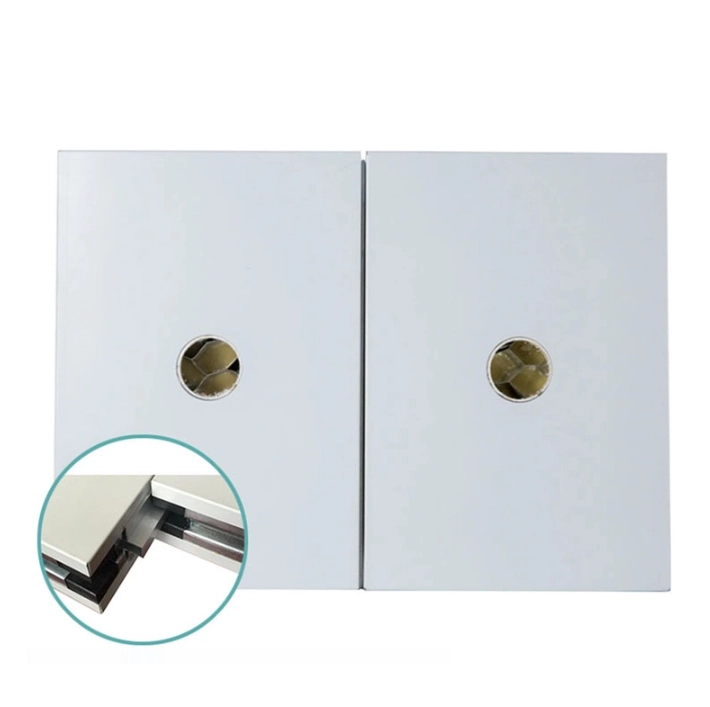
Advanced Composite Panel Solutions
The chemical makeup of the panel core counts as much as surface layers. Conventional magnesium chloride-based substances have long linked to water uptake and corrosion threats.
LAIRUN’s Magnesium Oxysulfide Sandwich Panel employs a steadier core blend crafted to sidestep these drawbacks. It provides solid fire protection, decent heat management, and minimal chemical response. Even more crucially, it preserves size stability over periods, particularly in humidity-regulated settings typical of cleanrooms.
In biopharmaceutical plants, laboratories, and food factories, this reliability leads to reduced upkeep needs and decreased contamination exposure throughout the facility’s duration.
What Design Features Should You Prioritize To Minimize Hidden Contaminants?
Selecting the appropriate panel variety forms just one aspect of the answer. Cleanroom contamination management relies on various practical design elements that planners often ignore early on.
Surface Flatness And Cleanability
Even, unbroken surfaces simplify cleaning and resist microbial attachment. Panels featuring bumpy textures, visible fasteners, or coarse coatings are prone to holding residues as time passes.
Superior cleanroom panels feature smooth links at joints and edges. Thus, when cleaning teams can sweep surfaces swiftly without navigating barriers, sanitation remains steady, and effort in cleaning decreases.
Material Inertness And Outgassing Control
Non-reactive materials lessen the chance of chemical reactions with cleaners, sanitizers, and process gases. Panels showing low outgassing help stabilize background contaminants, which proves essential for electronics, pharmaceutical lines, and testing labs.
Opting for inorganic layers and unreactive core substances cuts the likelihood of unexpected chemical events long after setup.
Joint And Seal Solutions For Containment
Even top-tier panel materials can underperform with flawed joint designs. Rabbet joints, tongue-and-groove setups, and matching seal shapes foster secure links that block dust, dampness, and microbial entry.
Properly crafted joints also limit the use of extra sealants, which might introduce contamination if chosen incorrectly.
How Do LAIRUN’s Products Support Compliance With Cleanroom Standards?
Cleanroom standards stress quantifiable results. But sustained adherence hinges on how materials perform across time. LAIRUN’s method aligns with this truth.
Conformance To Cleanroom Chemical Thresholds
Panels featuring steady coatings and low-release materials assist facilities in meeting chemical boundaries. They do so without needing ongoing air purging or remedial cleaning. In fields where minor chemicals impact output or purity, this steadiness ensures more reliable adherence.
Microbial Control Through Design
Impermeable surfaces, precise panel fits, and opposition to water accumulation combine to lower microbial threats. LAIRUN panels integrate with common cleanroom sanitizers without losing surface quality, thereby backing regular hygiene routines.
Long-Term Performance And Lifecycle Value
Strength often escapes notice in contamination talks. Panels that retain form, surface condition, and chemical steadiness shorten repair intervals and surprise halts. Consequently, this reliability cuts daily risks and overall costs of possession.
Why Choose LAIRUN Panels Over Conventional Cleanroom Walls?
Cleanroom panels vary in their intended uses. Many satisfy fundamental fire or insulation requirements. Yet they lag in contamination management during actual operations.
Superior Contaminant Resistance
Through emphasis on inorganic coatings, reliable core blends, and exact fabrication, LAIRUN panels tackle chemical, microbial, and concealed contamination dangers comprehensively. This unified strategy outperforms setups that merely address particle filtration.
Enhanced Operational Cleanliness
Sites constructed with premium panel setups are simpler to upkeep. Cleaning proceeds quicker, checks become straightforward, and contamination threats easier to handle routinely.
Value-Driven Investment For Cleanroom Facilities
In cleanrooms aiding valuable output, dependability outweighs brief economies. Panels enduring years of service safeguard processes, gear, and regulatory standing.
Drawing on more than 25 years in cleanroom panel production and worldwide project execution, LAIRUN aids sectors unable to tolerate unseen contamination challenges.
FAQ
Q1: Are inorganic-coated panels really better for cleanrooms than organic coatings?
A: Inorganic coatings tend to offer greater stability. They emit fewer VOCs, endure chemical cleaners more effectively, and preserve surface quality over longer periods. As a result, they suit high-standard cleanroom settings well.
Q2: Why does core material matter if the panel surface is sealed?
A: Core materials influence structural firmness. Should the core take in moisture or engage in chemical reactions, it might lead to distortion or small fissures that undermine surface sanitation and joint seals.
Q3: Which LAIRUN panel is best for biopharmaceutical cleanrooms?
A: Magnesium oxysulfide sandwich panels frequently stand out due to their firmness, fire protection, and reduced reactivity. This holds true especially in humidity-controlled areas typical of biopharma sites.
