



Clean Room Static Control Guide for Electronics and Semiconductor Facilities
Time : February 06, 2026 View : 2233
In electronics and semiconductor production, static electricity stands as one of those issues that seldom appears outright, yet when it strikes, the harm has already occurred. A lone electrostatic discharge (ESD) might silently wreck microchips, drop production yields, or spark ongoing dependability troubles that only show up once items exit the plant. For this reason, static control now forms a key element of clean room setup, rather than a mere extra.
For today’s semiconductor plants, chip packing sites, and electronic build areas, static control links tightly to the cleanroom build itself. Ceiling setups, wall sheets, and seam planning all influence how charges gather, shift, and safely fade away. This overview examines static dangers from a build angle and covers how cleanroom supplies, particularly those from LAIRUN, aid steady, enduring static handling.

Why Is Static Electricity a Hidden Risk in Electronics and Semiconductor Clean Rooms?
Static troubles in cleanrooms rarely stem from a single clear cause, but instead they accumulate via routine tasks, air currents, surface rubbing, and worker actions. As time passes, these minor problems pile up gradually.
Prior to picking any tech fix, it pays to grasp how static leads to actual setbacks in the work area.
Electrostatic Discharge Damage to Sensitive Components
Semiconductor parts grow tinier, slimmer, and more delicate these days. Plenty of current chips can suffer from voltage spikes well under what humans sense. An unseen spark from a face, ceiling bar, or sheet edge could suffice to impair inner wiring.
Such harm doesn’t always halt a part from functioning at once. Certain pieces clear tests, get shipped, and break down afterward. Consequently, this brings warranty headaches, brand damage, and dissatisfied buyers, issues that cost way more than swapping supplies.
Particle Attraction and Yield Loss
Static buildup does far more than hurt electronics; it also draws floating bits to loaded faces. In a cleanroom, this poses a big problem. Grit pulled to walls, ceilings, or tool frames might slip back into air streams and land on wafers or circuits.
Even if air purity hits targets, weak static handling can steadily cut output rates. In the long run, this leads to extra fixes, more waste, and drawn-out build phases.
Safety and Compliance Challenges in High-Tech Manufacturing
In packed electronics sites, static sparks also stir safety and rule worries. Abrupt releases near cleaners, fumes, or fine tools heighten work dangers. Numerous global cleanroom and ESD rules now demand static handling as part of site planning, beyond just bands and ground mats.
How Can Clean Room Structural Materials Help Control Static Electricity?
Folks often talk static control regarding gear, floors, and tie-downs, but the cleanroom shell, namely the walls and ceilings enclosing the work, holds equal weight.
These supply traits shape how static acts in a cleanroom setting directly.
Surface Conductivity and Anti-Static Coatings
Wall and ceiling sheets with apt face layers aid in stopping charge pile-up. Even, tight faces lessen rubbing with air flow, whereas managed flow lets charges head to ground routes instead of lingering stuck.
Supplies that insulate too much can cling to charge for ages. On the flip side, smartly planned metal or layered sheets back reliable charge drain without sparking hot spots.
Stable Ceiling and Wall Systems for Charge Balance
Static woes frequently begin at edges and lines. Badly fitted sheets, rough spaces, or bendy frames permit tiny shifts that spark rubbing and load. With time, this turns ceilings and walls into charge hubs.
Firm sheet setups with exact rabbet lines cut shakes, boost seals, and aid power flow over faces.
Material Integrity Under Long-Term Cleanroom Operation
Cleanrooms hum nonstop under steady air push, heat checks, and wipe schedules. Supplies that twist, split, or take in damp alter their static ways as years go by.
In electronics and semiconductor spots, lasting steadiness outweighs quick gains. Build supplies need to remain level, closed, and foreseeable after lengthy runs.
What Makes Ceiling Systems Critical for Static Control in Clean Rooms?
Ceilings get skipped in static chats often, though they hold a big hand. Air streams, lights, FFU parts, and wire setups all meet up top.
Airflow Stability and Charge Dissipation
Quick air rushing over ceilings can build static, mainly near bumpy rims or bare frames. A level, unbroken ceiling face aids air in flowing even and trims rub-born charge stacks.
Thus, when ceilings back guided air patterns, static loads stay less apt to bunch in spots.
Integrated FFU and Ceiling Design
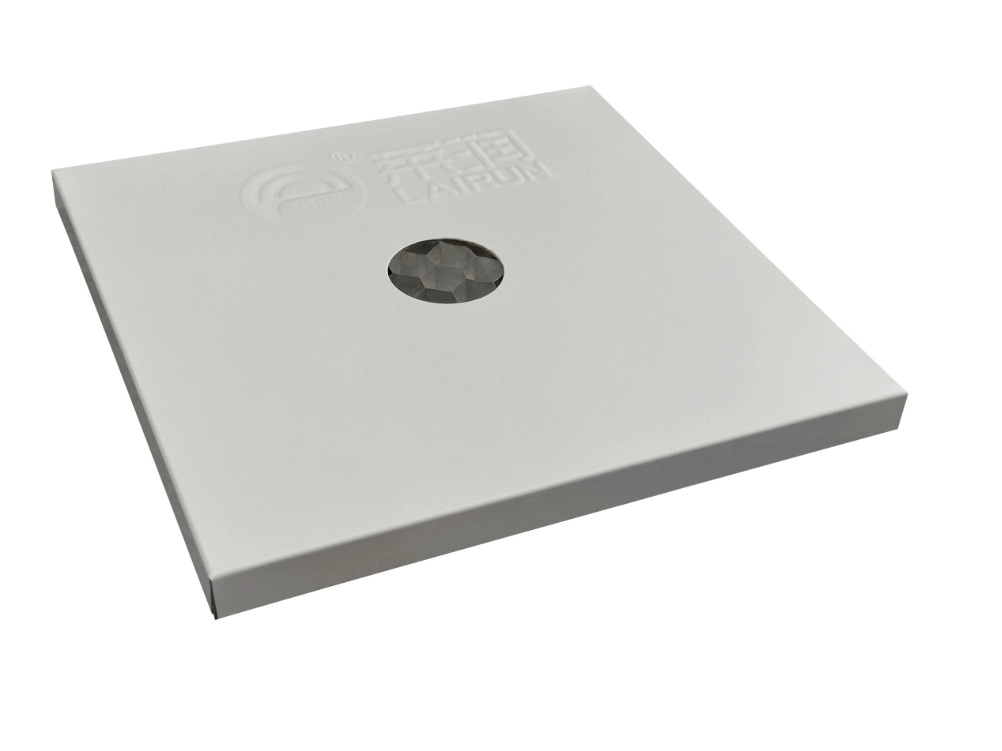
In semiconductor cleanrooms, FFUs rank essential; they drive air rule. Slim metal ceiling clapboards made for FFU ties permit closer fits, firmer closes, and surer ground lines.
Merging FFU hold and ceiling frame into one unit cuts static ties to slack parts or off-kilter sets.
Metal-Based Structures for Electrical Grounding
Metal ceiling setups offer built-in routes for grounding if linked right. Versus light or non-flow supplies, metal clapboards aid in spreading and fading charge over the top net.
Hence, this fosters a steadier static scene, above all in vast cleanrooms with several FFU units.
Which Wall Panel Materials Support Long-Term Static Control Performance?
Walls face ongoing brush with air flows, clean gear, carts, and staff steps. The proper wall sheet pick shapes static action enduringly.
Inorganic Pre-Painted Rabbet Laminboard for Clean Surfaces
Inorganic pre-painted rabbet laminboards gain wide use in electronics and semiconductor cleanrooms due to their packed form and sleek coat. These sheets fend off damp, cope with regular wipes, and keep face evenness.
Their rabbet line plan boosts closing and trims grit hides, while the inorganic core skips twists that might upset static rule.
Aluminum Honeycomb Rabbet Laminboard for Structural Stability
Aluminum honeycomb rabbet laminboards mix light build with firm power. This suits them for zones with wide reaches, tool touches, or bigger weight calls.
The inner aluminum frame backs steady ground acts and lessens odds of sheet shifts that could spark static later.
Joint Precision and Reduced Leakage Paths
Static slips through cracks often. Weak lines let air slip, bit shifts, and uneven load spread. Sharp rabbet lines lift both purity and power links.
Across years of work, this line firmness turns a subtle edge, particularly in round-the-clock sites.
How Do LAIRUN Cleanroom Solutions Fit Electronics and Semiconductor Facilities?
Holding over two decades in cleanroom sheet making, LAIRUN Group eyes build supplies crafted for tough fields. Its lineup matches the static rule wants of electronics and semiconductor plants closely.
FFU Ultra-Thin Metal Ceiling Clapboard for Controlled Air and Static Balance
LAIRUN’s FFU ultra-thin metal ceiling clapboard suits cleanroom tops where air sharpness and static evenness key. The slim shape backs thick FFU rows while holding power and levelness.
Metal make aids ground needs, and plant-set sizes lift set accuracy, two bits that softly trim static chance.
Inorganic Pre-Paint Rabbet Laminboard for Anti-Static Wall Systems
The inorganic pre-paint rabbet laminboard gives a neat, firm wall face fit for top cleanrooms. Its damp fight and packed coat aid in keeping steady static ways over long work turns.
This renders it a usual pick for semiconductor plants, electronics build paths, and aid clean zones.
Aluminum Honeycomb Rabbet Laminboard for High-Load, Low-Interference Areas
For spots with steeper build calls, aluminum honeycomb rabbet laminboards bring power sans extra heft. Their inner frame holds steadiness while keeping cleanroom work.
In electronics sites where shake rule, weight fight, and static even all weigh, this sheet kind slots nicely.
How Should Electronics and Semiconductor Plants Choose the Right Static Control Panels?
No lone sheet suits every cleanroom. Picks ought to mirror work fineness, layout, and lasting run aims.
Matching Materials to Process Sensitivity
Cutting-edge wafer works and thick pack lines call for tighter static rule than broad build zones. Sheet choice should echo that gap.
Installation Accuracy and Grounding Consistency
Top supplies flop if sets rush. True measures, snug lines, and sure ground ties count as much as sheet details.
Long-Term Maintenance and Cleanroom Stability
Sheets that hold level, shut, and simple to wipe cut later shocks. In time, firm supplies aid in upholding both neatness and static even sans steady tweaks.
FAQ
Q1: Is static control mainly about flooring and wrist straps?
A: No. Worker tie-downs and floor covers hold value, but walls and ceilings sway air flows, charge stacks, and bit shifts. Build supplies form a main bit of any solid static plan.
Q2: Are metal panels always better for static control?
A: Metal setups often ease ground more, yet face layers, line plans, and set caliber weigh equal to core supply.
Q3: How long do cleanroom panels typically last in semiconductor facilities?
A: With apt supply picks and sets, fine cleanroom sheets can work surely for years without dropping build or static rule work.
