



Cleanroom vs. Sterile Environment What’s the Real Difference for Your Facility
Time : February 19, 2026 View : 1980
Choosing between a cleanroom and a sterile environment isn’t just a technicality—it’s the difference between a passing audit and a $500,000 retrofitting disaster. While these terms are often used interchangeably, using a standard cleanroom panel in a bio-pharmaceutical sterile zone can lead to microbial growth that halts your entire production line.
For companies in drug making, electronic assembly, medical equipment production, food handling, and lab settings, grasping this distinction prevents excessive construction or inadequate safeguarding of vital areas. Even more crucial, it directs the choice of appropriate wall and ceiling setups, where cleanroom sandwich panels hold a key position.
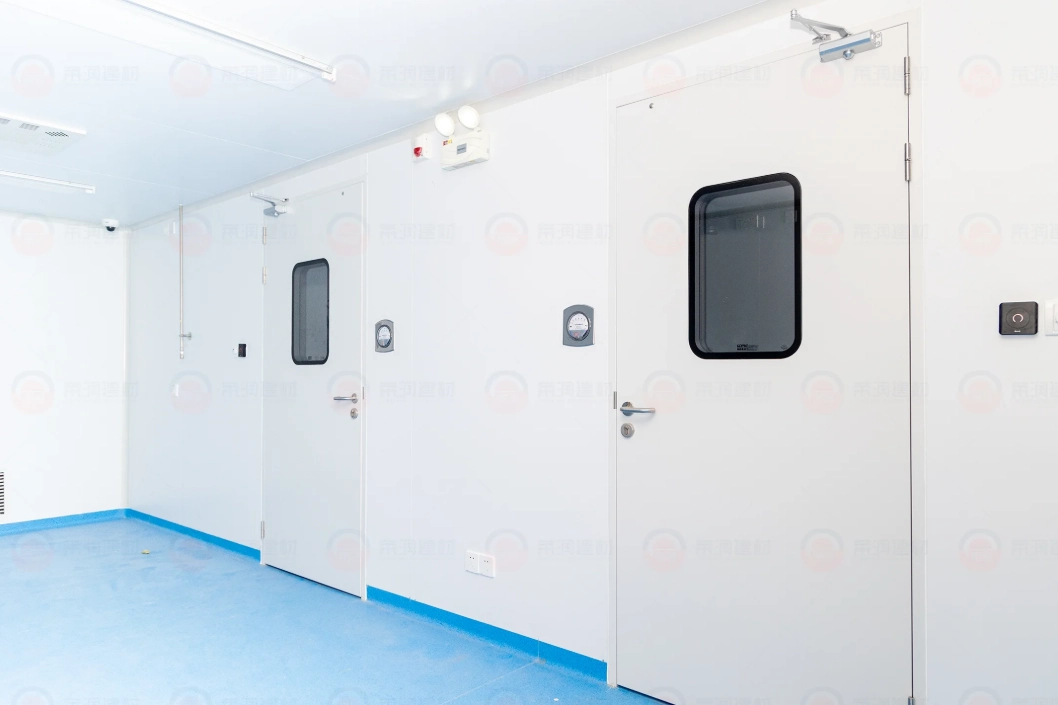
What Defines A Cleanroom?
A cleanroom is a managed area built to restrict airborne particles like dust, fibers, and aerosols. The goal here is not complete removal, but rather maintaining contamination at acceptable levels.
To get into the technical aspects, it is useful to note that cleanrooms rely on a careful equilibrium. So, airflow patterns, building materials, and routine activities all cooperate to manage particles effectively, without adding needless complications.
Controlled Contamination Environment
Cleanrooms handle particles by using filtered air circulation, pressure regulation, and airtight building methods. HEPA or ULPA filters capture airborne particles, and positive pressure keeps external air from infiltrating protected zones.
Wall and ceiling materials play a vital role in this setup. Smooth surfaces that do not shed particles help avoid buildup, and they simplify regular cleaning tasks. Moreover, panels featuring secure joints and reliable cores ensure pressure levels remain intact over extended periods.
LAIRUN’s Magnesium Oxysulfide Sandwich Panels find common use in cleanroom builds for these exact qualities. The core material is compact and steady, with zero powder shedding, and the outer layer remains level despite prolonged service. As a result, it fits well in electronics, semiconductor, and precision manufacturing cleanrooms, where controlling particles takes top priority.
Regulatory And Standard Requirements
Cleanrooms generally adhere to ISO 14644 guidelines, which categorize areas according to particle numbers per cubic meter. For instance, ISO Class 8 suits food and packaging operations, whereas ISO Class 5 or 6 applies to electronics and optical manufacturing.
These guidelines focus on consistent particle control rather than total sterility. In our experience working with ISO Class 5 semiconductor facilities, we’ve observed that moisture-induced panel warping is the #1 cause of unexpected air leakage and pressure loss. Therefore, selecting materials that remain structurally inert under varying humidity levels is critical. Panels that bend or split over time don’t just look bad—they create micro-gaps that lead to catastrophic compliance failures during air quality audits.
Typical Applications And Industries
Cleanrooms see broad application in electronics, renewable energy, food processing, cosmetics manufacturing, and standard labs. Within these fields, the primary focus lies on product quality and process dependability, rather than wiping out microbes.
In such settings, lighter and budget-friendly panels like LAIRUN’s Thick Paper Honeycomb Sandwich Panels often serve in less vital sections or backup dividers. They deliver solid flatness and structural firmness, all while fitting within reasonable project costs.
How Is A Sterile Environment Different?
A sterile environment extends well past basic particle management. It seeks to eliminate or destroy microorganisms, such as bacteria, fungi, and spores. Consequently, these spaces impose much stricter demands on both planning and material selection.
In contrast to cleanrooms, sterile environments allow almost no flexibility. Every surface, connection point, and edge must facilitate ongoing disinfection and rigorous hygiene practices.
Sterility Assurance And Microbial Control
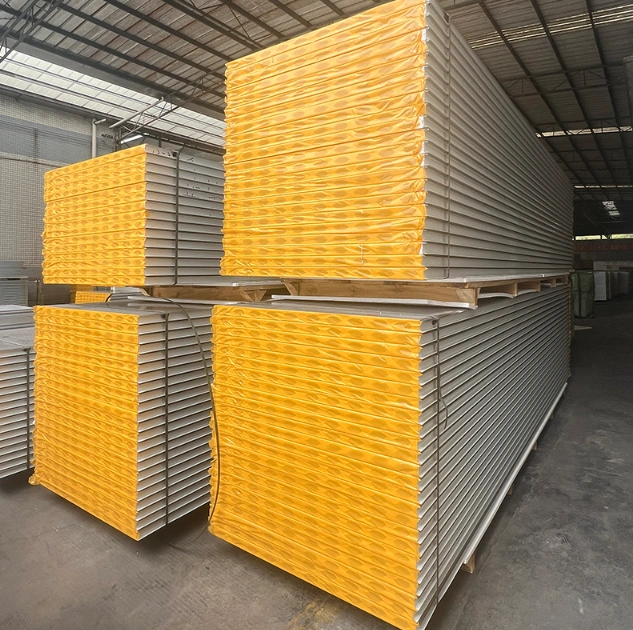
To maintain a sterile state, these environments rely on aggressive decontamination cycles. Surfaces must withstand high concentrations of VHP (Vaporized Hydrogen Peroxide) or 70% IPA (Isopropyl Alcohol) without degradation. Our Magnesium Oxysulfide panels are specifically tested against these corrosive agents to ensure zero surface pitting or oxidation, preventing the microscopic “hiding spots” where bacteria might otherwise survive a cleaning cycle.
Panels in these zones must feature non-porous designs, resist water absorption, and maintain chemical stability. Any substance that soaks up liquids or forms tiny cracks turns into a potential contamination hazard.
LAIRUN’s Magnesium Oxysulfide Sandwich Panels are frequently chosen for biopharmaceutical and medical setups because of these traits. The inorganic core avoids water uptake, and the outer surface handles multiple wipe-downs without expanding or getting damaged.
Higher Risk And Healthcare-Oriented Standards
Sterile environments usually fall under GMP, FDA, or EU drug regulations. These rules stress microbial dangers, cleaning verification, and sustained material reliability.
Fire protection gains extra importance, particularly in hospitals and drug plants. LAIRUN’s Silica Rock Sandwich Panels blend Class A fire resistance with robust structural qualities, so they work well in sterile hallways, production spaces, and clean surgical zones.
Application Scenarios Requiring Sterile Conditions
Sterile environments prove essential in areas like injectable drug production, operating theaters, implant fabrication, and high-risk medical labs. Here, cleanroom standards by themselves fall short.
Material choices impact audit outcomes, upkeep expenses, and facility durability directly. Panels that satisfy both hygiene and fire safety criteria ease long-term operational burdens.
Why Do Construction Materials Matter In Cleanrooms And Sterile Environments?
While air handling systems and protocols draw much focus, construction materials subtly decide if a facility remains compliant across the years.
Walls and ceilings cover the biggest surface areas in controlled spaces. Their qualities directly shape cleanliness levels, safety measures, and cleaning efforts.
Impact On Particle And Microbial Control
Materials prone to releasing particles, collecting dust, or drawing in moisture can rapidly weaken environmental safeguards. Even minor flaws at seams might serve as contamination entry points.
Sandwich panels with firm seals and solid cores aid in preserving clean air flows. LAIRUN’s production methods emphasize uniform density and accurate edge finishing, which promote superior sealing and enduring stability.
Durability, Cleanability, And Chemical Resistance
Regular cleaning forms a core part of daily life in both cleanrooms and sterile areas. Therefore, panels need to cope with constant wiping, disinfectants, and shifts in temperature, all without surface harm.
Silica rock and magnesium oxysulfide panels handle these demands effectively. They fend off corrosion, keep their shape, and avoid emitting dangerous substances, even through numerous cleaning sessions.
Long-Term Cost And Efficiency Considerations
Opting for low-cost materials might cut upfront spending, but fixes, swaps, and compliance threats frequently raise expenses later on. Reliable panels cut downtime, curb upkeep needs, and ease audit processes.
LAIRUN’s full-scale production setup enables stricter quality oversight from core ingredients to final panels, helping customers dodge concealed costs over the product life.
Which LAIRUN Panel Products Are Best Suited For Cleanrooms?
Cleanrooms differ greatly in required purity and function. Picking the proper panel hinges on air flow plans, fire needs, and everyday usage demands.
Magnesium Oxysulfide Sandwich Panel For High Strength And Cleanability
For cleanrooms needing firm structure, steady surfaces, and effective sealing, magnesium oxysulfide panels offer a sensible option. They provide strong compression resistance and avoid bending, even with extended use.
Such panels see widespread use in electronics, semiconductor, and lab cleanrooms, where evenness and toughness are essential.
Thick Paper Honeycomb Sandwich Panel For Stable Structural Support
In supporting zones or less demanding clean areas, thick paper honeycomb panels strike a good balance of function and expense. They weigh little, hold steady dimensions, and fit dividers where top-tier hygiene is not vital.
This selection aids in managing project funds without sacrificing fundamental cleanroom criteria.
Silica Rock Sandwich Panel For Fire Resistance And Hygiene
In cleanrooms facing stricter fire rules, silica rock panels deliver dependable safeguarding. They merge fire resistance with reliable hygiene traits, so they suit food processing and industrial clean areas well.
Which LAIRUN Panel Products Best Support Sterile Environments?
Sterile environments call for elevated material capabilities and precise quality checks.
Magnesium Oxysulfide Panels For Microbial Barrier Performance
These panels form a tight, dependable barrier that aids microbial management. Their inorganic core resists decay, expansion, or particle release, even during intense cleaning schedules.
Silica Rock Panels For Fire Safety And Hygiene Compliance
In medical and pharmaceutical sites, fire protection and hygiene must align closely. Silica rock panels fulfill both aspects, enabling secure exits while upholding clean, disinfectable surfaces.
Honeycomb Panels For Structural Efficiency With Hygienic Benefits
In transition zones or helper spaces near sterile rooms, honeycomb panels can apply to lighten loads and save money, provided they stay out of core sterile sections.
How To Choose Between Cleanroom And Sterile Environment Solutions?
The best decision stems from actual work requirements, not guesses.
Based On Required Cleanliness Level
When particle management is the key aim, a cleanroom approach usually suffices. However, if microbial threats arise, a sterile setup becomes essential.
Based On Regulatory And Industry Standards
Knowing relevant ISO, GMP, or healthcare guidelines prevents expensive reworks down the line.
Based On Material Performance And Lifecycle Costs
Select panels not just for current rule adherence, but for reliability through years of service. LAIRUN’s background in pharmaceuticals, electronics, and healthcare assists in matching material picks to practical situations.
FAQ
Q1: Is a sterile environment always better than a cleanroom?
A: No. Sterile environments involve greater complexity and higher costs. For numerous sectors, a cleanroom fulfills production and rule needs adequately.
Q2: Can the same sandwich panel be used for both environments?
A: Yes, certain panels like magnesium oxysulfide panels can serve in both, based on specific design and fitting details.
Q3: How early should panel selection be considered in a project?
A: Panel selection ought to occur during initial design phases, as it influences air flow, fire protection, and future upkeep.
