


How Ultra Clean Rooms Set the Benchmark for Precision in Pharma and Biotech
Time : February 26, 2026 View : 1806
In the field of drug production and biotech studies, there is scarcely any room for mistakes. For instance, when handling vital vaccines or delicate cell samples, a small particle of dirt or a minor change in dampness can spoil extended efforts. This is precisely why the room’s framework, including walls, overheads, and their connections, holds equal importance to the advanced machinery within. LAIRUN has dedicated more than 25 years to refining these spaces, advancing from basic building to offering what they describe as reliable safeguarding for global innovation.
Why is Precision Environment Control Crucial for Biotech?
Upholding a sterile area goes beyond mere neatness. Rather, it ensures the viability of developing items. Biopharma facilities essentially function as defenses against unseen threats such as microbes, fungi, and impurity spread.
Strict Contamination Prevention for Pharmaceutical Safety
Drug items require an atmosphere that remains utterly germ-free. Employing substances that inherently resist bacteria and fungi leaves no refuge for pathogens to thrive. Consequently, this safeguards the assembly process. Moreover, it guarantees that each tablet or container exiting the site meets its intended standards precisely.
Environmental Stability for Sensitive Biological Research
Work in biology proves highly sensitive. If the chamber’s heat or humidity levels fluctuate, it may alter experimental results. Contemporary cleanroom panels serve akin to an efficient insulator, maintaining the inner conditions steady. As a result, researchers concentrate on findings without concern over the space’s reliability.
Compliance with Global Biopharmaceutical Manufacturing Standards
Regulations for drug fabrication are rigorous, and rightly so. To compete internationally, sites must achieve defined sector benchmarks. Constructing with verified, superior materials transcends a mere preference. In fact, it forms the essential means to clear audits and sustain operations.
Shifting from the broad setting to construction details, the overhead often receives less attention in a cleanroom. Yet, it is the site for air purification.
How Does the FFU Ultra-thin Metal Ceiling Maximize Space?
During laboratory planning, each unit of height proves valuable. Space must accommodate conduits, cables, and ventilation systems without rendering the area confined.
Seamless Airflow Integration with FFU Blind Plates
FFU Utral-thin metal ceiling clapboards act as the breathing mechanism of the cleanroom. Blind plates are crafted to align flawlessly within the overhead lattice, preventing air escape from unintended spots. Furthermore, they direct purified air to required locations. This forms a secure barrier that blocks contaminants like particles from reentering the area.
High-Strength Lightweight Design for Specialized Ceilings
No one desires an burdensome overhead that complicates assembly or strains the structure’s support. Materials such as aluminum honeycomb or gypsum board maintain low weight while offering notable resilience. These elements resist sagging and support the load of servicing tools.
Superior Dust-Free Surface with Anti-static Coating
In electronic and certain pharmaceutical configurations, electrical charge poses a genuine issue. Premium overhead plates typically include an anti-static covering or PE layer. This not only averts discharges but also hinders particles from adhering to the face, simplifying the maintenance of cleanliness significantly.
What Makes Male-Female Jointing Panels the Best for Speed?
Building setbacks represent a major challenge, particularly with an impending new medication release. A wall arrangement that assembles quickly without sacrificing standards is essential.
Rapid Installation Reducing Labor Costs by Half
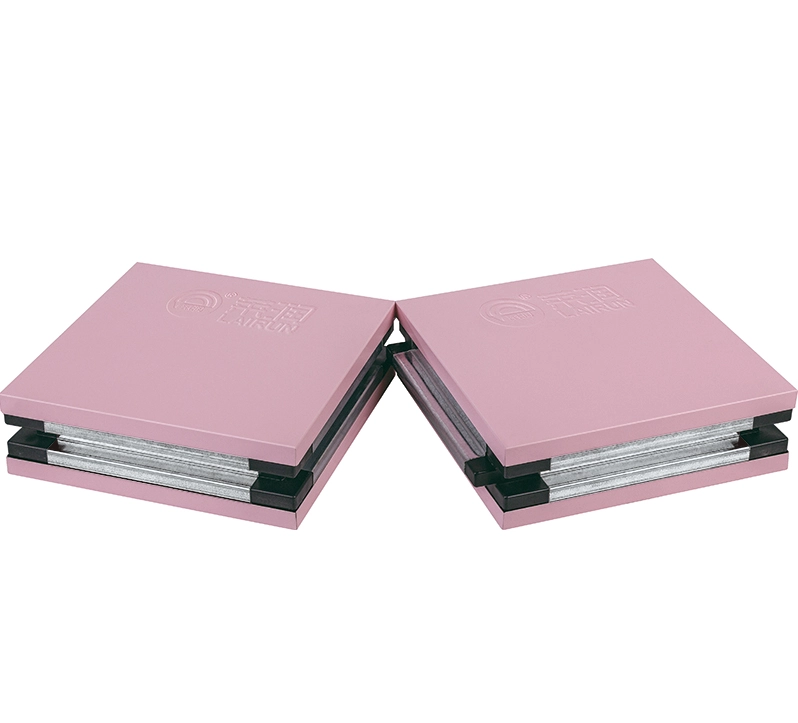
The tongue-and-groove (male-female) configuration revolutionizes assembly durations. Rather than dealing with intricate fasteners or substantial frames, these panels connect straightforwardly. This proves considerably quicker than established techniques. In some cases, projects complete twice as swiftly, thereby substantially lowering workforce expenses.
Flexible Disassembly for Modular Laboratory Layouts
Scientific demands evolve over time. For example, relocating a partition might become necessary to accommodate fresh apparatus. Since these panels avoid permanent adhesion that damages them upon detachment, they permit dismantling and repositioning. This resembles modular building blocks suited for critical research.
Tight Sealing to Prevent Bacteria and Dust Accumulation
Swift assembly holds little value if connections permit leakage. The male-female bond generates a firm, uninterrupted link. With secure seams, particles find no lodging spots, nor does dampness infiltrate. This aligns perfectly with the sanitation needs of a biotech laboratory.
Why Choose Zhong Shaped Aluminum Joints for Heavy-Duty Labs?
Certain chambers endure heavier usage. If featuring weighty devices or busy clinical zones, a robust connection is vital.
Enhanced Load-Bearing Capacity with Aluminum Keel Reinforcement
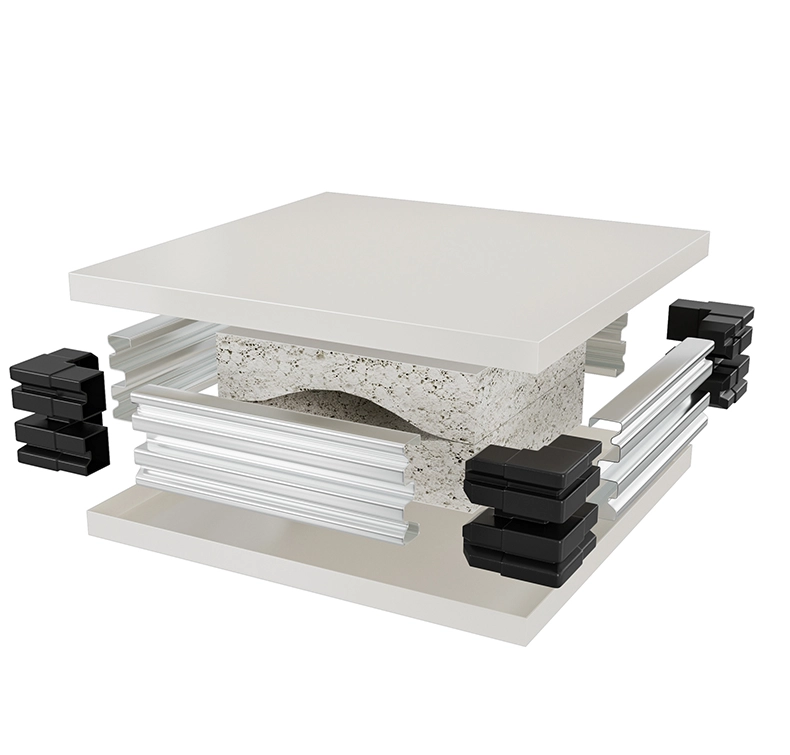
The Zhong aluminum joint incorporates a resilient aluminum border encasing the panel’s edge. This renders the entire partition far sturdier. It distinguishes between a mere standing wall and one that contributes to structural support.
Precision Engineering for High-Standard Medical Environments
In clinical settings and superior laboratories, surfaces must align smoothly. These aluminum bonds receive meticulous fabrication, ensuring panels join with a level face that cleans easily. Such exact alignment explains why specialists select this variant for clinical-grade aesthetic panels.
Durable Structural Stability for Multi-Industry Cleanrooms
Across sectors like electronics, food processing, or health care, these bonds serve as reliable components. They manage shakes and collisions more effectively than basic links, guaranteeing the cleanroom retains integrity beyond initial years.
How Does LAIRUN Ensure Material Integrity and Fire Safety?
Examining only the exterior of a panel falls short. The central filling is what preserves safety during adverse conditions.
Patented Magnesium Oxysulfide Core for Moisture Resistance
A frequent concern in this sector involves moisture uptake, leading to bending over periods. LAIRUN formulated a proprietary Magnesium Oxysulfide (MOS) blend that repels dampness. It remains arid, even, and firm, even in moist areas like processing plants.
Class A Fireproof Ratings for Maximum Facility Protection
Protection remains non-negotiable. Incorporating Class A flame-resistant substances such as rock wool or magnesium sulfate ensures barriers do not ignite. Should flames erupt, these panels aid in confinement, allowing evacuation time and shielding costly research tools from destruction.
Advanced Automated Production Ensuring Consistent Board Quality
Manual processes invite errors, whereas mechanized systems deliver uniformity. Operating eight automated production lines, each panel undergoes identical cutting and compression with precision. This uniformity eliminates variations between units, streamlining the overall construction considerably.
This technology impresses, yet it lacks significance without practical expertise to apply it effectively on location.
Why is LAIRUN the Trusted Partner for Global Pharma Projects?
Selecting a provider involves more than cost. It concerns availability for technical inquiries at odd hours.
Proven Expertise with Over 25 Years of R&D Experience
LAIRUN’s staff possesses extensive involvement exceeding 25 years. They have observed sector shifts from simple composite panels to current advanced, protected materials. This background equips them to address issues proactively.
Customized Solutions Tailored to Specific Industry Needs
Each endeavor varies slightly. A chip facility in Dongguan demands distinct specifications from a European food site. LAIRUN focuses on adjusting dimensions, inner substances, and hues to precisely suit client requirements, instead of offering stock items.
Global Reach with Reliable Technical and After-Sales Support
Having supplied to more than 30 nations, they manage worldwide logistics and regional rules adeptly. Regardless of location in the US, Southeast Asia, or Africa, consistent post-sale assistance prevails. It extends beyond mere sales to ensuring project accomplishment.
FAQ
Q1: Which is better for a lab: Rock Wool or Magnesium Oxysulfide?
A: It depends on the application. Rock wool excels in noise reduction and elevated heat resistance. Nevertheless, laboratories frequently favor Magnesium Oxysulfide (MOS) for its exceptional strength, reduced mass, and resistance to distortion or dampness, which supports hygiene effectively.
Q2: Can these panels be used for both walls and ceilings?
A: Yes. Although dedicated blind plates typically serve overheads to pair with FFU arrangements, conventional crafted or fabricated sandwich panels commonly apply to both dividing walls and overhead frameworks in cleanrooms.
Q3: What does “handmade” mean compared to “machine-made”?
A: Machine-made panels arise from ongoing rolling processes, which are efficient and economical. Handmade panels employ a detailed method featuring galvanized keel borders on edges, rendering them notably robust and long-lasting. For superior sterile areas prioritizing excellence, handmade options generally prevail.
