



12 Key Steps for Efficient Pharma Cleanroom Design and Setup
Time : March 20, 2026 View : 2109
Planning a pharmaceutical cleanroom goes beyond erecting basic barriers and finishing quickly. It involves a careful process of aligning rigorous GMP guidelines, regional fire regulations, and the routine operations of personnel. Here, the knowledge from an established producer forms the core of the initiative. LAIRUN offers more than 25 years of dedicated research and development. Their large 38,000-square-meter site includes eight advanced automated lines, allowing production of 25,000 square meters of reliable panels each day to satisfy international needs. If the arrangement feels awkward or the components fail under repeated cleaning, risks of contamination arise that might halt operations. Therefore, establishing the configuration accurately from the beginning, with proven materials, proves essential for biopharma or medical sites.
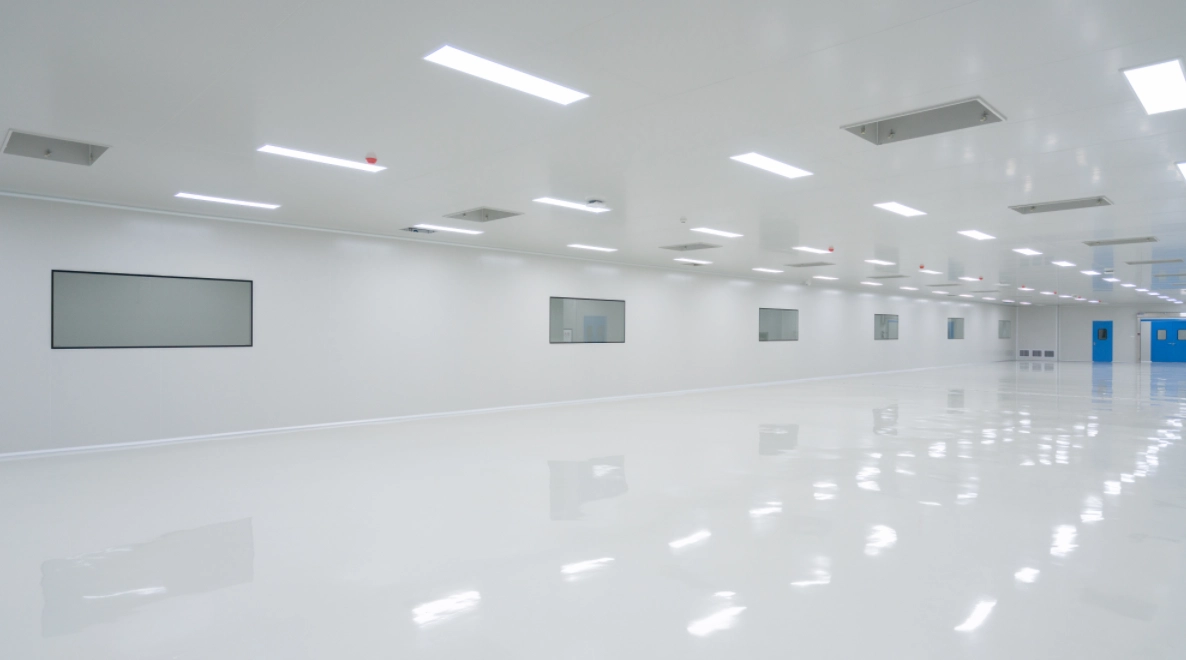
Define Environmental and Regulatory Requirements
Prior to examining any design sketch, determine the precise level of cleanliness required. Various phases of medication production, such as fill-finish or bulk chemical handling, require distinct ISO classifications. Outline the exact demands for flame resistance, air circulation patterns, and compatibility with disinfectants that might damage ordinary substances. This initial phase establishes the foundational criteria for all equipment selected subsequently.
With those guidelines fixed, attention turns to the fundamental structure of the space. Constructing an advanced laboratory demands suitable materials, so choosing appropriate panels follows as a primary task.
Select High-Performance Wall and Ceiling Materials
Walls serve as more than dividers; they act as the main defense against particles and microorganisms. Numerous specialists prefer the Hollow Core MGO Sandwich Panel since it balances durability with manageable weight. These units feature a dense internal layer that supports overhead burdens and withstands impacts from carts or storage units.
Possessing robust walls benefits the setup, yet in pharmaceutical contexts, durability must include non-flammability. This aspect highlights the importance of fire protection standards.
Ensure Strict Fire Safety Compliance
Flame protection in laboratories demands reliability, particularly amid chemicals and continuous equipment use. Facilities typically seek Class A non-combustible ratings to meet legal demands and safeguard assets. A common selection for this purpose is the Rock Wool Sandwich Panel, which incorporates basalt fibers that resist ignition effectively. Such a choice ensures that minor incidents do not escalate into major issues.
In addition to enduring flames, the framework requires sufficient rigidity to remain aligned over extended periods, which connects to aspects of load management.
Optimize Structural Strength and Load Bearing
Should the ceiling droop or walls deform slightly, seals intended to be airtight would fail, rendering the cleanroom ineffective. To maintain precise alignment, various initiatives employ the MGO Rock Wool Sandwich Panel. Encasing rock wool between magnesium glass layers creates a unit with exceptional firmness. This configuration allows personnel to access the ceiling for HVAC maintenance without structural compromise.
While the inner framework delivers stability, the external layer contacts the products directly, necessitating high sanitation levels.
Prioritize Antibacterial and Easy-to-Clean Surfaces
Within biopharma settings, surfaces must permit straightforward wiping to avoid buildup. Opt for even finishes without small depressions or marks where microbes could accumulate. Premium panels often utilize a 0.476 mm or greater thickness of coated steel, processed for antimicrobial and anti-mold properties. Consequently, routine disinfection proceeds more rapidly and achieves better results.
Securing suitable materials addresses one part of the challenge; the remaining effort involves assembling them cost-effectively without delaying schedules.
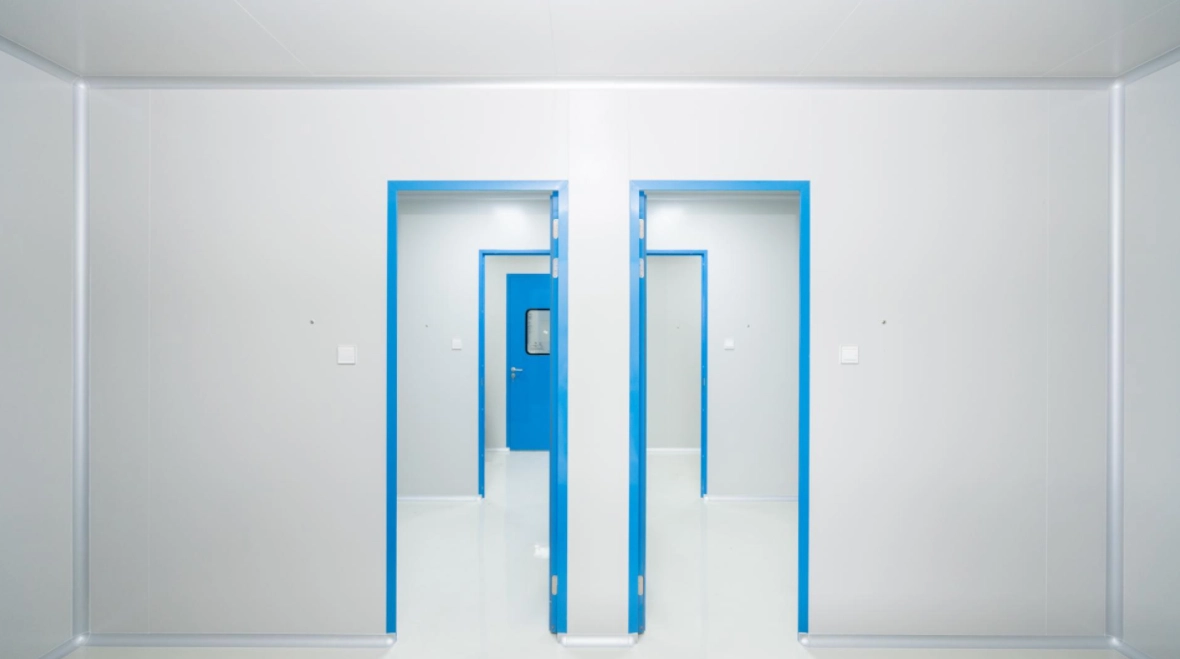
Implement Precision Modular Installation
Conventional building methods prove time-consuming and disorderly, undesirable for cleanroom endeavors. Units with interlocking tongue-and-groove or male-female connections transform the process significantly. Since they fit together securely, like precision components, assembly occurs approximately twice as swiftly. This approach reduces contractor expenses and minimizes on-site particles and waste during construction.
Efficiency matters greatly, but consideration for occupants remains crucial. An excessively noisy laboratory hinders productivity during long shifts.
Address Acoustic Insulation and Noise Control
Laboratories generate sounds from machines, including hums and impacts, which hard surfaces amplify and disrupt concentration. Here, Rock Wool Sandwich Panels perform effectively. The dense fiber arrangement absorbs audio waves rather than echoing them, thereby lowering noise to tolerable levels. This adjustment enhances worker attention and well-being substantially.
After resolving sound issues, planning for power and data lines becomes necessary to prevent maintenance difficulties.
Integrate Concealed Utility and Electrical Systems
Exposed cables or pipes on cleanroom walls increase dust collection areas, which undermines hygiene. A better strategy involves panels with integrated channels. Electrical lines can route through internal PVC or galvanized conduits within the rock wool core. This method preserves a neat appearance and simplifies sterility maintenance.
Concealed lines support cleanliness, yet managing humidity poses another concern.
Control Humidity and Prevent Moisture Absorption
Certain panels, such as traditional magnesium chloride types, tend to retain water during elevated humidity, leading to internal steel degradation. To counter this, LAIRUN employs a magnesium sulfate composition that resists moisture entirely. It maintains integrity in dry or humid conditions, ensuring prolonged reliability.
Regulating humidity forms part of a comprehensive system, including secure entry points like doors and windows.
Design Seamless Door and Window Systems
Each door opening risks pressure imbalance or contaminant entry. Doors require tight closures, and windows must align flush to eliminate dust traps. Advanced cleanroom doors feature bottom seals that close gaps completely. Double-layered tempered glass in windows provides safety and avoids condensation from temperature differences.
Perimeter elements like walls and doors protect boundaries, but ceilings handle critical air management, demanding dedicated solutions.
Utilize Specialized Ceiling Solutions for Airflow
Pharmaceutical ceilings typically consist of Fan Filter Units (FFUs) and lighting grids. In non-filter areas, blind plates seal the system. These must match wall durability and fire resistance. Combining MGO or aluminum honeycomb plates directs airflow precisely, preventing upper leaks.
Ultimately, the decisive factor concerns selecting a reliable collaborator rather than just components.
Partner with an Experienced Manufacturer
Selecting a collaborator with extensive background ensures success. LAIRUN Group has operated for over 25 years, utilizing eight automated lines to produce 25,000 square meters of panels daily. Their innovations and deliveries to 30 nations demonstrate capability in large-scale, exacting pharmaceutical tasks. Engaging such a partner provides integrated expertise embedded in the construction.
FAQ
Q1: What is the best core material for a fire-rated pharma cleanroom?
A: Rock Wool stands out as the preferred option due to its Class A non-combustible nature. For added rigidity, combining it with Glass Magnesium offers both protection and reinforcement.
Q2: How do I stop my cleanroom panels from corroding in humid conditions?
A: Avoid magnesium chloride boards, which absorb moisture readily. Choose LAIRUN’s Magnesium Sulfate variant, formulated to remain dry and intact in moist settings.
Q3: Can I run electrical wiring inside the cleanroom walls?
A: Yes, though avoid on-site modifications. Panels with built-in conduits, using PVC or galvanized pipes, conceal lines effectively, minimize setup dust, and maintain smooth surfaces for sanitation.
