

Will Your Cleanroom Survive the Next Audit Without These Five Sandwich Panel Upgrades?
Time : April 17, 2026 View : 1744
Review periods often create a particular level of pressure for site supervisors. You inspect the area thoroughly, examining each section, and hope that the evaluator overlooks a small fissure or minor surface wear that might halt operations. In delicate settings such as biotechnology or electronics, the risks increase significantly. This is where LAIRUN provides support. With more than 25 years of experience, the company stands out as a leading player in the field. It operates from a large 38,000-square-meter site equipped with eight automated production lines, generating 25,000 square meters of quality panels daily. From aiding earthquake recovery in 2008 to assisting top hospitals during the health crisis, its history remains reliable. Whether you require a custom solution for a fresh laboratory or wish to explore their product center for a simple improvement, they deliver the reliable shielding that worldwide research facilities need.
Why Is Your Current Wall System Risking an Audit Failure?
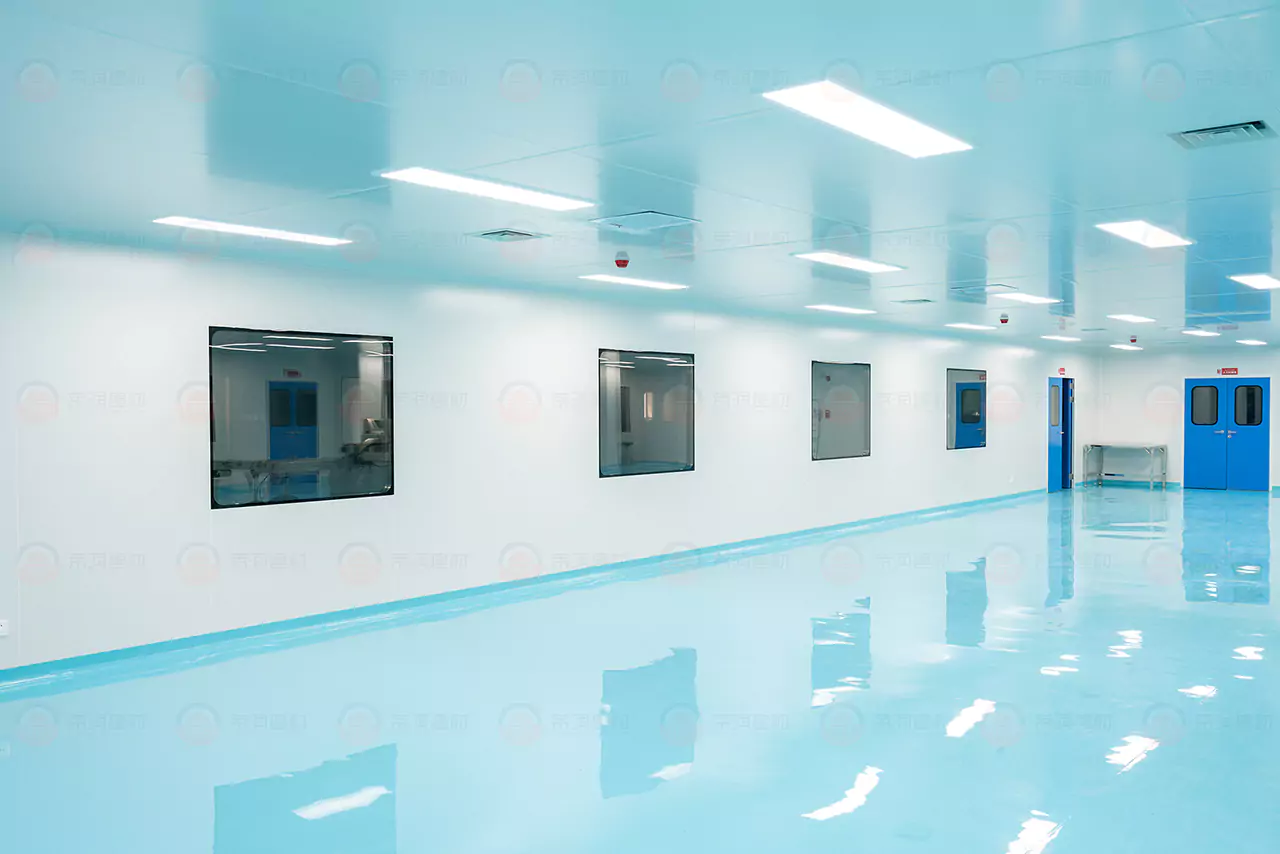
Many individuals believe that a wall appears clean, so it must be clean. Evaluators understand otherwise. They examine the underlying weaknesses that develop gradually, particularly in areas with elevated moisture or regular chemical washing. If your panels begin to curve or if the connections start to slacken, you essentially allow contaminants to settle in the spaces. This issue frequently arises in established buildings where the components were not designed for current, demanding requirements.
Invisible Structural Degradation
Aged panels commonly experience “halogen return” or water uptake, resulting in bending and inner corrosion. When the inner layer separates from the metal exterior, small voids form that become difficult to disinfect. Consequently, these hidden flaws can compromise the entire system’s integrity over time.
Hidden Microbial Growth Traps
Conventional connections tend to gather particles and residues after extended periods of operation. If a panel lacks perfect evenness or if the exterior shows fine abrasions from substandard finishes, organisms establish bases that routine cleaning fails to eliminate. As a result, such vulnerabilities pose ongoing risks to cleanliness standards.
Compliance Gaps in Fire Safety Standards
Regulations for fire protection evolve, and systems approved years earlier may no longer meet criteria. Employing panels without Class A fire resistance leads directly to a “non-compliant” notation in evaluations. Therefore, updating to suitable materials ensures adherence to updated safety protocols.
Can Hollow Core MGO Panels Solve Your Moisture Problems?
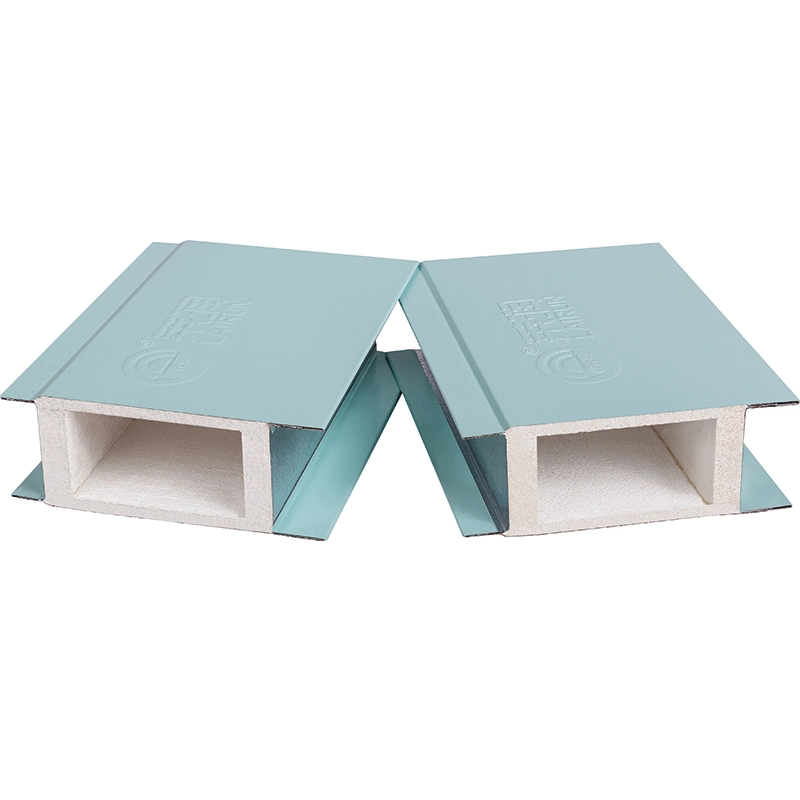
In settings that maintain less than complete dryness, water presents a major threat. Usual magnesium chloride panels frequently draw in ambient moisture, which gradually erodes the metal coating internally. Repairing such damage proves challenging and often results in failed inspections. Opting for a Hollow core MGO sandwich panel represents a wise choice since the updated sulfate compositions remove these “moisture absorption” and “shrinkage” issues completely.
Superior Moisture Resistance of LAIRUN Hollow MGO
The particular magnesium sulfate composition employed avoids chloride elements. Thus, walls avoid “sweating” or corroded metal edges, even in conditions ranging from 20% to 65% humidity. This stability supports consistent performance in variable environments.
Integrated Internal Airflow Channels
The open structure serves more than just lowering mass. It promotes steady material characteristics and enables incorporation of built-in pathways, resulting in a tidier overall arrangement. Moreover, this feature simplifies maintenance and upgrades within the system.
Structural Rigidity for Long-Term Flatness
These panels demonstrate strong durability and resistance to impacts. They remain level across seasons, eliminating concerns about uneven surfaces that frustrate assessors. In addition, their robustness contributes to prolonged service life without frequent adjustments.
Is Fire Resistance the Missing Piece of Your Safety Puzzle?
Protection against fire typically ranks as the initial focus for reviewers. They seek evidence of Class A classifications. A MGO rock wool sandwich panel serves as the preferred option for hazardous areas. It merges the firm quality of magnesium board with the fire-retardant properties of basalt rock wool strands. The material endures well, resists ignition, and additionally aids in noise reduction, which benefits active work areas.
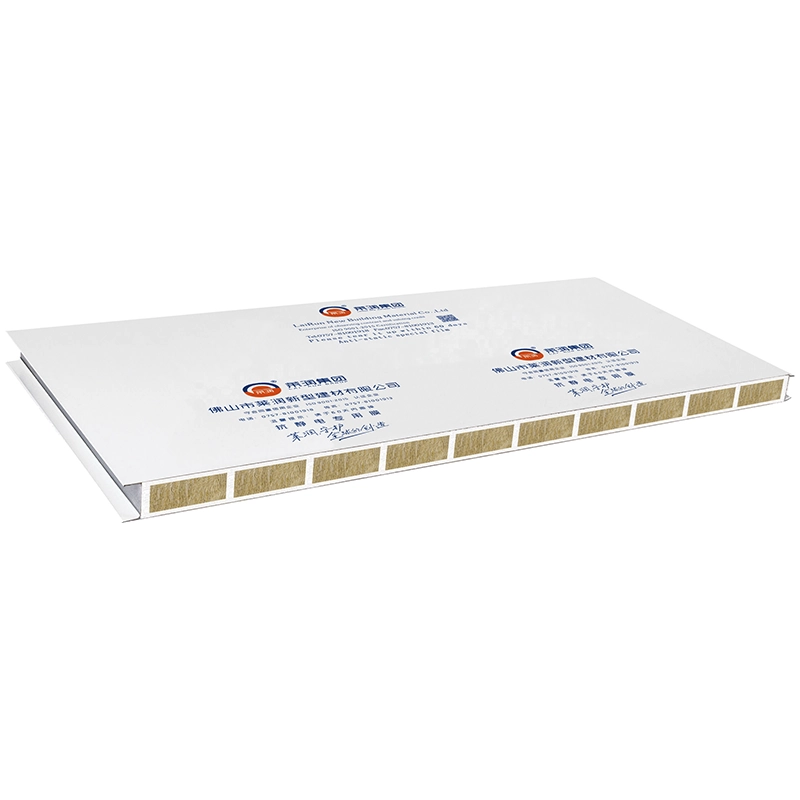
Fireproof Excellence of MGO Rock Wool Sandwich Panel
Integrating two non-organic substances allows these panels to attain advanced fire performance that satisfies rigorous local and global protection norms. This combination ensures reliable safeguarding in critical applications.
High-Density Core Stability Under Extreme Heat
The rock wool strands align at right angles to the metal layer, offering substantial support capacity and preventing failure or distortion during intense temperatures. Consequently, this design maintains structural wholeness when exposed to fire.
Non-Combustible Performance for Industrial Certification
Since the inner materials derive from naturally melted minerals at elevated heats, they inherently avoid fueling flames, thereby enhancing facility security in urgent situations. Such qualities align with essential certification needs for industrial setups.
How Does Magnesium Oxysulfide Enhance Chemical Resistance?
Within pharmaceutical or healthcare laboratories, walls face frequent applications of strong sanitizers. Certain panels endure these substances poorly; they begin to separate or lose vibrancy. A Magnesium oxysulfide sandwich panel offers superior performance. It employs a unique blend endorsed by construction groups for its environmental friendliness and reliability. Although light in weight, it withstands the routine demands of a controlled space effectively.
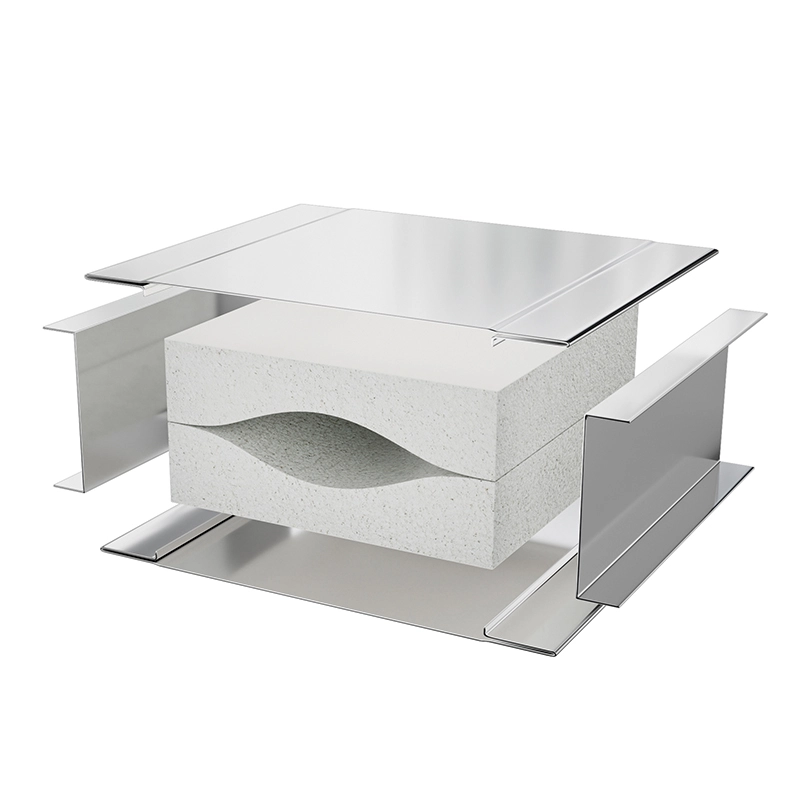
Enhanced Surface Resistance to Corrosive Disinfectants
The compact exterior of the MOS board resists bacteria and mold growth, facilitating straightforward cleaning without material harm. This property supports ongoing hygiene efforts in demanding settings.
Superior Adhesive Strength Preventing Delamination
Owing to sophisticated automated assembly processes, the connection between the core and the 0.476 mm steel sheets remains exceptionally secure, avoiding separation after several years of use. Thus, this durability preserves the panel’s appearance and function over time.
Long-Lasting Durability in Pharmaceutical Environments
These panels feature “three nos and four nos”—free from toxins, scents, and fractures—which precisely matches the needs for upholding elevated cleanliness levels. Their resilience ensures sustained effectiveness in specialized areas.
Are You Overlooking the Importance of Joint Integrity?
Even the finest panels lose effectiveness if connections prove weak, as the entire enclosure becomes vulnerable. Reviewers often test air pressure variations. Should the space fail to retain pressure, they scrutinize the edges. Implementing a tongue and groove mechanism provides essential benefits. Installation proceeds more quickly—approximately 50% faster—and forms a firmer barrier compared to conventional approaches.
Precision Tongue and Groove Interlocking Systems
The panels connect effortlessly by fitting together. This method minimizes the requirement for adjustments during setup, which limits dust generation and yields a more polished finish. As a result, the process enhances overall efficiency on site.
Seamless Surface Transitions for Easy Sterilization
Smooth connections eliminate spots for debris accumulation. During surface cleaning, materials pass over the seams without catching or depositing remnants. Therefore, maintenance becomes simpler and more thorough.
Air-Tight Seals to Prevent Pressure Loss
Regardless of whether employing a male-female or central-aluminum connection, the objective remains consistent: achieving a flawless barrier that upholds ISO requirements. This reliability supports the controlled conditions necessary for operations.
Why Should LAIRUN Be Your Trusted Partner for Cleanroom Solutions?
Ultimately, selecting a provider knowledgeable in the practical aspects of your initiative proves crucial. The company maintains dedicated testing areas for developing compositions and overseeing quality. Beyond mere distribution, it offers a complete service system encompassing initial assessment through post-delivery assistance. Having managed projects from electronics sites in Dongguan to prominent medical facilities, it likely addresses your particular concerns.
Global Project Success in Diverse Industries
Through shipments to more than 30 nations, including the United States and Australia, the firm comprehends the demands of worldwide norms in electronics, food processing, and medical care. This broad experience enables tailored adaptations for various sectors.
ISO Certified Manufacturing and Quality Control
Possessing approvals such as ISO9001 and ISO14001 demonstrates commitment; each panel receives detailed examination prior to dispatch from the plant. Such practices guarantee consistent excellence across productions.
Comprehensive Technical Support and Customization
Projects vary in specifics, so options for particular dimensions (50 mm, 75 mm, or 100 mm) or selected shades allow precise fitting to your site’s demands. This flexibility ensures optimal integration into existing structures.
FAQ
Q1: What is the main benefit of the tongue and groove connection?
A: It enables a smooth linkage that proceeds at double the speed of usual techniques, reducing labor expenses by roughly 50% while avoiding particle collection.
Q2: Can these panels be used in high-humidity environments?
A: Yes, in particular the magnesium sulfate MGO panels resist water uptake entirely, suiting areas where moisture levels fluctuate.
Q3: Are the panels fire-rated?
A: Cores including rock wool and MGO typically achieve Class A fire resistance, ensuring they do not ignite and deliver elevated protection for industrial spaces.
Q4: Do you offer custom sizes for specific projects?
A: Yes, dimensions for length and width adjust to your specifications, and incorporation of wiring channels maintains orderly installations.
Q5: What industries usually use these sandwich panels?
A: Applications span new energy, semiconductors, biopharmaceuticals, food production, and hospitals, owing to their clean and robust characteristics.
