


Do You Know the Critical Differences Between These Leading Cleanroom Panel Options?
Time : April 24, 2026 View : 1602
Picking suitable wall and ceiling substances ranks as the toughest task in building a regulated space. You often juggle fire rules, dampness amounts, and tight money limits simultaneously. For anyone seeking a steady ally in this field, LAIRUN emerges as a key player with more than 25 years of research and development skills. The company runs a large 38,000-square-meter plant in Foshan, producing 25,000 square meters of panels each day through eight automatic assembly lines. If you explore their Product Center for advanced electronics workshops or review their Solution Center for food-safe sites, a group of field experts makes sure each panel aligns with worldwide benchmarks. From initial needs review to skilled post-sale care, their Service rests on the idea of prioritizing client needs.
Why Does Material Selection Determine Your Cleanroom Success?
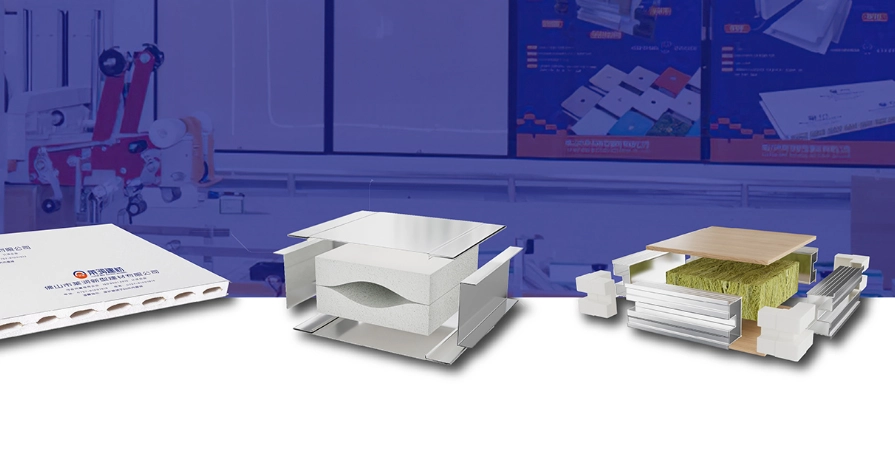
Deciding on a sandwich panel filling goes beyond a mere technical choice; rather, it forms the core of your whole setup. When the substance cannot manage area dampness or fire protection needs, the expense of swaps and stoppages can prove severe.
Foundational Role of Sandwich Panels
Sandwich panels serve as far more than basic dividers; instead, they function as strengthened layered setups meant to hold set air forces and purity standards. A quality panel needs to deliver a compact outer layer that fights bacteria, resists mold, and allows simple cleaning in standard upkeep. These features ensure reliable performance over time.
Impact on Long-Term Operational Costs
Opting for a budget, low-weight filling may cut costs now, but it commonly results in bending or “halogen return” troubles down the line. Selecting lasting choices like Hollow core MGO sandwich panels aids in dodging the dampness uptake and shrinking issues that affect weaker market goods. This approach supports steady expenses.
Balance Between Fire Safety and Weight
Materials must achieve Class A fireproof levels without adding so much load to the roof that it poses a risk. Current design methods enable light firmness, so the panels prove simple to move in fitting while remaining fully non-burning. Such balance enhances overall safety.
What Makes Hollow Core MGO Panels the Top Choice for Strength?
If your task calls for a premium fire-safe wall covering, hollow magnesium types often rank first in suggestions. These panels address the usual issue of metal sheet rust stemming from outdated “magnesium chloride” mixes.
Hollow Magnesium Structure for Lightweight Rigidity
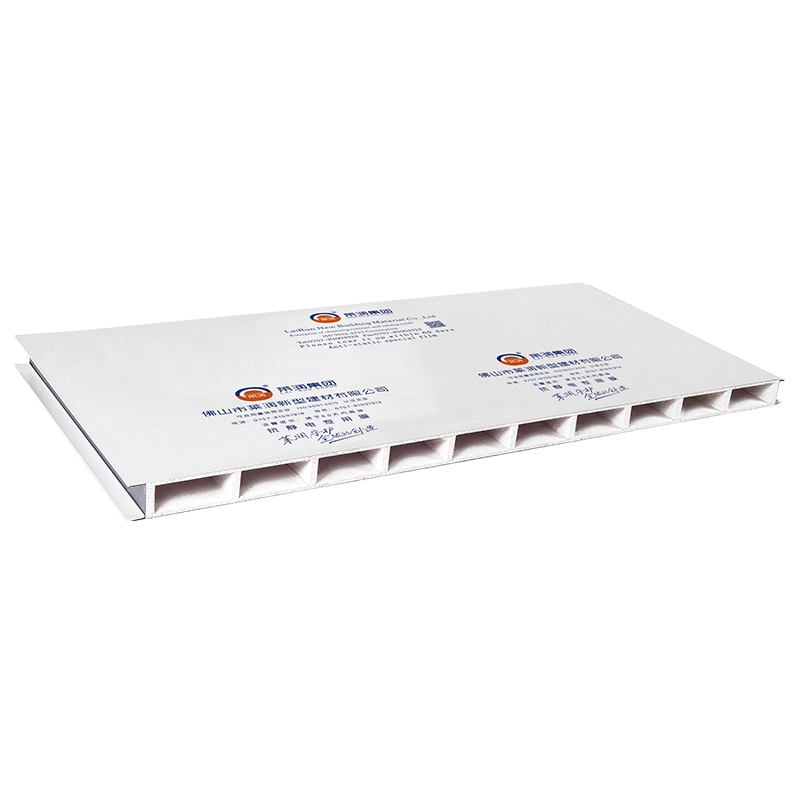
The Hollow core MGO sandwich panel employs a distinct inner shape that yields strong weight support minus extra mass. As a result, this positions them as an ideal swap for old substances in settings where build weight matters. This design fits tight space needs.
Exceptional Flatness and Pressure Resistance
These panels gain fame for remaining level despite heavy hits or force. In a precise cleanroom, any curve or uneven spot might disturb air movement, so the built-in steadiness of the MGO board offers a clear benefit. This quality upholds smooth operations.
Superior Durability for Pharmaceutical Environments
Drug facilities allow no room for particles or breakdown. Because these panels lack poison, smells, and harmful vapors, they preserve air purity inside the tight bounds needed for health-level output. Consequently, this supports strict compliance.
How Does Silica Rock Technology Redefine Thermal Insulation?
In areas facing sharp heat changes, heat steadiness turns into your main worry. A Silica rock sandwich panel gets built to tackle these heat issues while holding leading fire protection.
Unique Porous Structure of Silica Rock
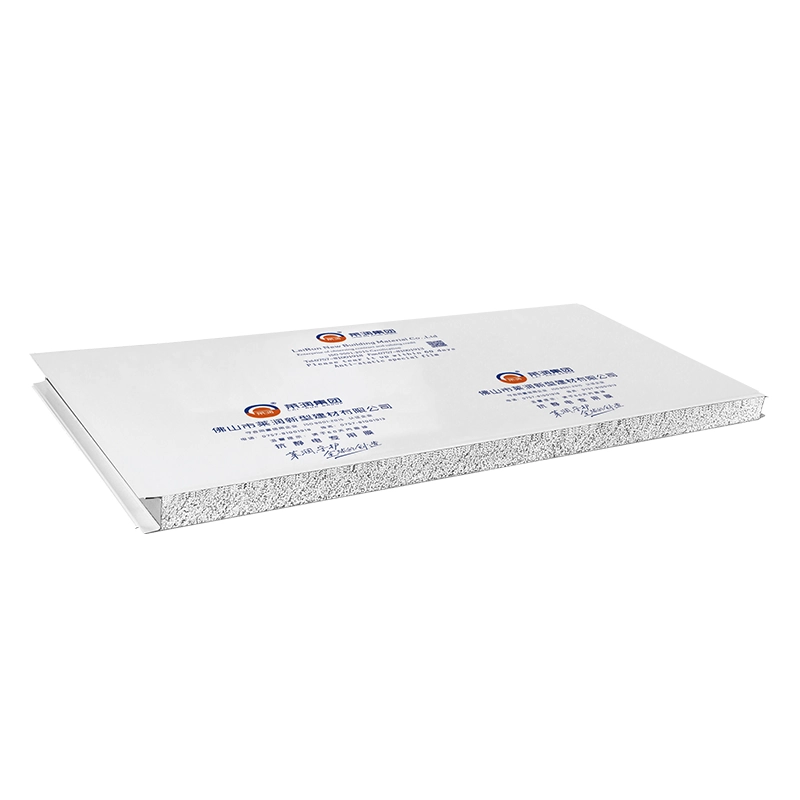
The filling substance includes raw minerals shaped into a form that holds air naturally, creating a heat block that few rivals can equal. It works well to lock in cool air and block out warmth, which cuts down on power expenses. This setup aids energy savings.
High Thermal Resistance for Climate Control
For sites like food plants or drink operations, keeping a fixed heat level forms a rule-based must. Silica rock panels supply fine blocking traits that stop “warm points” on walls or roofs. Thus, this maintains even conditions.
Moisture Resistance in High-Humidity Cleanrooms
In contrast to some old blocking that takes in water easily, silica rock stays firm even amid wet settings. It serves as a solid pick if concerns arise over mold or frame weakening in damp output areas. This reliability prevents common failures.
Which Advantages Does Magnesium Oxysulfide Offer for Industrial Safety?
For a chip or life-tech task, you likely require a substance that avoids poison, splits, and dampness uptake. Here, the latest industry blends step in to meet those standards.
Class A Fire Resistance Ratings
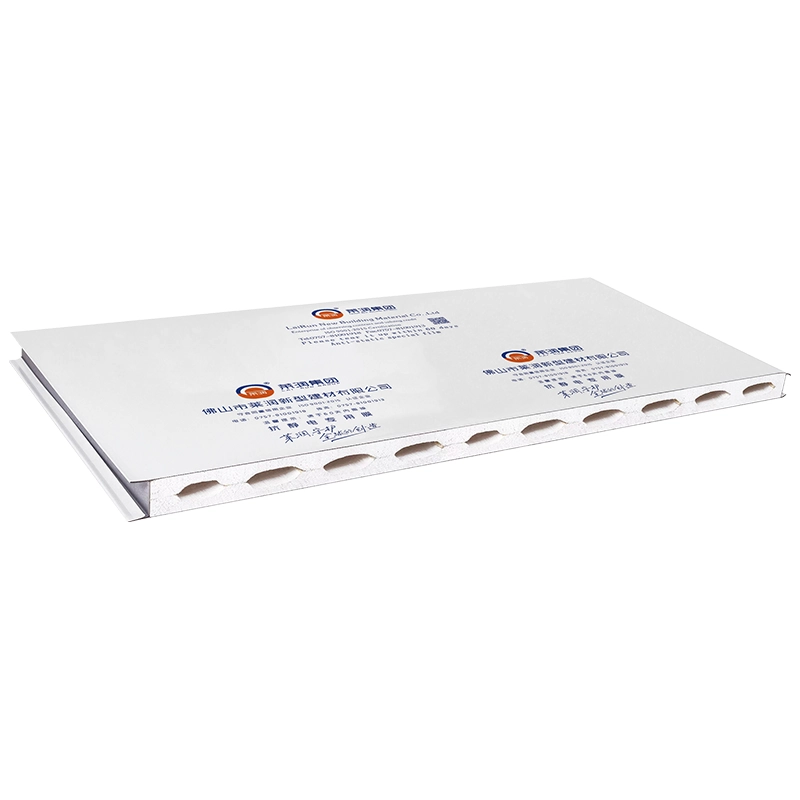
The Magnesium oxysulfide sandwich panel leads as an eco-friendly build substance praised for enduring high heat without flame. It goes beyond delaying fire; moreover, it forms a true guard for costly gear. This protection saves assets.
Chemical Stability and Anti-Corrosion Properties
The special blend in these panels stops chloride particle release, which ensures painted metal sheets avoid inner rust. This fixes a widespread field flaw that surfaces only after years in use. As such, it extends material life.
Seamless Integration for High-Standard Bio-Tech Labs
In life-drug studies, close joins hold key importance. These panels typically include a special interlocking pattern that fits together simply, leading to a smooth surface that cleans with ease. This ease boosts hygiene efforts.
How Do You Select the Right Material for Your Specific Industry?
One panel type does not suit all cases. A chip factory differs greatly from a medical surgery area or a drink filling setup.
Tailored Solutions for Electronic Semiconductor Manufacturing
In chip production, each element counts heavily. You may require 50mm rock wool hand-built panels paired with 100mm glass-magnesium types to fulfill firm fire and firmness rules. It also proves usual to apply static-free painted metal sheets to shield delicate parts. These combos ensure safe handling.
Specialized Requirements for Food and Medical Labs
Food plants generally favor rock wool due to its heat endurance and noise blocking. Medical testing sites, however, commonly choose magnesium oxysulfide since it weighs little, holds strong, and stays free of dampness flaws. This selection matches precise demands.
Cost-Benefit Analysis of Different Core Materials
Hand-built panels tend to cost extra, yet they provide closer joins and stronger seals compared to machine-built kinds. When creating a top clean area, the added spend on hand-built standards typically returns value via extended duration and simpler care. This analysis guides smart choices.
| Feature | Hollow MGO Panel | Silica Rock Panel | Magnesium Oxysulfide |
| Fire Rating | Class A1 | Class A | Class A |
| Best For | Strength & Rigidity | Thermal Insulation | Moisture Resistance |
| Weight | Lightweight | Moderate | Very Lightweight |
| Typical Industry | Pharma & Electronics | Food & Beverage | Bio-Tech & Labs |
Why Is Lairun the Premier Partner for Your Cleanroom Project?
Locating a plant comes easily, but one that crafts its own filling substances stands out as uncommon. This full-chain setup grants select providers a lead in quality checks.
Decades of Precision Manufacturing Expertise
A founding member and staff with over 25 years of skilled background create a rich knowledge pool at the firm. They have shifted from basic sandwich panel making to owning 9 patents for forward filling substances and automatic tools. This progress drives innovation.
Proven Track Record in Global Engineering Projects
Their panels now appear in more than 30 nations, covering the US, Europe, and Australia. From aiding quake aid to supplying for top hospitals amid the outbreak, they hold a record of providing solid panels amid tight timelines. This experience builds trust.
Comprehensive One-Stop Solution and Technical Service
You gain more than a stack of panels; rather, you receive a full service framework that covers linked output aid and attendant-level quality oversight. Be it adjusted sizes to limit site scraps or round-the-clock tech help, the aim lies in smoothing your task flow. This support eases execution.
FAQ
Q1: How much labor cost can I really save with tongue-and-groove panels?
A: You can save roughly 50% in labor costs because the unique design allows panels to snap together easily, often installing twice as fast as traditional methods.
Q2: Are handmade panels actually worth the higher price tag?
A: Yes, especially for premium spaces. They offer tighter seams, better sealing, and superior moisture resistance, which leads to a longer-lasting cleanroom environment.
Q3: Can these panels be customized for my specific project dimensions?
A: Absolutely. Length and width can be adjusted according to your actual project requirements, which helps reduce material loss and waste on the construction site.
Q4: What is the benefit of the new magnesium sulfate formula?
A: The new formula eliminates chloride ions, solving the common industry problem of “moisture absorption” and preventing the corrosion of steel plates and aluminum alloys.
Q5: Which material is best for an environment with high humidity?
A: Magnesium oxysulfide is an excellent choice as it is 100% moisture-absorption-free and does not deform, making it ideal for workshops with varying humidity levels.
