


What Are the 7 Critical Steps to Properly Sanitize Your Cleanroom Without Damaging the Surfaces?
Time : May 15, 2026 View : 1389
Keeping a clean setting demands constant effort, and it shapes outcomes in key fields such as semiconductors and biopharmaceuticals. If you handle the details of managed spaces, teaming up with an experienced producer makes sense. LAIRUN offers more than 25 years of focused knowledge in cleanroom sandwich panel development. Their large 38,000-square-meter site includes eight automated lines, which produce 25,000 square meters each day for buyers in 30 countries. A group of 30 seasoned experts creates effective products, like medical rock wool and unique magnesium oxysulfide panels, so your setup follows top worldwide rules for protection and accuracy.
Why Is Surface Integrity the Foundation of Cleanroom Compliance?
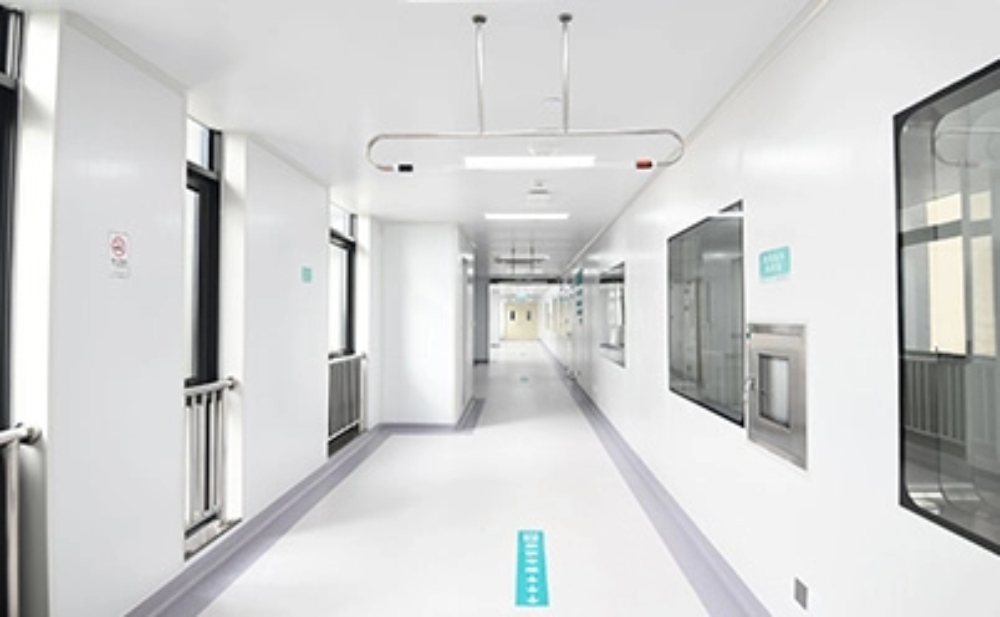
The condition of your wall and ceiling panels decides how effectively you manage germ spread and dust particles. When surfaces wear down or develop holes from strong cleaners or rough tools, they create spots for dirt to build up. Reliable panels handle hits, flames, and sounds while staying even for regular cleaning.
Invisible Risks of Improper Cleaning
Tiny marks on panel faces often stay hidden, yet they trap germs and dampness. Common cleaning ways sometimes overlook how well agents match the outer layer, which causes rust or “halogen return” problems in basic materials. As a result, these issues harm long-term cleanliness. They also raise chances of failure in checks.
Crucial Role of High-Performance Sandwich Panels
Strong items like coated steel sheets with thick centers give the needed strength for tough cleaning. These panels endure the wear from repeated wipes without dropping their germ-fighting or flame-proof features. Therefore, they support steady use in busy areas. This reliability fits strict standards.
How Can You Prepare Your Cleanroom for a Deep Sanitize?
Getting ready matters as much as the cleaning action. Starting wet wiping without thought usually moves dust around instead of clearing it. You should confirm that your equipment and agents suit cleanroom needs to prevent adding fresh dirt.
Step 1: Pre-Cleaning Inspection and Material Check
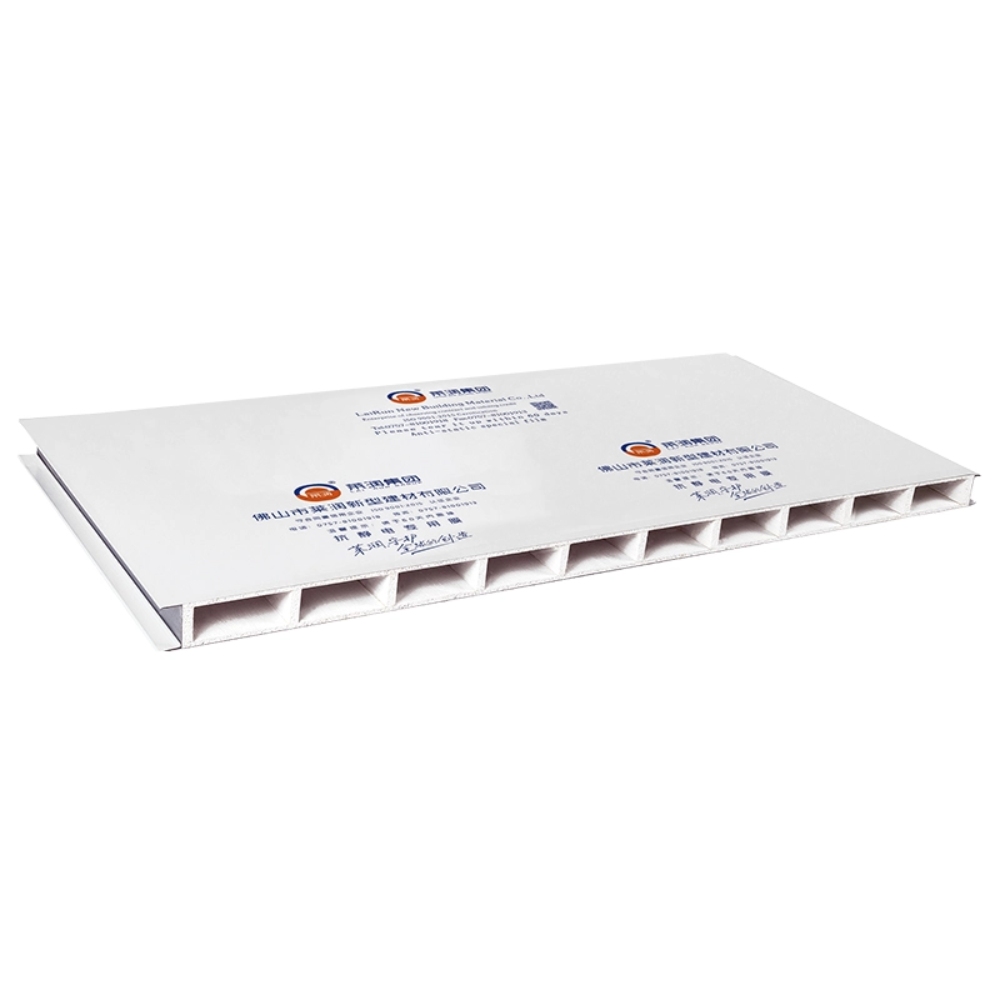
Begin by looking over the edges and joins in your Hollow core MGO sandwich panel setups. Spot any harm or weak seals that might let water or cleaners enter the inner part. This check helps avoid deeper damage. It ensures safe handling during the process.
Step 2: Selection of Compatible Chemical Agents
Not every germ-killer works on all faces. Pick balanced pH or made-for-purpose options that avoid eating away metal covers or breaking down the core, particularly in damp settings. Such choices protect the build over time. They also keep the space functional.
What Are the Essential Mechanical Steps in the Cleaning Process?
The main cleaning follows a clear order from cleanest areas to dirtiest and from high points to low. This way, falling particles get caught during the last floor pass. The idea seems basic, but in a 1,000-square-meter space, missing the order often causes inspection problems.
Step 3: Top-to-Bottom Vacuuming and Dust Removal
Begin at the ceiling covers and move down the sides. HEPA vacuums capture small bits that wipes could skip. This method clears air paths first. It sets up better results for later steps.
Step 4: Systematic Wiping with Specialized Mops
Side areas need strokes that overlap. Join points like tongue-and-groove form smooth lines, but focus more on them to remove all traces. This care prevents hidden buildup. It maintains full coverage.
Step 5: Advanced Disinfection and Fogging Procedures
In drug or health rooms, misting covers all spots for germ removal. It hits places that hand wipes miss and spreads even safety. This technique boosts overall protection. It suits detailed needs.
How Do You Ensure Long-Term Surface Protection During Cleaning?
Cleaning finishes when the area dries and passes checks, not just when wet. Leftover agents draw dust or form sticky layers later, so balancing them ends the task right.
Step 6: Targeted Residue Removal and Neutralization
Wash faces with pure or treated water if the cleaner leaves marks. This step suits shiny coated steel to keep its look and even feel. It avoids future issues. Such practice extends surface life.
Step 7: Post-Sanitization Validation and Monitoring
Apply dust counters and surface wipes to confirm the work’s success. Good results show that your routine and panel strength align well. This verification builds confidence. It guides future efforts.
Why Do Specific Materials Require Specialized Cleaning Protocols?
Various core types respond in unique ways to surroundings. For instance, some sites choose magnesium items because they avoid water uptake and shrinking common in regular types.
Benefits of Hollow Core MGO Sandwich Panels for Easy Maintenance
A Hollow core MGO sandwich panel earns praise for fire safety and no-dust traits. Its even face and lack of organic fillers allow simple cleaning without fears of inner decay or mold. This design simplifies upkeep. It fits high-clean demands.
Resilience of Magnesium Oxysulfide Sandwich Panels Against Corrosion
The Magnesium oxysulfide sandwich panel relies on a special mix free of chloride, which fixes water pull and metal wear issues. As such, it serves as a light, sturdy pick for rooms with strong cleaners. This strength supports regular use. It reduces repair needs.
How Do Advanced Panel Structures Prevent Microbial Growth?
Panel links matter as much as their makeup. Past builds left spaces for dust and germs, but new methods use tight, fitting parts.
Seamless Surface Engineering for Better Hygiene
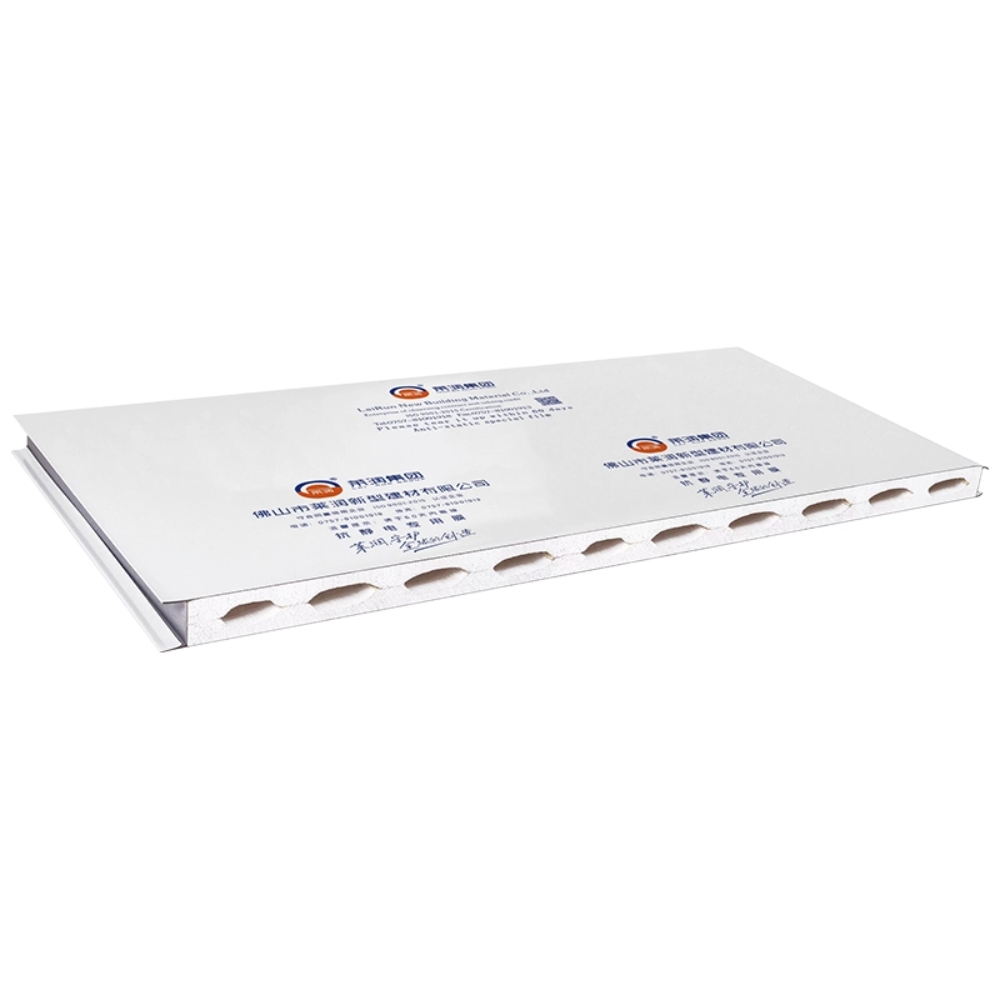
Tongue-and-groove links form close, level bonds that stop dust collection. Engineers like this setup because it eases cleaning routes with fewer spots for bugs to stay. The smooth flow saves time. It enhances clean results.
Superior Moisture Resistance and Chemical Stability
Fills like rock wool or magnesium oxysulfide hold steady under heat shifts. They keep joins sealed tight against dampness without bending. This quality ensures lasting seals. It protects against entry points.
Why Should LAIRUN Be Your Trusted Partner for Cleanroom Solutions?
Picking a provider means gaining their background and test standards. LAIRUN goes beyond a plant; they set examples by supplying strong panels to big hospitals and labs in tough periods.
Decades of Technical Expertise in B2B Manufacturing
Over 25 years shape the founding team‘s grasp of trade details and tech rules. They own nine patents for fresh items, which shows their drive to advance the field. This experience guides solid choices. It meets varied needs.
Tailored Solutions for Global Pharmaceutical and Electronic Labs
For 50 mm rock wool types against fire or special magnesium sulfate for damp control, choices abound. They provide customized sizes, depths, and shades to fit your plan. This flexibility aids projects. It ensures exact matches.
Comprehensive One-Stop Service and Reliable Project Cases
From first need review to skilled follow-up, the setup aims for easy handling. Panels succeed in chip works and drug sites around the world, gaining trust through steady work and fair costs. These cases prove value. They support broad use.
FAQ
Q1: What is the difference between machine-made and handmade panels?
A: Handmade panels generally offer tighter seams and better sealing, making them the preferred choice for premium clean spaces that require high-grade fire resistance and moisture control.
Q2: Can I customize the color and thickness of my cleanroom panels?
A: Yes, panels can be customized with various thickness options like 50 mm, 75 mm, or 100 mm, and steel plate colors can be matched to your specific project needs.
Q3: Why are magnesium oxysulfide panels better for labs?
A: They are lightweight and strong, but most importantly, they do not use halogen in the formula, which prevents the common issue of “halogen return” or moisture-induced deformation.
Q4: How do tongue-and-groove joints save on labor costs?
A: This connection method is simple and fast, often installing twice as quickly as traditional methods, which can save up to 50% in labor costs.
Q5: Are these panels fireproof?
A: Most high-quality cleanroom panels, such as those with rock wool or MGO cores, are rated as Class A fireproof, meaning they are non-combustible and provide extra safety for your facility.
