



Cleanroom Cost Estimation Guide 5 Key Factors That Impact Your Budget
Time : June 04, 2026 View : 1444
A cleanroom budget is not only a room price. Cleanroom cost depends on ISO cleanroom classification, HVAC load, cleanroom panels, doors and windows, installation labor, shipping, and final validation. A clear cleanroom cost estimation process helps you compare suppliers, control cleanroom construction cost, and avoid missing items before the quotation stage.
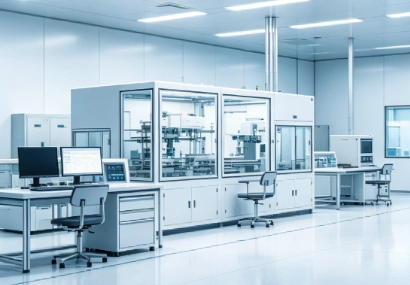
Factor 1: ISO Cleanroom Classification and Airflow Requirements
The required clean level is usually the strongest driver of cleanroom cost. A higher ISO classification requires more air changes, higher filtration capacity, stronger HVAC design, and more detailed validation work. If different production steps have different cleanliness needs, splitting the layout into zones can protect the cleanroom budget without reducing process safety.
ISO Classification Sets Mechanical Load
Air changes per hour, HEPA or ULPA filter quantity, return air path, and pressure cascade all change with the ISO target. The table below gives a useful early-stage reference for cleanroom cost estimation. Final values should still be checked by the cleanroom engineer because heat load, equipment layout, personnel flow, and process risk may change the design.
|
ISO Cleanroom Classification |
Typical Air Changes Per Hour (ACH) |
Budget Impact |
|
ISO 8 |
10-25 ACH |
Lower airflow demand, suitable for many support or packaging areas |
|
ISO 7 |
30-60 ACH |
Medium airflow demand, common for controlled manufacturing zones |
|
ISO 5 |
240-600 ACH |
High airflow demand, higher HVAC, filtration, ceiling, and validation cost |
Compliance Rules Change the Cleanroom Budget
ISO 14644 defines cleanliness performance, but industry rules can add more requirements. A pharmaceutical cleanroom may need GMP documentation, EU GMP zoning logic, FDA-related process expectations, and stricter material traceability. A food processing cleanroom may focus more on hygienic surfaces, moisture resistance, and washdown performance. These compliance points should be included before the cleanroom construction cost is confirmed.
Factor 2: Cleanroom Size, Layout and Structural Scope
After the ISO target is clear, the next step is to define the real size of the room. Many early cleanroom budget mistakes happen because buyers only count floor area. Cleanroom wall panels, ceiling panels, return air shafts, service chases, pass boxes, and buffer rooms can add a large amount of material and labor.
Floor Area, Height and Wall Panel Quantity
Measure floor area, clear height, partition length, ceiling span, and all openings. A tall cleanroom may need more cleanroom wall panels than expected, while a complex layout may need more corners, joints, coving, and sealing work. If the quotation only uses square meters of floor area, it may miss the actual panel quantity and cause later price changes.
Modular Cleanroom Installation Planning
A modular cleanroom uses factory-prepared components and cleanroom sandwich panels that are designed for faster assembly. It can significantly reduce on-site labor costs and shorten installation time compared with traditional construction methods. This is especially useful for plants that need to reduce shutdown time or expand production in phases. For a more reliable cleanroom installation cost, ask the supplier to separate material cost, labor cost, lifting or handling cost, sealing cost, and validation support.
Factor 3: Cleanroom Panel Material and Performance Level
Cleanroom panels are not only wall materials. They influence fire safety, flatness, cleanability, acoustic performance, insulation, installation speed, and long-term maintenance. Choosing a cheaper core may lower the first quotation, but it can raise cleanroom construction cost later if the panels are difficult to seal, clean, or replace.
Choosing the Right Cleanroom Panel Material
Different cleanroom panel materials suit different industries. The best choice depends on process risk, fire rating, humidity, cleaning chemicals, and load-bearing needs.
|
Panel Material |
Suitable Applications |
Cleanroom Budget Notes |
|
Paper Honeycomb Panels |
Electronics; Pharmaceutical support areas |
Lightweight structure, useful where weight control and flat partition surfaces matter |
|
MGO Rock Wool Panels |
GMP facilities; Fire-rated cleanrooms |
Stronger fire-safety performance, suitable for areas with higher compliance or safety requirements |
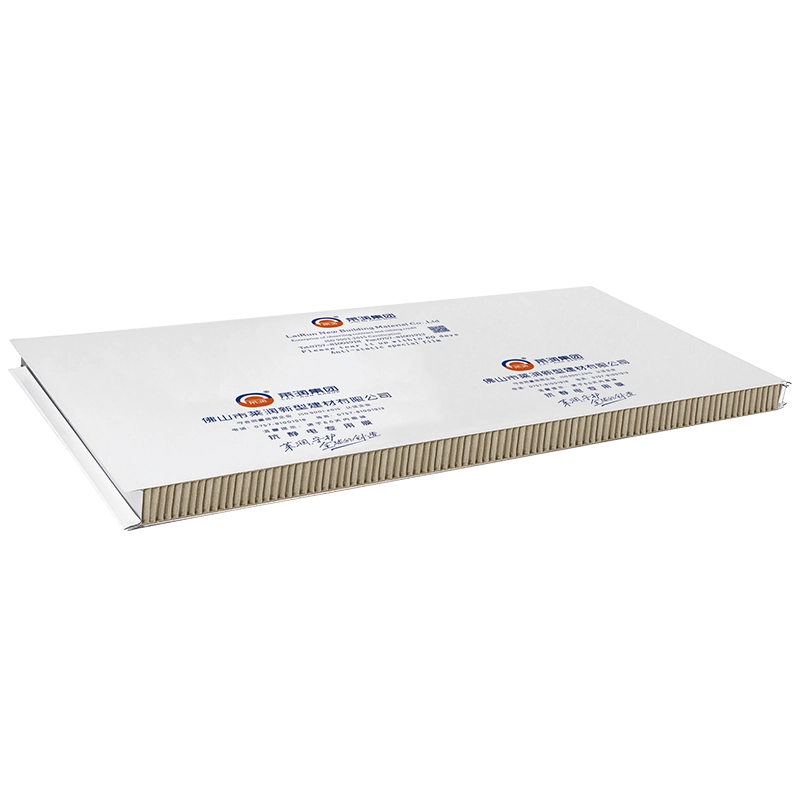
Paper Honeycomb Panels are often selected when you need a lightweight cleanroom panel for electronics, pharmaceutical support areas, or ceiling and partition zones that require flatness without heavy loading. They can help control cleanroom cost where high fire resistance is not the main requirement.
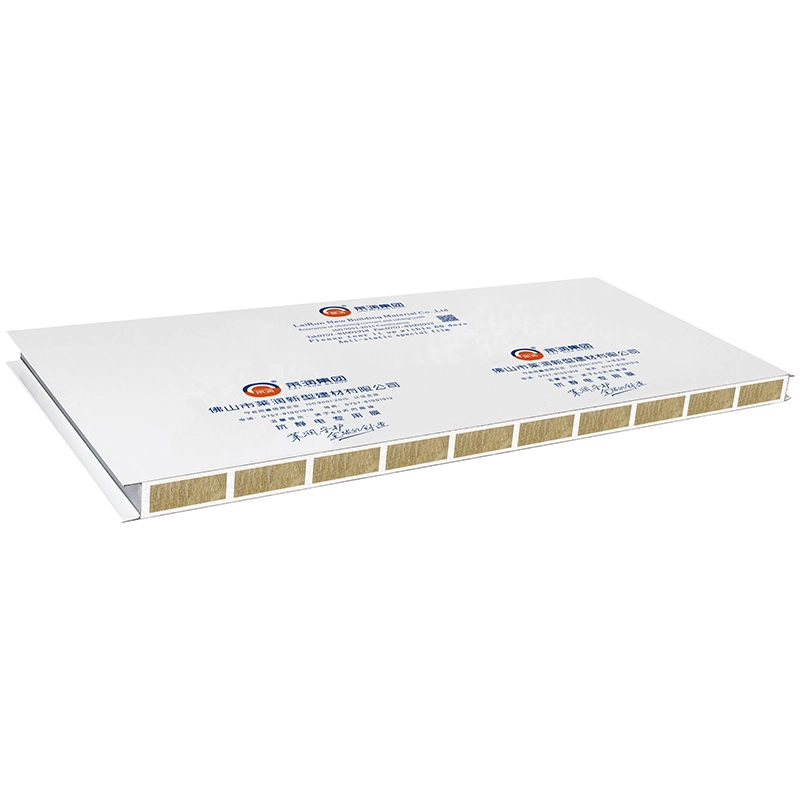
MGO Rock Wool Panels are better suited to GMP facilities, fire-rated cleanrooms, and production zones where fire safety, acoustic control, and panel rigidity are important. They may raise the initial material cost, but they can support a safer and more compliant cleanroom budget in demanding environments.
LAIRUN offers both machine-made and handmade cleanroom panel systems to meet different project requirements. Machine-made panels are useful for large standard areas, while handmade panels can support projects that require tighter detailing, special sizes, or higher sealing demands. Buyers can review cleanroom panels and related components through the cleanroom panel product center before confirming a final material list.
Factor 4: Doors, Windows, Utilities and Component Integration
A cleanroom can fail at the smallest weak point. Doors, windows, pass-through systems, aluminum profiles, service lines, lighting, and power interfaces often appear as separate items in a quotation, but they directly affect cleanroom installation cost and long-term compliance.
Airtight Doors and Observation Windows
Ordinary office doors do not provide the sealing performance needed for controlled environments. Cleanroom doors may need drop seals, flush surfaces, smooth frames, and easy-clean hardware. Observation windows should limit dust traps and condensation risks. These details improve pressure control and reduce rework during final testing.
Embedded Services and Cleanroom Accessories
Cables, pipes, switches, and utility points should be planned early. Factory-prepared openings or embedded line systems reduce random cutting on site and lower the risk of panel damage. Integrated components can also make the cleanroom easier to maintain because the installation team follows a clearer layout. For complex projects, review the supplier’s custom cleanroom solutions and installation support before locking the cleanroom construction cost.
Factor 5: Logistics, Installation and Validation Costs
A cleanroom budget should include more than panels and HVAC equipment. Packing, container loading, site storage, installation sequencing, supervision, sealing, testing, and final documentation can all affect the total cleanroom cost. These items are especially important for overseas buyers because shipping damage or missing accessories can delay the whole site schedule.
Shipping, Packing and On-Site Handling
Cleanroom sandwich panels need strong packing to prevent scratches, dents, moisture exposure, and edge damage during transport. The quotation should define packaging method, loading quantity, spare parts, and handling requirements at the destination. Clear packing lists also help the installation team check materials quickly when goods arrive.
Final Sealing, Testing and Documentation
After the panels are installed, the room still needs final sealing, cleaning, balancing, testing, and documentation. Validation may include airflow checks, pressure difference checks, particle testing, filter integrity checks, and material documentation. These steps help confirm whether the cleanroom meets ISO 14644 and any GMP, FDA, or EU GMP expectations that apply to the industry.
Why Choose LAIRUN for Cleanroom Cost Estimation and Panel Supply?
A reliable supplier should help you turn cleanroom requirements into a practical cleanroom budget. That means providing material options, drawings, panel details, installation guidance, quality documents, and clear communication before production starts.
Production Capacity and Supplier Transparency
LAIRUN operates a 38,000-square-meter factory with eight production lines and a daily panel capacity of 25,000 square meters. This production base supports stable lead times for modular cleanroom and cleanroom panel orders. For buyer review, documentation such as CE, ISO9001, SGS reports, fire test reports, material specifications, and warranty terms should be checked before the purchase order is confirmed. More company information can be reviewed through the about us page.
Global Project Experience
Over the past 25 years, LAIRUN has supplied cleanroom panel systems for semiconductor, pharmaceutical, food processing, and laboratory projects in more than 30 countries. This experience is useful when buyers need help with export packing, documentation, cleanroom panel selection, and installation planning. You can review related industries and completed projects in the case center.
Technical Support for Budget Control
Good cleanroom cost estimation should explain what is included and what is excluded. LAIRUN can support panel selection, layout coordination, accessory matching, and installation planning so the buyer can compare options before approving the cleanroom budget. For projects that need a customized quotation, buyers can use the contact page to discuss ISO level, panel material, room size, installation location, and documentation needs.
FAQ
Q1: How much does a cleanroom cost per square meter?
Cleanroom costs vary depending on ISO classification, HVAC requirements, cleanroom panel materials, room size, doors, windows, utilities, logistics, and installation labor. Modular cleanrooms generally offer lower installation costs than conventional construction because more components can be prepared before arriving on site.
Q2: What factors affect cleanroom construction costs?
The main factors include ISO classification, HVAC system design, cleanroom sandwich panels, cleanroom wall panels, doors and windows, embedded utilities, installation labor, shipping costs, final sealing, and validation documentation.
Q3: Are modular cleanrooms cheaper than conventional cleanrooms?
In many cases, modular cleanroom systems reduce installation time and on-site labor while maintaining compliance with cleanroom standards. The final cost still depends on room size, ISO level, material choice, and local installation conditions.
Q4: How does ISO cleanroom classification affect HVAC cost?
A stricter ISO level usually requires higher air changes per hour, more filters, stronger airflow control, and more detailed testing. For example, ISO 5 areas normally require far higher ACH ranges than ISO 7 or ISO 8 spaces, so HVAC and energy costs increase.
Q5: Which cleanroom panels are best for cost control?
Paper honeycomb panels can be a cost-effective choice for lightweight partitions and suitable support areas. MGO rock wool panels are better for GMP facilities and fire-rated cleanrooms where safety and compliance are more important than the lowest initial material price.
Q6: What documents should buyers request before confirming a cleanroom budget?
Buyers should request drawings, panel specifications, material data sheets, fire test reports, CE or ISO9001-related documents where applicable, SGS reports if required, packing details, installation instructions, warranty terms, and a clear list of included and excluded cost items.
