



Can a High-Quality Cleanroom Sandwich Panel Really Solve Your Clean Room Noise and Thermal Leakage Issues
Time : June 05, 2026 View : 1376
Why Do Noise and Thermal Leakage Matter in a Clean Room?
This article explains why a poor choice of Cleanroom Sandwich Panel can undermine a room designed to maintain clean air and stable production conditions and highlights the key factors that must be considered by facility planners and by manufacturers marketing Cleanroom Sandwich Panels for cleanroom applications.
Cleanrooms are amongst the most expensive of facilities to design and build. However, a room that costs a lot to construct can cost so much more if its potential is not maintained by temperature stability, air pressure control and acceptable noise levels from the start. This is particularly true where a number of production processes are carried out in series as is the case in many semiconductor, pharmaceutical, food processing, electronics and laboratory type facilities. The wall and ceiling system of the cleanroom forms the environmental control enclosure and must be designed to ensure that it does not compromise the rooms potential.
The features of a Cleanroom Sandwich Panel should be evaluated by the manufacturer of cleanrooms, such as thermal insulation, fire resistance, sound insulation, moisture resistance, tightness of joints and durability. A product which is good in one respect does not automatically also perform well in other respects. For example, a product with a good tightness of joints can still be affected by an unsuitable core or by an inadequate load-bearing capacity.This is why the right Cleanroom Sandwich Panel should be selected according to the application, not only according to price. For a GMP cleanroom panel, a pharmaceutical cleanroom panel, or a modular cleanroom panel system, the panel must help maintain clean air, reduce energy loss, control sound, and support safe installation.
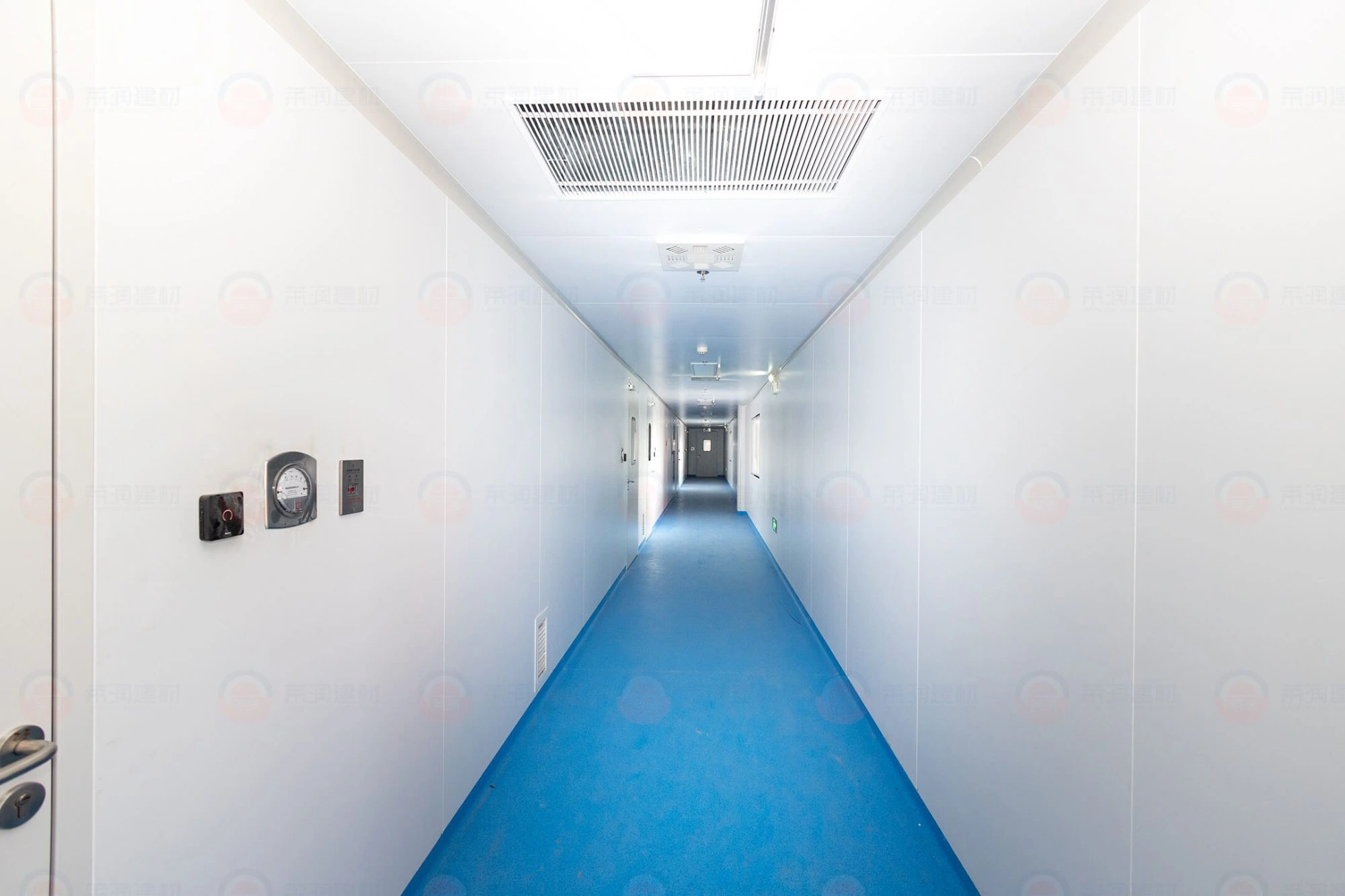
Why Is Thermal Insulation Critical for Cleanroom Energy Efficiency?
Clean rooms typically are maintained using continuous air conditioning, filtration, and pressure control. The walls and ceiling of a room contain leakage paths through which heat can escape. The HVAC system must work longer to maintain the same temperature and humidity when heat leaks out of the room than it would if the room were perfectly sealed. In the long run, this results in increased costs to operate the room and to maintain the fans, filters, and cooling equipment.
Insulated Sandwich Panel Core Performance
A dense and stable core-insulated sandwich panel is a highly efficient heat barrier. All of the three mentioned core materials rock wool, MGO and magnesium oxysulfide have their own field of application. Rock wool sandwich panels are preferred if fire resistance, sound insulation and thermal insulation are required. If a moisture resistant and dimensionally stable core is needed, then MGO or magnesium oxysulfide cores are used. MOS performs well in projects that require strong fire resistance, chemical stability, and a cleaner material profile.
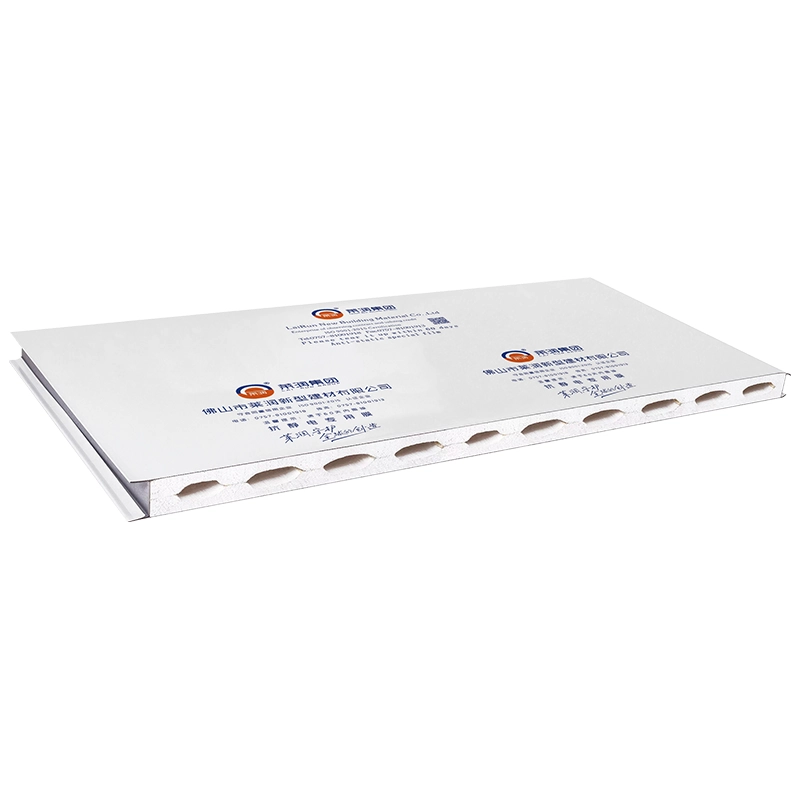
Precision Joint Systems for Lower Air Leakage
While the core material is critical, the joint system also has to be right. A tongue-and-groove joint or male/female joint enables minimum clearances between panels. By minimizing leakage, such a joint also minimizes dust collection and allows cooled/heated air to remain within the controlled environment. For many clean rooms, quick installation and minimum on-site cutting also are key to minimizing the risk of contamination during construction.
Stable Temperature Control for Sensitive Production
In process-intensive industries such as biotech, medical packaging, and electronics, the standard room environment can fluctuate. This can cause problems in production. A Cleanroom Sandwich Panel, filled with a suitable core and equipped with tight seals, can create a stable production environment. This type of environment is especially important when the clean room is in operation 24/7, and temperature fluctuations can have a negative effect on products, materials and equipment.
How Does a Cleanroom Sandwich Panel Reduce Noise Transfer?
Industrial noise comes from air handling units, production equipment, industrial carts, air filtration systems, and other maintenance activities. Because of the nature of these noise sources, a thin, loose, or poorly sealed wall or ceiling system can direct the noise into adjacent rooms and affect the activities of operators, testers and other production lines.
High-Density Fibers for Acoustic Absorption
Rock wool cores are useful for sound control because their fiber structure can absorb and weaken sound waves. In projects where machine noise, airflow noise, or corridor noise needs to be reduced, a rock wool Cleanroom Sandwich Panel can help create a quieter working area while still supporting fire and thermal performance.
Rigid Panel Structure for Less Vibration
Noise is not only an airborne problem. Loose or weak wall panels can vibrate and amplify sound. Handmade or reinforced panel systems usually offer stronger edges, better sealing, and improved rigidity. This helps reduce sonic vibration caused by carts, door movement, airflow pressure, and nearby equipment.
Quieter Conditions for Laboratories and Packaging Areas
A pharmaceutical cleanroom panel or laboratory wall system should not only support cleanliness. It should also help create a controlled work environment. Better acoustic performance can improve communication, reduce distractions, and support more careful work in inspection, packaging, and testing areas.
Which Core Materials Fit Different Clean Room Requirements?
Different core materials solve different problems. Before ordering a cleanroom wall panel or cleanroom ceiling panel, buyers should compare fire rating, water absorption, compressive strength, acoustic performance, and project humidity conditions. The table below adds the necessary technical parameters for easier B2B comparison.
|
Panel Type |
Fire Resistance |
Water Absorption |
Compressive Strength |
Fire Rating |
Suitable Applications |
|
MOS Sandwich Panel |
2-4 hours |
<8% |
>=0.8 MPa |
A1 |
Pharmaceutical, laboratory, biotech, and chemical-cleaning areas |
|
Hollow Core MGO Sandwich Panel |
1-2 hours |
<8% |
>=0.8 MPa |
A1 |
Food processing, laboratories, wet-cleaning areas, and general clean room partitions |
|
Rock Wool Sandwich Panel |
Confirm by project specification |
Confirm by project specification |
Confirm by project specification |
Class A / A-grade fireproof material |
Fire-resistant cleanroom wall panel and cleanroom ceiling panel systems; common density range 60-120 kg/m3; regular thickness 50 mm, customizable to 75 mm or 100 mm |
MOS Sandwich Panel for Fire and Chemical Stability
The MOS Sandwich Panel is suitable for projects that need stronger fire performance and cleaner chemical behavior. With 2-4 hours of fire resistance, A1 fire rating, water absorption below 8%, and compressive strength of at least 0.8 MPa, it is a practical option for pharmaceutical, biotech, and laboratory areas where cleaning agents are used frequently.
Hollow Core MGO Sandwich Panel for Moisture and Stability
The Hollow Core MGO Sandwich Panel offers 1-2 hours of fire resistance, A1 fire rating, water absorption below 8%, and compressive strength of at least 0.8 MPa. Its lightweight structure supports easier installation while maintaining useful strength for clean room partitions and ceilings. It is a good choice when the project needs moisture resistance, mold resistance, and stable panel surfaces.
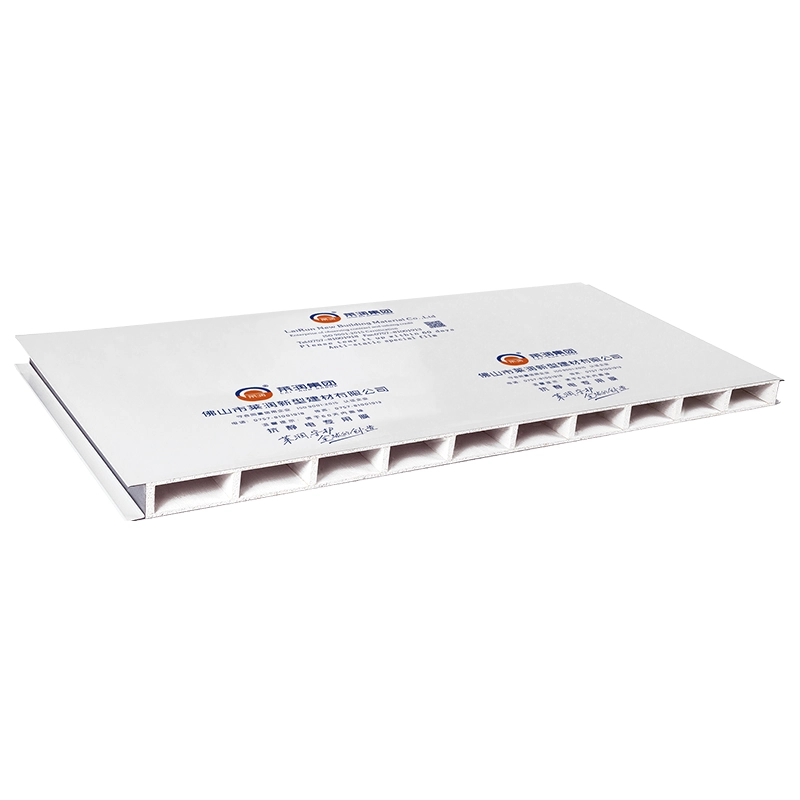
Rock Wool Sandwich Panel for Fire, Sound, and Thermal Control
A Rock Wool Sandwich Panel is often selected when fire protection, sound insulation, and thermal insulation are all important. It is especially suitable for cleanroom ceiling panel systems, fire-resistant partitions, and areas with high requirements for sound reduction. However, project buyers should confirm final fire resistance hours, density, thickness, and installation method according to the specific clean room design.
How Should You Match Panels with Industry Pain Points?
The best Cleanroom Sandwich Panel is the one that matches the actual risk of the facility. Food factories usually care about moisture, mold, hygiene, and easy cleaning. Pharmaceutical facilities need surfaces that support GMP cleaning routines and contamination control. Semiconductor workshops need stable temperature, low dust risk, and reliable joints. Laboratories often need chemical resistance, fire safety, and smooth maintenance.
Food and Biotech Areas
Food processing areas often benefit from MGO or rock wool systems, depending on humidity, fire requirements, and cleaning frequency. Biotech and pharmaceutical areas may prefer MOS or other high-performance cleanroom panel systems when chemical resistance and strong fire performance are priorities.
GMP and Pharmaceutical Clean Rooms
A GMP cleanroom panel should support smooth cleaning, stable sealing, and controlled airflow. For pharmaceutical cleanroom panel projects, buyers should check whether wall and ceiling panels can reduce dust retention, resist cleaning agents, and maintain a flat surface after long-term use.
Semiconductor and Electronics Manufacturing
For electronics and semiconductor projects, a modular cleanroom panel system should reduce site cutting, keep joint lines neat, and support precise installation. Stable cleanroom wall panel and ceiling panel systems help protect sensitive production from thermal fluctuation, dust movement, and unwanted vibration.
Need help selecting the right cleanroom panel? Contact the LAIRUN engineering team for free technical advice and project recommendations.
Why Is LAIRUN a Practical Partner for Cleanroom Panel Projects?
Once you have decided on the material for your cleanroom panels, the next key criterion for selecting the right supplier is whether they can support you with design, production, delivery and quality control. LAIRUN is a manufacturer with over 25 years of experience in cleanroom sandwich panel R&D, we can offer a full range of cleanroom panel solutions for pharmaceutical, semiconductor, electronics, food processing, healthcare and laboratory applications.
The company operates from a 38,000-square-meter production base and has automated production lines with a daily capacity of about 25,000 square meters. Its product range covers rock wool, glass magnesium, magnesium oxysulfide, and glass magnesium rock wool panel systems. This makes it easier for project buyers to compare different Cleanroom Sandwich Panel options within one supply chain instead of sourcing separate materials from multiple vendors.
Engineering Support from Design to Supply
A reliable cleanroom panel manufacturer should help buyers evaluate panel type, thickness, color, joint method, ceiling load, wall layout, and application environment. LAIRUN can support customized wall and ceiling panel systems for projects that require special sizes, color matching, and application-specific performance.
Quality Control and Project Experience
Clean room projects need consistent quality, not only attractive product descriptions. LAIRUN has built product, production, standard, and testing systems for purification panels. The materials used in our finished panels have been used in various applications including Hospitals, Laboratories, Biopharmaceuticals, Food factories and various other controlled environments such as semiconductor projects. This is very beneficial to buyers who are searching for Cleanroom Sandwich Panel supplier in China. During technical confirmation communication with buyer will be much easier.
Looking for a cleanroom sandwich panel manufacturer in China? LAIRUN can provide customized wall and ceiling panel systems, drawings, samples, and project-based quotations.
FAQ
Q1: Is a handmade Cleanroom Sandwich Panel worth the higher price?
Yes, especially for projects with strict cleanliness, sealing, and fire performance requirements. Handmade panels usually offer tighter seams, better edge treatment, and more flexible customization than standard machine-made panels.
Q2: Which material is better for a food factory, rock wool or MGO?
Rock wool is strong in fire resistance, sound insulation, and thermal insulation. MGO is often preferred when moisture resistance, mold resistance, and stable surfaces are more important. The right choice depends on cleaning frequency, humidity, fire requirements, and wall or ceiling location.
Q3: Can cleanroom wall panel and ceiling panel systems be customized?
Yes. Panel size, thickness, color, joint method, and core material can usually be customized according to project drawings and application requirements. Buyers should confirm these details before mass production.
Q4: What is the benefit of a tongue-and-groove connection?
A tongue-and-groove connection supports faster installation, tighter joints, fewer visible gaps, and better dust control. It can also reduce labor time because panels align more easily on site.
Q5: Are these panels safe for medical laboratories?
Yes, when the correct core and surface material are selected. MOS, MGO, rock wool, and inorganic pre-coated panel systems can support fire safety, cleaning resistance, antibacterial performance, and controlled clean room operation.
Looking for a reliable cleanroom sandwich panel manufacturer in China? LAIRUN offers customized wall and ceiling panel systems for pharmaceutical, semiconductor, food processing, electronics, and laboratory applications. Contact us today for drawings, samples, and a competitive quotation.
