

How Can a Cleanroom Sandwich Panel Manufacturer Reduce Project Delays and Installation Problems
Time : June 19, 2026 View : 1073
Cleanroom construction can be slowed down by small details. Wrong panel size, late material confirmation, weak joint design, surface damage, or missing installation guidance may all push the schedule back. For factories, laboratories, hospitals, food workshops, and electronic plants, a delayed cleanroom is not only a construction problem. It may also affect production plans, equipment entry, staff training, and final inspection.
LAIRUN works as a cleanroom sandwich panel manufacturer for cleanroom panels, doors and windows, and related accessories. Its product center includes rock wool sandwich panel, MGO rock wool sandwich panel, magnesium oxysulfide sandwich panel, PU sandwich panel, hollow magnesium sandwich panel, and other panel systems. For projects that need cleaner walls, faster fitting, and better fire safety, Hollow core MGO sandwich panel is a useful product to consider.
Why Do Cleanroom Projects Often Face Delays Before Installation Starts?
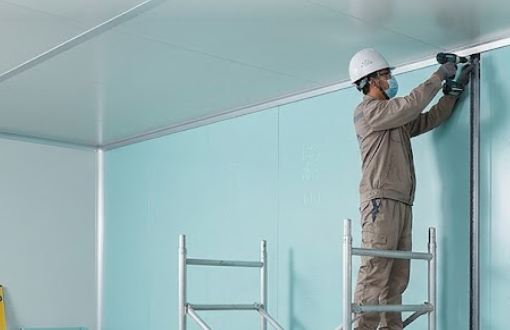
Many cleanroom delays begin before panels arrive at the site. Buyers may confirm the wrong thickness, use a surface material that does not match the room, or leave joint details unclear until workers start the job. These things sound small on paper. On-site, they become cutting, waiting, reordering, and sometimes arguing. Not great, but very common.
Wrong Material Selection
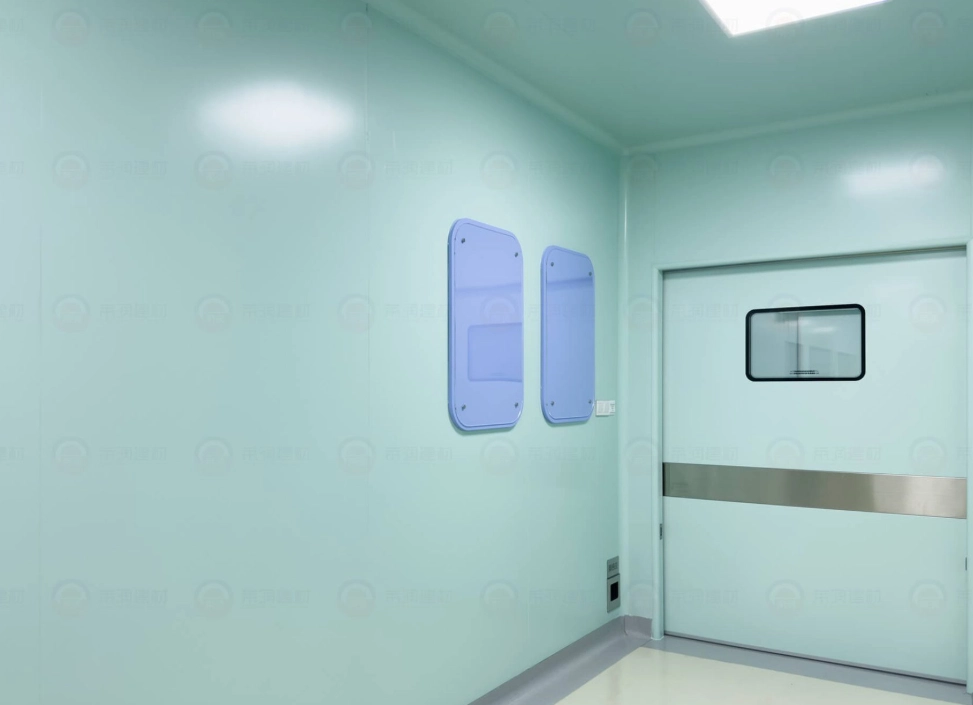
A cleanroom sandwich panel manufacturer should help match the panel to the actual room. Some spaces need stronger fire resistance. Some need better sound insulation. Some need easy cleaning or better moisture resistance. If the wrong material is chosen, the project may pass the ordering stage but fail during installation or inspection.
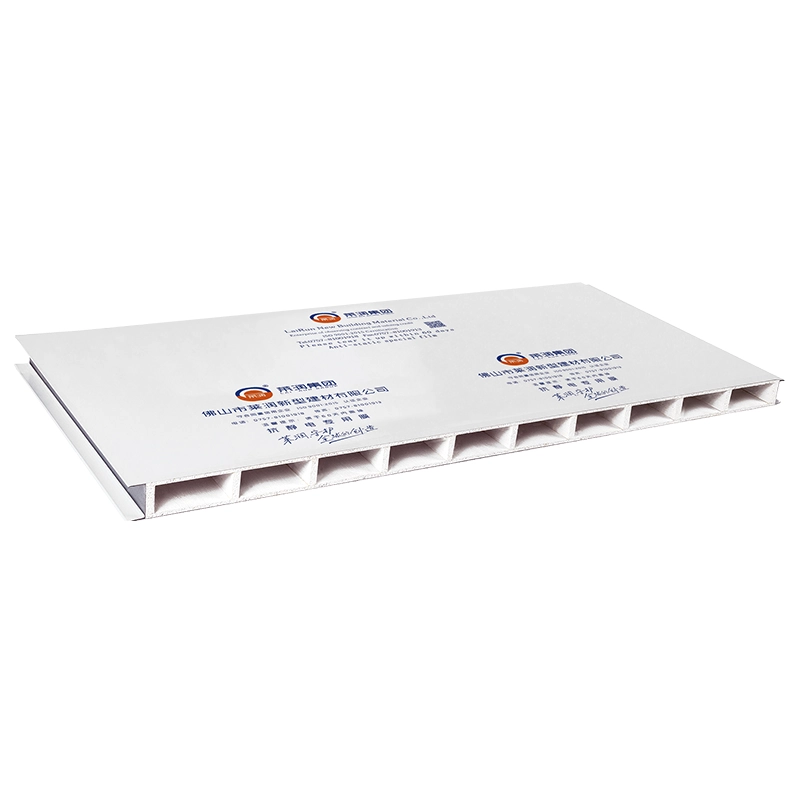
LAIRUN’s hollow core glass magnesium panel is designed for purification spaces with high cleanliness needs. The panel uses steel surfaces and fireproof glass magnesium boards with adhesive bonding. It is used for indoor partitions and ceilings in hospitals, laboratories, pharmaceutical factories, electronics factories, food factories, and other clean areas.
Unclear Panel Specifications
A vague order is risky. Panel width, length, thickness, surface metal, color, and joint method should be clear before production. LAIRUN’s Hollow core MGO sandwich panel can be supplied with effective widths of 1150 mm and 950 mm. Thickness options include 50 mm, 75 mm, 100 mm, 125 mm, 150 mm, 175 mm, 200 mm, or customized choices. Length can be made according to project needs, with normal length up to 6000 mm.
These figures help buyers avoid guesswork. A drawing with exact numbers is much better than a late phone call from the site.
Late Technical Confirmation
Cleanroom construction usually involves walls, ceilings, doors, windows, aluminum profiles, corners, and service routes. If technical confirmation happens too late, installation teams may need to stop and wait.
LAIRUN’s service page covers customized solutions, material selection, technical support, after-sales service, and installation support. For large projects, early technical communication can help settle drawings, panel lists, and installation details before production starts.
How Can Better Panel Design Reduce On-site Installation Problems?
Panel design affects how fast workers can install, adjust, and seal the cleanroom. A cleanroom panel is not just a flat board. Its joint, surface, edge, core, and size tolerance all matter. Better design means fewer small fixes on-site, and small fixes are exactly what eat up time.
Accurate Panel Size Control
Poor size control causes gaps, uneven seams, and extra cutting. LAIRUN has automated production equipment, and its knowledge base mentions automated/manual purification panel production lines that complete panel opening, material loading, pressing, and hot pressing in one production line. This type of production setup supports better panel consistency.
For buyers, accurate sizing means fewer site surprises. Panels fit better. Workers move faster. The final cleanroom also looks more professional.
Clean Joint Connection
Joint design has a direct effect on installation speed and cleanroom sealing. LAIRUN panels can use tongue-and-groove jointing, male-female splicing, or Chinese aluminum connection depending on the product and project design.
For cleanroom projects, clean joints help reduce dust-catching gaps. They also give workers a clearer installation path. When panels connect neatly, there is less need for trimming and adjustment. That saves time, and honestly, it also keeps the site mood better.
Less on-site Cutting
On-site cutting can create waste, dust, noise, and delays. In cleanroom work, too much cutting is especially annoying because the project often needs tidy conditions even during construction.
LAIRUN supports customized panel sizes. Its handmade purification panel information also mentions that customized product dimensions can reduce construction material loss on-site. Less cutting means cleaner work, faster installation, and lower material waste.
Why Is Hollow Core MGO Sandwich Panel Useful for Faster Cleanroom Construction?
Hollow core MGO sandwich panel is useful because it balances fire safety, strength, neat appearance, and easy installation. In many cleanroom projects, buyers do not want a material that only solves one problem. They need one panel to cover several practical needs at the same time.
A1 Fire Resistant Performance
The hollow core glass magnesium handmade panel belongs to A1 level fire-resistant materials. It is made for projects that must meet stricter fire safety requirements. For cleanrooms with electrical systems, production equipment, and controlled air systems, fire performance should not be left until the final inspection stage.
A fire-resistant panel helps reduce future risk. It also makes early material approval smoother when the project has strict safety review.
High Strength and Load-bearing Capacity
The hollow core MGO panel has high strength, high load-bearing capacity, impact resistance, high temperature resistance, quick installation, and good appearance. LAIRUN’s knowledge base also states that hollow section spacing was reduced from 150 mm to 95 mm, and the core material uses a male-and-female tenon interlocking connection at head and tail joints. These design changes help improve strength and solve problems such as surface wrinkling and uneven waves.
For ceiling use, strength matters even more. A panel with poor rigidity may cause later repair work. Nobody wants to open a finished cleanroom again because of panel deformation.
Easy Cleaning and Neat Appearance
The product page lists surface choices such as galvanized steel sheet, stainless steel sheet, aluminum alloy sheet, aluminum-magnesium-manganese sheet, and inorganic pre-coated board. Surface treatment options include polyester resin, fluorocarbon resin, high weather-resistant resin, and baked enamel finishes.
The panel also offers rust resistance, easy cleaning, acid and alkali resistance, fire resistance, sound insulation, heat insulation, antibacterial performance, corrosion resistance, high temperature resistance, aging resistance, and durability. For cleanroom users, easy cleaning and a neat wall surface make daily management much easier.
What Should Buyers Check Before Ordering Cleanroom Sandwich Panels?
Before placing an order, buyers should check the details that affect delivery and installation. It is not enough to ask for “cleanroom panels.” A good order should include panel type, quantity, size, thickness, surface metal, color, joint structure, accessories, and delivery plan.
Thickness and Width Options
For LAIRUN’s Hollow core MGO sandwich panel, effective width can be 1150 mm or 950 mm. Thickness can be 50 mm to 200 mm or customized. The MGO board thickness is listed as 5 mm plus 5 mm for the top and bottom layers, with 12 mm for each middle piece.
These clear specifications help buyers plan walls and ceilings more accurately. If the design team confirms these numbers early, the installation team can avoid many layout changes later.
Surface Plate and Color Selection
Surface metal should match the cleaning method and working environment. LAIRUN offers galvanized steel sheets, stainless steel sheets, aluminum alloy sheets, aluminum-magnesium-manganese sheets, and inorganic pre-coated boards. Colors include grey, ivory white, navy, blue dream, and custom colors based on requirements.
Color may seem like a small point, but it affects zoning, visual cleanliness, and final project appearance. A cleanroom that looks orderly is easier to manage. People may not say it out loud, but site managers usually notice.
Connection Method Selection
Connection method affects installation speed and cleanroom performance. Tongue-and-groove jointing is useful for neat panel connection and faster site work. Other LAIRUN panel systems may also use male-female splicing or Chinese aluminum connection.
Before ordering, buyers should confirm whether the wall, ceiling, corner, door, and window details all match the chosen panel structure. A mismatch between panels and accessories can delay the whole room.
How Can a Manufacturer Help Control Delivery and Project Cost?
A cleanroom sandwich panel manufacturer reduces delays not only through product quality. Production planning, material stock, drawing support, and technical replies also matter. A panel may be good, but if communication is slow, the project still suffers.
Stable Production Capacity
LAIRUN is located in Foshan, Guangdong, with a 38,000 square meter factory area. Its company information mentions eight high-automation production lines, daily output of 25,000 square meters, and 400 million RMB annual production value. The brand also has years of cleanroom sandwich panel R&D experience and exports to more than 30 countries.
For larger projects, this production background helps reduce the risk of late supply. Stable output is especially important when the project needs panels, doors, windows, and accessories in batches.
Custom Drawing Support
A cleanroom project needs panel layout, opening positions, corner details, and connection accessories to be checked before production. LAIRUN’s knowledge base mentions pre-opening holes, pre-embedded conduit options, customized length and width, and reduced on-site material loss.
This support can help reduce rework. It also helps keep installation cleaner because workers do not need to cut and modify every detail at the site.
Fast Technical Communication
Cleanroom buyers often need quick answers about thickness, fire rating, surface material, connection style, and delivery. LAIRUN’s service center includes customized solutions, after-sales service, technical support, and installation support through guidelines, videos, or on-site help if needed.
Fast communication does not sound technical, but it matters. A two-day delay in confirming one panel joint can slow several teams behind it.
Why Is LAIRUN a Reliable Cleanroom Sandwich Panel Manufacturer?
LAIRUN is a reliable choice because it combines cleanroom panel production, material options, project service, and export experience. For buyers, that means fewer scattered suppliers and fewer gaps between product selection, production, delivery, and installation support.
Hollow Core MGO Sandwich Panel Recommendation
For cleanroom projects that need fire resistance, strength, easy cleaning, sound insulation, heat insulation, and fast installation, Hollow core MGO sandwich panel is worth recommending. It works well for cleanroom walls and ceilings in laboratories, hospitals, electronics factories, pharmaceutical factories, food factories, and similar spaces.
Its tongue-and-groove jointing, custom thickness, multiple surface metal choices, and durable surface treatment make it suitable for projects where installation quality and daily cleaning both matter.
Automated Production and Quality Control
LAIRUN has automated production systems and inspection support. Its knowledge base mentions a professional standard system, product inspection reports from testing institutions, ISO9001:2015 quality management system, ISO14001:2015 environmental system, and multiple patents related to purification panels and production equipment.
For buyers, this gives more confidence than a simple price quote. Cleanroom panels need stable production, not random batches.
Global Project Service Support
LAIRUN products are used in renewable energy, electronics, semiconductors, biopharmaceuticals, laboratories, healthcare, food production, and other industries. The company also provides contact support for global buyers who need product details, quotations, and project communication.
A cleanroom project moves faster when the manufacturer understands materials, drawings, delivery, installation, and after-sales support. That is the real value behind choosing the right cleanroom sandwich panel manufacturer.
FAQ
Q1: How Can a Cleanroom Sandwich Panel Manufacturer Reduce Project Delays?
A: A manufacturer can reduce delays by confirming materials early, offering accurate panel sizes, supporting custom drawings, controlling production quality, and giving clear installation guidance.
Q2: Why Is Hollow Core MGO Sandwich Panel Good for Cleanroom Projects?
A: It offers A1 fire resistance, high strength, easy cleaning, sound insulation, heat insulation, corrosion resistance, and fast installation, making it useful for cleanroom walls and ceilings.
Q3: What Specifications Should Be Confirmed Before Ordering Panels?
A: Buyers should confirm panel width, length, thickness, surface metal, color, joint method, accessories, fire performance, and project delivery schedule.
Q4: Can LAIRUN Customize Hollow Core MGO Sandwich Panels?
A: Yes. LAIRUN supports custom thickness, length, color, surface metal, surface treatment, and project-based panel solutions.
Q5: Why Does Installation Support Matter for Cleanroom Panels?
A: Installation support helps reduce wrong fitting, site cutting, joint gaps, material waste, and rework. It also helps the project move faster from delivery to final use.
