



Is a Hollow core MGO sandwich panel Better for Humidity-Sensitive Cleanroom Projects?
Time : June 25, 2026 View : 1039
Humidity is not a small detail in cleanroom construction. For laboratories, hospitals, electronics plants, food workshops, and pharmaceutical rooms, moisture can affect panel flatness, joint sealing, surface cleaning, service life, and even daily maintenance cost. A panel that looks fine at delivery may still become a problem later if its core material reacts poorly to wet air, condensation, or frequent cleaning.
That is why buyers often compare MGO panels, rock wool panels, and magnesium oxysulfide panels before confirming cleanroom wall and ceiling materials. The right choice is not only about fire rating. You also need to check moisture behavior, load-bearing strength, installation speed, surface finish, and whether the supplier can support your project with stable production and real technical service.
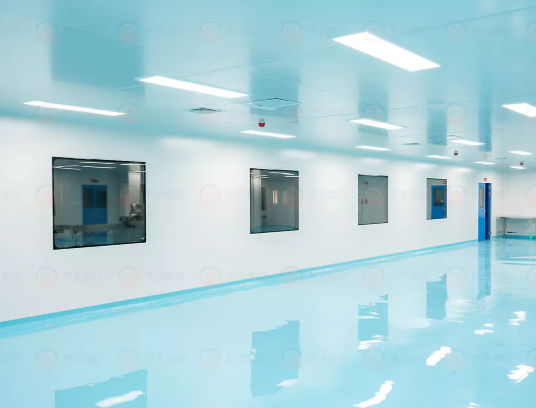
Why Does Humidity Matter in Cleanroom Panel Selection?
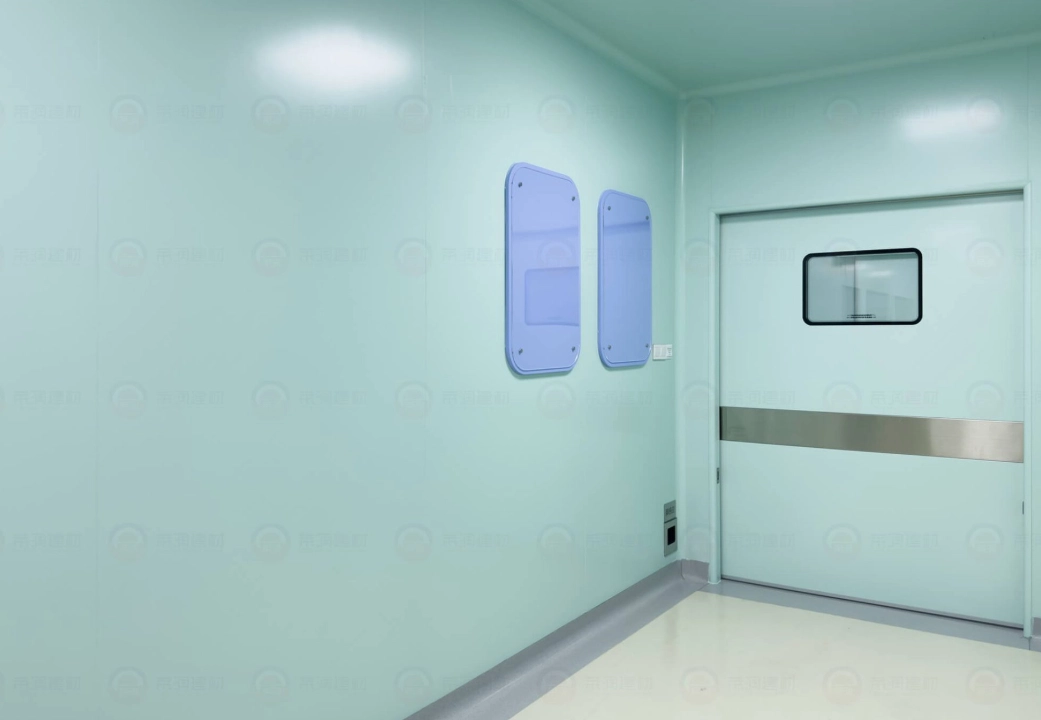
Humidity-sensitive cleanrooms need panels that stay stable after installation. The wall surface should remain flat, the ceiling should keep its load-bearing strength, and joints should not create dirt traps. Once moisture affects the core or edge structure, the repair cost is usually higher than the material cost saved at the beginning.
Moisture Can Affect Flatness And Sealing
In cleanrooms, small deformation can become a visible problem. A slightly uneven wall panel may make the joint gap harder to control. For ceiling panels, strength matters even more because lighting, FFU systems, access panels, and maintenance loads may be involved.
A good panel for humid cleanroom projects should have:
- Stable core structure
- Low risk of halogen return
- Good corrosion resistance
- Easy-to-clean surface
- Tight joint connection
- Reliable strength for wall and ceiling use
The Hollow core MGO sandwich panel from LAIRUN is built for cleanroom projects that need fire resistance, sound insulation, heat insulation, high strength, and easy installation. Its surface can use galvanized steel, stainless steel, aluminum alloy, or other metal sheets, with coating options for antibacterial, antistatic, acid-resistant, and easy-clean performance.
Cleanroom Buyers Care About Long-Term Use, Not Just the First Price
A low initial price may look attractive. Still, if a panel shows wrinkling, waves, poor joint fit, or corrosion later, the project loses time. In B2B construction, the real question is simple: can the panel reduce risk across production, transport, installation, and daily operation?
For humidity-sensitive spaces, this means checking whether the panel supplier can provide a stable core, consistent production size, project-based customization, and after-sales support. A little extra checking before purchase is boring, yes, but it saves a lot of trouble on site.
Is Hollow Core MGO Better Than Standard MGO Panels?
Hollow core MGO panels can be a strong choice when you need a balance of fire resistance, clean appearance, strength, and faster installation. They are often used for cleanroom partitions and ceilings in hospitals, laboratories, electronics factories, food plants, beverage plants, and daily chemical workshops.
But not every MGO panel is the same. The material formula, hollow spacing, joint design, surface sheet, adhesive, and production process all matter.
Improved Hollow Structure Helps Strength And Ceiling Use
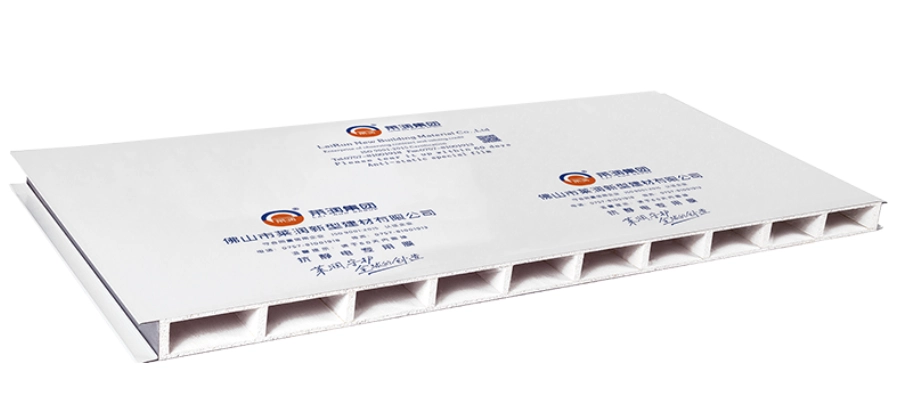
LAIRUN’s hollow core MGO panel uses structural improvements in the core design. The spacing between hollow sections is reduced from 150 mm to 95 mm, which helps improve strength and solves the common issue of insufficient strength for ceiling installation.
The product also uses a male-and-female tenon interlocking connection method for core head and tail joints. After long-term usage testing, this design helped reduce problems such as halogen return, surface wrinkling, and uneven waves. For buyers, that means fewer worries about visual defects and on-site complaints after the room is finished.
You can also review more cleanroom product choices through LAIRUN’s Product Center, especially if your project needs MGO rock wool, rock wool, magnesium oxysulfide, or FFU ceiling panels in the same cleanroom package.
Specifications Fit Different Cleanroom Layouts
The Hollow core MGO sandwich panel supports effective widths of 1150 mm and 950 mm. Thickness options include 50 mm, 75 mm, 100 mm, 125 mm, 150 mm, 175 mm, and 200 mm, with customized sizes also available. The normal length can be made according to project needs, usually within 6000 mm.
This helps when your cleanroom has mixed areas, such as:
- Production rooms
- Testing rooms
- Corridors
- Air shower areas
- Clean storage rooms
- Technical mezzanine areas
- Ceiling sections with higher load needs
The surface metal and color can also be matched to the project. For many buyers, that is useful because hospital, food, and electronics cleanrooms often have different cleaning, anti-corrosion, and visual requirements.
When Should You Choose Hollow Core MGO for Humid Cleanrooms?
Hollow core MGO is suitable when your project needs a panel with balanced fire resistance, durability, and cleanroom-friendly installation. It is not a magic answer for every room, but it works well in many humidity-sensitive projects if the environment and specification are checked correctly.
A cleanroom panel should be chosen by room use, not only by product name. That is why a proper material comparison is needed before bulk purchase.
Choose It for Fire Safety And Clean Surface Needs
Hollow core MGO panels are valued for fire resistance, sound insulation, thermal insulation, high strength, and easy installation. LAIRUN’s panel surface can also be made with coatings that support antibacterial and antistatic performance, which is important in cleanroom spaces where dust, bacteria, and static control are part of daily management.
For laboratories, healthcare rooms, and electronics workshops, surface cleaning is not just about appearance. The panel needs to resist stains, cleaning agents, and frequent wiping. A rust-resistant, acid and alkali resistant surface makes later maintenance easier for facility teams.
For broader fire resistance, soundproofing, and heat insulation planning, you can check LAIRUN’s Solution Center It helps buyers connect panel choice with real room performance, not just catalog words.
Check Humidity Range Before Final Use
One detail deserves attention. Some glass magnesium and related purification panels are not suitable for environments with humidity below 30%. Magnesium sulfate and magnesium oxysulfide options may be better for specific humidity ranges, and LAIRUN’s knowledge base notes that magnesium sulfate handmade panels are suitable for humidity environments around 20% to 65%.
So, the better question is not “which panel is always best?” The better question is “which panel matches your cleanroom humidity, fire rating, load requirement, and cleaning routine?”
If your project has long rainy seasons, air-conditioning shutdown periods, or water-wash cleaning zones, you should ask for a material recommendation before placing the order. It is a simple step, but many projects skip it too fast.
How Does LAIRUN Support B2B Cleanroom Projects?
A cleanroom panel supplier should not only sell boards. You need production stability, size control, technical answers, delivery support, and after-sales communication. This becomes more important for export projects because wrong specifications can delay installation by weeks.
LAIRUN has a 38,000 square meter production base, eight automated production lines, and a daily output of about 25,000 square meters. Its cleanroom panel products are used in renewable energy, electronics, semiconductors, biopharmaceuticals, laboratories, healthcare, food production, and daily chemical industries.
Production Capacity Helps Large Projects Stay on Schedule
For large cleanroom projects, supply capacity is a real buying point. A project may need wall panels, ceiling panels, doors, windows, aluminum profiles, and accessories at the same time. If panels arrive in several unstable batches, installation quality may suffer.
LAIRUN’s production system covers handmade panels, machine-made panels, and combined machine-made and handmade panel solutions. Its product range includes rock wool, glass magnesium, magnesium oxysulfide, glass magnesium rock wool, paper honeycomb, aluminum honeycomb, and other core choices.
The company’s Service page also highlights customized solutions, installation support, technical support, and after-sales service. For buyers managing overseas projects, this support can make communication smoother during drawing review, material selection, and installation guidance.
Real Project Records Give Better Purchase Confidence
Case experience matters. LAIRUN has supplied cleanroom materials for healthcare, laboratory, chemical, and other industrial projects. Its official case information includes projects using hollow magnesium oxide sandwich panels, magnesium oxide rock wool panels, and sulfomagnesium sandwich panels, with several project areas reaching 20,000 to 40,000 square meters.
You can review application references through the LAIRUN Case Center. For B2B buyers, these records are useful because they show whether a supplier has handled similar industries, not just small sample orders.
How Should You Specify Hollow Core MGO Panels Before Ordering?
A clear specification saves time for both buyer and supplier. Before confirming the panel, you should prepare basic project data, including cleanroom grade, humidity range, fire rating target, wall or ceiling use, panel thickness, surface material, color, joint type, and accessory needs.
A short list is enough to begin:
- Room type and industry
- Wall or ceiling application
- Required thickness, such as 50 mm, 75 mm, or 100 mm
- Surface metal choice
- Coating needs, such as antibacterial or antistatic
- Expected humidity range
- Fire and sound insulation needs
- Door, window, and aluminum profile requirements
- Delivery schedule and packing needs
Match Panel Structure With Installation Method
LAIRUN’s hollow core MGO panel uses tongue-and-groove jointing. This helps the panel fit cleanly and supports faster installation. For projects that need easier removal or better sealing, joint design should be confirmed during drawing review.
If your project also needs doors, observation windows, FFU blind plates, or aluminum accessories, it is better to match these parts early. Cleanroom quality often depends on small connection details, not only the main wall panel. Corners, door frames, window edges, and ceiling joints all affect dust control and cleaning work later.
For final specification or a quotation, buyers can use the LAIRUN Contact Us page and send drawings, room sizes, and performance needs.
FAQ
Q1: Is a hollow core MGO sandwich panel suitable for humid cleanrooms?
A: Yes, it can be suitable for many humidity-sensitive cleanroom projects, especially when you need fire resistance, clean surface performance, sound insulation, heat insulation, and strong installation performance. You should still confirm the project humidity range before bulk ordering.
Q2: What makes LAIRUN’s hollow core MGO panel different?
A: LAIRUN improves the hollow structure by reducing spacing from 150 mm to 95 mm and using a male-and-female tenon interlocking core connection. These changes help improve strength and reduce issues such as halogen return, surface wrinkling, and uneven waves.
Q3: Can the panel be used for cleanroom ceilings?
A: Yes, the improved hollow structure helps solve insufficient strength for ceiling installation. For ceiling projects with FFU systems or maintenance loads, you should confirm thickness, span, hanging structure, and load needs with the supplier.
Q4: Which industries commonly use hollow core MGO sandwich panels?
A: They are used in hospitals, laboratories, pharmaceutical factories, electronics plants, food workshops, beverage plants, daily chemical factories, and other spaces that need clean walls or ceilings.
Q5: How do you choose between hollow core MGO, rock wool, and magnesium oxysulfide panels?
A: Choose by room condition. Hollow core MGO is good for balanced cleanroom performance. Rock wool is strong for fire and sound insulation. Magnesium oxysulfide is useful when moisture resistance, stability, and no halogen return are key concerns. For mixed cleanroom areas, using more than one panel type is common.
