



Cleanroom wall panel selection: Rock wool panel vs. MGO rock wool panel
Time : June 26, 2026 View : 968
Choosing cleanroom wall panels is not only a material price question. The panel affects fire safety, air leakage control, HVAC load, installation speed, validation work, and later maintenance. A low quotation can still become expensive if panels need extra cutting, sealing, or repair after installation.
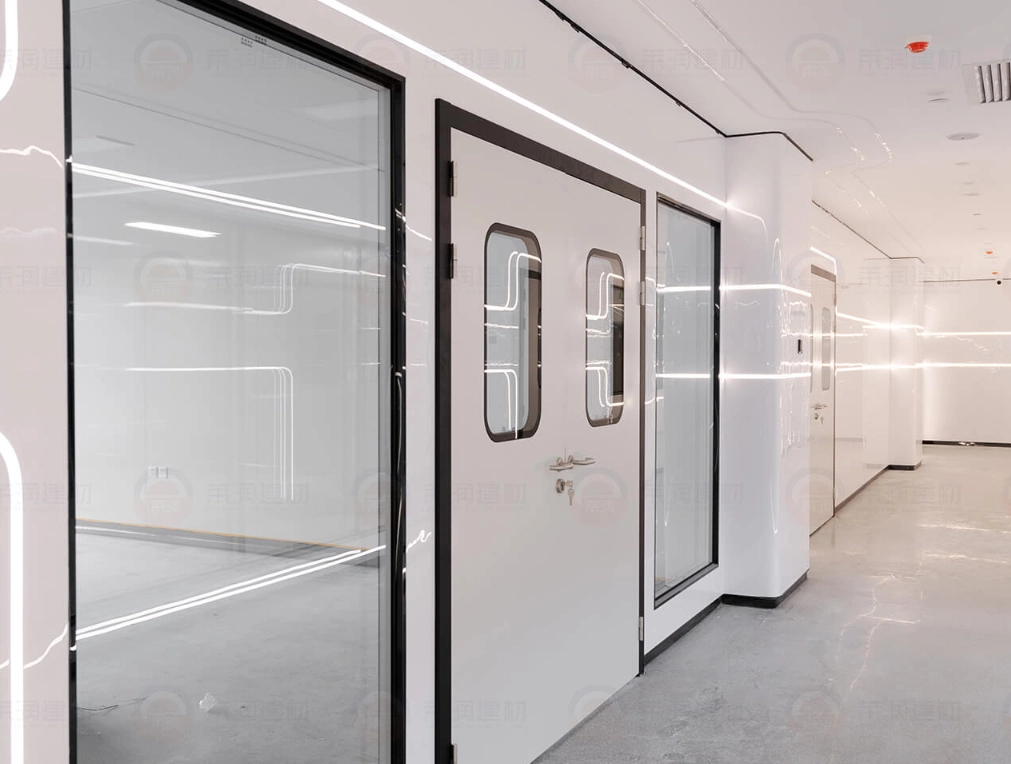
Rock Wool Panel vs. MGO Rock Wool Panel: What Is the Main Difference?
Before comparing unit prices, you need to match the panel structure with your cleanroom use. Both materials can work in cleanroom projects, but they are not selected for the same reason.
Rock Wool Panel for Fire Safety and Budget Control
A Rock wool sandwich panel is often used when you need Class A fireproof core material, sound insulation, and thermal insulation. Rock wool fibers help reduce noise transmission, and the panel suits many cleanroom partitions and ceilings.
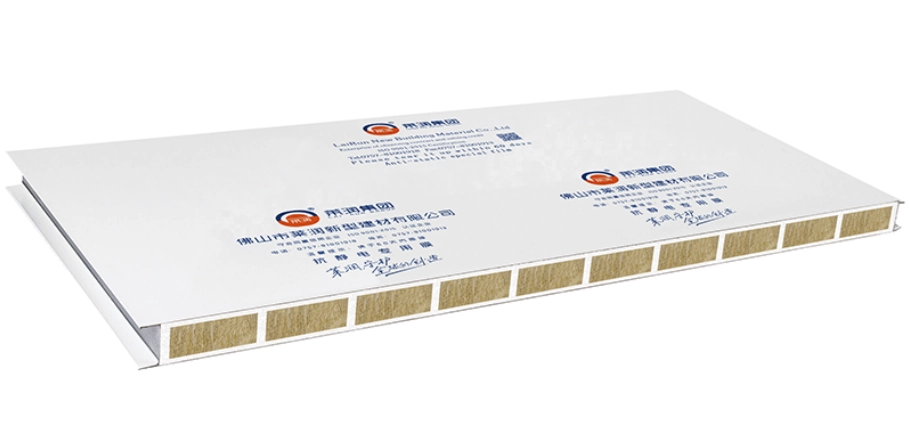
· Food processing workshops and beverage factories
· Electronics workshops and general clean production areas
· Laboratories that need fire resistance and sound control
· Projects that need a practical balance between safety and cost
Rock wool is familiar to many contractors, which can make budgeting and site coordination easier. It is also suitable for low-temperature, low-humidity, high-temperature, and high-humidity environments, an easy detail to miss during early material selection.
MGO Rock Wool Panel for Higher Wall Strength
An MGO rock wool sandwich panel combines glass magnesium board with rock wool. This structure adds wall rigidity and stronger fire-rated build while keeping the insulation and sound-control benefits of rock wool.
· Pharmaceutical workshops and hospital cleanrooms
· Biological research laboratories
· Semiconductor and electronics cleanrooms
· Clean spaces with higher fire prevention and cleanliness requirements
The material cost may be higher than basic rock wool panels. Still, it can lower project risk when your cleanroom has strict acceptance checks. Cheap materials can look fine on paper, but they may cost more during validation.
Cleanroom Compliance and Airflow Cost
Panel selection should follow the cleanroom grade, production risk, and regulatory environment. A food workshop, electronics plant, and pharmaceutical cleanroom may all use sandwich panels, but their acceptance points are different.
ISO Classification Affects More Than Panel Choice
ISO 14644 is often used to classify cleanrooms by particle cleanliness. Stricter grades usually raise HVAC load, filter demand, airflow design complexity, and overall construction cost.
| ISO Cleanroom Class | Typical Air Changes per Hour |
| ISO 8 | 10–25 ACH |
| ISO 7 | 30–60 ACH |
| ISO 5 | 240–600 ACH |
The panel price is only one part of the cleanroom budget. If joints leak, surfaces collect dust, or wall systems are hard to clean, the HVAC and validation teams may need extra work.
GMP, FDA, and EU GMP Projects Need Better Documentation
For pharmaceutical and regulated environments, GMP, FDA, and EU GMP expectations may affect wall panel choice. You should check cleanability, dust control, joint design, surface finish, and documented material performance.
· Fire test reports and material specifications
· CE, ISO9001, SGS, and other available supplier documents
· Relevant case history in cleanroom applications
· Industry-specific solution support for pharma, food, lab, healthcare, electronics, or semiconductor use
Cost Control Beyond the Panel Unit Price
B2B buyers often compare square-meter prices first. That is normal, but it is not enough. Cleanroom wall systems also include doors, windows, aluminum profiles, sealing work, packing, shipping, and installation labor.
Hidden Cost Comes From Cutting, Joints, and Rework
Rock wool panels may be better when fire safety and cost control are the main concerns. MGO rock wool panels may fit better when the project needs stronger wall build and stricter acceptance. The final choice should include site labor and rework risk.
· Extra cutting and material waste at site
· Slow installation because of poor joint planning
· Door and window mismatch
· Panel damage during handling or shipping
· Repair work before cleanroom validation
Handmade panels usually cost more than machine-made panels, but they can offer tighter seams, better sealing, easier installation, and better finish for higher-grade clean spaces.
Installation Details Should Be Checked Early
Common cleanroom installation details include male-female joints, tongue-and-groove splicing, H-shaped aluminum, Chinese aluminum, inner arc aluminum, outer arc aluminum, and ceiling support systems. These small items affect speed and sealing.
· Panel thickness, such as 50 mm, 75 mm, or 100 mm
· Customized width, length, color, and surface plate options
· Pre-opened holes or embedded conduit needs
· Door opening size and window node design
· Drawing and installation help from technical service
Long-Term Maintenance and Supplier Reliability
A cleanroom wall panel should pass installation and keep working after cleaning, pressure changes, equipment movement, and daily traffic. This is where the wrong material choice becomes expensive.
Maintenance Depends on Surface, Edges, Doors, and Windows
Cleanroom walls may be subject to repeated wiping with cleaners and disinfectants, varying levels of humidity, knocks from carts and equipment etc. It is therefore important to check scratch resistance, impact resistance, moisture resistance, edge sealing and anti-bacterial surface finishes where relevant.Matching cleanroom doors, color steel plate doors, all-steel doors, observation windows, double-glazed windows and rounded aluminum profiles for wall details.
Supplier Review Should Be Practical
Do not rely only on product photos. Ask for documents, factory details, and similar project records. A manufacturer with factory scale, automated lines, export experience, and documented cleanroom cases is easier to check than a seller with only a low price.
· Ask whether fire test reports are available.
· Check CE, ISO9001, SGS, and quality documents when provided.
· Confirm packing, shipping schedule, and after-sales process.
· Ask whether doors, windows, and aluminum accessories can be supplied together.
· Send drawings and project needs through contact LAIRUN before confirming the order.
Which Panel Should You Choose?
There is no single best panel for every cleanroom. Your choice should follow cleanroom class, fire safety needs, humidity conditions, budget, installation plan, and final inspection requirements.
Choose Rock Wool Panel When Cost and Fire Safety Both Matter
Rock wool panel is a good option for many food, beverage, electronics, and general cleanroom projects. It offers Class A fireproof material, sound insulation, thermal insulation, and a familiar installation route for contractors.
Choose MGO Rock Wool Panel When Requirements Are Stricter
MGO rock wool panel is usually preferred for projects such as pharmaceutical, healthcare, laboratory and semiconductor installations where the primary considerations are wall strength, fire-rated construction, cleaning and acceptance by the cleanroom.
FAQ
Q1: Is Rock Wool Panel Cheaper Than MGO Rock Wool Panel?
A: In many projects, yes. Rock wool panel usually supports better budget control. MGO rock wool panel may cost more, but it can reduce risk in stricter cleanrooms.
Q2: Which Panel Is Better for Pharmaceutical Cleanrooms?
A: MGO rock wool panel is often a stronger choice because pharmaceutical projects may need better wall strength, fire-rated structure, cleanability, and documentation for GMP, FDA, or EU GMP review.
Q3: Can Rock Wool Panels Be Used in Food Factories?
A: Yes. Rock wool panels are commonly used in food and beverage clean areas. You should still check joint sealing, surface cleaning, moisture conditions, and door or window matching.
