


How Should Buyers Compare Rock Wool Sandwich Panels for Fireproof, Acoustic, and Thermal Performance
Time : July 09, 2026 View : 921
A sandwich panel is not only a wall or ceiling material. For many cleanroom, cold storage, food, medical, and semiconductor projects, it decides how safe, quiet, stable, and easy-to-build the space will be. When buyers compare rock wool sandwich panels, the real question is not “which one looks good on paper.” The better question is whether the panel can control fire risk, reduce noise transfer, keep temperature more stable, and still fit the site schedule without too much cutting, waste, or rework.
Why Should Fireproof Performance Come First?
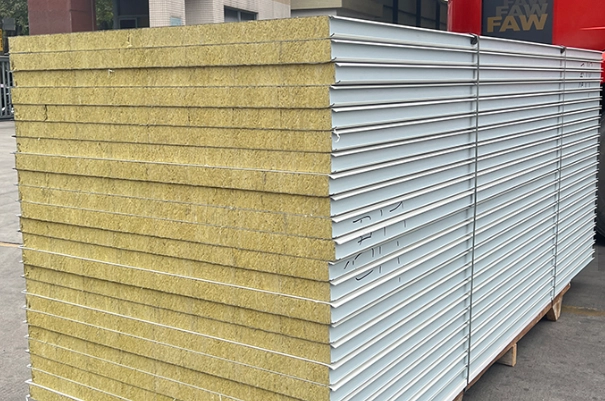
Fire safety has to be considered when buying any material for a building. Most of our customers first look into the fire safety approval of the material which is to be used in a cleanroom, food plant, laboratory or other industrial building. A slightest mistake in the material approval process can lead to a higher approval pressure, slower acceptance by approvals holders and in the long run even safety problems. A rock wool core is used in many thermal insulation systems as the core material. Rock wool is made from a basalt-based mineral material which is being melted at high temperatures and then is being spun into fibers. This natural material has a non-combustible value.
Check the Fire Grade, Not Just the Word Fireproof
The Rock wool sandwich panel from LAIRUN uses A1 fireproof rock wool, with flame retardant, sound insulation, heat insulation, and green environmental protection features. The product page also states that the material does not melt or drop during burning, and its high-temperature decomposition material is non-toxic and pollution-free.
For B2B buyers, this matters more than a nice sales sentence. You should ask:
- Is the core material Class A or A1 fireproof?
- Does the panel use stable rock wool density?
- Can the supplier provide related test reports?
- Is the surface metal suitable for your indoor environment?
LAIRUN also lists surface material choices such as galvanized steel sheet, stainless steel sheet, aluminum alloy sheet, aluminum-magnesium-manganese sheet, and inorganic pre-coated board. This helps when your project needs both fire safety and a cleaner finish.
Match Fireproof Level With the Actual Project Risk
A general warehouse and a cleanroom for medical products do not carry the same risk. For high-cleanliness spaces, the wall and ceiling system often needs better sealing, less dust buildup, and safer fire behavior. LAIRUN’s knowledge base mentions that rock wool panels are commonly used in hospitals, pharmaceutical factories, electronics factories, biological laboratories, food factories, and beverage factories.
For a food factory, rock wool is often a strong choice because it brings high-temperature resistance, Class A fireproof behavior, and better sound insulation. For a semiconductor cleanroom, fire resistance also works together with thermal stability and panel flatness. Not glamorous, but it saves many headaches during acceptance.
How Should You Compare Acoustic Performance?
Noise control is easy to ignore at the quotation stage, yet it becomes very obvious after the project starts running. Machinery, air handling systems, compressors, production lines, and people movement can all create sound transfer. A good panel cannot turn a busy factory into a library, but it can reduce unwanted noise through better core density and panel structure.
Look at Rock Wool Density and Fiber Direction
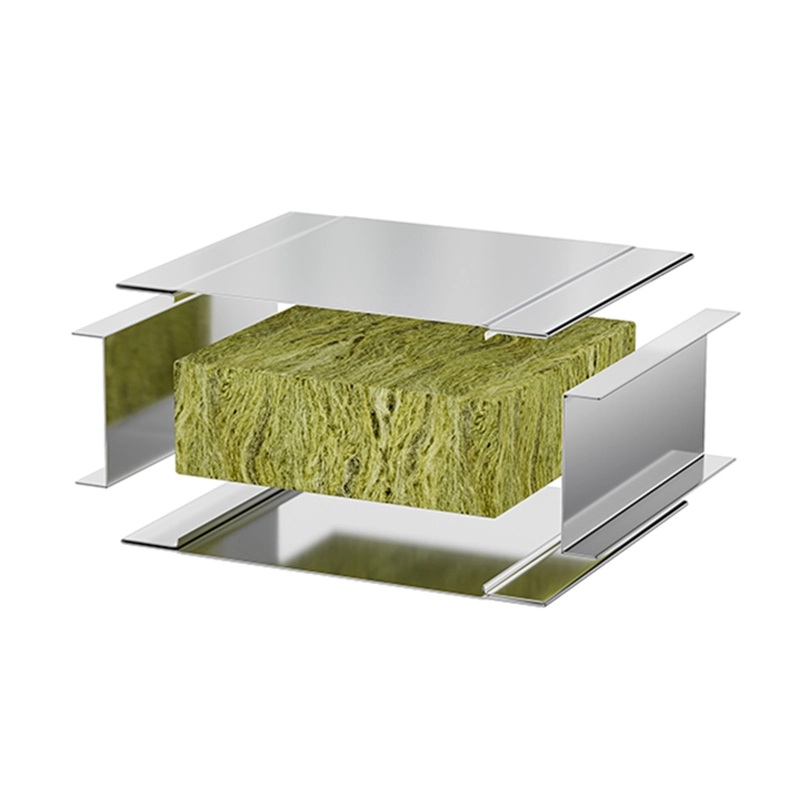
Rock wool sandwich panels reduce noise because the mineral fiber structure can absorb and weaken sound movement. LAIRUN’s product information notes that the rock wool fibers are perpendicular to the metal panel, and high-density strip-shaped rock wool is arranged in a staggered way along the panel length. This structure helps improve load-bearing capacity while also cutting noise transmission.
The product page offers rock wool density options such as 60 kg/m³, 80 kg/m³, 100 kg/m³, and 120 kg/m³, or customized density. In simple terms, higher density usually supports better strength and sound control, but it may also affect cost and weight. So the best choice is not always the highest number. It depends on your space.
Decide Where Sound Insulation Really Matters
For offices inside factories, laboratories, equipment rooms, and clean production zones, acoustic control is more than comfort. It affects communication, worker focus, and sometimes even process control. In LAIRUN’s product system, rock wool sandwich panels are described as especially suitable for spaces with high sound insulation requirements.
If your project includes noisy equipment near clean working areas, you should not only ask for a fireproof quotation. Add acoustic needs to the inquiry. A practical request can be: “Please recommend rock wool density and panel thickness for a cleanroom wall next to mechanical equipment.” That sentence gives the supplier a real condition, not just a vague price request.
What Should Buyers Know About Thermal Performance?
Thermal performance is not only about energy saving. It is also about stable production, less condensation risk, and fewer complaints after handover. A room with unstable temperature can affect raw materials, workers, machines, and hygiene control. For cold rooms, cleanrooms, and high-temperature workshops, the panel core and thickness must be chosen carefully.
Compare Thickness by Heat Load, Not by Habit
The LAIRUN product center shows cleanroom panel solutions with different core materials and thickness options. For the rock wool sandwich panel, common thickness options include 50 mm, 75 mm, 100 mm, 125 mm, 150 mm, 175 mm, and 200 mm or customized sizes. The length can be made based on user requirements, with normal length up to 6000 mm.
A 50 mm panel may work well for many clean partitions. A 100 mm or thicker panel may be better when heat control matters more. Still, thicker is not always smarter. Extra thickness can affect door details, ceiling suspension, corner treatment, transport volume, and installation cost. Buyers who only ask for the thickest panel may pay for performance they do not need.
Check the Operating Environment
LAIRUN’s knowledge base says the Type50 rock wool handmade panel is suitable for low-temperature, low-humidity, high-temperature, and high-humidity environments. That is a useful point for buyers working on food processing, cold chain storage, clean workshops, and industrial rooms with changing conditions.
Before placing an order, prepare these basic details:
- Indoor temperature range
- Humidity range
- Wall or ceiling use
- Fire rating target
- Noise control requirement
- Cleaning method
- Panel color and surface material
- Expected installation schedule
These details help the supplier recommend a practical panel build, not a random standard model.
Why Do Installation Details Affect Cost and Performance?
Many buyers compare only unit price per square meter. That is too narrow. A panel with a lower price can still cost more if it creates cutting waste, slow installation, loose joints, or poor sealing. For cleanroom and food factory projects, joint design matters because gaps can collect dust and make cleaning harder.
Tongue-and-Groove Jointing Can Save Site Time
LAIRUN’s rock wool sandwich panel uses tongue-and-groove jointing. The knowledge base also notes that tongue-and-groove connection is simple, fast, and can save labor cost in installation. For handmade panels, LAIRUN also mentions male-female splicing and Chinese aluminum connection options, so the project team can choose the structure based on wall, ceiling, and cleanroom design needs.
A faster joint system is not only about speed. It also means fewer on-site mistakes. Anyone who has managed panel installation knows this small thing: one badly cut corner can waste more time than expected, especially when workers need to wait for revised material or extra accessories.
Custom Sizes Help Reduce Waste
LAIRUN’s handmade purification panel information says length and width can be customized according to project needs, and pre-embedded conduit or pre-opened holes can be provided. This reduces construction material loss on site and keeps the finish neater. For projects where electrical routes, air outlets, windows, doors, or cleanroom accessories must match the wall layout, this is not a small benefit.
Buyers can also review actual industry usage through the case center, especially when the project has healthcare, food, chemical, or industrial requirements. Case information helps you see whether the supplier has handled similar project scale and industry details before.
How Can Supplier Capability Reduce Procurement Risk?
Product specs matter, but supplier capability decides whether those specs can be delivered on time and in stable quality. If your project is overseas, this becomes even more important. Delays, color mismatch, panel deformation, missing accessories, or unclear after-sales support can quickly turn a cheap order into an expensive problem.
Check Factory Scale and Quality Control
LAIRUN is located in Foshan, China, with a 38,000 square meter factory area, high-automation production lines, and a daily output of 25,000 square meters. Its company information also mentions more than 25 years of cleanroom sandwich panel R&D experience, nine patents, and exports to more than 30 countries.
The company’s product system covers rock wool, glass magnesium, magnesium oxysulfide, medical-grade panels, doors, windows, and cleanroom accessories. This is useful when you need a full cleanroom wall and ceiling package rather than only loose panels. For project planning, the solution center can help match panels with fire resistance, soundproofing, heat insulation, and cleanroom use.
Ask for Technical Support Before Final Ordering
A good inquiry should not stop at price. Ask about panel thickness, density, metal surface, joint type, accessories, packing, loading plan, and after-sales terms. LAIRUN’s service page includes quality assurance, after-sale warranty, and technical support, which are important for cross-border buyers who need clear communication before shipment.
For a serious order, send drawings, room function, temperature target, humidity data, and installation plan. If you are not sure which panel suits your project, contact the supplier through the contact us page and ask for a material recommendation. A careful early discussion usually costs less than a site correction later.
FAQ
Q1: Is Rock Wool Sandwich Panel Better for Fireproof Projects?
A: Yes, rock wool sandwich panel is a strong choice for fireproof projects because the rock wool core is non-combustible and suitable for spaces with high fire safety requirements. For cleanrooms, food factories, and industrial buildings, A1 fireproof rock wool can reduce risk and support safer wall and ceiling construction.
Q2: What Rock Wool Density Should You Choose?
A: Common density options include 60 kg/m³, 80 kg/m³, 100 kg/m³, and 120 kg/m³. A higher density can improve strength and acoustic performance, but it may also increase cost and weight. You should choose density based on fire rating, wall height, noise level, and installation structure.
Q3: Can Rock Wool Sandwich Panels Reduce Noise?
A: Yes. Rock wool fibers help reduce sound transmission, especially when the panel uses a high-density core and stable composite structure. This makes it suitable for equipment rooms, factories, laboratories, and clean areas that need better acoustic control.
Q4: Which Thickness Is Better for Thermal Performance?
A: It depends on the room temperature, heat load, and building use. A 50 mm panel can work for many cleanroom partitions, while 75 mm, 100 mm, or thicker panels may be better for stronger insulation needs. For cold storage or high-temperature areas, project data should guide the final thickness.
