


What Makes Paper Honeycomb Core a Better Option for Lightweight Cleanroom Panels?
Time : July 16, 2026 View : 891
Lightweight cleanroom construction is not only about using thinner materials. It is about controlling weight, installation speed, sealing quality, panel flatness, and project cost at the same time. For many cleanroom walls and ceilings, a heavy panel is not always the best answer. A paper honeycomb core can offer a practical middle ground, especially when your project needs clean surfaces, easy handling, stable structure, and faster site work.
For buyers working on electronics, food processing, laboratories, healthcare spaces, or daily chemical production areas, the main concern is simple: the panel must fit the cleanroom requirement without making installation slow or expensive. That is why the Thick paper honeycomb sandwich panel is worth comparing with heavier core options before you place a bulk order.
Why Does Core Weight Matter in Cleanroom Panel Selection?
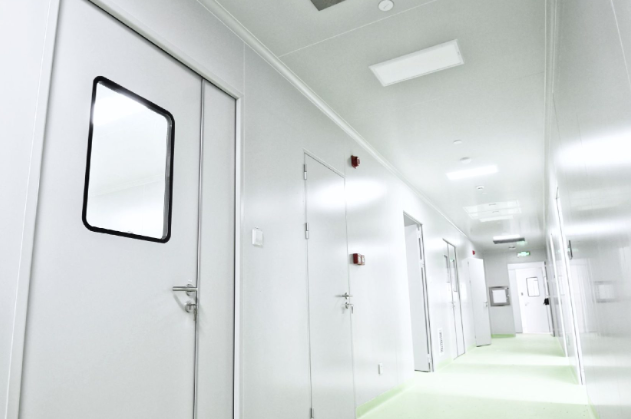
Panel weight affects almost every step of a cleanroom project. It changes how fast workers move panels, how much pressure goes to the building structure, how easy ceiling work becomes, and how many small damages happen during installation. In real projects, this often matters more than it looks on paper.
Lower Structural Burden
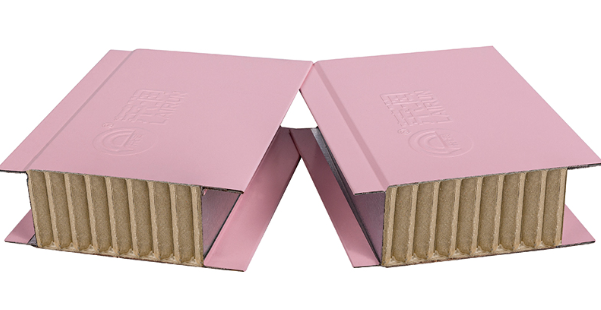
A paper honeycomb core uses a cell-like internal structure to support the panel surface with less material weight. This makes it suitable for interior partitions, ceiling panels, and cleanroom areas where heavy impact is not the main design risk.
Lower dead load can help when your project has:
- Large partition wall areas
- Ceiling panel layouts
- Renovation work in existing buildings
- Fast-fit cleanroom projects
- Multi-room layouts with repeated panel sizes
It also helps reduce pressure on frames, hangers, and support systems. Not a fancy point, but site engineers care about it.
Easier Panel Handling
Heavy panels slow down workers. They also raise the risk of edge dents, surface scratches, and poor joint alignment. Paper honeycomb panels are easier to lift, move, and position, especially when the project has many repeated wall sections.
For export buyers, easier handling can also mean fewer complaints from installers. A panel that looks good in the container still needs to perform well on site.
Faster Installation Flow
Cleanroom schedules are often tight. A lighter sandwich panel can make cutting, positioning, and joint work more efficient. LAIRUN’s cleanroom panel system supports different connection methods, including tongue-and-groove joints and aluminum profile systems. These details matter because cleanroom walls are not just flat boards. They must connect cleanly, seal well, and leave fewer dust-trapping gaps.
How Does Paper Honeycomb Core Work Inside a Sandwich Panel?
A sandwich panel is made from surface sheets, adhesive layers, and a core material. The surface gives clean appearance and protection. The core gives thickness, support, and basic performance. The better the balance between those parts, the more stable the finished panel feels.
In the LAIRUN product center, paper honeycomb is listed alongside other core options such as rock wool, glass magnesium rock wool, magnesium oxysulfide, aluminum honeycomb, phenolic materials, and polyurethane. That gives buyers more room to match performance with budget and project risk.
Honeycomb Load Distribution
The honeycomb structure spreads pressure across many small cells. This helps the panel keep shape while reducing core weight. It is not designed to replace heavy-duty rock wool or glass magnesium panels in every setting, but it works well when you need a flat, clean, lightweight partition.
For cleanroom buyers, this is useful when the main needs are:
- Neat wall appearance
- Lower panel weight
- Easier transportation
- Stable indoor partition performance
- Faster project installation
Clean Surface Compatibility
Cleanroom panels need smooth surfaces because dust, moisture, and bacteria can hide around uneven joints or damaged edges. A paper honeycomb core can be paired with clean surface materials to form a practical wall or ceiling panel.
When checking a sample, do not only press the middle of the panel. Also check the edge, corner, joint position, surface flatness, and color consistency. These small things decide whether the final cleanroom looks professional after installation.
Balanced Cost and Function
Some projects do not need the highest fireproof core in every room. A food factory office corridor, electronics auxiliary room, or general clean partition may need a lighter and more cost-friendly panel. Paper honeycomb core fits these cases better than many buyers first expect.
That said, if your project has strict fire ratings, high humidity, heavy machinery vibration, or strong acoustic requirements, you should compare other core materials before confirming the order.
Where Is Paper Honeycomb Sandwich Panel a Good Fit?
The right panel is not the most expensive one. It is the one that fits the room function. In cleanroom projects, different areas often need different core materials. A smart buyer will not use one panel type for every wall unless the specification clearly supports it.
LAIRUN cleanroom panels are widely used in electronics, semiconductors, biopharmaceuticals, research laboratories, hospitals, medical devices, health products, food, and daily chemical production. That wide application base is helpful when you need one supplier to discuss different rooms in the same project.
Electronics and Semiconductor Support Areas
Electronics and semiconductor projects need clean surfaces, stable dimensions, and tidy installation. Paper honeycomb panels can be used in support areas where lightweight partitioning is more important than extreme fire or sound performance.
For higher-grade production zones, you may still need to compare rock wool, glass magnesium rock wool, or magnesium oxysulfide options. Many semiconductor projects use different panels across corridors, clean areas, and supporting rooms. This is normal.
Food and Daily Chemical Plants
Food and daily chemical factories care about clean surfaces, easy maintenance, and quick room division. Paper honeycomb panels can support office-cleanroom transitions, auxiliary rooms, packaging-related areas, and controlled spaces with moderate performance needs.
For wet zones or high-temperature cleaning areas, confirm the humidity and cleaning method first. A low-cost choice may become expensive later if the room condition is wrong.
Laboratories and Healthcare Support Rooms
Laboratories and healthcare projects often need a clean look, quick installation, and stable panel supply. For non-critical areas, lightweight panels can reduce the burden of interior construction. For rooms with stricter antibacterial, fireproof, acid and alkali, or moisture requirements, you should ask for matched panel recommendations through the LAIRUN solution center
Paper Honeycomb vs Other Cleanroom Core Materials
Paper honeycomb core is not a “one panel solves all problems” material. It is better to compare it honestly. Buyers trust clear limits more than over-selling.
Paper Honeycomb vs Rock Wool
Rock wool is usually selected when fire performance and sound insulation are major concerns. LAIRUN’s rock wool panel information also mentions density options and strong noise reduction value. This makes rock wool a better choice for areas with higher fire and acoustic demands.
Paper honeycomb is better when your priority is lightweight construction, easier handling, and cost control for general cleanroom partitions.
Paper Honeycomb vs Magnesium Oxysulfide
Magnesium oxysulfide panels are often chosen for stability, fire resistance, and better performance in selected controlled environments. LAIRUN has developed magnesium oxysulfide core products and promotes them for projects that need stronger insulation, durability, and fireproofing.
Paper honeycomb is a simpler choice for lightweight wall and ceiling systems where the project does not need the same high-performance core.
Paper Honeycomb vs Aluminum Honeycomb
Aluminum honeycomb offers strong structural value and better moisture resistance in many settings, but it often comes with a higher material cost. Paper honeycomb can be a more budget-friendly option when the room condition is suitable.
This is why buyers should compare not only unit price, but also installation cost, room type, maintenance needs, and future replacement risk.
What Should You Check Before Ordering Lightweight Cleanroom Panels?
A good inquiry should not only ask for price. Price without specification is almost meaningless in cleanroom projects. Two panels can look similar but perform very differently after six months.
Before confirming an order, check the supplier’s product range, production capacity, customization ability, and support for drawings or installation details. You can also review actual project experience through the LAIRUN case center.
Thickness and Width Options
Common cleanroom panel thickness options include 50mm, 75mm, and 100mm. Some tongue-and-groove panels use a standard width around 1150mm, while other handmade panel systems support customized widths and lengths based on project needs.
Ask these questions early:
- What thickness fits the wall height?
- What width reduces cutting loss?
- What panel length suits container loading?
- What joint system matches the site method?
- What color and surface finish are available?
Small details, big cost difference. That is how cleanroom projects often work.
Joint and Edge Design
Cleanroom panel joints affect sealing, installation speed, and final appearance. Tongue-and-groove joints can help speed up assembly. Aluminum profile connections can create cleaner alignment in some room layouts.
For lightweight paper honeycomb panels, edge treatment is especially important. The core may be light, but the edge still needs enough strength for handling, fixing, and long-term use.
Supplier Production Stability
LAIRUN has a 38,000 square meter production base, multiple automated production lines, and a stated daily output of 25,000 square meters. For overseas buyers, this production scale matters because delayed panel delivery can stop the whole cleanroom schedule.
The company also provides cleanroom panels for more than 30 countries and serves industries such as electronics, healthcare, biopharmaceuticals, and food production. For a global buyer, that experience can reduce communication risk.
Why Choose LAIRUN for Paper Honeycomb Cleanroom Panel Projects?
LAIRUN should not appear in your selection just because it makes many panels. The stronger reason is that it offers a wide cleanroom panel system, project matching support, and different core material options from one source.
If you are comparing lightweight panels with higher-grade core materials, LAIRUN can help you match paper honeycomb with rock wool, glass magnesium, magnesium oxysulfide, or other cleanroom panel types. This makes the selection more practical, especially for projects with different rooms and different performance levels.
Wide Product System
LAIRUN supplies handmade panels, machine-made panels, and combined cleanroom panel systems. Its optional core materials include paper honeycomb, aluminum honeycomb, rock wool, glass magnesium rock wool, magnesium oxysulfide, polyurethane, and other materials.
This product range helps you avoid forcing one material into every room.
Quality and Testing Focus
The company materials mention strict panel inspection, quality systems, and product testing support. For cleanroom buyers, this is not just paperwork. It helps control batch consistency, surface quality, and installation reliability.
When asking for samples, request panel size, thickness, core material, surface sheet, joint method, and packing method together. A clear sample request saves a lot of back-and-forth.
Project Service Support
For overseas cleanroom projects, communication speed matters. LAIRUN provides service support from product planning to manufacturing and after-sales follow-up. You can start with the LAIRUN service page or send your project details through the contact page.
A useful inquiry should include room type, panel thickness, wall height, ceiling requirement, fire rating needs, humidity range, surface material preference, quantity, and destination port. The more exact your information is, the more accurate the quotation will be.
FAQ
Q1: Is Paper Honeycomb Core Suitable for All Cleanroom Areas?
A: No. It is suitable for lightweight partitions, ceilings, and cleanroom support areas with moderate performance needs. For strict fireproof, high humidity, or heavy impact areas, compare rock wool, glass magnesium rock wool, or magnesium oxysulfide panels first.
Q2: What Is the Main Advantage of a Paper Honeycomb Sandwich Panel?
A: Its main advantage is lightweight structure. It can reduce handling difficulty, speed up installation, and lower structural burden while keeping a clean panel surface.
Q3: Can Paper Honeycomb Panels Be Customized?
A: Yes. Cleanroom sandwich panels can usually be customized by thickness, length, width, color, surface material, and joint method. Project drawings should be checked before final production.
Q4: How Should You Compare Paper Honeycomb With Rock Wool Panels?
A: Choose paper honeycomb when weight and cost control are the main concerns. Choose rock wool when fire resistance, sound insulation, and higher safety requirements are more important.
Q5: How Can You Start a Cleanroom Panel Inquiry With LAIRUN?
A: Prepare your room type, panel size, required thickness, core material preference, joint method, quantity, and delivery destination. Then contact LAIRUN with those details so the quotation can match the real project.
