



How Do Hollow Magnesium Sandwich Panels Improve Cleanroom Durability and Installation Speed
Time : July 23, 2026 View : 800
Cleanroom wall and ceiling materials carry a lot more pressure than many buyers first expect. They need to stay flat, resist fire, reduce dust traps, handle cleaning work, and still install quickly enough to keep the site schedule under control. If the panel has weak strength or poor joint design, the problem often appears later: uneven ceiling boards, rough seams, dust buildup, surface aging, or extra labor cost.
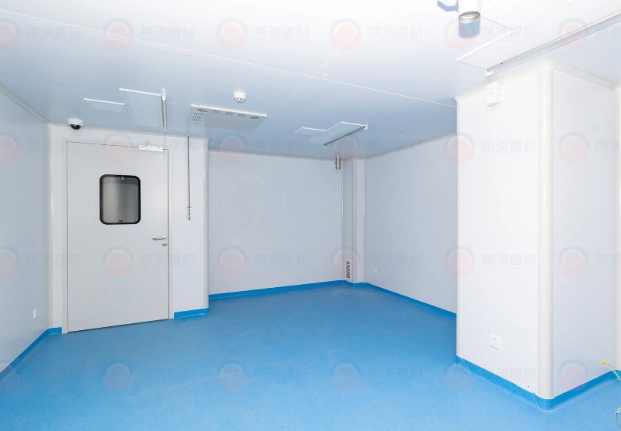
That is why hollow magnesium sandwich panels are becoming a practical choice for cleanroom projects. They are not just “another fireproof board.” They solve several common site problems at the same time, especially in laboratories, healthcare spaces, electronics workshops, semiconductor facilities, food plants, and daily chemical production areas.
Why Does Panel Durability Matter So Much in Cleanroom Projects
Durability in a cleanroom is not only about how long a panel can stand on the wall. It also means whether the panel surface stays clean, whether joints remain stable, whether the board can resist moisture and corrosion, and whether the ceiling system can keep a good shape after installation.
Cleanrooms Need Materials That Can Take Daily Use
Cleanroom panels are cleaned often. Some areas also face humidity, disinfectant, equipment vibration, air pressure changes, and frequent staff movement. A weak panel may look fine at delivery, then slowly show stains, waves, dents, or loose edges.
A Hollow core MGO sandwich panel is made for these harder working spaces. Its surface can be coated with antibacterial and antistatic polyester resin, fluorocarbon resin, or silicone resin. Surface metal options include galvanized steel sheet, 304 stainless steel, aluminum magnesium manganese alloy, aluminum plate, and inorganic pre coated board.
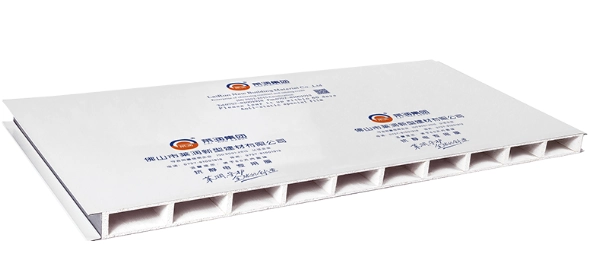
For buyers, this gives more freedom. A food workshop may care more about cleaning and corrosion resistance. A semiconductor cleanroom may need antistatic performance. A laboratory may care about fire resistance, surface strength, and acid and alkali resistance.
MGO Helps Reduce Long Term Material Risk
MGO panels are valued because they are fire resistant, strong, and cleaner than many common partition materials. The hollow magnesium structure also brings practical benefits such as sound insulation, heat insulation, high strength, easy installation, no halogen return, corrosion resistance, explosion resistance, high temperature resistance, aging resistance, and better durability.
The “no halogen return” point may sound technical, but site managers know why it matters. Halogen return can lead to surface issues, metal corrosion, moisture marks, or poor appearance. Nobody wants to argue about this after the ceiling is already installed.
How Does Hollow Core Design Improve Strength
The hollow structure is not only used to reduce weight. Its internal spacing, connection method, and board composition all affect panel strength. In cleanroom ceilings, this detail is especially important because panels must stay firm and neat after lifting, fixing, and long term use.
95mm Hollow Spacing Gives Better Support
LAIRUN improved the structure of its steel purification glass magnesium sandwich panel by reducing the hollow section spacing from 150mm to 95mm. This smaller spacing helps solve a common problem in the industry: insufficient strength for ceiling installation.
It is a very specific improvement. Not fancy wording, just a real structural change. When the hollow distance is smaller, the support points become denser, and the panel can better resist deformation. For ceiling projects, this can reduce the risk of waves, sagging, or unstable board surfaces.
Tenon Interlocking Helps the Core Stay Stable
The core material uses a male and female tenon interlocking connection method for head and tail joints. After more than four years of usage testing, the structure has helped solve problems such as halogen return, surface wrinkling, and uneven waves.
This matters when you compare suppliers. A cheaper hollow panel may look similar in photos and catalogs, but the internal joint design can be very different. Ask about spacing, joint method, testing time, and ceiling strength before placing the order. It saves trouble later, really.
How Do Hollow Magnesium Sandwich Panels Speed Up Installation
Installation speed is a big topic in cleanroom construction. A delayed panel job can slow down doors, windows, ceiling systems, equipment entry, and final testing. Fast installation is not only about using more workers. It also depends on whether the panel design is easy to align and fix.
Tongue and Groove Jointing Reduces Site Work
The product uses tongue and groove jointing. This mounting structure helps panels connect more cleanly and quickly. Compared with rough cutting and complicated site adjustment, a tongue and groove system is more friendly to installers and gives better seam control.
The knowledge base also mentions that tongue and groove panels can support faster installation and lower labor pressure. In some cleanroom projects, this kind of design can save significant labor cost because the panels snap together more easily and need less on site correction.
Custom Lengths Reduce Cutting Waste
The panel length can be made according to project requirements, normally within 6000mm. Effective widths include 1150mm and 950mm. Thickness can be 50mm, 75mm, 100mm, 125mm, 150mm, 175mm, 200mm, or customized.
This is useful for overseas projects because local labor cost is often high. If the panels arrive closer to the drawing size, site cutting is reduced. Less cutting means less waste, less dust, fewer mistakes, and a cleaner installation process. Simple point, but project people care about it.
Where Can Hollow Magnesium Panels Be Used
Not every cleanroom needs the same panel. Some rooms need stronger fire performance. Some need antibacterial surfaces. Some need antistatic coating. Others care more about moisture, corrosion, or fast delivery. The good thing about hollow magnesium panels is that they cover many of these concerns in one system.
Suitable Spaces for High Cleanliness Requirements
According to LAIRUN’s product center, cleanroom panel systems are used for wall and ceiling construction in controlled spaces. Hollow magnesium sandwich panels are suitable for indoor partitions and ceilings with high cleanliness requirements, such as laboratories, electronics factories, food factories, beverage factories, daily chemical factories, healthcare spaces, and related clean production areas.
Its main application keywords are clear:
Moistureproof
Anticorrosive
Radiation protection
Fire prevention
Sound insulation
Heat insulation
Easy cleaning
Antibacterial surface
Fast installation
These are not small decorative benefits. They are directly linked to daily operation and later maintenance.
Real Project Experience Builds Buyer Confidence
The product page lists related project cases, including laboratory and healthcare projects with 40,000 square meters of project area. LAIRUN’s case center also shows applications across new energy, electronic technology, semiconductor, food, daily chemical, healthcare, and research spaces.
For B2B buyers, this kind of project background is useful. A panel used only in small rooms is one thing. A panel used in large cleanroom projects is another. Large projects test supply speed, packaging, installation support, size control, and after sales response.
Why Choose LAIRUN for Hollow Magnesium Sandwich Panels
Supplier capability should be checked together with product data. A good panel still needs stable manufacturing, strict quality checking, and a team that can answer project questions quickly. Cleanroom construction is not the place for vague answers.
Factory Strength and Product System
LAIRUN is located in Nanhai National Eco Industrial Park, Foshan, Guangdong Province, China. The company covers 38,000 square meters and has eight high automation production lines, with daily output of 25,000 square meters. Its company profile also mentions over 25 years of cleanroom sandwich panel R&D experience from the founder and team, plus nine patents for products and equipment.
LAIRUN’s product range includes medical grade rock wool, glass magnesium, magnesium oxysulfide, and glass magnesium rock wool panels. This matters because many buyers need more than one panel type in the same project. A supplier with a wider cleanroom panel system can help you match different rooms with different materials.
Service Support for Global Projects
LAIRUN products have been exported to more than 30 countries, including markets in America, Europe, Australia, the Middle East, Southeast Asia, and Africa. The company’s service page covers quality assurance, after sales warranty, and technical support.
Before ordering, you can check these points with the supplier:
Required panel thickness and width
Surface metal and coating type
Antibacterial or antistatic needs
Joint structure and installation drawings
Fire resistance and corrosion resistance needs
Packing method for export shipping
Delivery time for the full project quantity
For a larger project, it is also worth sending drawings early. Small drawing changes can affect panel length, accessory quantity, ceiling layout, door opening, and corner treatment.
How Should You Choose the Right Hollow Magnesium Sandwich Panel
Choosing the right panel is mostly about matching the room conditions. A single cleanroom project may include corridors, production rooms, buffer rooms, ceilings, equipment areas, and storage areas. Each area may need a slightly different specification.
Match Surface Material to Cleaning and Corrosion Risk
If the space needs frequent cleaning or stronger corrosion resistance, stainless steel or inorganic pre coated board may be suitable. If the project needs a standard cleanroom finish with controlled cost, galvanized steel sheet with proper surface coating can work well.
Antibacterial and antistatic coating should be considered when the room handles sensitive products, electronics, or strict hygiene control. It is better to confirm this before production, not after delivery.
Match Thickness to Strength and Budget
A 50mm panel can fit many standard partition jobs. For stronger ceilings, higher insulation needs, or special project requirements, thicker panels such as 75mm, 100mm, or above may be better. Since the product supports customized thickness up to 200mm, buyers can discuss project needs instead of forcing one standard size everywhere.
FAQ
Q1: What Makes Hollow Magnesium Sandwich Panels Durable?
A: Their durability comes from MGO board structure, antibacterial and antistatic surface coating, corrosion resistance, no halogen return, high strength, aging resistance, and improved hollow spacing from 150mm to 95mm.
Q2: Can Hollow Magnesium Sandwich Panels Be Used for Cleanroom Ceilings?
A: Yes. The 95mm hollow spacing and tenon interlocking core structure help solve the problem of insufficient ceiling strength, making the panel suitable for cleanroom ceiling and partition applications.
Q3: What Thickness Options Are Available?
A: Common thickness options include 50mm, 75mm, 100mm, 125mm, 150mm, 175mm, and 200mm. Custom thickness can also be discussed according to the project.
Q4: How Does Tongue and Groove Jointing Help Installation?
A: Tongue and groove jointing helps panels connect faster and more neatly. It reduces site adjustment, improves seam control, and can lower labor pressure during cleanroom construction.
Q5: Which Industries Can Use Hollow Core MGO Sandwich Panels?
A: They can be used in laboratories, electronics factories, semiconductor facilities, healthcare spaces, food plants, beverage factories, daily chemical factories, and other clean production areas that need fire resistance, hygiene, and stable installation.
