

Why Do High Risk Cleanroom Projects Prefer MGO Rock Wool Sandwich Panels
Time : July 24, 2026 View : 750
High risk cleanroom projects do not leave much room for weak wall materials. A small gap, unstable panel core, poor fire rating, or rough installation joint can later turn into air leakage, dust buildup, heat loss, noise problems, or worse, a safety issue during operation. For buyers working on laboratories, electronics workshops, food plants, healthcare facilities, and new energy production areas, wall and ceiling panels are not just decoration materials. They are part of the safety system.
That is why MGO rock wool sandwich panels are getting more attention. They combine fire resistance, insulation, cleanroom sealing, sound control, and stronger panel structure in one wall system. When a project has strict fire safety and cleanliness targets, this panel type gives you a safer middle ground between cost, performance, and long term use.
What Makes High Risk Cleanrooms Different from Ordinary Workshops
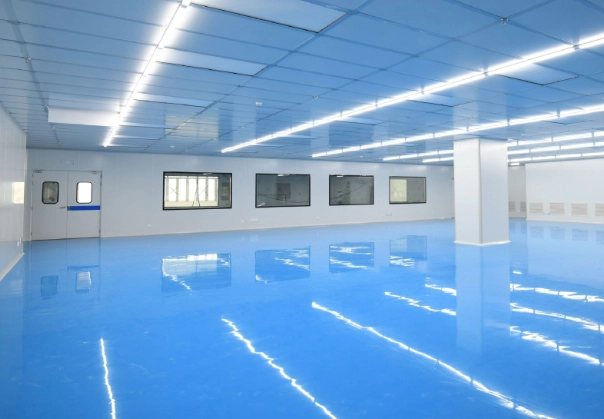
A cleanroom is judged by more than how clean it looks on the first day. The real test comes after equipment starts running, people move in and out, doors open all day, and cleaning happens again and again. In high risk spaces, the wall panel must handle pressure from both the environment and daily operation.
Fire Risk and Material Stability
Fire rating matters more in cleanrooms because many projects contain expensive equipment, electrical systems, process lines, storage zones, or temperature sensitive materials. A panel with weak core material may burn, deform, drip, smoke, or spread heat too fast.
The MGO rock wool sandwich panel uses A1 grade non combustible rock wool core material. According to the product data, the rock wool sandwich panel can resist temperatures above 1000°C, and the 50mm thick panel reaches 74 minutes of fire protection. For procurement teams, this number is easier to evaluate than a vague “fireproof” claim.
Clean Surface and Tight Joint Control
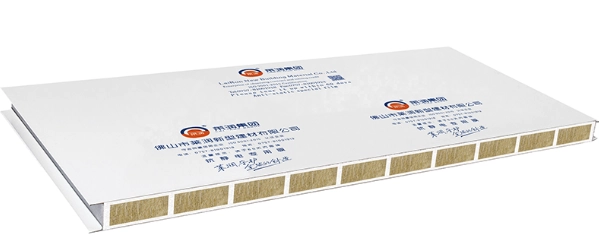
Cleanrooms need fewer dust traps. Wide seams, uneven joints, and rough cutting edges cause trouble during later cleaning. The tongue and groove jointing structure helps the panels connect more neatly, while also making installation faster. It is a small detail, but on a large project, small details decide whether the wall system feels professional or patched together.
Why Do MGO and Rock Wool Work Well Together
A single material rarely solves every cleanroom problem. Rock wool is known for fire resistance, sound control, and thermal insulation. MGO board adds a firm, fire resistant surface layer and improves the panel’s overall stability. When these two materials are combined, the panel becomes more suitable for demanding indoor partitions and ceiling systems.
Vertical Rock Wool Fiber Structure
The product page notes that the rock wool fibers are perpendicular to the metal panel. High density strip rock wool is also staggered along the panel length. This structure helps the panel gain better load bearing capacity, instead of acting like a soft filler inside two sheets.
For your project, this means the wall panel is not only judged by fire data. It also needs to stay firm during transport, lifting, cutting, jointing, and daily operation. A panel that bends too easily can slow the whole site down.
Multiple Thickness and Density Choices
Not every cleanroom needs the same panel thickness. This product can be supplied in 50mm, 75mm, 100mm, 125mm, 150mm, 175mm, 200mm, or customized thickness. Rock wool density options include 60kg/m³, 80kg/m³, 100kg/m³, and 120kg/m³.
In real purchasing work, this helps a lot. A ceiling area may need different strength from a partition wall. A fire separation zone may need a different thickness from a general corridor. Instead of using one panel for everything, you can match the material to the area.
How Does This Panel Solve Common Buyer Concerns
Most B2B buyers are not only asking whether a panel is “good.” They are asking whether it will reduce project risk. Late delivery, hard installation, poor sealing, weak strength, and unclear technical support all cost money. Sometimes the panel price is not the biggest issue. The hidden cost is.
Faster Installation with Tongue and Groove Jointing
The tongue and groove structure helps installers align panels faster and with cleaner joints. Knowledge base material also mentions that this connection style can support faster setup and lower labor pressure on site. For large cleanroom areas, even a small reduction in installation time can make a difference.
A few site teams will still cut corners if the panel system is complicated. That is not ideal, but it happens. A simpler jointing system reduces that chance.
Better Sound and Heat Control
High risk cleanrooms often contain fans, equipment rooms, HVAC systems, production lines, or testing instruments. Noise and heat transfer can affect staff comfort and process stability. The MGO rock wool structure gives both sound insulation and thermal insulation. The official product page also states that the sound insulation effect meets ISO717/82 and UNI18270/7 standards.
For food factories, laboratories, and electronics workshops, this is not a bonus feature. It helps create a more stable working environment.
Custom Size and Surface Options
The panel offers effective widths of 1150mm and 950mm, and the length can be made according to project requirements, normally within 6000mm. Surface metal options include galvanized steel sheet, stainless steel sheet, aluminum alloy sheet, aluminum magnesium manganese sheet, and inorganic pre coated board. Color can also be customized.
This matters for overseas buyers because project drawings are rarely “standard.” A supplier that can discuss length, thickness, density, color, surface sheet, and joint structure saves your team from too much rework.
Where Is This Panel More Suitable
The product center shows that cleanroom panel systems are used across several controlled environments. The MGO rock wool type is especially suitable when fire prevention, cleanliness, sound insulation, and heat insulation must be considered together.
Electronics and Semiconductor Cleanrooms
Electronics and semiconductor spaces are sensitive to dust, static, temperature changes, and material stability. Knowledge base project information mentions the use of 50mm rock wool handmade panels and 100mm glass magnesium rock wool handmade panels in a semiconductor cleanroom project, with 0.476mm color coated steel plates used for the top and bottom panels.
That kind of detail is useful for buyers. It shows that panel selection is not only about the core. Steel sheet thickness, surface durability, and joint performance also matter.
Food and Daily Chemical Production Areas
Food and daily chemical facilities need panels that are easy to clean, moisture resistant, mold resistant, and fire safe. MGO rock wool panels help reduce dust buildup through tighter jointing, while the rock wool core supports Class A fire performance and sound control. For a factory where cleaning teams work every day, smooth joints are not a luxury.
Laboratories and Healthcare Related Spaces
Laboratories and healthcare spaces usually ask for clean surfaces, fire rated materials, stable partitions, and good installation finish. LAIRUN’s case center includes large scale project examples in laboratory and healthcare related applications, including 40,000㎡ class projects. These examples matter because cleanroom materials should be proven on real job sites, not only in catalog language.
Why Should Supplier Capability Be Checked Before Ordering
Even a strong panel design can fail if production control is weak. For foreign trade buyers, the supplier side is just as important as the panel side. You need stable output, technical documents, fast response, and after sales help, especially when the project is far from the factory.
Production Scale and Quality Control
LAIRUN is located in Nanhai National Eco Industrial Park, Foshan, China. The company covers 38,000 square meters, with eight high automation production lines, daily output of 25,000 square meters, and a reported annual production value of 400 million RMB. The company profile also states that its founder has over 25 years of cleanroom sandwich panel R&D experience, and the company has secured nine patents for products and equipment.
These numbers do not automatically make every project simple. Still, they are a good starting point when you compare suppliers for large volume cleanroom work.
Technical Support and Project Service
Cleanroom projects often need material selection, shop drawing discussion, installation guidance, and after sales support. LAIRUN’s service page lists customized solutions, installation support, after sales service, and technical support. For overseas buyers, this is important because questions usually appear after the order is placed, not before.
A practical checklist before ordering:
Check the required fire rating and panel thickness
Confirm rock wool density and surface metal type
Ask for joint structure details
Review drawing based length and cutting needs
Confirm packaging and delivery plan
Ask whether installation videos or guidance are available
How to Choose the Right MGO Rock Wool Sandwich Panel
The best panel is not always the thickest or most expensive one. The best choice is the one that matches the room risk, installation method, cleaning routine, and budget.
Match Thickness to Risk Level
For general clean partitions, 50mm may be enough. For higher fire resistance, stronger wall sections, or ceiling areas with stricter stability needs, 75mm or 100mm can be considered. If a special space needs more insulation or strength, customized thickness may be more suitable.
Match Surface Metal to Use Conditions
Galvanized steel is common for many cleanroom wall systems. Stainless steel may fit areas with stronger cleaning or corrosion concerns. Inorganic pre coated boards can be considered for clean and durable wall surfaces. The right choice depends on chemicals, humidity, cleaning frequency, and visual requirements.
Match the Supplier to the Project Size
If the project is small, product quality and communication speed may be the main concern. If it is a large factory or public facility, production capacity becomes more important. A supplier with 25,000㎡ daily output and experience in different cleanroom industries gives buyers more room when schedules are tight.
FAQ
Q1: Why Are MGO Rock Wool Sandwich Panels Good for High Risk Cleanrooms?
A: They combine A1 non combustible rock wool, MGO fire resistant boards, tongue and groove jointing, sound insulation, heat insulation, and stronger panel structure. This makes them suitable for cleanrooms that need both safety and cleanliness.
Q2: What Is the Fire Protection Time of a 50mm MGO Rock Wool Sandwich Panel?
A: According to the product data, the 50mm thick panel reaches 74 minutes of fire protection, and the rock wool core can resist temperatures above 1000°C.
Q3: Can the Panel Size Be Customized for Different Cleanroom Projects?
A: Yes. The panel offers 1150mm and 950mm effective widths, multiple thickness options from 50mm to 200mm, and project based length customization, normally within 6000mm.
Q4: Is This Panel Suitable for Food Factories and Laboratories?
A: Yes. It is suitable for cleanroom walls and ceilings where fire prevention, hygiene, moisture resistance, sound insulation, and heat insulation are important. Food factories, laboratories, electronics workshops, and healthcare spaces can all consider this panel type.
Q5: How Should Buyers Choose the Right Panel Specification?
A: Start with fire rating, room function, cleaning frequency, wall or ceiling use, panel thickness, rock wool density, surface metal type, and joint structure. For high risk areas, do not choose only by price. A stable panel system can reduce later repair and installation problems.
