



Hollow Magnesium Sandwich Panel Selection for Lightweight Cleanroom Partitions
Time : August 28, 2026 View : 444
Lightweight cleanroom partitions are useful only when the wall can still carry the doors, windows, service penetrations, and mounted accessories required by the room. Hollow magnesium sandwich panels can reduce handling weight and simplify modular installation, but local loads at hinges, brackets, cut edges, and openings need deliberate detailing. Selecting the core by panel weight alone ignores the places where installers actually concentrate force. A better specification starts with wall height, opening layout, cleaning exposure, fire requirements, and accessory loads, then decides where reinforcement, edge sealing, or an alternative panel construction is needed.
For modular cleanroom partitions, LAIRUN can be assessed from panel thickness, wall height, joint system, opening details, cleaning method, fire requirement, and the loads that will be fixed to the finished wall.
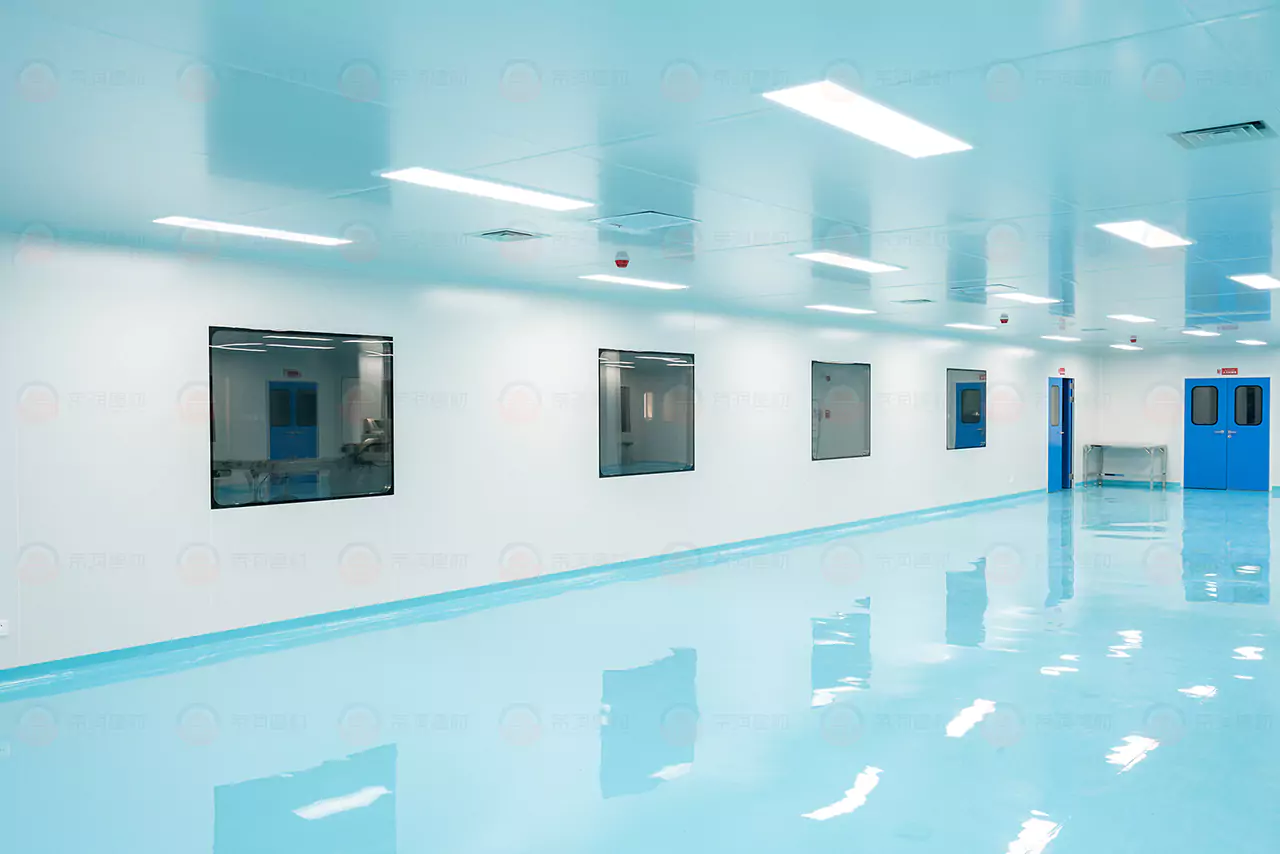
Where Lightweight Panels Need Local Reinforcement
- Lightweight cleanroom partitions need panel flatness, edge sealing, fire behavior, moisture control, and installation compatibility.
- Hollow magnesium panels suit projects where weight reduction and modular installation are important.
- Sample approval should include joint treatment and site humidity, not only panel surface appearance.
Lightweight Panels Still Need Stable Walls
A hollow magnesium sandwich panel can reduce wall weight in modular cleanroom partitions, but low weight is not the only success condition. The wall must stay flat, connect cleanly to profiles, accept door and window openings, and resist deformation during transport and installation.
Cleanroom projects often focus on surface cleanliness, yet the hidden issues are joint gaps, panel edge damage, and moisture exposure before installation. These details decide whether the partition performs after the site starts operating.
Core Structure Changes Handling and Installation
A hollow core changes panel weight and mechanical behavior. Installers should avoid point impact, uneven stacking, and excessive pressure at the edge. The support frame, joint profile, and ceiling connection should spread loads instead of forcing stress into one small area.
The same project-driven logic used for magnesium oxysulfide sandwich panels for SMT workshops applies here: core selection should follow humidity, cleaning, fire, stiffness, handling, and installation demands rather than a material name by itself.
Selection Table
|
Project Need |
Hollow Magnesium Panel Check |
Why It Matters |
|
Lightweight partition |
Panel thickness, core structure, profile support |
Reduces load while keeping wall stability |
|
Clean surface |
Coating, flatness, scratch control |
Supports cleaning and visual acceptance |
|
Fire concern |
Material class and project requirement |
Aligns wall selection with safety review |
|
Humid site |
Edge sealing and storage protection |
Prevents moisture-related defects |
Where LAIRUN Product Use Fits
A Hollow Magnesium Sandwich Panel can be a strong option where low handling weight and modular installation matter; LAIRUN should then be compared on surface finish, edge treatment, profile compatibility, reinforcement details, and sample quality at openings.
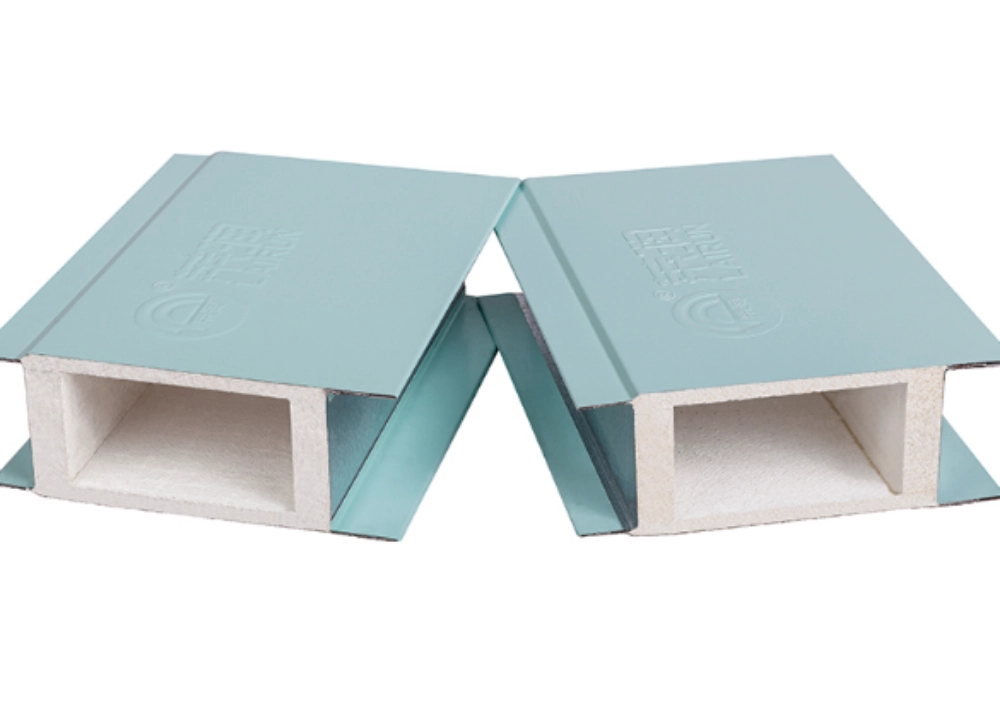
The inquiry should include room class target, wall height, door and window layout, humidity condition, cleaning method, and whether ceiling panels or return-air structures are involved.
Installation Mistakes
One common mistake is leaving panels unprotected on a humid site before installation. Another is cutting openings without sealing exposed edges. A third is assuming every lightweight panel can carry accessories without local reinforcement.
The safest approval path is to review panel, profile, sealant, and opening details together. A cleanroom partition behaves as an assembled system.
Panel Approval Should Match the Site Environment
Hollow Magnesium Sandwich Panel should be checked as part of a wall or ceiling system, because hollow magnesium sandwich panel performance depends on panel core, surface sheet, edge sealing, profile compatibility, storage condition, and installation sequence. A small sample can show finish, but it cannot prove long wall flatness or joint behavior.
Cleanroom and modular building projects should review humidity, fire requirement, washdown method, wall height, opening layout, and whether accessories will be mounted on the panel. These details decide whether reinforcement, sealing, or a different core material is needed.
Transport and storage deserve attention before panels arrive at site. Edge impact, uneven stacking, and moisture exposure can create defects that look like manufacturing problems even when they were caused by handling.
Project Confirmation Questions
What wall height, panel thickness, joint profile, and opening layout are required?
Will the room face washdown, humidity, fire review, impact risk, or temperature difference?
How will exposed cut edges, door openings, windows, and service penetrations be sealed?
What packaging and delivery sequence will protect panels before installation?
Partition Weight Should Be Balanced Against Joint Stability
Lightweight cleanroom partitions still need stable joints. A panel that is easy to lift can create rework if the profile system, corner connection, or opening reinforcement is not planned with the panel core.
Hollow magnesium core selection should be checked against room height, service penetrations, door openings, and whether accessories will be fixed to the wall. These details affect reinforcement and edge treatment more than a flat sample can show.
Storage before installation is part of quality control. Panels should be protected from edge impact, standing water, and uneven stacking so that damage is not discovered only when installers start setting the wall line.
A good sample review includes panel face finish, edge condition, core exposure after cutting, profile fit, and joint sealing method. Cleanroom performance depends on the installed system, not the panel sheet alone.
For lightweight partitions, accessory loads should be marked before panel production. Handrails, switches, pass boxes, signage, and small equipment brackets may require backing or local reinforcement.
Panel thickness should be chosen with door and window details in mind. Openings interrupt the wall run, so the frame system and sealing method need enough stiffness to keep the partition aligned.
Panel samples should be reviewed with the matching profile system. A clean panel face does not prove that corners, joints, door openings, and ceiling connections will install neatly. Joint behavior often determines whether the finished room looks professional.
Site humidity and storage time can change risk before installation even begins. Panels should be stored flat, protected from edge damage, and kept away from standing water or uncontrolled moisture unless the product and packaging are designed for that exposure.
Cleanroom wall approval should include sealing around service penetrations. Pipes, cables, windows, and door frames create exposed edges where dust, moisture, or cleaning liquid can enter if the detailing is weak.
Fire behavior, thermal demand, impact risk, and washdown exposure should be ranked before the panel core is chosen. A core that is excellent for one condition may be unnecessary or unsuitable for another.
Installers should record panel orientation, joint material, sealant type, and any reinforcement behind accessories. This documentation helps later maintenance teams understand how the wall was assembled.
The best panel decision is made from the room outward: air cleanliness, cleaning method, wall height, opening layout, and installation sequence first; material preference second.
Check Fastener Pull-Out and Edge Detailing Before Weight Savings
A lightweight panel may be perfectly suitable as a wall field but need reinforcement where equipment is attached. Door closers, small cabinets, control boxes, handrails, and other accessories transfer concentrated loads that are very different from the distributed load on the panel face. The project team should identify these locations before panel production so inserts, backing plates, or structural framing can be planned instead of improvised on site.
Cut edges are another critical point. Openings for doors, windows, pipes, and cables expose the internal construction and can create paths for moisture, cleaning liquid, or dust if they are not closed correctly. The approved detail should state how edges are capped or sealed and how the profile system meets the panel skin. A neat face sample does not prove these junctions will be equally cleanable.
A mock-up section containing at least one joint and one representative opening can reveal more than a flat panel sample. Installers can check profile fit, screw behavior, sealant line, surface damage during handling, and the effort needed to keep the wall straight. Those observations make the lightweight benefit meaningful because they show whether it survives real installation practice.
FAQ
Where are hollow magnesium sandwich panels commonly used?
They are commonly considered for modular partitions where lighter weight, clean surface, and installation efficiency matter. The exact fit depends on project fire, humidity, and structural requirements.
Do lightweight cleanroom panels need edge sealing?
Yes. Edge sealing helps protect exposed core areas and supports clean installation around openings, joints, and cut edges.
What should be checked before ordering cleanroom wall panels?
Check room layout, panel thickness, profile system, fire requirement, humidity, cleaning method, and whether openings or accessories need reinforcement.
Confirm Edge and Fastener Details Before Choosing the Core
The hollow magnesium sandwich panel category is easier to narrow once wall height, joint layout, service penetrations, accessory loads, storage conditions, and the required sealing method are all defined on the project drawings.
