



How Does Honeycomb Cell Orientation Change Sandwich Panel Stiffness and Impact Response?
Time : September 03, 2026 View : 392
Honeycomb orientation matters because the core is directionally stiff: ribbon direction, transverse direction, face bonding, and edge details carry shear and impact differently. A honeycomb sandwich panel is light because much of its core volume is air, yet its performance depends on how the cells face the load and how firmly the skins are bonded to them. Cell orientation, paper density, face-sheet thickness, adhesive coverage, edge treatment, and support spacing all affect stiffness and impact response.
The same panel can behave well as a wall, ceiling, door infill, or protected partition and perform poorly when its load direction, span, or moisture exposure changes. A selection based only on panel thickness misses the structure that carries the load and the edges that transfer it into the frame.
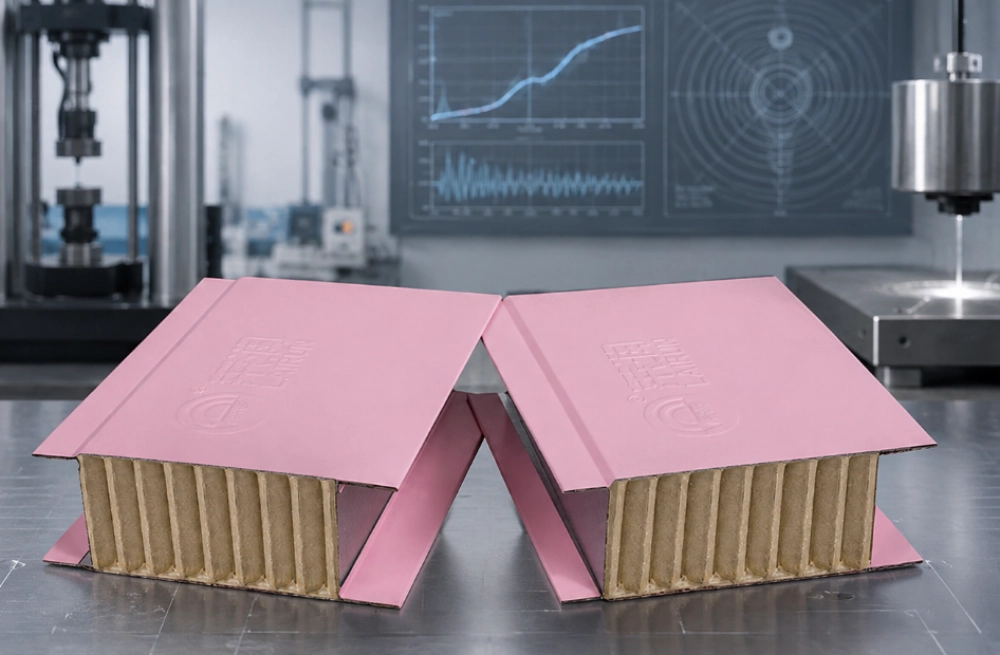
Read the Honeycomb as a Directional Core
Honeycomb cells resist compression differently along and across their axis. The face skins carry bending stress while the core keeps them separated and transfers shear. If the panel is rotated during installation, the designed stiffness may not appear in the direction that matters. Mark orientation on drawings and at the site when the core is directional. Mark the ribbon direction on every coupon and panel.
Face Bonding Controls Composite Action
A face sheet and core act as one panel only when the bond is continuous and durable. Voids, uneven adhesive, crushed cells, or contamination reduce load transfer. A local debond can also spread when the panel is impacted. Inspect edges, sample cut sections, and bonding consistency before a decorative skin hides the interface.
Bond strength must be considered with temperature and moisture. A dry room, a humid cleanroom, and an exterior transport condition create different risks. The chosen adhesive, paper, skin, and edge seal should be tested at the exposure expected in service, not only at room temperature.
Use Support Spacing to Define the Real Span
Panel stiffness is meaningful only with a span, load, support, and boundary condition. A wide unsupported span increases deflection. A narrow frame may reduce deflection but concentrate load at fasteners and edges. Draw the actual supports, joints, openings, equipment attachments, and expected impact points before choosing the core and skin.
Doors and corners need separate details. Cutting an opening removes cells and changes the load path. Trims, frames, and backing should restore edge support without creating a heavy thermal or moisture bridge. A lightweight panel is not a free-standing structural plate unless the design specifically proves it.
Review Impact Without Confusing It With Compression
A slowly applied load can show compressive strength, while a trolley, tool, or panel edge creates impact and local indentation. A face sheet may dent even when the core remains intact. Conversely, a small hard impact can crush cells behind a skin that appears unmarked. Test the face, edge, corner, and joint in the locations that experience service contact. Impact approval should state impactor shape, mass, energy, support condition, face side, and acceptance criterion.
Select the Panel for Its Environment
The Paper Honeycomb Sandwich Panel can be reviewed for cleanroom, insulation, partition, or lightweight enclosure applications where the paper core, face sheets, joint, fire strategy, and moisture exposure are compatible. Confirm cell orientation, core thickness, skin, dimensions, edge protection, support spacing, and allowable impact before approval.
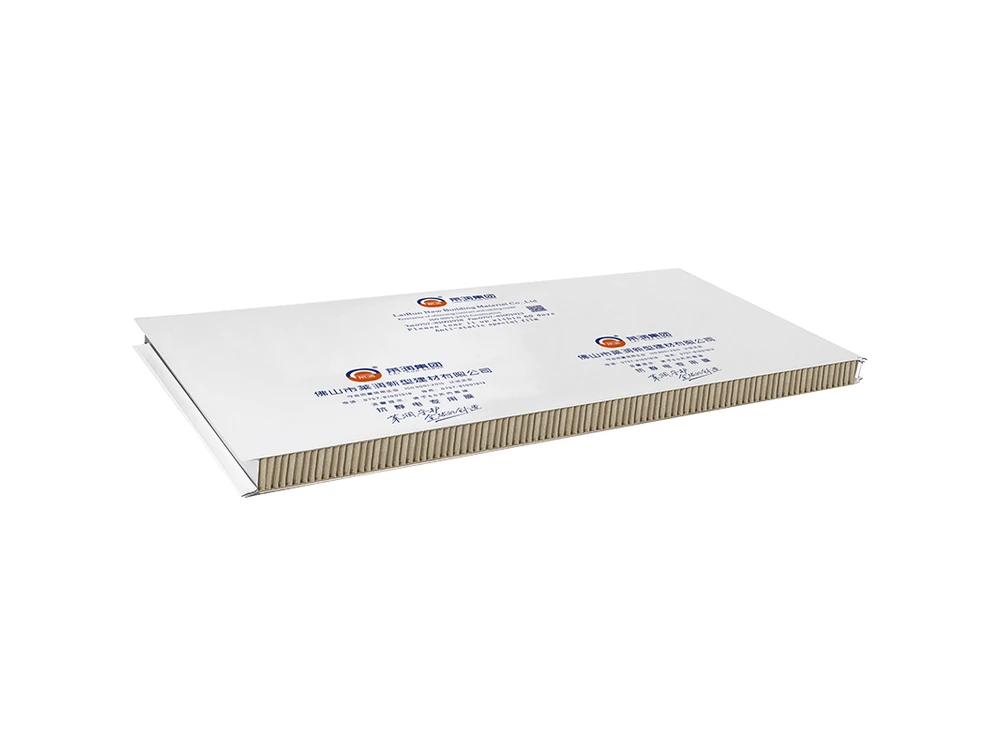
LAIRUN’s product center presents sandwich panel options for different enclosure conditions. The case center can help frame application questions, but a project still needs its own span, load, service, cleaning, and installation review.
Protect Cut Edges and Service Openings
A cut edge exposes the core to moisture, impact, air movement, and contamination. Seal or frame it according to the approved detail. Keep fasteners from crushing the cell structure and use washers or backing where necessary. Service openings should be sized and reinforced before equipment is hung, not enlarged casually after installation.
Transport can crush corners and flatten cells before the panel reaches the site. Inspect cartons, edges, faces, and orientation marks on receipt. Store panels dry, supported, and off the ground. A damaged core may not recover when the face sheet is pressed back into position.
The handover file should identify panel orientation, support spacing, permitted attachments, cleaning, repair materials, and inspection after impact. Future maintenance teams can then avoid adding equipment or openings that bypass the original edge and core design.
Inspect Bond Quality After Cutting
Cutting can tear the paper core or pull a poorly bonded skin. Use sharp suitable tools, support the panel, and control dust. Inspect the cut edge for crushed cells, adhesive gaps, loose skin, and moisture pathways before fitting trim. A clean outer face does not prove the interior bond survived fabrication.
Keep sample panels from each approved production lot where project risk justifies it. Record core orientation, mass, dimensions, skin, adhesive, and coupon test results. When a site defect appears, the retained sample helps separate transport or installation damage from a production variation.
Use a Panel Coupon That Includes the Edge
A center compression coupon cannot represent fasteners and framed edges. Build a sample with the production skin, core orientation, adhesive, edge trim, joint, and one opening. Apply bending, local impact, and a fastener load. Inspect face denting, core crushing, bond separation, edge movement, and residual deflection after unloading. Include the actual cut edge, frame, sealant, insert, and fastener because many field failures start where the continuous sandwich action is interrupted.
Water or cleaning exposure should be applied before and after the mechanical test when the service environment is humid. A bond or paper core may behave differently after moisture cycling. Record mass, dimensions, face condition, and bond before deciding that the failure came from impact alone.
Mark Orientation Through Fabrication
Core direction can be lost when large panels are cut into smaller pieces. Use drawings, labels, and cut lists that preserve orientation from raw panel to installed part. Inspect orientation at receipt and before closing trims. A rotated panel may look identical while its stiffness and edge behavior differ from the design.
Define Acceptance by the Installed Function
A ceiling panel may be governed by deflection and service loads, while a wall beside a trolley route may be governed by impact and repairability. A door infill may need edge and hardware support. Write separate acceptance criteria for each use rather than applying one generic panel strength value.
After an impact, inspect residual dent depth, hidden core crushing, bond condition, joint movement, and whether the panel can be cleaned or resealed. A purely cosmetic dent may be acceptable in a service area and unacceptable in a cleanroom. The repair method and maximum repair size should be agreed before handover.
Fastener pull-out or local compression should be tested with the actual backing and washer. Increasing torque can crush the honeycomb without improving retention. Use a controlled installation torque and inspect a cut section or trial coupon to confirm how load enters the core and frame.
Project drawings and coupon results can be discussed through LAIRUN’s contact channel with orientation, span, edge, skin, impact, and environmental requirements clearly identified.
FAQ
Q1: Why does honeycomb cell orientation affect panel stiffness?
A: The core resists compression and shear differently by direction, so rotation can change the load path and deflection.
Q2: What makes a honeycomb sandwich panel act as one composite?
A: Continuous face-to-core bonding transfers shear and keeps the skins separated under bending.
Q3: Is compression strength enough to approve a panel?
A: No. Span, impact, edge loading, joints, openings, moisture, and the actual support condition also matter.
Q4: Why are cut edges a risk?
A: Cutting exposes the core to moisture, impact, contamination, air movement, and cell crushing unless the edge is sealed or framed.
Q5: What should be specified for a honeycomb panel project?
A: State cell direction, core and skin, thickness, adhesive, span, supports, openings, edge treatment, environment, fire strategy, and impact requirements.
