



Magnesium Rock Wool Sandwich Panel Selection for Humid Cleanroom Walls
Time : September 10, 2026 View : 294
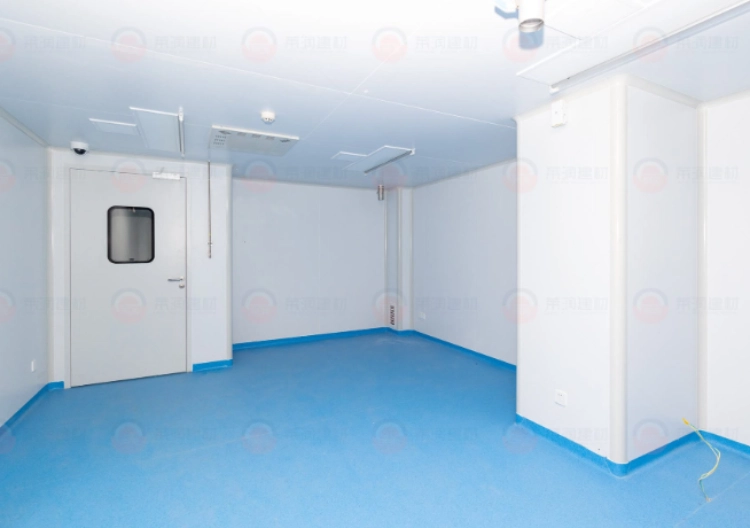
For humid cleanroom walls, magnesium rock wool sandwich panels should be evaluated as a complete wall system. Core behavior, facing material, joint sealing, washdown exposure, and installation tolerances all affect whether the wall remains stable and cleanable over time. The final choice depends on how the product behaves under repeated use, installation limits, cleaning or maintenance conditions, and the failure cost if the wrong version is selected. The safest route is to test the mechanism behind magnesium rock wool sandwich panel, compare the trade-offs, and place the purchase decision around measurable checks instead of broad claims.
Key Takeaways
- Magnesium Rock Wool Sandwich Panel selection should be tied to the real use condition, the likely failure mode, and the acceptance test.
- Sample approval should record measurable behavior before and after storage, installation, cleaning, running, or repeated use.
- A clearer quotation starts with application photos, target specification, packaging limits, and the inspection method for bulk goods.
Panel Performance Comes from the Core, Facing, and Joint System
Magnesium rock wool sandwich panel depends on the way material structure, geometry, movement, and the use environment interact. In industrial work, many failures appear after repeated cycles rather than during the first visual inspection, so the product has to be judged under the same stress it will face after delivery.
That stress may come from temperature, moisture, load, speed, surface contact, cleaning chemistry, storage time, or operator handling. For product families connected with no halogen reversion, the same principle applies: the specification should describe the operating condition clearly enough that the sample test can be repeated before bulk approval.
Wall-System Checks That Matter More Than a Loose Sample
A sample should be approved only after the test method matches the real service condition. The table below keeps the comparison tied to observable evidence.
|
Check Point |
What to Measure or Confirm |
Common Failure If Ignored |
|
Material behavior |
Hardness, density, thickness, viscosity, or fiber structure |
Early wear, deformation, unstable texture, or weak output |
|
Operating condition |
Heat, moisture, load, speed, pressure, or cleaning chemistry |
Product passes a clean sample test but fails in routine use |
|
Fit and handling |
Size, access, installation route, packaging, or user movement |
Rework, poor presentation, or difficult maintenance |
|
Acceptance record |
Photos, measured result, sample label, and test date |
Disputes when bulk goods are compared against memory instead of data |
Where Magnesium Rock Wool Sandwich Panel Fits a Cleanroom or Partition Specification
Where the application matches this operating profile, Magnesium Rock Wool Sandwich Panel gives the project team a concrete reference for sample checking and quotation. LAIRUN can support product selection, customization details, packing confirmation, and final approval before shipment.
Panel Approval Should Include Joints, Openings, and Cleaning Exposure
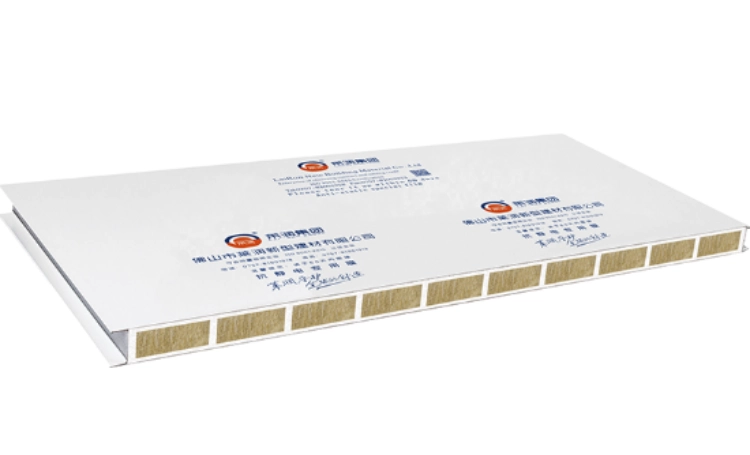
For magnesium rock wool sandwich panel, the wall panel face is only part of the result. Cleanroom projects also depend on joint tightness, corner treatment, door openings, ceiling connections, sealant compatibility, and whether the panel edge stays protected after cutting.
A sample wall mock-up is often more useful than a loose panel sample. It lets the team inspect flatness, joint alignment, screw or clip behavior, cleaning wipe marks, and how service penetrations are sealed.
The sandwich panel product range should be compared by room risk: fire behavior, humidity, impact, hygiene, ceiling load, and installation speed. A panel that is suitable for a corridor may be the wrong choice for a wet or high-risk cleanroom zone.
Core Material Works Only When the Whole Wall System Is Correct
A sandwich panel core can provide fire resistance, stiffness, insulation, or moisture tolerance, but the room does not fail only through the center of a panel. Corners, joints, service openings, door frames, ceiling connections, and cut edges are where performance often weakens.
For cleanrooms and laboratories, the wall should be checked after cleaning exposure and after accessory installation. Sealant compatibility, corner profiles, and edge protection may decide whether the finished surface remains easy to clean.
Humidity Changes the Risk of Hidden Damage
Humid rooms can expose weaknesses that dry sample handling never shows. Moisture may enter unprotected edges, react with unsuitable core chemistry, weaken bonding, or create visual defects near joints.
A reliable approval process defines panel storage method, edge sealing, joint material, and cleaning chemical exposure. These items look small compared with fire or thickness ratings, yet they often decide whether the wall stays stable after handover.
Humidity Changes the Chemistry of the Wall Environment
Humid cleanroom walls are exposed to water vapor, cleaning cycles, sealants, and temperature changes. Magnesium-faced rock wool panels can be useful when the design needs fire resistance and a stable facing, but the system must prevent moisture from entering edges and joints. Hidden moisture is more dangerous than visible water because it can sit inside the wall until bonding, flatness, or surface appearance changes.
The specification should define room humidity range, cleaning chemical type, wipe frequency, joint sealant, and edge protection. A panel approved only by dry-room appearance may not survive a wet cleaning routine or a poorly ventilated storage period before installation.
Where chlorine-based cleaning or aggressive disinfectants are used, compatibility should be checked with the facing, coating, sealant, and trims. The wall is a connected surface, not isolated sheets.
When a Mock-Up Is Worth More Than Another Brochure
A small mock-up can show flatness, joint fit, screw or clip behavior, corner finish, and wipe marks. It also helps installers understand how cut edges should be protected around doors, windows, and service points.
Reject sample approval that examines only the center of a panel. Most field complaints begin at edges, corners, openings, or ceiling transitions. Those are the details that should be photographed and agreed before bulk delivery.
Storage Before Installation Can Decide Final Wall Quality
Humid projects often focus on the finished room and forget the storage period. Panels may sit on site before installation while floors are wet, doors are open, and other trades are working. Specify dry storage, raised pallets, protective cover, and edge protection before the shipment arrives.
After installation, inspect joints under strong side lighting and after the first cleaning cycle. Early wipe marks, sealant gaps, or swelling near cut edges should be corrected before the room enters routine operation because later repair is more disruptive.
Accessory Compatibility Should Be Confirmed Early
Cleanroom walls rarely remain uninterrupted. Lamps, outlets, pass boxes, doors, windows, and pipe penetrations all interact with the panel system. Each opening creates an edge condition that must be sealed and cleaned without exposing the core.
Ask for accessory details before panel production. If openings are cut casually on site, the clean surface may look finished while hidden moisture paths remain around the penetration.
Installation Pitfalls That Weaken a Good Panel
Do not approve a sample only under clean-room style conditions. The routine environment should be part of the test: dust, humidity, hand pressure, load variation, washing, or repeated handling can change the result.
Do not let a single attractive specification hide the trade-off. Higher hardness may improve wear but raise surface risk; larger capacity may add weight; stronger adhesion may slow cleaning or replacement.
Ask for the exact product name, linked page, packaging method, and test condition in writing. A clear record prevents the bulk order from drifting away from the approved sample.
FAQ
What Is the Most Important Check Before Choosing Magnesium Rock Wool Sandwich Panel?
The most important check is the condition that would cause failure in real use. That may be heat, pressure, wash exposure, weight, edge quality, texture stability, or installation space.
When Should You Avoid Magnesium Rock Wool Sandwich Panel?
Avoid it when the working condition falls outside the tested range or when a different material, size, control method, or maintenance routine would reduce risk more effectively.
What Should Be Included in a Better Sample Request?
Include application photos, target size or specification, expected use frequency, cleaning or maintenance method, packaging needs, and the acceptance test that will decide approval.
