



What to compare when choosing Honeycomb Sandwich Panels for Cleanroom Partitions?
Time : October 16, 2026 View : 506
“Honeycomb panel” is a term that is useful as a starting point but needs to be developed further. Such cleanroom panels may look simple on plan but require to carry doors, withstand cleaning, have closed joints and remain flat for extended periods of time. Two panels of 50 mm thickness can behave very differently indeed, depending on the cell size, the type of paper used, the adhesive, the face sheet and the edge frame, and the joint configuration.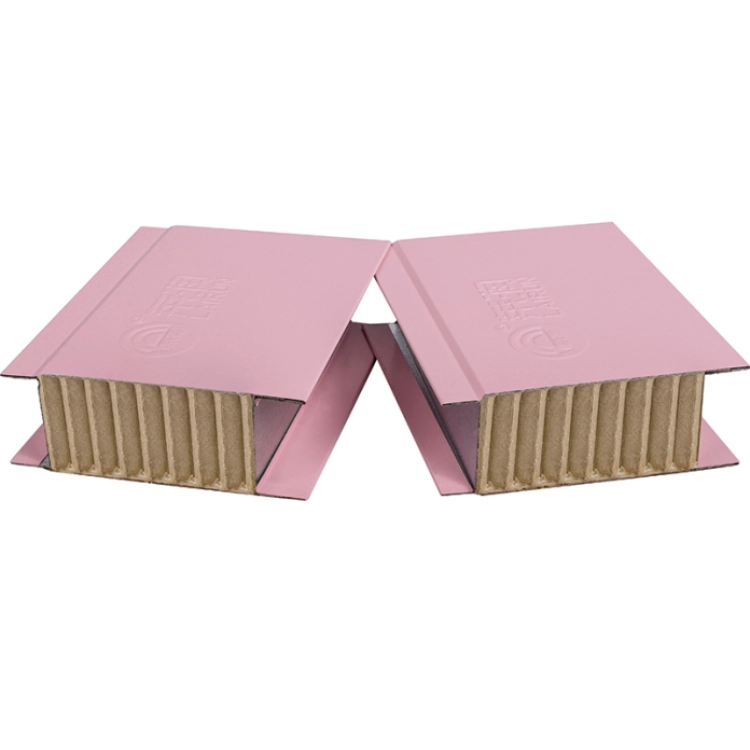
The sensible comparison of different wall systems covers the complete wall system. Core, skins, weight, stiffness, fire, moisture, finish, joints, openings and factory control are the critical points of comparison. Cost is important but not the first question of importance.
Key Takeaways
- Compare cell size, core bond and face construction.
- List all doors, windows, grilles, conduits and other wall loads before choosing a panel.
- Match the coating and sealant to the actual cleaning chemicals.
- Request reports to determine exact thickness, core, face and joint of product being offered.
- Approve small mock-up before placing a large production order.
Begin with the Partition’s Daily Work
The function of a wall in a room with semiconductor equipment is very different from the function of a wall next to a hospital bed or food trolley. A number of factors such as humidity, cleaning, impact, pressure from outside air, local fire regulations and the number of holes drilled into the surface all influence the required specification. Light weight is easy to handle but does not help when a wall needs constant repair.
List Loads and Openings on the First Drawing
Mark out doors, observation points, pass throughs, return air grilles, control panels, cable trays, sockets, pipes and wall guards. An intact honeycomb panel is a spread load structure through its cells. A large opening in the panel will need a metal frame, a reinforced zone or even a different method of fix to the opening edge.
Treat a broad cabinet load differently from a small heavy bracket. They stress the skin in different ways. Require an approved fixing detail for each item. A generic statement such as ‘strong panel’ does not constitute a fixing design. One additional line on the partition drawing could prevent a lot of site hassle over a week.
Write Down the Cleaning Regime
document the chemical used, the concentration, the contact time, the water temperature and the frequency of cleaning. The core of the panel is protected from the cleaning but the coating, the sealant and the joints are exposed to the cleaning on a daily basis. Smooth surfaces and closed joints are basic and detailed floor finishes that prevent water from getting behind the edges of the panels are also a basic requirement.
By minimizing unnecessary cuts in the factory, fewer edges have to be sealed during maintenance – a simple design choice that has benefits.
Compare the Honeycomb Core, Not Just Its Name
Honeycomb gets its stiffness from its geometry. The small paper webs between the skins of a panel distribute the load over the whole surface. Important for the stiffness are the size of the cells, the paper, the adhesive, the core height and the pressing. “Paper honeycomb” is not enough in a quotation.
Cell Size Is a Trade-Off
The LAIRUN Thick Paper Honeycomb Sandwich Panel is available with 5 x 5 mm, 8 x 8 mm, 12 x 12 mm honeycomb hole patterns. Smaller cells mean more webs under the face, while larger cells may mean less core material and weight. However, none of these is automatically better than the others, as paper strength, adhesive, face gauge and panel depth all come into play.
Request a cut section. The cells must look regular and be fully opened and adhered across the panel. Look for crushed strips, dry adhesive, etc. including any weak spots near the edge of the panel. A simple thumb press of a sample is NOT a lab test, however it can reveal samples of surprising unevenness.
Check the Skin-to-Core Bond
The metal faces are under tension and compression. The core holds them apart. Even when a bond breaks, the paper may look fine until stiffness falls. Delamination starts outside of an opening, edge damage or impact mark.
Can you provide information on how the mixing of adhesives, coating, pressing and curing are controlled within your automated production lines and multiple stages of inspection? The rest of the LAIRUN product range can be viewed within the core options of the wider LAIRUN product center. What checks are recorded for each panel shipped for purchasing?
Compare Weight, Span, and Impact in One Review
Lightweight construction helps to reduce the amount of effort required to move a partition and the loads that it needs to support. However, a description of a partition’s height does not give an indication of whether it will remain straight or if lower sections of a wall will withstand collision by a trolley. The stiffness of a sandwich panel is determined by the sandwich as a whole, i.e. skin thickness, metal type, core depth and type, cell structure, edge members and support spacing.
Use the Proposed Span, Not a Marketing Number
Get deflection results tested at the support spacing of your actual application – i.e. a ceiling panel is a different load case to a vertical partition. A tall wall with few restraints may require thicker edges or even an intermediate support, despite a short test panel passing.
LAIRUN lists effective widths of 950 mm and 1,150 mm, thicknesses from 50 mm to 200 mm, and custom lengths normally up to 6,000 mm. The approved size should match transport limits, access, span, and openings. Long panels reduce joint count but are harder to carry through a finished building.
Focus Reinforcement Where Traffic Is Rough
Locations where partitions are situated near carts, pallets, beds or transfer routes will receive concentrated impacts. Compare the face gauge, metal type, finish and lower wall reinforcement of a wall guard to a fully built panel installed on all walls in the room. Find out if a wall guard won’t cost more than a stronger panel installed on all walls in the room. Request an impact test sample be created to simulate the typical height of impact and the shape and size of the object.
Check Fire and Moisture Evidence
Fire and moisture performance statements need to be referenced against the test method, classification, thickness, face and adhesive used, plus details of the specimens and joints tested. A rating achieved by another core or alternative construction does not necessarily translate to the panel described in your purchase order.
Match the Fire Report to the Offered Build
The official honeycomb page describes flame-retardant and fire-prevention performance. Request the report for the exact offered panel. Check the core, skins, thickness, adhesive, and joint detail line by line. Depending on the market, smoke, emissions, flame spread, structural integrity, and local approval may also matter. Confirm the required package with the fire consultant.
Treat Edges as the Moisture Boundary
Paper honeycomb structures generally require sensible management of moisture. While the broad metal face of the structure protects the core, cut edges, service holes, damaged joints and connections to floors are all potentially exposed. Ask about closure of field-cut edges, compatible sealants and the repair detail.
For use in very humid rooms or subject to regular washdown compare the honeycomb construction against other alternatives in the LAIRUN solution center. Use the lightweight panel in controlled exposure situations and an alternative core where water risk persists.
Compare Faces, Joints, and Accessories
The face sheet of a structure controls cleanability, appearance, corrosion resistance, etc. and most of the wear and tear of the part. The joint determines whether two faces can stay together or not and whether a narrow line or not of leakage and subsequent sealant repair will occur.
Select the Face for the Process
This site lists galvanized steel, stainless steel, aluminum alloy, aluminum-magnesium-manganese sheet and inorganic pre-coated board. There are many different finish systems available including baked coating systems. Don’t judge a material by its name – read on and find out the reality.
Check:
- face gauge and flatness;
- coating type and thickness;
- resistance to named cleaning chemicals;
- scratch and abrasion behavior;
- batch-to-batch color consistency;
- repair steps after a dent or coating break.
Not all cleanrooms require stainless steel. A coated steel face is often sufficient for dry partitions. Hygiene requirements, exposure and cost over the life of a product all come into play when selecting the correct material.
Approve the Joint as a Complete Detail
Honeycomb panels LAIRUN use a tongue-and-groove connection. Please check edge connection, position of sealant, connection of corners, ceilings, floors, doors and service openings. LAIRUN technical materials list here here the working parts of a partition, not the decoration: inner arc aluminum, base profiles, H-profiles, T-profiles, door frames and window details.
Build a simple mock-up of a house consisting of 1 straight joint, 1 corner, 1 floor junction, 1 door frame and 1 penetration. Side lighting of the skin of the house will easily expose wavy skins, uneven gaps, proud fasteners and smeared sealant. This can all be fixed prior to mass production for the cost of a few extras.
Audit the Supplier Before You Release the Order
Link the approved sample to manufacturing, packaging, distribution and on site support. Give all bidders the same list of acceptables to ensure a fair comparison.
Use a Shared Submittal List
Request:
- Core type, cell size, paper grade, and core weight or density.
- Thickness, effective width, length limits, and dimensional tolerances.
- Face material, gauge, coating, color, and protective film.
- Bonding process and internal inspection points.
- Reports – fire, moisture, acoustic and structural for the proposed build.
- Joint drawing, edge reinforcement, openings, and repair method.
- Packing method, delivery sequence, spare-panel policy and technical assistance.
Here is some information that is useful for assessing a company’s capacity: LAIRUN has a 38,000 square meter facility with 8 high-automation production lines that can produce 25,000 square meters per day and ships to more than 30 countries. However, this type of information does not replace sample approval and project documents. Review relevant work in the LAIRUN case center, then use the LAIRUN contact page to send the room classification, panel schedule, cleaning method, opening list, and required reports.
FAQ
Q1: What should one first compare when designing a honeycomb sandwich panel?
A: First compare the complete construction of cells, paper, adhesives, two skins, frame and edges as well as joints. Only then compare panel thicknesses and costs.
Q2: Is smaller always better for cleanrooms?
A: No. Paper strength, adhesive coverage, face material, panel depth and local support are more important than just small honeycomb cells.
Q3: Can paper honeycomb panels be used in humid cleanrooms?
A: Yes. Controlled environments with faces, edges, joints and openings all closed. Repeat washdowns need a close material comparison.
Q4: Which LAIRUN details should be included in a partition mock-up?
A: LAIRUN straight joint, LAIRUN corner, LAIRUN floor connection, LAIRUN door frame, LAIRUN service penetration, LAIRUN face finish, LAIRUN sealant line.
Q5: What information should be sent to LAIRUN for panel selection?
A: Room use, Cleanliness level, Humidity, Cleaning chemicals, Partition height, Openings, Mounted loads, Fire requirements and preferred face direction.
