



Cleanroom Panel Surface and Joint Details for SMT Areas
Time : October 22, 2026 View : 401
SMT rooms are harsh environments for wall finishes. Soldering residues, fine particles, moving carts, cable drops and frequently used doors all impact a small space. Selecting a panel on the basis of insulation value alone can fail to recognize weak joints and very difficult to clean interfaces. This guide reviews surface, joints and accessories in order to ensure that the selected panels will perform in your electronics workshop.
Key Takeaways
- Cleanability of complete wall assembly to be reviewed not just the face sheet.
- Match the panel surface, joint seal, trims, doors and cable penetrations to the room routine.
- Use a mock-up to check out shadow lines, edges of walls and floor etc., static sensitive equipment interfaces, etc.
- Fix the drawing just before fabrication and document all the field cuts.
Define the Room Before Comparing Panels
Component storage, stencil cleaning, SMT reflow, test benches, material flow routes etc. All have different contact risk and therefore different cleaning frequencies. So list the room zoning, required temperature & humidity range, any trolley impact points, service openings etc. before you start to compare shop quotations. A light partition detail can soon become a major issue if carried into a high traffic/regularly cleaned area.
Set the Surface Requirement
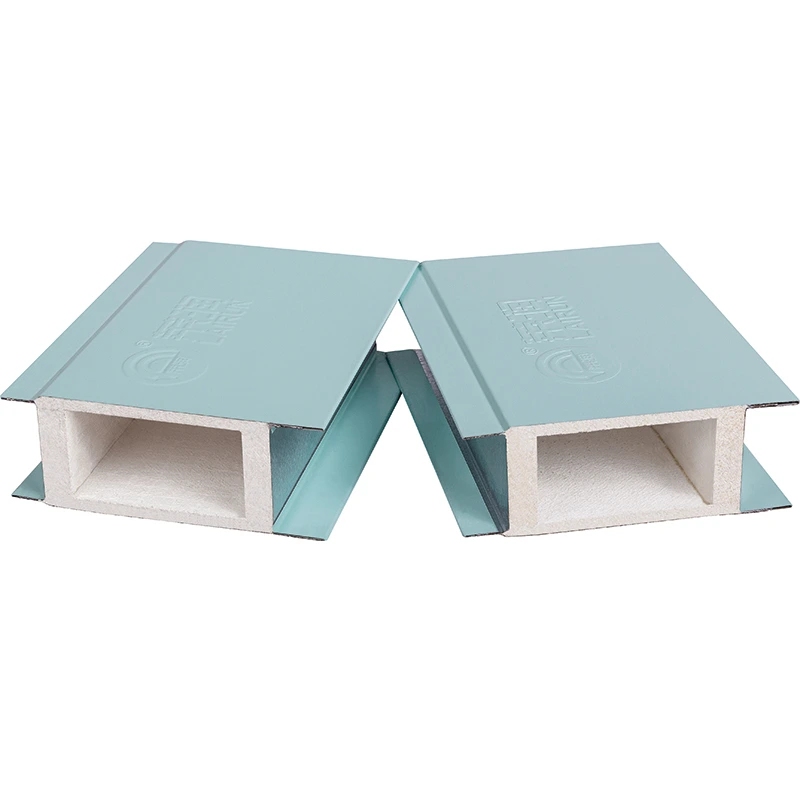
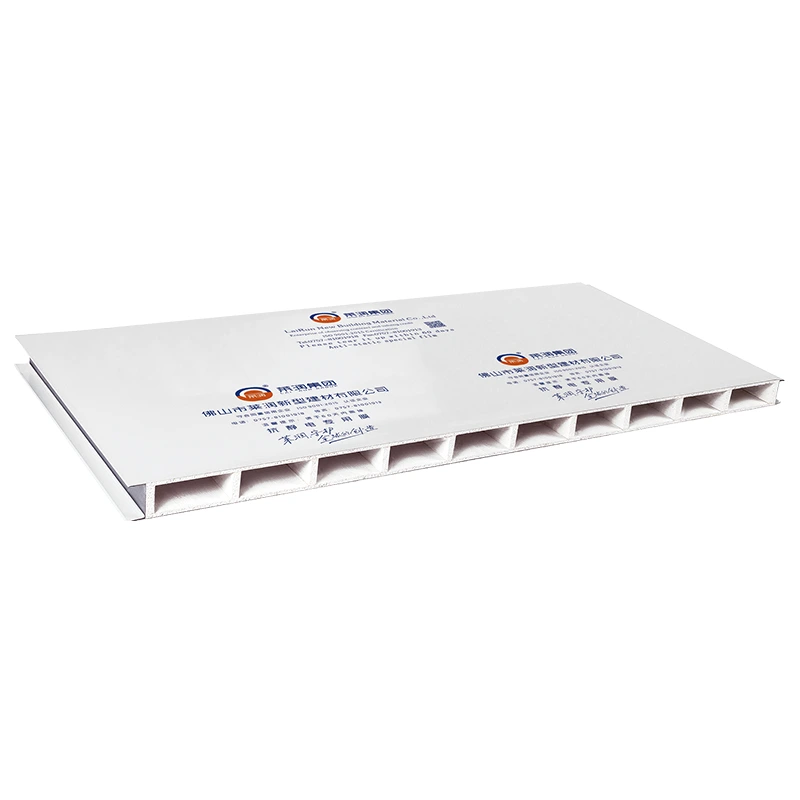
LAIRUN’s hollow core MGO sandwich panel is also suitable for use in cleanrooms and is offered as a steel-faced construction which can be customized for the SMT room. The term MGO panel refers to the core family and does not necessarily describe the final surface, coating, edge or joint configuration.
Create the acceptance sample for wiping the surface with the approved cloth and inspecting for waviness by reflected light. Inspect corners at eye level and ensure that any labels or protective films do not leave any residue. Add a bump rail or protected lower zone to the drawing if equipment is likely to touch the nearby wall.
Control Static-Sensitive Interfaces
While panel selection forms the basis of an ESD-control program, wall finish must be coordinated with floor, grounding, work stations, ESD compatible carts and cleaning materials. Responsible ESD engineer must state which resistance or grounding checks apply; unverified values must not be incorporated into the purchase order. Cable trays, outlets and monitoring points must be designed to be accessible and must not create open ledges that can harbor dust.
Inspect the Joint as a Continuous Surface
Highlight where particles collect at narrow but not flush joints. Show joint profile, compression, sealant, and trim. Also show the sequence in which top and bottom are closed. Draw a section through the ceiling and floor as even the best vertical joint can fail at termination.
Compare Joint Options on the Mock-Up
The related cleanroom panel systems and aluminum interface accessories are included in the LAIRUN’s product range. To identify the intended system, please refer to the relevant pages and then place a project-specific corner sample order. Test whether a cloth can be pulled across the joint without getting caught. Exposed fasteners, abrupt step changes and sealant gaps in the area where two trims intersect should all be avoided.
Make sure that any mock-ups are made up with the same facing and sealants as detailed in the quotation. Mark the product code and finish reference on the sample board approved for use. Take a photograph of the detail with a scale and retain with the shop drawing as this small piece of information could resolve a dispute months later when a replacement panel is required.
Check Doors, Windows, and Cable Drops Together
SMT rooms are often remodeled. Therefore, interface points for door frames, vision windows, power sockets and data connection points for cable drops have to be agreed upon prior to cutting the panels. In the cleanroom doors and windows category of LAIRUN you can select the interfaces. Please compare the frame depth, the gasket line, the threshold and the hardware with the wall thickness of your choice.
For a cable drop, the opening size, sleeve or gland, backing material and sealant should be specified. A cover plate left loose over a large unprotected opening is not recommended. If there is likely to be further equipment added at a later date, a sealed service zone with a method for blanking off should be left. It is far easier to maintain a clean surface if the expansion has been thought through before the first item of equipment is installed.
Balance Weight, Fire, and Handling Risk
Different materials have different trade-offs. Thicker or denser panels may demand different handling and connection strategies. Lighter panels may travel quickly but require careful support at doors, corners and where the ceiling interfaces with the panel. Request from the manufacturer the verified fire and structural performance of your exact construction – don’t rely on the performance of a different core or facing and transpose the numbers.
Request Evidence That Matches the Assembly
The fire-resistance solution page explains the application category and the product detail explains the panel family. The submittal should outline the test scope, specimen construction, thickness, joint arrangement and orientation. Also confirm with the project fire engineer that any locally required rating has relevant evidence to demonstrate the installed solution.
Please also advise on the effective width and length, color and cut-edge treatment for the panels. Even though custom sizes are listed for the hollow MGO pages, not all custom sizes are available. Ask for a signed production drawing with specified tolerances plus lifting and storage instructions.
Plan Handling and Storage
Keep cartons upright and clean and avoid rubbing panels together. Follow the supplier’s method of handling panels. Check for damaged tongues, misaligned grooves, and any damage to internal and external corners prior to on-site installation. A panel with a crushed edge should be held in quarantine as site repairs will form a visible and difficult to clean cluster of messes.
Build a Procurement Scorecard
Score each quotation against the same fields: surface finish, joint profile, edge sealing, fire evidence, dimensional control, door compatibility, accessory scope, packaging, replacement process, and technical support. Note missing information against “open clarification” and weigh a low price with 8 open clarifications against a complete offer.
Include Quality and Handover Checks
Link the quality assurance information to practical evidence of inspection and approval: incoming inspection records, approved samples, sealant batch numbers, panel labels, and records of any repair decisions taken. Carry out an on-site inspection with a bright inspection light and a clean cloth. Check that all joints are smooth and even, that all protective films have been removed, that all corners are intact and that all service openings have been sealed. Record any outstanding items with a location and close-out date.
Send room zoning, panel schedule and interface drawings from the contact page of this LAIRUN website for a project quote. When retrofitting an SMT area, include photos of the existing equipment routes. The clearer the interfaces are shown the less likely a field cut will decide the final hygiene line.
SMT Panel Approval Checklist
- Are the face, coating, and cleaning at completion noted?
- Does the mock-up include same core, facing, joint and sealant as offered.
- Are doors, windows, cable drops, and future service zones coordinated?
- Does the fire evidence correspond with the exact design and thickness of the assembly?
- Are storage, handling, quarantine, and repair rules included?
- Record joint condition and all other remaining punch items during handover.
FAQ
Q1: What is the key panel detail to examine in an SMT cleanroom?
A: All the junctions, corners, door surfaces and service openings’ surfaces are of equal importance to the rest of the panel surface. Don’t just examine a flat sample, examine the complete interface.
Q2: Are hollow MGO panels available in sizes to cover the walls of an electronics workshop?
A: Yes. Custom sizes are detailed on the official product page. It would be wise to confirm the available dimensions, facing, joint type and evidence required for any particular room before ordering.
Q3: How should one compare quotations for cleanroom panels?
A: Use one scorecard to compare finish, joints, fire evidence, accessories, size, handling, packaging and handover records. Ask the supplier to close all open points in the clarification.
