



Sandwich Panel Delivery Inspection and Storage for Cleanroom Projects
Time : November 06, 2026 View : 432
At receipt, the installation team needs to know which sandwich panels can be released and which need a decision. Record the link between each supplied reference and the order while its label is still with the material. Then describe the condition actually inspected. A total delivery count cannot provide that information later if the packs have been split up.

Make the receiving record clear about what the signature covers. Goods may have been received while concealed faces and edges remain unexamined. Where the load includes several cores or finishes, identify them separately so installers do not mistake a quantity confirmation for an inspection of every panel.
Arrange the Receiving Area Before Dispatch
The unloading plan needs actual shipment data. Pack weight and dimensions, available from LAIRUN for confirmation with the order, let the unloading contractor assess the load against the proposed equipment. A thickness written on a panel schedule leaves too much unknown. Include the supplier’s handling instructions in that discussion. Equipment selection needs to account for those instructions before the transport booking is fixed.
Walk the route from the unloading point to the proposed storage position. There may be plenty of room at the destination but a tight turn on the way there. Other trades may also need the route on delivery day. Uncertain access calls for a second storage option, with its supports and cover reviewed before dispatch.
A delivery note in the office and a marked pack on site are easy to separate. Put an inspector’s name on the record and give each unresolved item an owner. That leaves a route for a question about a particular panel even after the receiving shift has finished.
Leave no blank space beside stack height or support spacing in the site instructions. Obtain the values for this order from the supplier; a limit remembered from a previous shipment may have applied to different packs. Purchasing can keep the original reply. The supervisor arranging storage also needs a copy, preferably with the relevant pack references on it.
Match Pack Labels to the Approved Order
Use one approved revision of the panel schedule for the receiving check. A pack may agree with an earlier quotation and still be wrong for the order as revised. After checking the count, work through the label references. If one cannot be read, the pack still has an unresolved identity even though the delivery total adds up.
Core identity deserves particular attention. LAIRUN’s rock wool sandwich panel and magnesium oxysulfide sandwich panel are separate products. Do not release one as a substitute for the other because their metal faces look alike. Match the supplied designation to the purchase order and resolve any difference before installation.
Keep finish codes and orientation information in that comparison. Where film conceals the surface, leave the finish inspection open in the record. An inspection of an adjacent panel does not close that entry.
A width measurement can become a disagreement about reference points. One inspector may include an edge feature that the other has excluded. Settle the method against the approved drawing, with the acceptance limits recorded before unloading. That gives both people the same basis for checking the order. Keep the brochure for product reference; use the agreed inspection procedure at the pack.
Record Damage in a Way the Supplier Can Assess
A useful damage photograph has an identity. Start the photograph sequence far enough back to include the label. Once panels leave the pack, use their individual references to connect the close views with the shipment record. A collection of close-ups with no references leaves the supplier guessing which items require a decision.
The description should be just as precise. For example, “bent edge on panel P14” identifies an observable condition without deciding who caused it. Leave the cause open at this stage. As permitted unpacking exposes more of the panel, extend the inspection to the accessible faces and mating edges. The agreed acceptance criteria are the reference for deciding how to treat a dent, scratch, or distorted area.
For the written report, use a short entry for each affected item. Include its reference, the inspection date and stage, and the approximate size of the area in question. Then add its current location and the contact handling the issue. Someone looking at the report later should be able to find the panel without asking the unloading crew.
Reporting deadlines belong in the pre-delivery review. They come from the applicable order or transport agreement, together with any evidence requirements. Put the relevant dates in the receiving plan and retain the packing list with the condition report. A claim review is harder when its photographs have become detached from the shipment paperwork.
Separate Receipt from Release for Installation
An unopened pack can pass an external condition check while its contents remain uninspected. Record exactly that, rather than marking the entire delivery “checked.” The next person should be able to see what remains to be done without finding the original inspector.
For a held panel, the physical identification and the log should say the same thing. “Awaiting supplier review” tells the next crew why it is still in storage. A status change needs a dated decision behind it. The record might now say “accepted,” “repair approved,” or “replacement pending.” A phone call alone leaves the next shift without the decision it needs.
What would a proposed repair actually correct? A face treatment may address a scratch, but that does not answer a question about a distorted mating edge. Send the defect for review before choosing the remedy, and retain the approved method with its acceptance checks. An approval for one scratched panel should not quietly become permission to repair a crushed edge elsewhere.
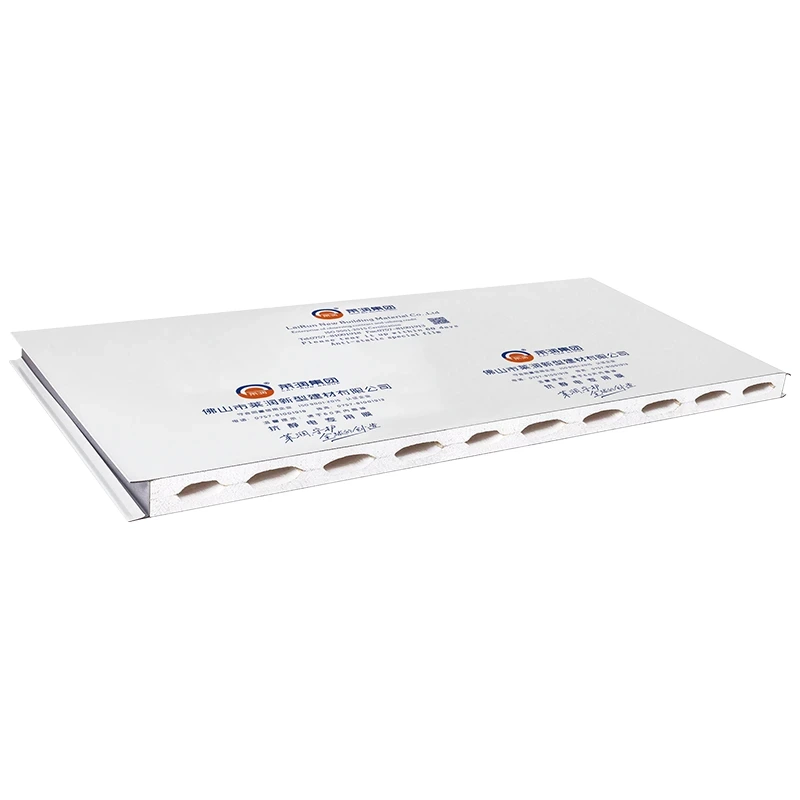
Protect Panels During the Waiting Period
The receiving record provides a starting condition; storage must preserve it. Use the approved supports and keep their arrangement intact when packs are moved. Clear sharp debris before placing material in the area. Panels in storage are not a convenient shelf for another trade’s materials. Keep those loads off the packs.
Give the supplier the expected storage period when requesting the handling plan. The wrapping they travel in may need a different arrangement for that waiting period; obtain instructions on cover and ventilation. Water found inside a pack requires a fresh condition report and assessment. Simply closing the wrapping again leaves the unanswered question inside it.
There is a practical conflict over protective film. Removing it gives the inspector access to the finish, but the exposed face must then survive the remaining handling operations. Ask for a removal sequence suited to the ordered finish and check the instructions for time or sunlight restrictions. In the meantime, the inspection sheet should identify the faces still covered. “Film present” is useful information; “surface accepted” may be premature.
There is also a second handling stage to consider. Unloading may be carefully planned, yet individual panels still have to reach the installation position. Give that crew the applicable handling instructions and protect the mating edges during the move. Dragging one face across another is avoidable contact, even when both faces still have film.
If the storage area must move, keep pack identities and room assignments with the material. Partial packs deserve attention here. An outer label that leaves with the empty wrapping takes the pack reference with it unless somebody has transferred that information.
Release Panels in the Installation Sequence
Use the installation schedule to choose which accepted packs leave storage next. A room that is still occupied by another trade may not be able to receive its allocation. In that case, review the storage plan before moving anything. Keeping an identified pack where it is can be preferable to transferring it into a temporary corridor position and handling it again the next day.
When an issue needs installation guidance or after-sales support, give LAIRUN the panel reference and inspection record with the question. A message saying only “damaged panels arrived” will need follow-up questions. The pack reference and photographs already collected during receipt can answer several of them, including which edge is affected and when the condition was first recorded.
The last check is against the purchase order, including the required documents for the supplied configuration. An intact surface cannot establish fire or thermal performance. Those properties need the relevant evidence for the supplied assembly, separate from a visual condition check.
Use the dispatch review to confirm the delivery and storage plan and resolve the remaining gaps. Follow a panel reference through the proposed paperwork, from the packing list to installation release. You should be able to find its location and current status without relying on somebody remembering a conversation. That is a workable handover for the receiving crew.
FAQ
Q1: What should be checked when a shipment arrives?
A1: The packing list, LAIRUN order, and labels give you the basis for checking quantity and identity. Record the condition of the material you can see. An unopened pack needs a later internal check, and the record should make that outstanding work visible.
Q2: Can panels with similar faces be used interchangeably?
A2: Use the approved schedule and LAIRUN document designations to identify the product. The face may look similar even when the core differs. If the supplied reference changes the specified product, obtain approval before releasing it for installation.
Q3: How high can panel packs be stacked?
A3: Obtain the stacking instructions for this pack and its support arrangement from LAIRUN. A height limit used on a previous delivery may have applied to different panels or supports. Do not carry that limit over without checking its scope.
Q4: Can a damaged panel be repaired on site?
A4: Ask LAIRUN to assess the identified panel and photographs of the defect. Keep the response and any approved repair method with that item’s record. A decision allowing a surface scratch to be treated does not also authorize repair of a bent joint.
Q5: Does the delivery inspection confirm cleanroom performance?
A5: The delivery record supports only the receiving checks it documents. Specified performance of the finished cleanroom assembly still needs the relevant LAIRUN product records and project verification. Receiving the correct-looking panels does not complete that separate assessment.
