



What Are the Clean Room Requirements for Contamination Control
Time : March 13, 2026 عرض: 48
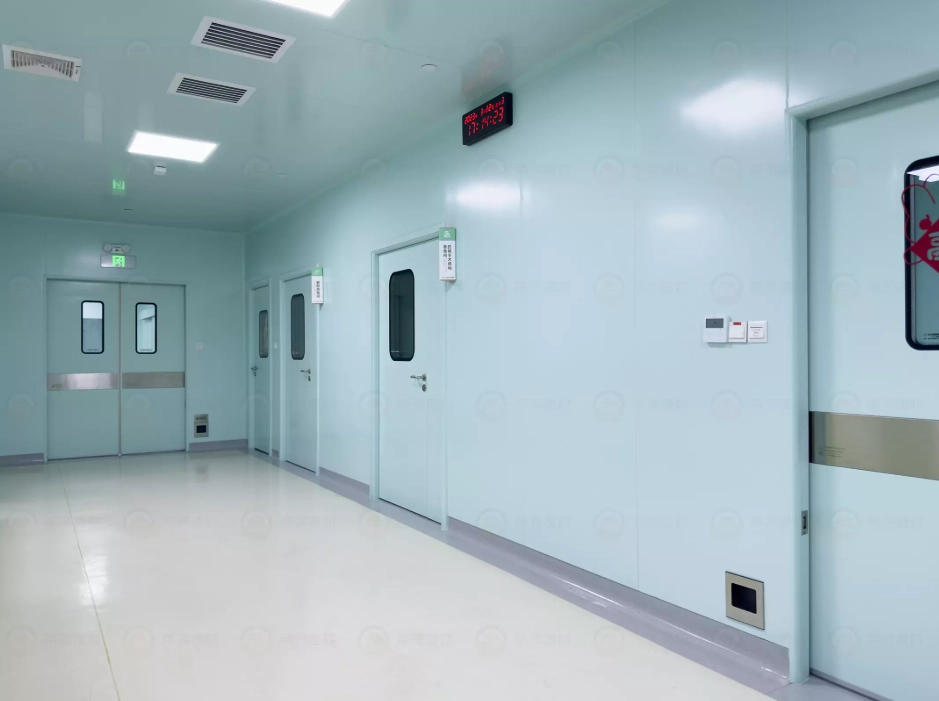
Managing contamination forms the heart of any clean room setup. Sectors like chip production, drug making, testing labs, medical centers, food handling, and device assembly face risks from even small floating bits that harm item quality, user safety, and rule following. Clean room needs go beyond just air cleaning. They include level ratings, air movement plans, wall and roof setups, edge sealing, flame protection, and steady material endurance over time.
As a skilled cleanroom panel maker with over 25 years in the field, LAIRUN Group has earned trust by supplying strong purification sandwich panels to markets worldwide. Its 38,000 square meters of factory area, several machine-driven lines, and owned core substance recipes let LAIRUN offer full wall and roof fixes tailored for tough contamination handling spots.
Why Are Clean Room Standards Critical For Contamination Control?
Clean room guidelines set limits on particle numbers in a managed area and outline how to construct it to hold those bounds. Lacking firm guidelines turns contamination handling into mere chance.
Before looking at substances and frame systems, one should grasp the three main needs that shape contamination results.
Clean Room Classification And Particle Control
Ratings for clean rooms rely on the highest permitted particle amount per cubic meter of air. Fields like chip building often demand very low particle counts, whereas food or drug handling might follow different yet equally firm rules. Fitting ratings guide wall panel output, sealing builds, and roof merging.
Airflow And Filtration Requirements
Directed air flow, typically via HEPA or ULPA filters, stops particles from landing on areas. Air flows in a set path, frequently straight downward laminar flow, to sweep contaminants from key zones. Roof systems need to hold filter parts without leaving openings or leaks.
Surface Material And Panel Integrity
Walls and roofs require even, non-dropping surfaces that withstand ongoing wipes. Weak surface stuff might split, soak dampness, or shed bits as time goes on, which raises contamination chances. Thick sandwich panels with firm cores prove vital.
How Do Wall And Ceiling Materials Affect Contamination Control?
With guidelines and air flow basics in place, the following move is choosing proper build stuff. Clean room walls and roofs serve as working shields, not mere decor, and they guard the inner setting.
Purification panel output sways cleanliness, security, and ongoing run expenses.
Use Of High-Performance Wall Panels For Smooth, Non-Shedding Surfaces
Even surfaces block dust buildup and ease wiping tasks. LAIRUN’s Silica Rock Sandwich Panel suits high-clean spots. Its tight build cuts particle shedding and gives solid stand against hits and bends. For sites needing both flame guard and frame steadiness, this panel offers a dependable choice.
Importance Of Hermetic Seals And Joint Stability
Edge spaces often mark the frailest parts in clean room builds. Tiny off-sets can let air slip and dust creep in. The Zhong Shaped Aluminum Rabbet Laminboard brings close edge links that shrink seen lines and boost frame fit. This link style heightens sealing output while holding the face tidy and simple to keep up.
Material Resistance To Cleaning Agents And Sterilization
Clean rooms face regular chemical wipes. Wall setups must fight rust and keep evenness amid long exposure. LAIRUN panels arise from tight quality checks, backed by ISO papers and outside lab tests. The firm’s magnesium oxysulfide and rock core stuffs yield steady work under hard wipe rounds.
What Clean Room Material Features Enhance Air Purity?
Past outer looks, inner stuff traits count too. Some panels seem clean when fitted but slowly break down. Such unseen issues cost plenty.
A soundly planned clean room panel ought to blend flame safety, heat blocking, frame power, and low shedding traits.
Low Particle Emission And Easy Cleanability
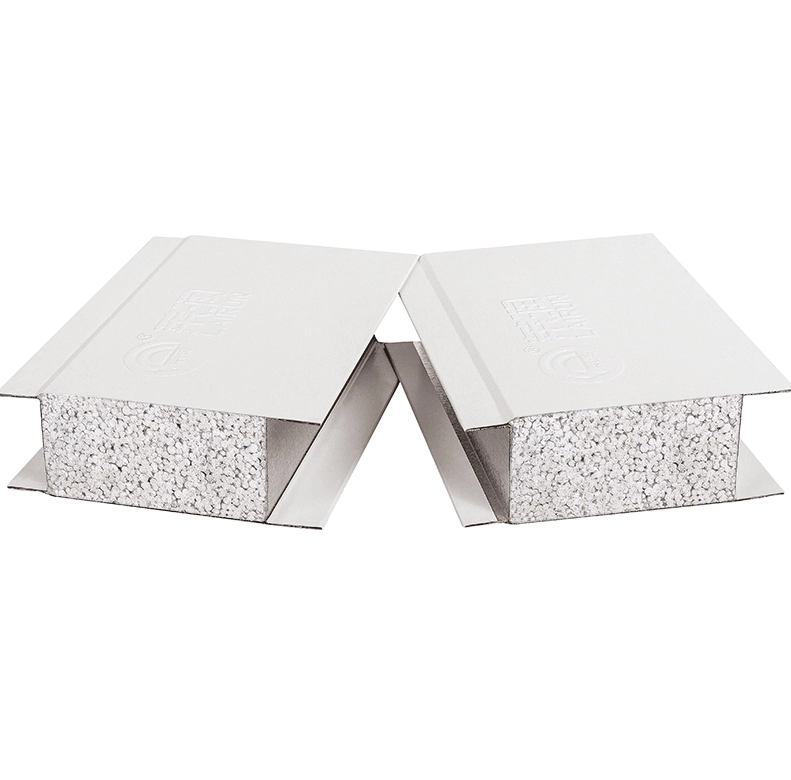
Panels cannot make dust amid shakes or heat shifts. Thick core stuff like silica rock or glass magnesium lessens inner splits. Even coated steel faces cut further particle sticking, so daily wipes go fast.
Corrosion Resistance And Long-Term Stability
Dampness and heat changes can soften poor stuff. LAIRUN’s owned magnesium sulfate and magnesium oxysulfide core blends fix usual woes like damp uptake and chloride rust. Thus, it lengthens life and holds the clean room even year by year.
Compatibility With HVAC And Pressurization Systems
Clean room panels must blend well with HVAC setups to keep pressure gaps. Panels that bend or move over time harm air flow evenness. LAIRUN’s machine lines keep size correctness, which aids steady fitting and sure sealing near pipes and filter parts.
Why Choose Silica Rock Sandwich Panels For Clean Rooms?
When contamination handling calls for both flame safety and machine power, picking core stuff turns key. Silica rock sandwich panels gain pick for strict work spots.
The mix of toughness and cleanliness fits this panel for device plants, drug sites, and study labs.
High Density And Low Particle Generation
The firm build lessens inner fiber shifts, so particle shedding drops. This suits managed making areas.
Superior Thermal And Fire Performance
Silica rock panels bring strong flame stand, hitting Class A non-burn needs. Heat blocking aids heat evenness too, which counts in touchy making spots.
Long Service Life With Minimal Maintenance
High press power lets panels fight hits in fitting and running. Less upkeep cuts long-run costs. In big sites, that gap matters much.
How Do Aluminum Rabbet Laminboards Support Contamination Control?
Edge systems get skipped often, but they set how well a clean room keeps its pressure and clean level.
LAIRUN’s Zhong Shaped Aluminum Rabbet Laminboard bolsters panel-to-panel ties and lifts whole frame.
Enhanced Joint Sealing And Structural Stability
The aluminum rabbet build makes a close machine tie. It shrinks fitting spaces and lifts air tightness. Firm edges aid in holding inner pressure even.
Smooth, Non-Porous Surface For Hygiene
The layered face fights damp and chemical hits. A tidy, even end eases dust and germ removal in usual clean rounds.
Lightweight And Easy Installation
Though it gives strong frame aid, the setup stays fairly light. Quicker fitting shortens work times and eases worker load, which builders value.
What Role Do Ultrafine Ceiling Systems Play In Clean Rooms?
Roof systems bear filter parts and set air flow path. Weak roof plans can break laminar flow and add swirls.
LAIRUN’s FFU Ultral-Thin Metal Ceiling Clapboard fits clean room roofs where filters and frame steadiness must pair.
FFU Ultral-Thin Metal Ceiling For Efficient Airflow
The slim metal build holds fan filter units yet cuts blocks. Thus, set straight air flow glides well over the clean area.
Integration With HEPA Or ULPA Filtration Units
The roof setup works with standard FFU parts, so air spreads evenly. Firm fixing cuts shakes and stops particle making.
Ceiling Clapboard Durability And Cleanability
Strong metal work fights bends. Even coated faces take repeated wipe rounds without fading end quality.
Clean room contamination handling comes not from filters alone. It arises from matched plans of panels, edges, roofs, and air flow systems. From silica rock sandwich panels to exact aluminum rabbet ties and slim FFU roof systems, LAIRUN Group gives full purification panel fixes, backed by top making power and owned core stuff tech.
Sending goods to over 30 lands and serving new energy, chip making, health care, and food fields, LAIRUN keeps providing cleanroom stuff that hits firm world rules. Steady quality, solid flame work, true sizes, and sure aid make it a reliable pick for top clean room builds.
FAQ
Q1: What Core Material Is Best For Pharmaceutical Clean Rooms
A: Silica rock and magnesium oxysulfide core materials are commonly selected because of their fire resistance, structural stability, and low particle release characteristics.
س 2: How Important Are Panel Joints In Contamination Control
A: Panel joints are critical. Poor sealing can cause air leakage and particle infiltration, directly affecting cleanliness levels and pressure balance.
Q3: Can Clean Room Panels Be Customized For Specific Projects
A: Yes. LAIRUN offers customized sizes, thickness options such as 50mm, 75mm, and 100mm, and various color-coated steel finishes to match project requirements across different industries
