



Pourquoi vous devez moderniser vos matériaux de salle blanche pour répondre aux nouvelles normes de 2026
Date : 11 juin 2026 Vue : 1164
Les matériaux pour salles blanches font désormais l'objet d'un choix axé sur la performance, et non plus d'un simple achat lié à la construction. D'ici 2026, les acheteurs des secteurs pharmaceutique, des semi-conducteurs, des dispositifs médicaux, de l'agroalimentaire, des laboratoires et de la chimie courante exigeront des systèmes de murs et de plafonds garantissant la sécurité incendie, un faible dégagement de particules, une stabilité à l'humidité, des surfaces nettoyables et une installation fiable. Un panneau sandwich pour salle blanche doit être évalué selon sa résistance au feu, sa durée de résistance au feu, son absorption d'eau, sa résistance à la compression, son épaisseur, la densité de son âme, le type de revêtement et la conception de ses joints. Ce guide explique comment planifier la mise à niveau des matériaux d'une salle blanche sans que cela ne se transforme en un projet d'arrêt précipité.

Quels changements vont survenir dans le choix des matériaux pour salles blanches d'ici 2026 ?
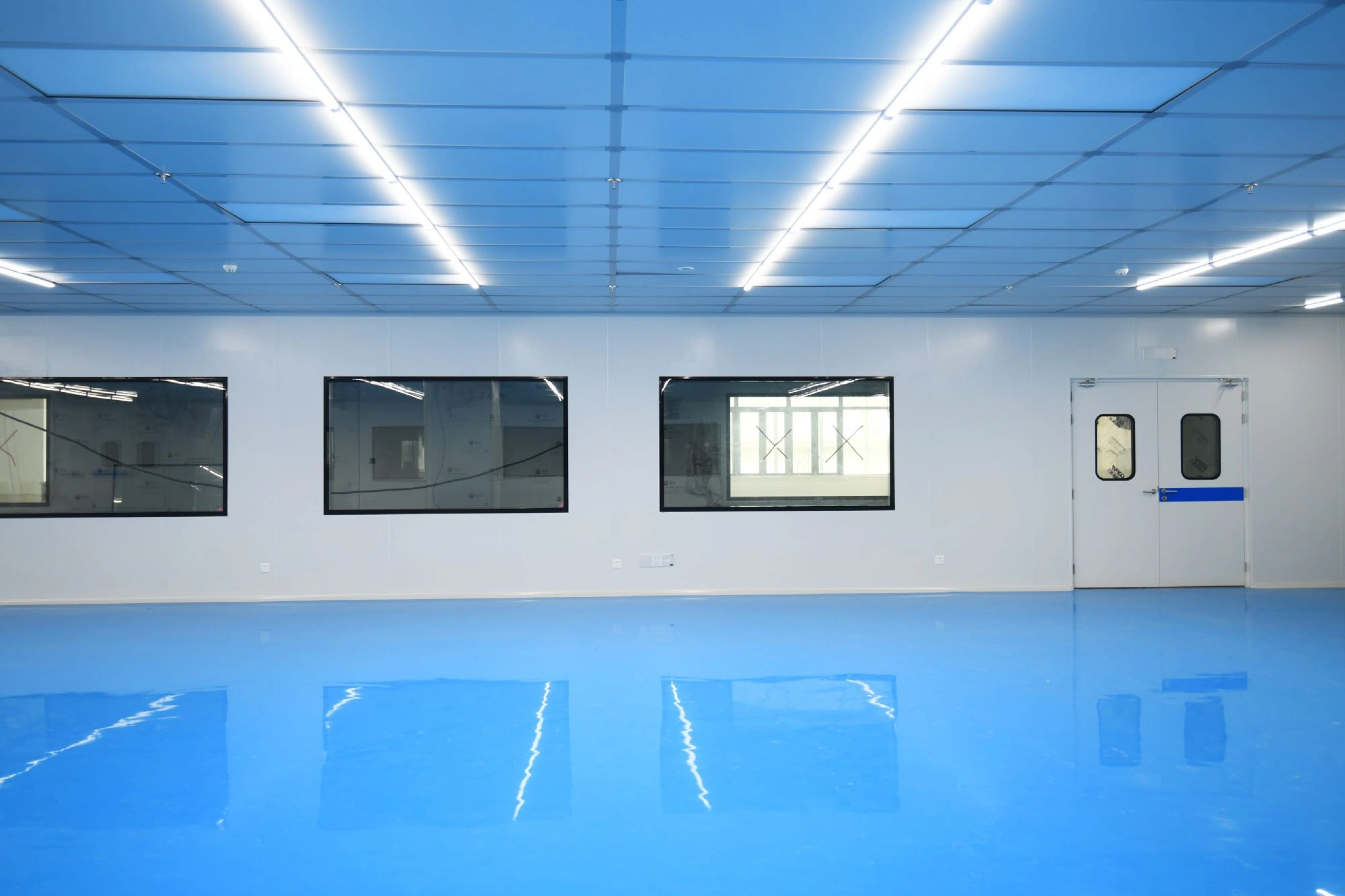
Le principal changement réside dans le passage d'une propreté visuelle à une traçabilité matérielle. Les panneaux muraux des salles blanches doivent contribuer à préserver la qualité de l'air, la sécurité incendie, l'hygiène et l'accès pour la maintenance, et ce, sur plusieurs années d'utilisation.
Comportement documenté du feu et de la fumée
Les panneaux ignifugés de classe A (A1) pour salles blanches constituent une solution de plus en plus sûre pour les environnements contrôlés comportant des systèmes de chaleur industrielle, des installations électriques ou soumis à des audits clients rigoureux. À titre indicatif, les panneaux sandwich MOS offrent une résistance au feu de 2 à 4 heures, tandis que les panneaux sandwich MGO à âme creuse sont généralement spécifiés pour une résistance de 1 à 2 heures. Le rapport doit correspondre aux caractéristiques réelles de l'âme, du revêtement, de l'épaisseur et du système de pose.
Libération réduite de particules et de fibres
Un bon système de climatisation ne peut compenser la fragilité des panneaux qui laissent échapper de la poussière ou exposent des fibres. Pour répondre aux normes des salles blanches de 2026, privilégiez les bords étanches, l'acier revêtu lisse, les surfaces non poreuses et les joints qui ne retiennent pas les particules autour des angles, des portes, des plaques de plafond ou des ouvertures de service.
Humidité et stabilité dimensionnelle
L'humidité est une cause fréquente de défaillance des matériaux pour salles blanches. Les panneaux en chlorure de magnésium plus anciens peuvent présenter des retours d'halogènes, de la corrosion ou des déformations au niveau des joints. Un taux d'absorption d'eau inférieur à 8 % et une résistance à la compression d'au moins 0,8 MPa offrent aux acheteurs des critères de comparaison plus précis pour les panneaux sandwich destinés aux salles blanches, avant même l'apparition de problèmes sur site.
Quelles données du panel faut-il vérifier avant une mise à niveau ?
Ne vous fiez pas uniquement au nom du produit pour approuver les matériaux destinés aux salles blanches. Demandez une fiche technique, un dossier de rapports d'essais, les spécifications de surface et un plan d'installation. Les paramètres suivants facilitent la vérification des affirmations du fournisseur.
|
Point de contrôle |
Paramètre à confirmer |
Valeur d'approvisionnement |
|
sécurité incendie |
Classement A1 ; résistance au feu des panneaux MOS : 2 à 4 h ; résistance au feu des panneaux MGO à âme creuse : 1 à 2 h |
Permet aux murs et aux plafonds des salles blanches de satisfaire aux normes de sécurité incendie plus strictes. |
|
stabilité à l'humidité |
Absorption d'eau < 8 % ; l'oxysulfure de magnésium est souvent spécifié pour une humidité ambiante sèche de 20 % à 65 %. |
Réduit l'enflure, le retour des halogènes, les taches et la mobilité articulaire. |
|
Force |
Résistance à la compression ≥ 0,8 MPa ; renfort de quille galvanisé ou en aluminium |
Assure la stabilité des panneaux muraux de salle blanche sous pression, en cas de choc et lors des opérations de maintenance. |
|
Options de taille |
Largeur artisanale : 300 à 1 180 mm ; largeur ondulée : 1 150 mm ; épaisseur : 50/75/100 mm ou 50 à 150 mm |
Permet de rendre plus précis l'agencement, la charge du plafond, l'isolation et la planification des rénovations. |
|
Noyau en laine de roche |
plage de densité de 60 à 120 kg/m3 |
Ajoute une protection contre l'incendie, une isolation thermique et une isolation acoustique. |
Type de noyau et plage d'épaisseur
Le matériau de l'âme influe sur la résistance au feu, la solidité, le poids, l'isolation acoustique et le comportement face à l'humidité. Les épaisseurs courantes des panneaux artisanaux sont de 50 mm, 75 mm et 100 mm, tandis que certains systèmes ondulés peuvent être personnalisés de 50 mm à 150 mm. La largeur peut également varier : les panneaux artisanaux mesurent souvent de 300 mm à 1 180 mm, tandis que de nombreux systèmes ondulés utilisent un format standard de 1 150 mm.
Option de feuille de surface et de revêtement
Le revêtement de surface doit être adapté à la fonction de la salle. L'acier prélaqué, les tôles revêtues de carbone antistatique, l'acier inoxydable 304 et l'acier inoxydable 316 peuvent être choisis en fonction des différents protocoles de nettoyage, des exigences en matière de contrôle de l'électricité statique et des niveaux d'humidité. Dans un projet de salle blanche pour semi-conducteurs, des plaques d'acier prélaqué de 0,476 mm d'épaisseur ont été utilisées pour les surfaces supérieure et inférieure des panneaux.
Contrôle des poussières sur les joints de structure et le site
Les panneaux à rainure et languette, les raccords mâle-femelle, les connexions centrales en aluminium, les trous pré-percés et les conduits intégrés réduisent les découpes et la poussière lors de l'installation. Dans les configurations appropriées, les panneaux sandwich à rainure et languette pour salles blanches s'installent environ deux fois plus vite que les méthodes de cloisonnement traditionnelles et peuvent réduire les coûts de main-d'œuvre jusqu'à 50 %.
Comment les différents panneaux sandwich pour salles blanches contribuent-ils aux projets de 2026 ?
Il n'existe pas de panneau idéal pour tous les espaces contrôlés. La meilleure approche consiste à adapter le noyau et la surface du panneau aux risques liés à la pièce, à l'humidité de fonctionnement, aux objectifs de résistance au feu et au calendrier d'installation.
Panneau en oxysulfure de magnésium pour zones sèches coupe-feu
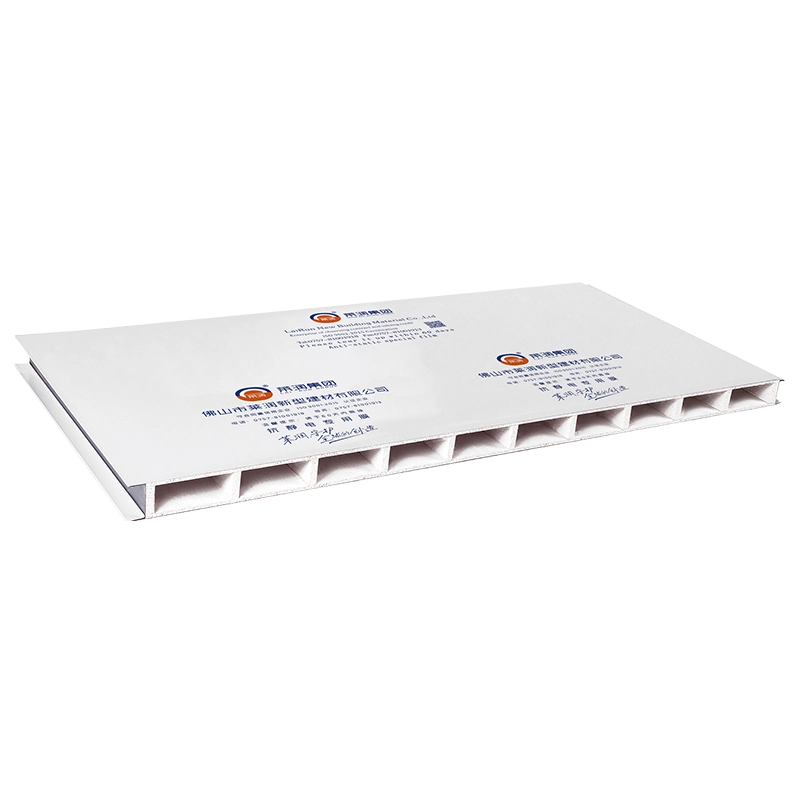
UN panneau sandwich en oxysulfure de magnésium Ce matériau est utile lorsqu'une protection incendie inorganique, une construction légère et des performances thermiques ou acoustiques stables sont requises. Son âme à base de sulfate et d'oxyde de magnésium contribue à éviter les problèmes liés aux chlorures. Il est généralement présenté comme non toxique, inodore, non corrosif, inaltérable, non absorbant l'humidité et sans formaldéhyde. Pour les environnements secs et contrôlés, une plage d'humidité de 20 % à 65 % doit être vérifiée lors de la spécification.
Panneau MGO à âme creuse pour le routage des services
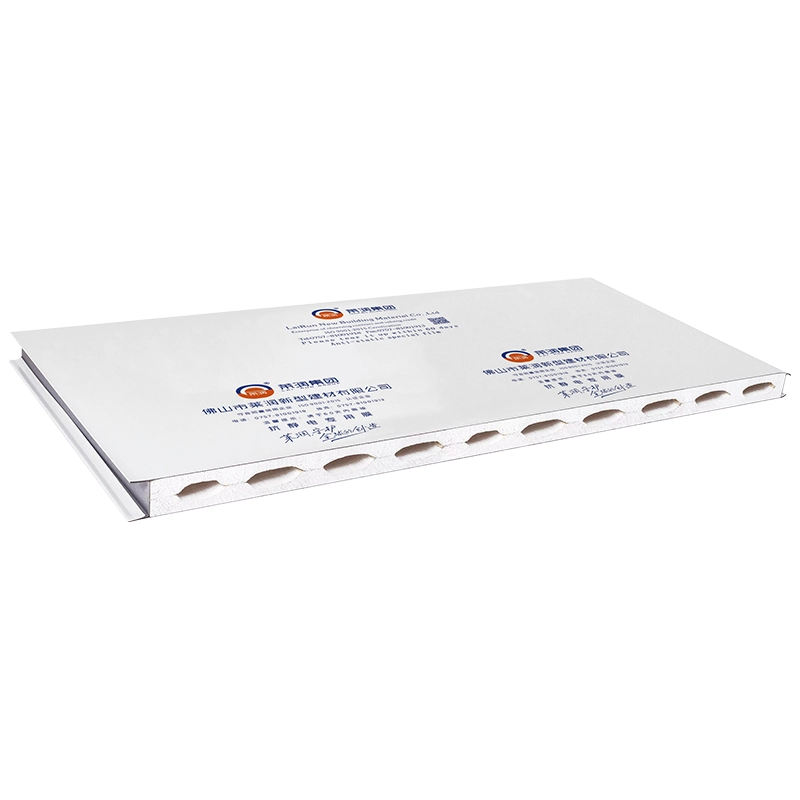
Un panneau sandwich MGO à âme creuse est une solution pratique lorsque le câblage, l'accès aux équipements techniques ou la coordination avec le plafond sont des aspects importants. Des tubes galvanisés ou en PVC peuvent être intégrés au panneau, réduisant ainsi le nombre de conduits apparents sur les surfaces des salles blanches. Pour les projets de rénovation, cela se traduit par moins de découpes, moins de poussière et une mise en service plus rapide.
Panneau de laine de roche pour répondre aux exigences acoustiques et thermiques
Un panneau sandwich en laine de roche reste une solution performante lorsque la sécurité incendie, l'isolation acoustique et thermique sont primordiales. Les fibres de laine de roche sont disposées perpendiculairement au panneau métallique, avec des bandes de laine de roche haute densité placées dans le sens de la longueur. Une densité courante se situe entre 60 et 120 kg/m³, ce qui le rend adapté aux usines d'électronique, aux industries agroalimentaires, aux laboratoires et aux locaux nécessitant une isolation acoustique.
Comment un plan de mise à niveau peut-il réduire les risques de validation et d'arrêt ?
La mise à niveau des matériaux d'une salle blanche doit être gérée comme une modification technique contrôlée. Les échantillons, les plans, la séquence d'installation et les rapports d'essais doivent être vérifiés au plus tôt afin d'éviter tout blocage du projet lors de la validation.
Examen préliminaire des échantillons et tests de maquettes
Avant une commande importante, examinez des échantillons de panneaux afin de vérifier leur planéité, l'adhérence du revêtement, l'étanchéité des bords, la solidité des joints, le poids et la densité du noyau. Un petit tronçon de mur factice permet de s'assurer que les panneaux muraux de salle blanche s'alignent correctement autour des portes, des angles, des ouvertures de reprise d'air et des raccords au plafond.
Coordination de l'agencement des plafonds et des ouvertures pour unités de ventilation et de climatisation
Les plaques d'obturation FFU, les cadres de porte, les points de levage au plafond, les arcs en aluminium, les profilés de base et les traversées de service ont tous une incidence sur la propreté. Les trous pré-percés et les conduits pré-encastrés réduisent les déchets de découpe et la poussière. Demandez au fournisseur de vérifier les plans avant la production lorsque la mise à niveau de la salle blanche est urgente.
Documents de preuve d'audit et registres de tenue de registres
Conservez ensemble les rapports d'essais, les dossiers de lots, les spécifications des panneaux, les notes de maintenance et les rapports de réparation. Lorsque les auditeurs vous demanderont pourquoi un panneau sandwich spécifique pour salle blanche a été choisi, votre équipe pourra mettre en avant sa résistance au feu, son taux d'humidité, son revêtement de surface et la structure de ses joints.
Par où commencer la discussion avec les fournisseurs ?
Une fois la liste de contrôle technique établie, la qualification des fournisseurs devient plus facile à évaluer. LAIRUN L'entreprise exploite une usine de 38 000 mètres carrés à Foshan, équipée de huit lignes de production hautement automatisées et d'une capacité de production journalière d'environ 25 000 mètres carrés. Les acheteurs peuvent comparer les options de matériaux pour salles blanches via le site web. centre de produits et examiner la planification des applications dans le centre de solution.
Preuves de contrôle qualité et d'échelle industrielle
Pour renforcer la confiance des acheteurs, demandez des informations sur la capacité de production, les certificats de qualité, les brevets de produits, les rapports de tests et les références de projets. LAIRUN possède plus de 25 ans d'expérience en R&D dans le domaine des panneaux sandwich pour salles blanches, les certifications ISO 9001:2015 et ISO 14001:2015, et des technologies de panneaux brevetées. page à propos peut faciliter la vérification des antécédents avant toute discussion technique.
Personnalisation des matériaux pour salles blanches spécifiques au projet
Avant tout achat, un cahier des charges plus précis devrait définir l'épaisseur, la largeur, le matériau de l'âme, le revêtement en acier, la couleur, le type de joint, le système de plafond et les ouvertures techniques. Des options telles que des épaisseurs de 50, 75 ou 100 mm, des finitions mates blanc, gris ou acier inoxydable, un code couleur bleu clair ou vert clair, et des joints mâle-femelle ou centraux en aluminium permettent d'adapter la pièce aux exigences techniques et fonctionnelles.
Références jurisprudentielles avant approbation finale
Avant l'approbation finale, veuillez demander des exemples de projets réalisés dans des secteurs similaires. Les produits LAIRUN sont exportés dans plus de 30 pays et utilisés dans les domaines de la santé, des semi-conducteurs, des laboratoires, de la pharmacie, de l'agroalimentaire et d'autres environnements à atmosphère contrôlée. Consultez les centre de cas ou demandez des photos comparables et des détails sur les matériaux avant de signer.
Que devez-vous demander avant de passer commande ?
Lors de la phase finale d'approvisionnement, communiquez directement avec le fournisseur. Ne commandez pas de matériel pour salles blanches en vous basant uniquement sur le nom du produit. Demandez les données, l'échantillon, le schéma et le plan de service qui prouvent que le panneau est conforme aux normes de votre salle blanche 2026.
Fiche technique et rapport d'essai
Demandez la classification de résistance au feu, la durée de résistance au feu, l'absorption d'eau, la résistance à la compression, le matériau de surface, le type de revêtement, la tolérance d'épaisseur et les plans d'installation. Le rapport doit correspondre à la structure réelle du produit, et non se limiter à la dénomination du matériau de base.
Examen détaillé d'un panel d'échantillons et d'un joint
Demandez un échantillon avant de passer une commande importante de panneaux muraux pour salle blanche. Vérifiez la qualité du revêtement, la densité du noyau, l'étanchéité des joints, le joint d'étanchéité des bords, l'homogénéité de la couleur et la résistance aux chocs. Utilisez le page de contact pour demander des conseils sur les échantillons et confirmer les conditions d'humidité, d'incendie et d'installation.
Service technique pendant l'installation
L'assistance à l'installation peut réduire les reprises. Demandez de l'aide concernant le séquencement des panneaux, la méthode d'assemblage, les plaques d'obturation de plafond, les connexions de porte, les conduits encastrés et les conseils de maintenance. page de service et direct consultation technique peut aider votre équipe à confirmer la nomenclature finale avant la production.
FAQ
Q1 : Quels matériaux de salle blanche sont les plus adaptés à une mise à niveau en 2026 ?
A : Commencez par des panneaux sandwich pour salles blanches ignifugés de classe A ou A1, offrant un faible dégagement de particules, des joints étanches, des surfaces lisses, une absorption d'eau inférieure à 8 % et une résistance à la compression d'au moins 0,8 MPa. Choisissez ensuite des panneaux en laine de roche, en oxysulfure de magnésium ou en MGO à âme creuse adaptés à chaque fonction de la salle.
Q2 : Quelle épaisseur dois-je choisir pour les panneaux muraux de salle blanche ?
A: De nombreux panneaux fabriqués à la main utilisent une épaisseur standard de 50 mm, avec des options de 75 mm et 100 mm pour des besoins accrus en isolation, résistance au feu ou solidité. Certains systèmes ondulés peuvent être personnalisés de 50 mm à 150 mm.
Q3 : Les panneaux de salle blanche fabriqués à la main valent-ils leur coût plus élevé ?
A: Ils peuvent s'avérer intéressants pour les salles blanches de haute qualité, car les panneaux faits main offrent généralement des joints plus serrés, un renforcement des bords plus solide, une meilleure étanchéité et une personnalisation plus flexible.
Q4 : Dois-je demander un échantillon avant d’acheter des panneaux sandwich pour salle blanche ?
R : Oui. Un échantillon vous permet de vérifier la qualité de surface, le revêtement, l'étanchéité des bords, l'ajustement des joints, la couleur et la structure du noyau avant de passer une commande importante. Contactez le fournisseur pour demander un échantillon et confirmer la meilleure option de panneau de salle blanche pour votre mise à niveau 2026.
