


Material Panel Sandwich Mana yang Menawarkan Ketahanan Kimia Terbaik untuk Bioteknologi?
Waktu: 12 Juni 2026 tampilan : 1240
Memilih panel sandwich ruang bersih tahan bahan kimia untuk fasilitas bioteknologi merupakan keputusan pengadaan yang berdampak besar. Panel dinding dan langit-langit harus mampu menahan VHP, asam perasetat, pembersihan dengan alkohol, pembersih alkali, kontrol kelembaban, dan perubahan tekanan tanpa pembengkakan, delaminasi, korosi, atau pelepasan partikel. Panel dinding ruang bersih bioteknologi terbaik harus dinilai berdasarkan material inti, lapisan permukaan, penyerapan air, kekuatan tekan, peringkat tahan api, penyegelan sambungan, dan kompatibilitas dengan protokol pembersihan Anda.
Mengapa Resistensi Kimia Menentukan Keberhasilan di Ruang Bersih Bioteknologi?
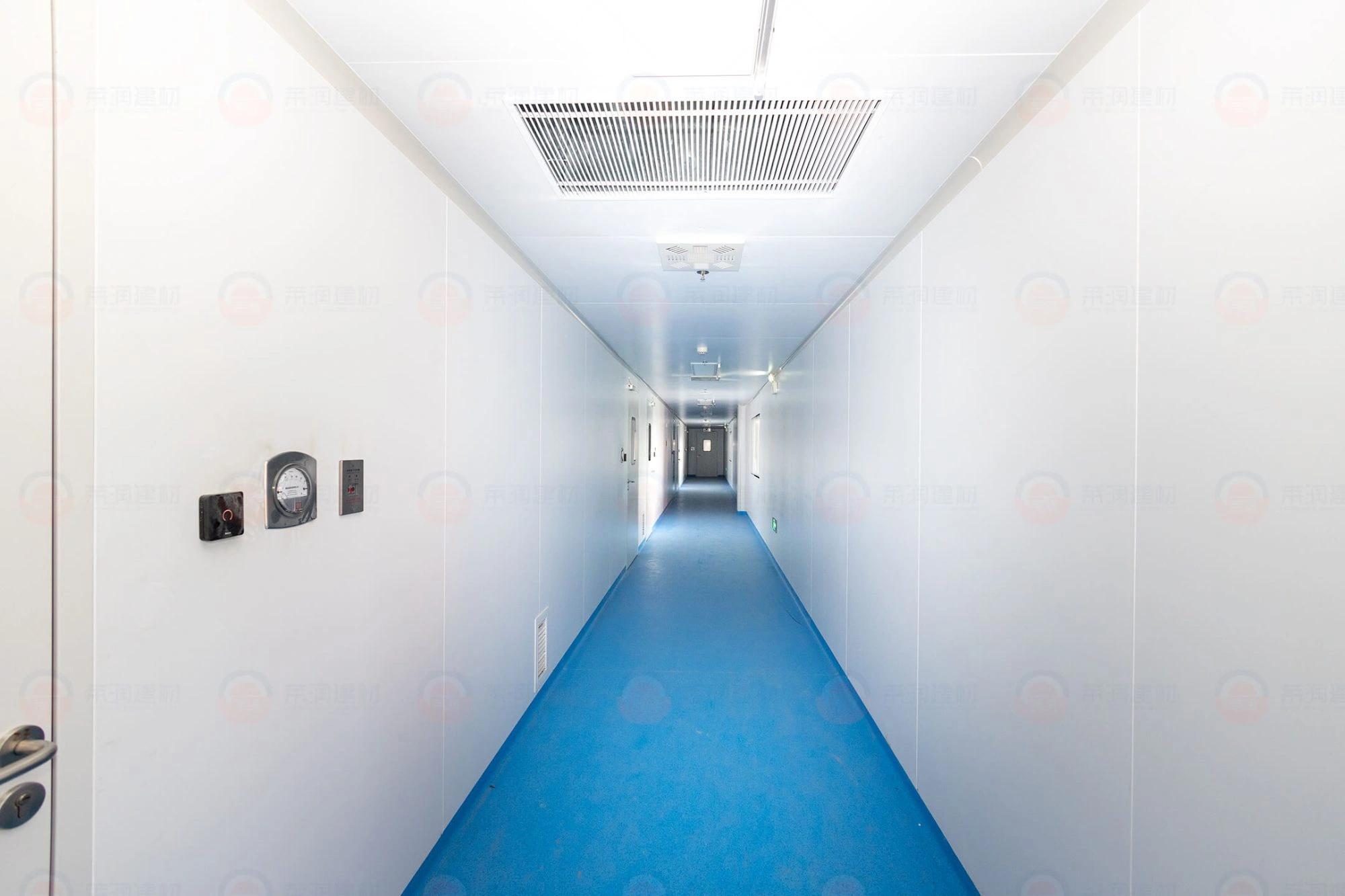
Ruang produksi dan penelitian bioteknologi menggunakan rutinitas pembersihan yang lebih ketat daripada ruang industri biasa. Jika panel rusak akibat disinfeksi berulang, retakan, tepi yang membengkak, dan pengelupasan lapisan dapat menjadi sumber kontaminasi. Panel ruang bersih yang tahan bahan kimia melindungi catatan validasi, keamanan batch, dan alur kerja laboratorium sehari-hari.
Protokol Sterilisasi Ketat dan Bahan Korosif
Uap hidrogen peroksida (VHP), asam perasetat, etanol, isopropil alkohol, natrium hipoklorit, dan deterjen alkali umum digunakan dalam rencana pembersihan bioteknologi. Bahan-bahan ini dapat merusak lapisan yang lemah dan tepi yang tidak tertutup rapat. Panel sandwich ruang bersih bioteknologi yang sesuai harus tahan terhadap kontak kimia singkat dan siklus pembersihan berulang.
Risiko Degradasi dan Kontaminasi Material
Ketika permukaan panel rusak, celah mikro terbentuk di sekitar goresan, sambungan, dan potongan. Area-area ini lebih sulit disterilkan dan dapat menampung kelembapan, jamur, atau residu. Panel sandwich tahan bahan kimia dengan permukaan yang tidak berpori dan inti yang stabil mengurangi kegagalan kebersihan yang tersembunyi.
Integritas Struktural Jangka Panjang Fasilitas Bioteknologi
Mengganti panel dinding di dalam laboratorium operasi sangat mahal dan mengganggu. Pilih material panel dinding ruang bersih yang tahan lama pada tahap desain. Peringkat tahan api, penyerapan air, ketahanan terhadap tekanan, toleransi kelembaban, dan lapisan permukaan harus diperiksa sebelum pembelian.
Bagaimana Berbagai Material Inti Menangani Disinfektan yang Agresif?
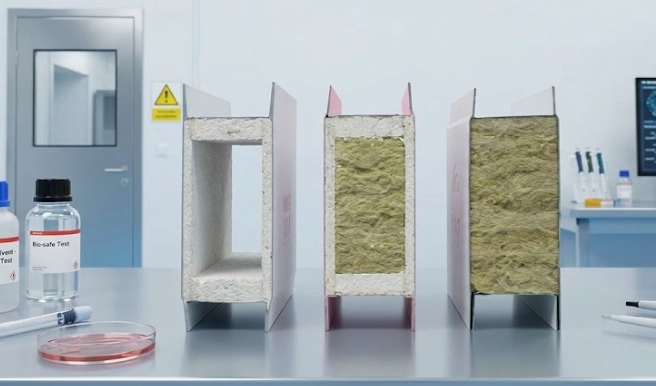
Inti panel menentukan apakah panel tetap rata, stabil, dan aman setelah terpapar kelembapan atau kebocoran bahan kimia yang tidak disengaja. Dalam proyek bioteknologi, material panel sandwich terbaik harus menyeimbangkan keamanan terhadap api, ketahanan terhadap kelembapan, dan kemudahan pembersihan.
Panel Sandwich Wol Batu untuk Keamanan dan Stabilitas Kebakaran yang Unggul
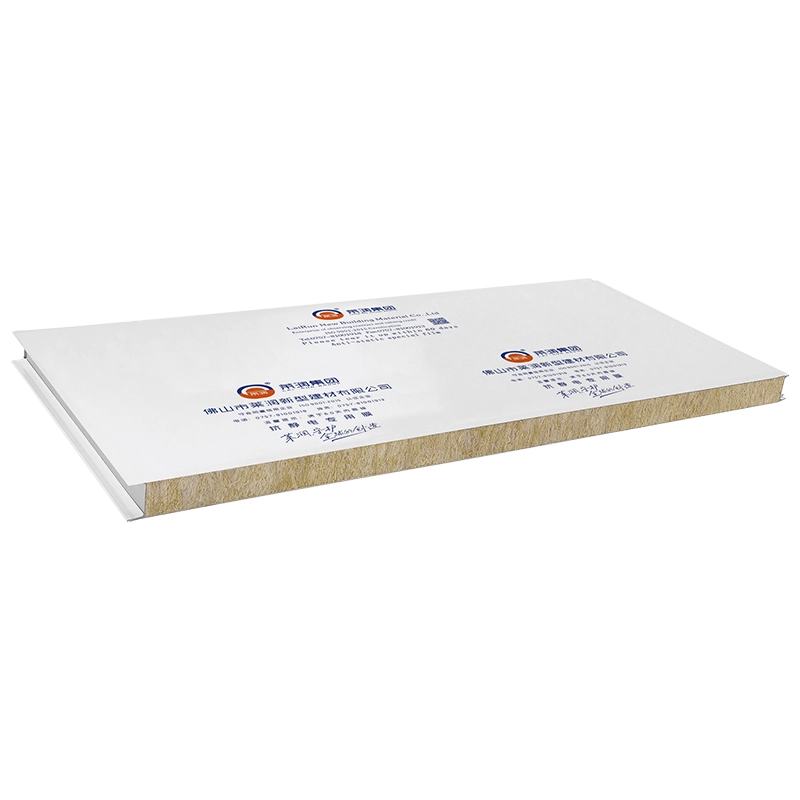
Panel sandwich wol batuan sering dipilih di tempat-tempat yang mengutamakan keselamatan kebakaran, peredaman suara, dan insulasi termal. Wol batuan berbentuk strip dengan kepadatan tinggi ditempatkan tegak lurus terhadap permukaan logam untuk meningkatkan daya dukung beban. Spesifikasi umum meliputi ketebalan standar 50 mm, ketebalan opsional 75 mm atau 100 mm, dan kepadatan wol batuan dari 60 hingga 120 kg/m³.
Panel Sandwich MGO Berongga untuk Ruang Bersih Tahan Bahan Kimia
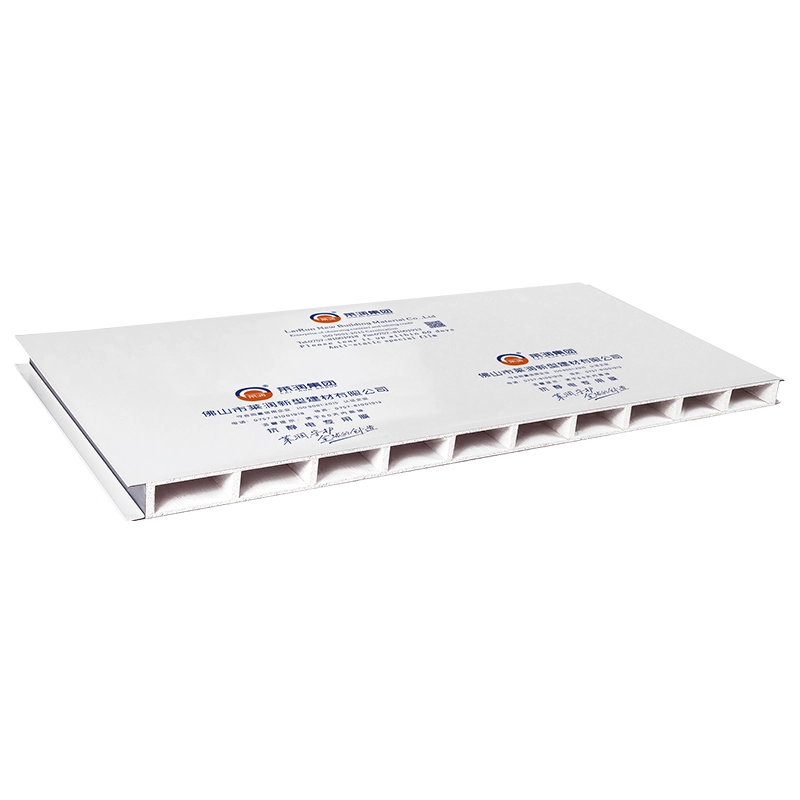
Untuk area bioteknologi yang basah atau membutuhkan banyak bahan kimia, panel sandwich MGO berongga seringkali lebih kuat. Panel magnesium kaca berbasis magnesium sulfat modern menghindari pelepasan ion klorida, mengurangi korosi baja dan penyerapan kelembapan. Data tipikal meliputi peringkat tahan api A1, ketahanan api 1 hingga 2 jam, penyerapan air di bawah 8%, dan kekuatan tekan pada atau di atas 0,8 MPa.
Perbandingan Kinerja Terhadap Dekontaminan Biologis Umum
Wol batuan berkinerja baik ketika perlindungan terhadap api dan kenyamanan akustik menjadi prioritas. Panel MGO dan magnesium oksisulfida berongga lebih menarik ketika stabilitas kelembaban, inertness kimia, dan risiko korosi yang lebih rendah menjadi hal utama. Banyak tim bioteknologi menggabungkan material berdasarkan zona daripada menggunakan satu jenis panel di mana-mana.
|
Opsi material |
Referensi parameter |
Penggunaan bioteknologi yang direkomendasikan |
|
Panel sandwich wol batu |
Kepadatan 60-120 kg/m3; pilihan 50/75/100 mm; inti tahan api Kelas A |
Laboratorium tahan api, ruang peralatan, area kontrol akustik |
|
Panel sandwich mgo inti berlubang |
Peringkat tahan api A1; ketahanan api 1-2 jam; penyerapan air =0,8 MPa |
Zona ruang bersih basah, area pembersihan kimia, dinding terintegrasi utilitas. |
|
Panel sandwich MOS |
Peringkat tahan api A1/Kelas A; ketahanan api 2-4 jam; penyerapan air =0,8 MPa |
Sistem dinding bioteknologi dengan tingkat keamanan kebakaran dan stabilitas kelembaban yang tinggi. |
Mengapa Lapisan Permukaan Sama Pentingnya dengan Inti?
Bahkan inti yang kuat pun dapat gagal jika lapisan pelindungnya tidak mampu menahan disinfektan. Permukaan adalah penghalang pertama terhadap asam, basa, alkohol, dan VHP. Untuk panel sandwich ruang bersih yang tahan bahan kimia, sesuaikan pemilihan lapisan pelindung dengan protokol pembersihan yang tepat.
Pelapis PVDF Anti-korosi Khusus
Lapisan PVDF dihargai karena ketahanannya terhadap asam, alkali, perubahan warna, dan pengelupasan. Untuk area dengan korosi yang lebih tinggi, baja tahan karat 304 atau 316 juga dapat ditentukan. Baja berlapis PE dasar mungkin dapat diterima di zona dengan risiko lebih rendah.
Perawatan Permukaan Antimikroba untuk Keamanan Bioteknologi
Pelat baja berwarna berlapis karbon anti-statis dan perawatan permukaan antibakteri membantu mengurangi daya tarik debu dan retensi mikroba. Pelat ini berguna di ruang steril, jalur pengisian, produksi alat kesehatan, dan koridor laboratorium dengan pembersihan yang sering.
Ketahanan terhadap Penguapan Hidrogen Peroksida yang Sering Terjadi
VHP (Vapor Hypersensitivity Pressure) dapat menjangkau sudut, sambungan, dan antarmuka langit-langit. Penyegelan yang buruk dapat memungkinkan uap menyerang lapisan perekat atau tepi. Panel sandwich ruang bersih yang berkualitas harus menggunakan perekat yang stabil, sambungan yang rapat, dan potongan yang tertutup rapat sehingga siklus uap reguler tidak melemahkan sistem.
Bisakah rekayasa panel sandwich yang tepat mencegah kontaminasi silang?
Kontaminasi silang sering dimulai pada celah sambungan, kabel yang terbuka, lubang yang tidak rapi, dan lubang di langit-langit. Panel dinding ruang bersih bioteknologi yang tepat seharusnya mengurangi jebakan debu dan membuat setiap lubang servis lebih mudah ditutup.
Teknologi Penyegelan dan Pencegahan Kebocoran Bahan Kimia
Panel buatan tangan seringkali lebih disukai untuk ruang bersih kelas tinggi karena memberikan sambungan yang lebih rapat, tepi yang diperkuat, dan penyegelan yang lebih baik daripada panel buatan mesin biasa. Sambungan jantan-betina, aluminium tengah, dan sambungan panel buta memungkinkan para insinyur untuk mencocokkan metode penyambungan dengan setiap zona.
Integrasi Tanpa Cela dengan Sistem HVAC Ruang Bersih
Ruang bioteknologi membutuhkan interaksi yang bersih antara panel, pasokan udara, dan sistem langit-langit. Pelat penutup FFU dapat menggunakan ukuran 1175 mm x 1175 mm atau 575 mm x 575 mm, dengan ketebalan 12 mm atau 13 mm. Lubang yang sudah dibuka dan saluran terintegrasi mengurangi pemotongan di lokasi.
Permukaan Non-porous untuk Sterilisasi Cepat
Permukaan yang tidak berpori menjaga disinfektan tetap berada di permukaan panel dan tidak meresap ke dalam. Hal ini meningkatkan efisiensi pembersihan dan mempersingkat waktu persiapan antara aktivitas produksi atau pengujian.
Apa Saja Kriteria Seleksi Esensial untuk Bahan Panel Bioteknologi?
Jangan memilih panel bioteknologi hanya berdasarkan harga beli. Mulailah dengan bahan kimia yang digunakan di lokasi, kemudian bandingkan bahan inti, lapisan, peringkat tahan api, kisaran kelembaban, ketebalan, dan jenis sambungan.
Toleransi Nilai pH dan Kompatibilitas Kimia
Pemutih dan pembersih alkali meningkatkan paparan pH, sementara beberapa bahan kimia proses mungkin bersifat asam. Lapisan pelindung harus tahan terhadap pengikisan, pemudaran, dan pengelupasan dalam kisaran pH sebenarnya. Mintalah informasi kompatibilitas lapisan pelindung sebelum persetujuan akhir.
Ketahanan Penyerapan Kelembapan di Lingkungan Lembap
Area bioteknologi sering beroperasi di bawah kelembapan terkontrol. Inti MGO dan magnesium oksisulfida berongga mengurangi pembengkokan, korosi, dan kehilangan kekuatan akibat kelembapan. Carilah penyerapan air di bawah 8% dan pastikan kisaran kelembapan operasi yang sesuai.
Kepatuhan Regulasi dengan Standar Ruang Bersih Internasional
Dokumentasi pemasok sangat penting. Sistem ISO9001 dan ISO14001, laporan pengujian produk, data kinerja tahan api, dan ketertelusuran material mendukung persiapan audit. Untuk ruang bersih bioteknologi berisiko tinggi, klaim harus didukung oleh bukti.
Mengapa LAIRUN Merupakan Mitra Praktis untuk Panel Bioteknologi Berkinerja Tinggi?
Setelah persyaratan material ditentukan, bukti dari pemasok menjadi penting.. LAIRUN mengoperasikan 38.000 m2 fasilitas dengan delapan jalur produksi berotomatisasi tinggi, output harian sekitar 25.000 m³2, sembilan paten, dan sistem ISO9001/ISO14001. Tinjauan solusi ruang bersih bioteknologi dan membandingkan bahan-bahan di dalamnya pusat produk sebelum spesifikasi akhir.
Rekayasa Presisi dalam Solusi Wol Batu, MGO, dan MOS
Perusahaan ini menawarkan panel wol batuan, magnesium kaca, magnesium oksisulfida, dan wol batuan magnesium kaca untuk berbagai kondisi ruang bersih. Pembeli dapat membandingkan lebar buatan tangan 300 mm hingga 1180 mm, lebar buatan mesin 1150 mm, dan rentang ketebalan 50/75/100 mm atau 50-150 mm.
Terbukti Digunakan dalam Proyek Bioteknologi, Medis, dan Laboratorium
Tim pengadaan bioteknologi harus meminta referensi proyek Alih-alih mengandalkan klaim umum. Perusahaan ini telah memasok panel untuk lingkungan farmasi, rumah sakit, laboratorium, makanan, elektronik, dan semikonduktor serta mengekspor ke lebih dari 30 negara.
Layanan Dukungan Teknis, Sampel, dan Kustomisasi
Sebelum menentukan spesifikasi panel sandwich ruang bersih tahan bahan kimia, mintalah sampel dan konfirmasikan lapisan, inti, ketebalan, peringkat tahan api, dan desain sambungan. Dukungan teknis dapat membantu menentukan apakah wol batuan, MGO inti berongga, magnesium oksisulfida, atau sistem gabungan adalah yang terbaik. Gunakan halaman kontak untuk penawaran harga atau tinjauan sampel.
PERTANYAAN YANG SERING DIAJUKAN
Q1: Apa material panel sandwich terbaik untuk ketahanan kimia di bidang bioteknologi?
A: Panel MGO dan magnesium oksisulfida berongga merupakan pilihan yang tepat untuk zona bioteknologi yang terpapar kelembapan, disinfektan, dan siklus pembersihan. Wol batuan tetap berharga di tempat di mana keselamatan kebakaran dan isolasi akustik menjadi prioritas utama.
Q2: Dapatkah panel wol batuan digunakan di laboratorium bioteknologi dengan kelembaban tinggi?
A: Larutan tersebut dapat digunakan di zona yang sesuai, tetapi periksa paparan kelembapan, penyegelan, dan perlindungan lapisan. Untuk area yang selalu basah, larutan MGO atau magnesium oksisulfida mungkin menawarkan stabilitas yang lebih baik.
Q3: Parameter apa saja yang harus saya bandingkan sebelum membeli panel bioteknologi?
A: Bandingkan peringkat tahan api, jam ketahanan api, penyerapan air, kekuatan tekan, ketebalan, kepadatan wol batuan, jenis pelapis, kisaran kelembaban, desain sambungan, dan laporan pengujian.
Q4: Apakah panel ruang bersih tahan bahan kimia melepaskan gas berbahaya?
A: Panel ruang bersih anorganik berkualitas tinggi dirancang agar tidak beracun, tidak berbau, tidak korosif, tidak mudah retak, stabil terhadap kelembapan, dan bebas formaldehida.
Q5: Haruskah saya meminta sampel sebelum mengkonfirmasi pesanan panel bioteknologi?
A: Ya. Sampel memungkinkan tim Anda untuk memeriksa lapisan, penyegelan tepi, struktur inti, kerataan, dan warna sebelum pesanan dalam jumlah besar. Ini juga merupakan momen yang tepat untuk meminta konfirmasi teknis untuk kompatibilitas kimia.
