

5 New Cleanroom Technology Trends
Time : January 22, 2026 View : 515
The cleanroom field advances quickly. If standard sandwich panels still get viewed the way they did a decade back, chances are some key changes in building and upkeep of these areas slip by. Stricter fire rules and the drive for quicker on-site setup push the technology in those plain walls forward.
How Is Material Innovation Enhancing Fire Safety and Durability?
Cleanroom panels long faced a basic choice. They offered strong fire performance or simple handling. Now that balance shifts. Today’s labs and plants cannot accept materials that bend out of shape. Worse yet, they avoid ones that fuel fires.
Exclusive Magnesium Oxysulfide Formulas for Class A Fireproofing
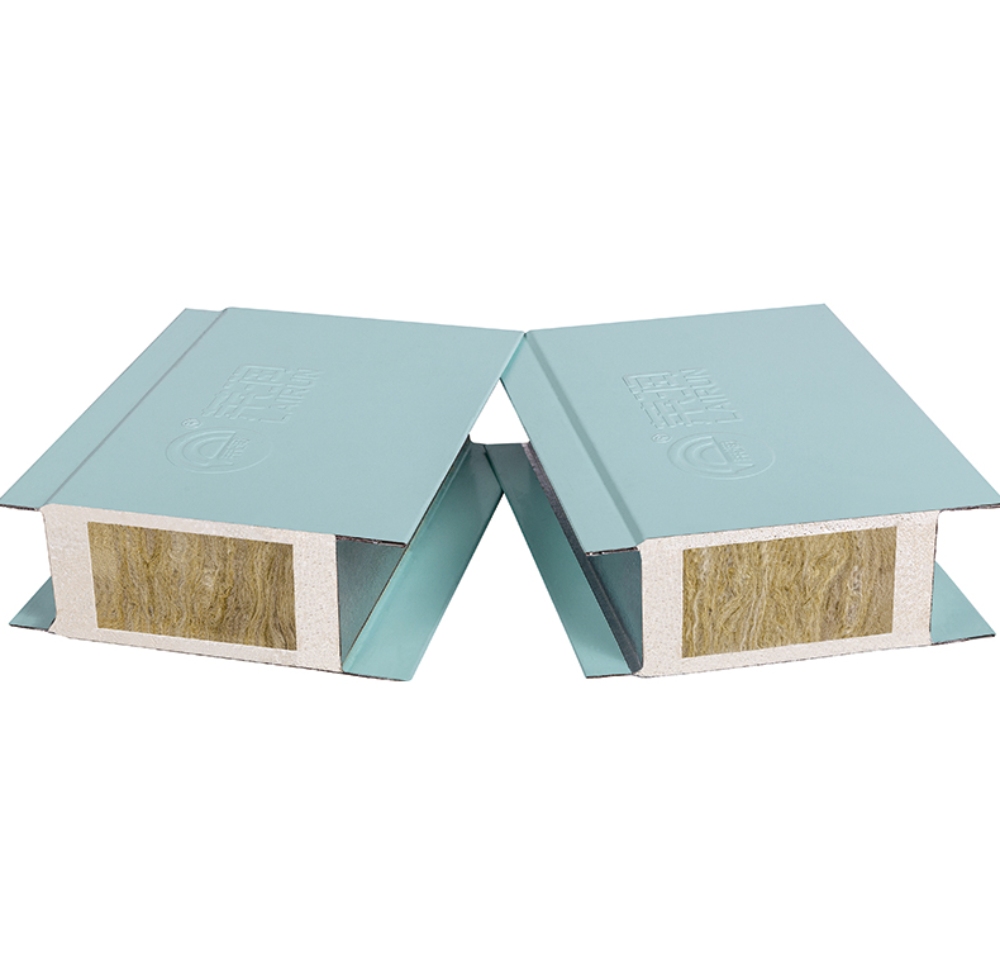
People in the sector often recall troubles with common boards. LAIRUN’s Magnesium Oxysulfide (MOS) core brings fresh progress. The focus goes beyond basic testing. It centers on real behavior during intense heat. These panels achieve Class A non-combustible status with ease. They suit high-risk areas where fire protection serves as more than a mere item on a list. It acts as a core need for ongoing operations.
Advanced Core Materials with Zero Moisture Absorption
Moisture ranks as a major hidden threat to cleanroom walls. Traditional magnesium chloride panels deal with “halogen return.” This involves damp buildup that causes rust over time. LAIRUN’s tailored MOS blend largely ends this issue. The material holds dry and firm. Thus, panels keep their form and strength even when air dampness rises.
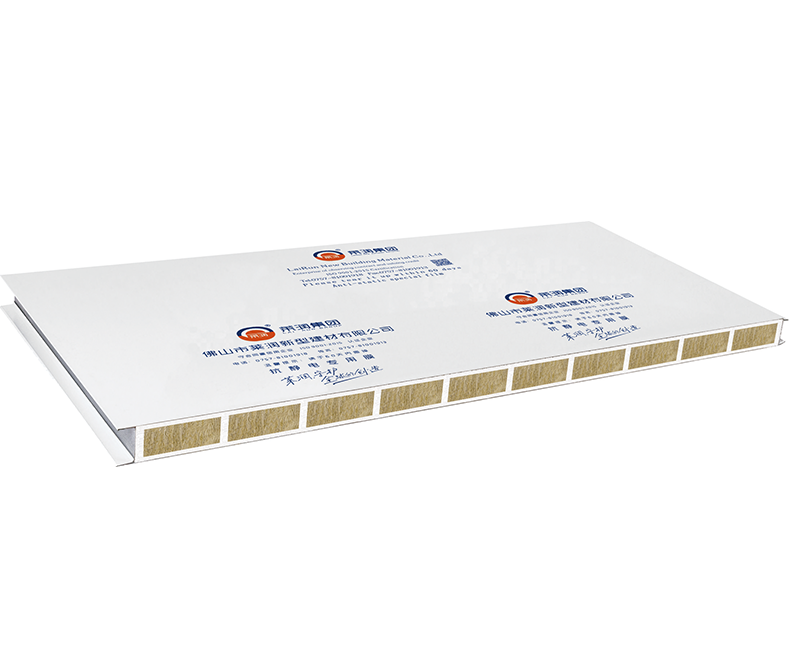
High-Density Rock Wool for Superior Impact Resistance
A dented panel from shifting gear highlights why thickness counts. Rather than packing wool loosely into frames, these fibers align straight against the metal side. This minor setup change boosts the build’s toughness. It stands up well to knocks and jolts. Busy cleanroom spaces require exactly that kind of resilience.
Materials matter, but production methods bring another layer of change. A solid recipe helps. Yet turning it into large quantities without flaws takes skill.
Why Are Automated Production Lines Crucial for Global Standards?
Hand-assembled panels fade from major work. Shipments head worldwide to places like the US or Europe. Quality must match from the initial piece to thousands more.
Precision Engineering Through Eight High-Automation Lines
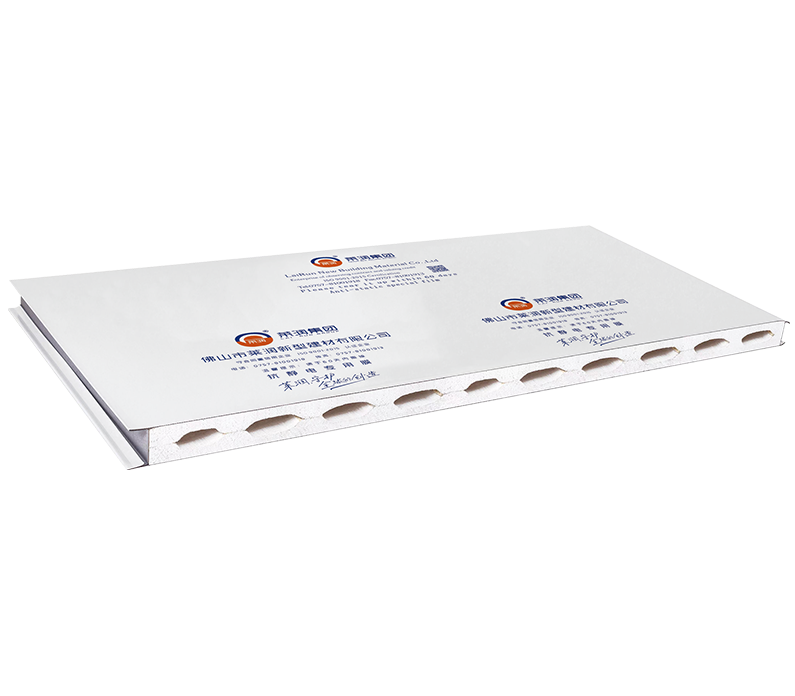
LAIRUN operates eight complete automated setups. Buyers care because machines avoid fatigue or sloppy adhesive work. Removing human error in pressing and joining yields flatter surfaces. Bonds hold firmer too. Factory accuracy arrives consistently with each batch.
Massive Output Capacity for Large-Scale Global Projects
Large jobs carry tight schedules. A 38,000-square-meter plant produces 25,000 square meters daily. That scale impresses. It enables supply to over 30 countries. Delays rarely halt construction due to supply issues.
Patented Manufacturing Equipment for Seamless Panel Quality
Equipment comes custom, not generic. Nine patents cover items like ongoing adhesive systems. Such designs fit these panels perfectly. The outcome shows in smooth edges and exact fits. Contractors spot these traits right away during assembly.
Can Modern Connection Systems Reduce On-Site Construction Costs?
Workforce expenses climb. Skilled help grows scarce. Tools that speed up tasks without skimping on quality win out.
Tongue-and-Groove Designs Slashing Labor Costs by 50%
Tongue-and-groove joints work like simple connectors. They save the most time. No need for tricky positioning. Pieces fit snugly. Reports show labor time drops by half in many cases. The process runs quicker. It stays neater. Errors prove rare.
Specialized Aluminum Joints for Superior Airtight Sealing
Advanced labs depend on steady air pressure. Basic links fall short. Middle-aluminum or “Chinese Character” aluminum joints build stronger barriers. Gaps stay even. The space holds air inside reliably. That seals the purpose of cleanroom design.
Customized Panel Sizing to Eliminate On-Site Construction Cutting
Sawing panels at the site drags progress. Noise fills the air. Mess spreads. Dust appears, the worst foe in these areas. Pre-sized panels match exact plans. Waste shrinks. The build site remains tidy through the process.
Joints aid assembly. Panels now handle building essentials too.
Which Specialized Panels Solve Complex Engineering Challenges?
Cleanroom walls serve beyond blocking. They integrate into the structure’s core systems. Designers seek methods to conceal rough elements. Functionality stays intact.
Embedded Pipe Rock Wool Panels for Neat Electrical Routing
Visible pipes clash with cleanroom standards. A rising fix involves built-in PVC or galvanized pipes in the rock wool center. Wires run directly through walls. Surfaces stay level. Cleaning becomes straightforward. Teams appreciate the ease down the line.
MGO Rock Wool Panels for Multi-Functional Protection
Single materials sometimes lack coverage. The Panel Sandwich Wol MgO combines strengths. It blends Glass Magnesium’s solidity with Rock Wool’s heat block. This mix tackles multiple needs. Fire resistance holds. Sound dampens. Moisture stays out all at once.
Anti-Bacterial Coatings for Biopharmaceutical Environments
Pharma and food sectors guard surfaces closely. Color-coated steel with built-in bacteria fighters sets a common mark. These layers endure strong cleaners. Paint clings. Metal avoids decay from repeated washes.
How Does the SVB Service System Guarantee Project Success?
Panel purchases need clarity, not guesswork. The sector heads toward full-support models. Makers join early in design. They go beyond delivery.
Scientific Research Parameters for Evidence-Based Selection
The “S” in LAIRUN’s SVB setup means Scientific. Lab facts guide core choices. No hunches on chemical or heat tolerance. Test outcomes inform decisions. Building follows solid proof.
Integrated Supply Chain for Reliable Quality Control
“Verbund” production controls origins. LAIRUN crafts Magnesium Sulfate cores in-house. Skipping suppliers tightens oversight. Final pieces reflect known inputs. Quality tracks from start to end.
Whether you are planning a new cleanroom, upgrading fire-rated walls, or optimizing your facility for pharmaceutical, semiconductor, or food-grade production, LAIRUN’s engineering team is ready to support your project from design to delivery.
FAQ
Q1:What makes Magnesium Oxysulfide (MOS) better than standard rock wool? A:Rock wool shines in fire protection. MOS brings extra firmness and water resistance. It avoids drooping or soaking. Humid spots or rough-use walls benefit over time.
Q2:Can these panels be used for food grade facilities?
A:Yes. Anti-bacterial layers and tight aluminum links suit food handling. They withstand deep scrubs and sanitizers. Safety rules get met without fail.
Q3:How do I know which thickness to choose for my project?
A:Local fire guidelines and wall heights guide picks. Thicker options insulate more. They bridge wider spans unsupported. Review area codes first. Then check maker’s support data.
