



Clean Room vs. Controlled Environment Key Differences You Should Know
Time : January 30, 2026 View : 477
In sectors where air purity, surface hygiene, and condition steadiness directly influence product safety and efficiency, building guidelines are far from minor concerns. People frequently group clean rooms and controlled environments in discussions. However, they fulfill distinct roles and adhere to quite separate technical guidelines. Mixing them up might result in increased expenses, regulatory hurdles, or ongoing functional challenges.
Grasping the ways these areas vary, along with how suitable construction elements aid each, enables project leaders to decide wisely right from the planning phase. This is precisely where expert cleanroom panel setups, like those created by LAIRUN, offer real value in electronics, pharmaceuticals, food handling, and lab initiatives.
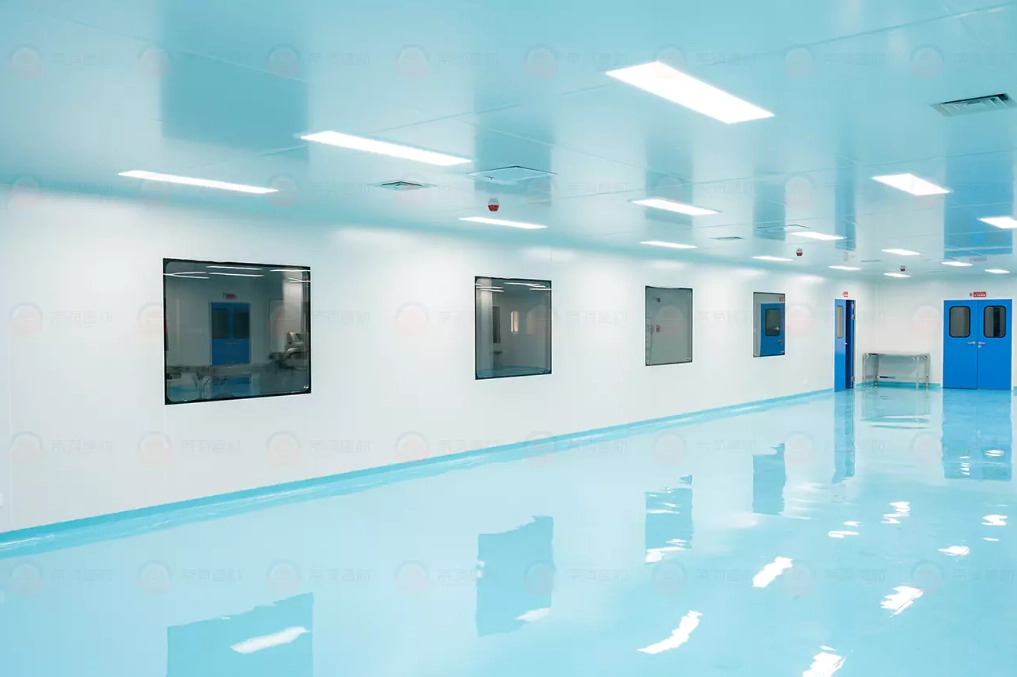
What Is a Clean Room?
A clean room aims to manage contamination at an advanced degree. Dust, floating particles, microbes, and even staff movements are handled with care to satisfy rigorous benchmarks.
Prior to examining exact performance needs, it proves useful to see what marks a clean room in routine use and building work.
Definition Of Clean Room
A clean room consists of an enclosed area where particle levels, air movement, temperature, moisture, and pressure are all adjusted based on global norms like ISO 14644. Such rooms support operations where even small contaminants might trigger flaws or hazards to safety.
Clean rooms go beyond just purified air. Walls, ceilings, connections, and fitting specifics must also block dust collection and bacterial spread.
Key Characteristics Of Clean Rooms
Clean rooms generally depend on HEPA or ULPA filters, positive pressure in the air, and even inner surfaces. Substances must shed no particles, clean easily, and hold up against chemicals applied in regular sanitizing.
Building precision counts a lot. Even minor openings or bumpy connections can turn into spots for contaminants as time goes on.
Industries Requiring Clean Rooms
Clean rooms find broad application in chip production, biopharma making, medical gear assembly, labs, and fine electronics. Within these areas, output rates, official approvals, and protection all rely on steady, foreseeable surroundings.
What Is a Controlled Environment?
Folks often confuse controlled environments with clean rooms. But their aims differ. These areas stress condition steadiness over intense purity.
Seeing this variation aids in steering clear of excessive design in initiatives that lack complete cleanroom criteria.
Definition Of Controlled Environment
A controlled environment adjusts elements like temperature, moisture, air flow, or pressure without rigid particle management categories. Purity remains relevant, yet the allowed levels are far greater than in clean rooms.
These settings are crafted to back reliable output, storage, or handling conditions instead of germ-free fabrication.
Key Characteristics Of Controlled Environments
Controlled environments might employ simple filter setups and closed wall builds. However, they skip the tight seals or surface accuracy of clean rooms. Adaptability and expense management usually rank higher.
Materials ought to stay tough, fire-proof, and firm during extended service.
Industries Requiring Controlled Environments
Food handling sites, beauty product creation, packing zones, battery shops, and basic industrial labs typically use controlled environments. These spots gain from neat building but skip full cleanroom validation.
How Do Clean Room And Controlled Environment Differ?
Both setups handle inside conditions, yet the technical divide between them stands out. The contrast sharpens when viewing air purity, building techniques, and rule sets.
Differences In Air Quality And Contamination Control
Clean rooms uphold set particle thresholds per cubic meter of air. Controlled environments seek overall neatness but permit elevated particle numbers. This influences HVAC planning and inside substance picks directly.
Differences In Construction And Materials Used
Clean rooms call for panels featuring close connections, level surfaces, and built-in setups for cables and lines. Controlled environments permit greater leeway but still need fire endurance and build firmness.
Differences In Monitoring And Regulatory Standards
Clean rooms undergo steady tracking and confirmation. Controlled environments get routine reviews based on company quality rules rather than outside approval.
Why Does Material Selection Matter In Clean Rooms And Controlled Environments?
The effectiveness of both areas relies greatly on wall and ceiling arrangements. Bad substance picks frequently cause dust escape, damp issues, or quick swaps.
Here is where targeted sandwich panels create a clear impact.
Impact Of Wall And Panel Materials On Performance
Panels showing rough connections or frail centers might twist as time passes. This forms spaces that hold dust or germs. Top cleanroom panels keep evenness, power, and closure after years in service.
Sanitation, Durability, And Stability Requirements
Clean rooms require faces that cope with often cleaning using sanitizers. Controlled environments put more weight on water resistance, fire protection, and lasting toughness.
Cost Vs. Performance Considerations
Picking a complete cleanroom panel setup for a basic space can hike costs with no true gain. Conversely, applying usual industrial panels in clean rooms typically brings pricey fixes down the line.
Which LAIRUN Products Are Best For Clean Rooms?
LAIRUN brings more than 25 years in cleanroom sandwich panel creation. It supplies efforts in electronics, medical, pharmaceutical, and food fields. Its panel setups fit actual building demands over mere test settings.
Listed below are three items often applied in clean rooms and controlled areas.
Zhong Shaped Aluminum Rabbet Laminboard For High-Cleanliness Walls
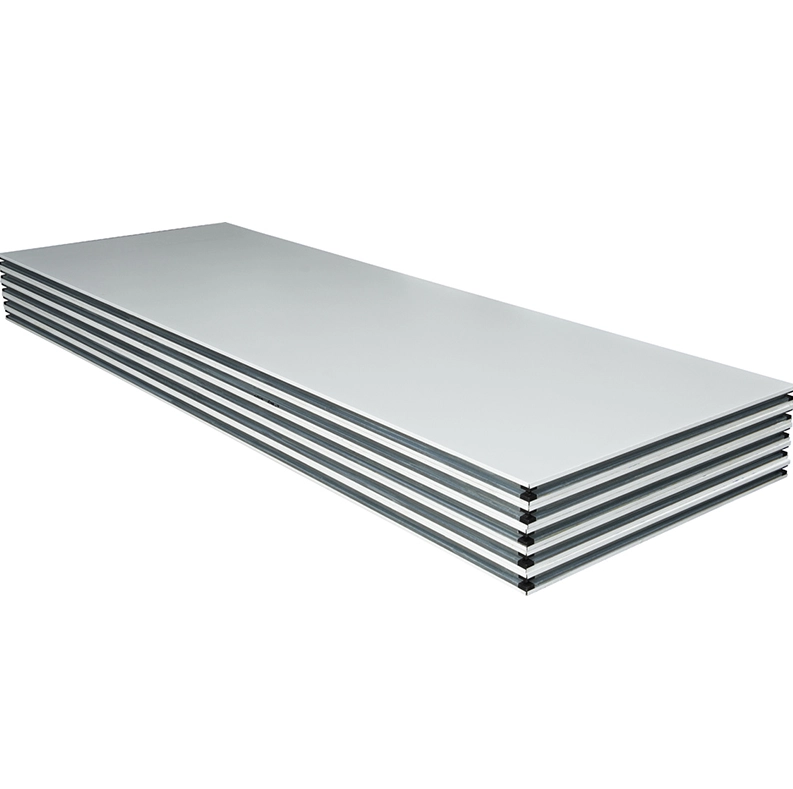
The Zhong shaped aluminum rabbet laminboard suits clean rooms needing firm connections and level faces. The aluminum rabbet build forms even lines, cutting dust hideouts and boosting lasting seals.
This panel sees common use in drug workshops, chip clean rooms, and lab dividers where clear purity and face firmness are key.
Embed Line Pipes Rabbet Laminboard For Seamless Integration
In numerous clean rooms, open cables and lines pose upkeep dangers. The embed line pipes rabbet laminboard lets power lines and pipes fit beforehand into the panel frame.
This setup cuts fitting time, raises safety, and leaves wall faces level and simple to sanitize. It fits well in labs and health centers where plan shifts are rare post-startup.
Hollow Core MGO Sandwich Panel For Fire-Resistant Controlled Spaces
The hollow core MGO sandwich panel applies often in controlled settings and backup clean zones. Its magnesium oxide center delivers Class A fire endurance, damp firmness, and strong build power.
This panel gets picked for beauty plants, food zones, and aid rooms tied to clean spots. It weighs safety against expense limits.
How To Choose Between These LAIRUN Panels For Your Project?
Picking the correct panel arrangement hinges on project role, rule needs, and future run strategies.
Choosing For Clean Room Projects
Advanced clean rooms gain from rabbet laminboard setups with close links and built-in lines. These cut contaminant chances and ease upkeep as years pass.
Choosing For Controlled Environments
Controlled areas usually seek fire-proof, water-firm panels over complete cleanroom builds. Hollow core MGO panels serve as a solid option in such cases.
Choosing Based On Budget And Performance Needs
Weighing expense against output prevents excess or shortfall in building. LAIRUN’s broad item lineup lets efforts align panel setups to true demands over a uniform method.
Conclusion
Clean rooms and controlled areas fill varied parts, though they might seem alike outwardly. Clean rooms target contaminant handling at a tiny scale, whereas controlled areas stress firm working conditions.
Selecting proper building substances holds equal weight to picking HVAC or filter setups. Through modern making lines, protected core methods, and worldwide effort know-how, LAIRUN delivers panel answers that back both clean rooms and controlled areas with trustworthiness and enduring worth.
FAQ
Q1: Can controlled environments be upgraded into clean rooms later?
A: Yes, but such work usually involves swapping wall and ceiling panels, closing connections, and enhancing HVAC setups. Early planning for later improvements can trim future expenses.
Q2: Are cleanroom panels always required in food factories?
A: Not always. Numerous food handling zones run as controlled areas. Cleanroom panels apply mainly in high-danger spots or packing areas with tough hygiene rules.
Q3: Why are integrated pipeline panels preferred in clean rooms?
A: Integrated lines cut open faces, decrease dust collection, and simplify sanitizing. They also boost fitting speed and safety in prolonged service.
