



How to Control Relative Humidity in a Clean Room
Time : January 23, 2026 View : 673
Handling air inside a cleanroom goes further than merely blocking dust. Folks who have spent time in semiconductor labs or food processing plants realize that humidity often lurks as an unseen trouble. Excess water in the air brings mold problems. On the flip side, overly dry conditions spark static electricity, which can damage costly circuits. Managing Relative Humidity (RH) relies a great deal on the room’s outer layer, those sandwich panels that make up the walls.
LAIRUN Group has dedicated more than 25 years to discovering materials that truly withstand humid air.
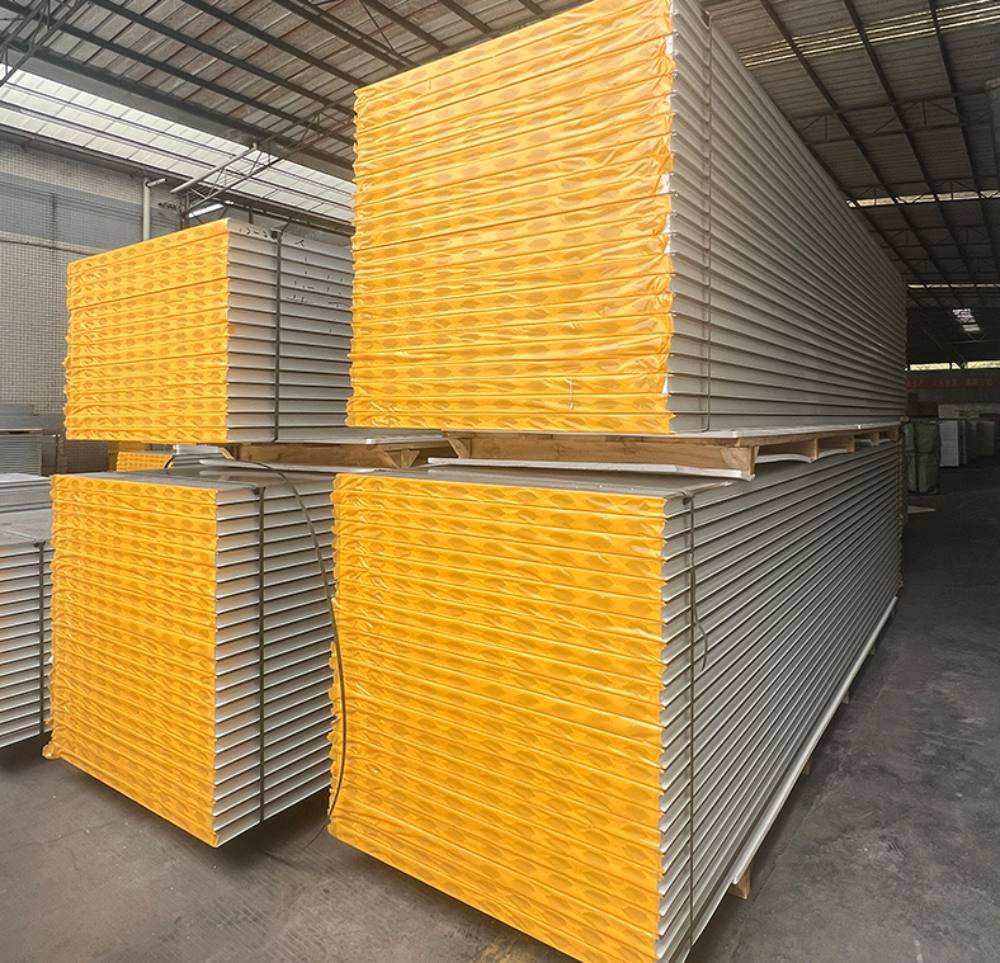
Why Is Humidity Control Critical in Cleanroom Environments?
The finest HVAC system available might not suffice on its own. If walls absorb water or allow air to escape, reaching RH objectives proves difficult. Humidity affects more than personal comfort. It stands as a fundamental element for the structure’s durability and safety measures.
Prevention of Bacterial and Mold Growth
Fields such as bio-pharmaceuticals and food production encounter major issues from elevated humidity. Dampness provides ideal conditions for bacteria and other small life forms to multiply. Panels from LAIRUN resist dust buildup and mold development. Even when humidity levels rise suddenly, the surfaces inside the room stay clear of unwanted growth and potential dangers.
Mitigation of Electrostatic Discharge Risks
Electronics and semiconductor manufacturing face hazards from low humidity, typically under 30% RH. Such dryness causes static to gather. Therefore, the cleanroom must hold steady at moderate humidity levels. The wall materials should remain unaffected by the air’s moisture content.
Protection Against Material Corrosion and Swelling
Low-cost panels commonly break down after soaking up moisture gradually. This results in “halogen return” or basic twisting of the panels. Consequently, the cleanroom loses its tight seal. Panels designed to resist shape changes offer the best path to maintaining proper pressure and humidity.
How Does Magnesium Oxysulfide Panel Manage High Humidity?
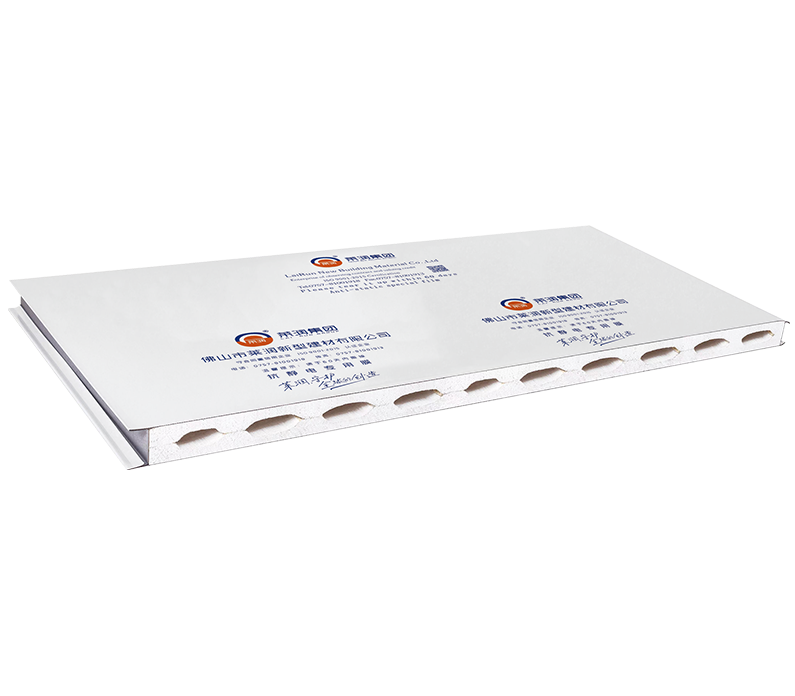
Spaces plagued by ongoing moisture issues often benefit most from the Magnesium Oxysulfide (MOS) panel. This choice marks a notable shift in the sector due to its strong performance against water.
Superior Resistance to Moisture Absorption
Standard magnesium chloride panels tend to form condensation or take in moisture from the surrounding air. Over time, this wears down the steel surface. LAIRUN introduced a protected Magnesium Oxysulfide composition that completely prevents moisture intake. As a result, the panel’s inner section remains dry, regardless of external humidity.
High Structural Stability Without Deformation
MOS panels stand out for their light weight combined with remarkable durability. They avoid contracting or curving when environmental factors shift. This dependability keeps the tongue-and-groove connections secure and functional.
Enhanced Thermal Insulation for Temperature Control
Temperature and humidity connect closely in these settings. The MOS panel’s heat-blocking qualities assist in preserving a uniform climate indoors. Such panels fit well in facilities requiring ambient humidity between 20% and 65% in drier conditions.
When Should Rock Wool Panels Be Used for Humidity Regulation?
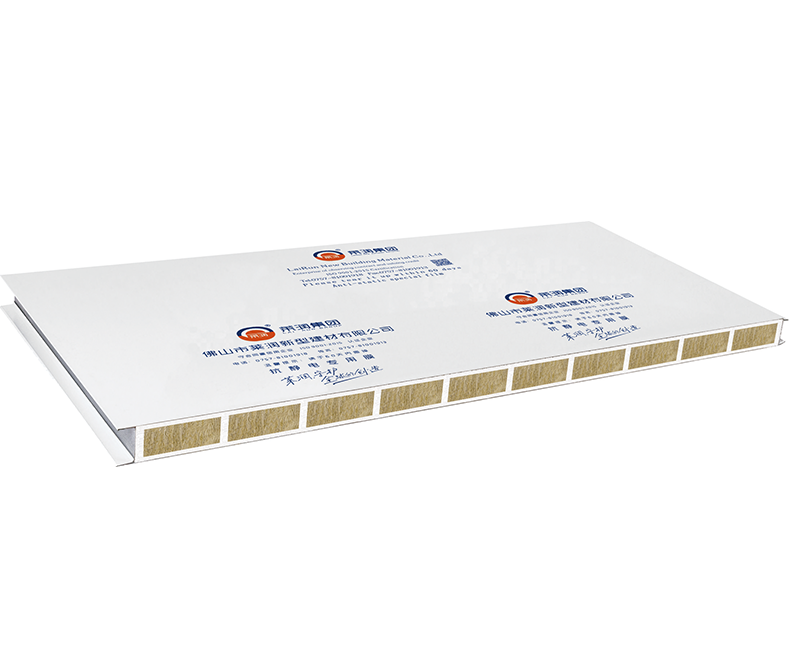
MOS panels perform reliably, but they do not cover every need. Fire protection and noise absorption can matter equally to dampness management. Rock Wool panels address those demands effectively.
Effective Performance in High-Temperature Zones
Rock wool excels in fire resistance, holding a Class A rating without igniting. Cleanrooms with heat-generating activities rely on its consistent form. The material avoids releasing fumes or altering shape. Thus, the HVAC setup can sustain RH without challenges from walls that permit air leaks.
Integrated Vapor Barrier Through Steel Facing
LAIRUN encases the rock wool with 0.476 mm color-coated steel plates. This metal covering functions as the main shield against vapor. Rock wool consists of fibers, yet LAIRUN’s assembly aligns them perpendicular to the steel. That method provides enduring strength. Moreover, it blocks moisture from passing through the panel.
Versatility Across Various Humidity Ranges
Many materials demand specific surroundings to operate well. Rock wool panels adapt broadly instead. They manage areas with low temperatures and low humidity. They also cope with high temperatures and high humidity. Food factories facing frequent hot water and steam washes often select them for reliability.
How Does Lairun Ensure Precision in Cleanroom Humidity Seals?
Premium panels alone cannot solve everything if joints between them create openings for air. The room’s overall seal decides the outcome for humidity control.
Advanced Tongue and Groove Joint Design
Joints frequently lead to failures in cleanrooms. LAIRUN’s tongue-and-groove approach enables panels to join with accurate fit. It produces a continuous barrier that prevents humid air entry and conditioned air loss. Installation proceeds about 50% quicker than conventional approaches.
High-Precision Automated Production Standards
Errors from manual work threaten the seal’s integrity. LAIRUN employs eight fully automated production lines. This guarantees uniform sizing for every panel. With components matching precisely to the millimeter, the structure forms a solid enclosure. Sensors then handle RH adjustments more smoothly.
Specialized Aluminum Accessory Systems
Panels require additional parts to complete the build. LAIRUN supplies aluminum profiles such as inner arcs, T-beams, and Chinese-character-shaped aluminum. These items smooth out transitions at edges. Dust finds no place to gather, and moisture avoids settling in gaps.
LAIRUN Group specialize in providing innovative and durable solutions for cleanroom environments. Whether you need help selecting the right panels or want to discuss how materials can improve humidity control in your facility, LAIRUN here to assist.
FAQ
Q1:Can I use Magnesium Oxysulfide panels in a very low-humidity lab?
A:While MOS panels prevent moisture absorption well, they do not suit environments with steady humidity below 30%. For those very dry “clean” areas, rock wool or hollow glass magnesium setups may work better.
Q2:Why should I care about “halogen return” in my cleanroom walls?
A:Panels with old magnesium chloride will release chloride ions over time. This corrodes the steel skin and aluminum frames. LAIRUN’s updated formula stops this fully. Your walls avoid internal rust.
Q3:Are handmade panels really better for humidity control than machine-made ones?
A:Machine-made panels save money, but handmade ones provide tighter seams and stronger seals. In high-end clean spaces needing exact RH, the precision of handmade panels often justifies the cost.
