



Key Elements Of A Cleanroom Exploring The Four Core Components
Time : March 06, 2026 View : 149
In high-stakes environments like semiconductor labs or biopharma plants, a single microscopic particle or a minor fire hazard can lead to millions in losses. Beyond just airflow, the structural integrity of your walls and ceilings is the first line of defense. Does your cleanroom build meet the 25,000㎡ daily high-standard output required for global reliability?
Airflow and filtering draw plenty of notice, but the actual build of a cleanroom counts equally. Materials for walls and ceilings shape purity grades, flame guard, dampness management, and ongoing firmness directly. By grasping how these parts connect and function jointly, project leads can pick wiser options early on.
This piece outlines the main build elements of a cleanroom, and it details how LAIRUN’s sandwich panel choices aid reliable, strong-output cleanroom setups in projects around the world.
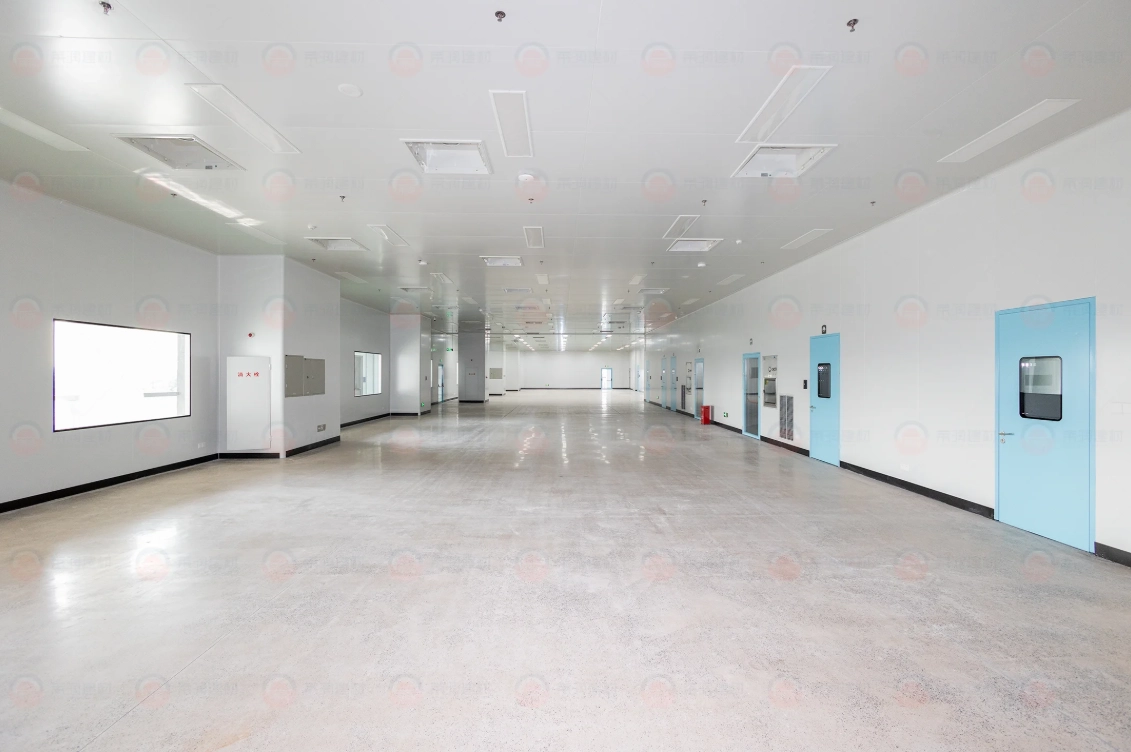
What Are The Structural Materials That Ensure Cleanroom Integrity?
Drawing from our 25 years of R&D experience in cleanroom technology , we have found that choosing the right material is not just about meeting current standards, but about ensuring the facility remains halogentation-free and deformation-free over a decade of use. Airflow setups and pressure handling require a firm base before they can work properly, so the cleanroom outer layer must supply a sturdy, closed groundwork. Panels applied to walls and ceilings need to hold level, ward off flames, manage dampness variations, and keep simple for cleaning across extended use periods.
Material picking stands out as a vital choice at this point. Cleanroom uses vary in their pulls on the build, and no one panel style matches all jobs.
Rock Wool Sandwich Panel Benefits
Rock wool sandwich panels find broad application in cleanrooms demanding solid flame protection and noise blocking needs. LAIRUN’s rock wool sandwich panels feature dense mineral wool insides and exactly linked metal outsides, which form a durable and steady frame.
A primary benefit comes from flame resistance, since rock wool qualifies as non-burning, and thus it suits drug facilities, electronics sites, and care centers where flame checks occur closely. Meanwhile, the thick fiber setup cuts sound movement, an aspect that proves key in vast making zones equipped with weighty tools.
Moreover, these panels handle diverse heat and dampness settings capably, and such versatility clarifies why teams often select rock wool panels for food sites and factory cleanrooms that run continuously.
Hollow Core MGO Sandwich Panel Advantages
Hollow core magnesium oxide (MGO) sandwich panels emphasize reduced mass and build equilibrium. When set against usual full-core panels, the inner empty design lowers general burden yet preserves decent power.
LAIRUN’s hollow core MGO sandwich panels deliver Class A flame resistance along with consistent action in arid or regulated-dampness areas. Additionally, the level outside simplifies everyday wiping, while firm joins curb particle accumulation near edges.
This panel variety sees typical employment in electronics, beauty, and chip cleanrooms, in which wall arrangements must remain spotless, even, and straightforward to uphold without imposing extra mass on the site framework.
Magnesium Oxysulfide Sandwich Panel Features
Magnesium oxysulfide (MOS) sandwich panels count as a prime offering from LAIRUN, crafted to address lasting strength challenges noted in prior magnesium panels. In contrast to standard magnesium chloride sheets, MOS panels steer clear of drawing in dampness or emitting biting particles as years go by.
Such panels supply firm flame resistance, solid heat blocking, and reliable body action. Furthermore, the outside holds even and robust long after continued service, thereby supporting cleanroom closure and visual upkeep.
Teams frequently opt for MOS sandwich panels in testing rooms, bio-drug cleanrooms, and accurate production areas, where extended lifespan and substance reliability outweigh brief expense cuts.
Why Do Cleanrooms Need High-Performance Wall And Ceiling Systems?
After settling on proper panel substances, their joint role in a wall and ceiling arrangement emerges as the following issue. Cleanroom panels go beyond mere separators; instead, they direct air paths, bolster pressure handling, and shield delicate tasks held within the area.
A soundly crafted arrangement lessens upkeep duties and cuts chances of pollution from build lapses or outside wear.
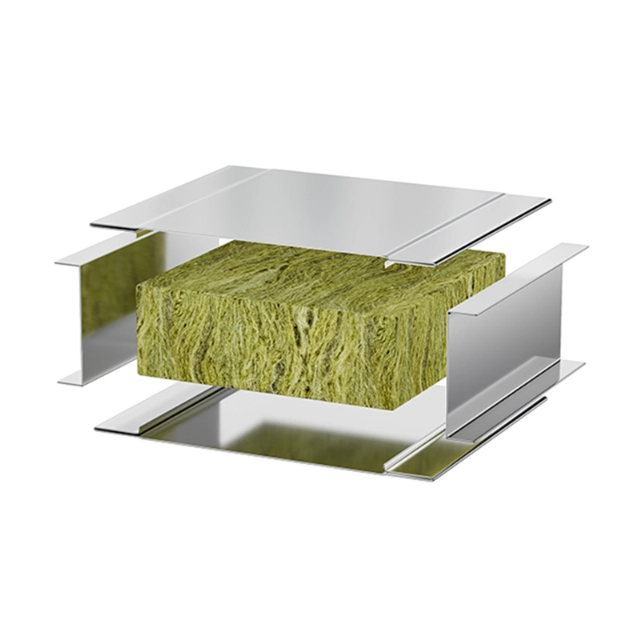
Thermal Insulation And Structural Support With Rock Wool Panels
Rock wool sandwich panels provide benefits extending past flame guard. Their blocking capability assists in maintaining even inside heat levels, which in turn backs heating, ventilation, and air conditioning systems while curbing heat shifts that might harm delicate making stages.
LAIRUN’s Rock Wool panels feature a high-density core (60-120kg/m³) , where fibers are oriented perpendicular to the metal surface to maximize load-bearing capacity for complex ceiling tasks. Consequently, this build dependability proves particularly helpful in elevated-ceiling cleanrooms or sections featuring overhead gear.
As time passes, panels that remain upright and secure assist in preserving close joins, thereby minimizing openings where particles could gather.
Fire Resistance And Moisture Control With Hollow Core MGO Panels
Within various cleanrooms, notably those for electronics and beauty making, dampness management holds equal weight to flame safety. Hollow core MGO panels present a balanced option for these settings.
The non-living MGO sheet outside counters mold buildup and refrains from giving off toxic vapors upon heat contact. Simultaneously, the inner empty setup aids in controlling mass and fitting tempo, allowing for briefer build periods.
These panels suit initiatives where cleanroom designs could alter ahead, as lighter panels simplify alterations or shifts.
Cleanability And Chemical Stability With Magnesium Oxysulfide Panels
Regular wiping constitutes a standard in cleanroom operations. Outsides need to endure multiple cleanings, sanitizers, and prolonged contact with regulated areas without degrading.
Magnesium oxysulfide panels distinguish themselves through substance steadiness. They avoid easy warping and retain form amid ongoing heat and dampness regulation. As a result, they emerge as a reliable selection for cleanrooms enforcing tough sanitation standards, including drug making or lab inquiries.
Dependable panels likewise imply reduced fixes and minimal halts, factors that influence making flow straightaway.
How Do Choosing The Right Panels Affect Cleanroom Efficiency?
Panel choice influences far beyond the mere appearance of a cleanroom. It impacts air flow regulation, power consumption, fitting pace, and enduring run expenses.
Whenever panels integrate smoothly with air and pressure mechanisms, cleanrooms turn more straightforward to oversee and steadier across durations.
Enhancing Airflow And Contamination Control With Correct Panel Selection
Cleanroom air movement hinges on level outsides and sealed links. Panels featuring irregular outsides or weak ties may interrupt air flows and form concealed particle areas.
LAIRUN’s sandwich panels arise from advanced machine processes, which ensure panel measures stay precise and links secure. This uniformity bolsters straight-line air movement schemes and sustains purity levels demanded by assorted sectors.
Improved panel positioning further eases the addition of doors, panes, and utility accesses without disrupting the cleanroom barrier.
Reducing Energy Costs Through Superior Insulation Materials
Blocking capability exerts a straightforward effect on power usage. Panels curbing heat passage enable heating, ventilation, and air conditioning systems to operate more evenly, thus lessening repeated changes.
Both rock wool and magnesium oxysulfide panels aid heat reliability, a trait especially beneficial in cleanrooms functioning nonstop. In the course of time, this eases strain on devices and diminishes total power requirements.
In extensive setups, minor advances in blocking capability can accumulate into evident reductions.
Optimizing Installation And Long-Term Maintenance
Build duration and subsequent upkeep frequently escape notice in initial designs. Panels fitting more rapidly and enduring steadier cut concealed expenses.
LAIRUN’s background in machine and manual panels permits adaptability according to task demands. Accurate panel measurements lessen site alterations, whereas resilient inner substances decrease chances of prompt swaps.
Cleanrooms constructed using trustworthy panels generally retain their initial capability over longer spans, resulting in fewer pauses for mends or enhancements.
FAQ
Q1: Which sandwich panel is best for pharmaceutical cleanrooms?
A: Pharmaceutical cleanrooms commonly select magnesium oxysulfide or rock wool sandwich panels. Both furnish robust flame resistance and consistent action, with MOS panels favored when enduring dampness reliability and substance opposition represent primary issues.
Q2: Are hollow core MGO panels suitable for high-humidity environments?
A: Hollow core MGO panels function optimally in arid or moderated-dampness cleanrooms. Regarding areas with elevated dampness amounts, rock wool or magnesium oxysulfide panels typically provide surer alternatives.
Q3: Can LAIRUN panels be customized for different cleanroom projects?
A: Yes. LAIRUN delivers tailoring for panel thickness, dimensions, outside substance, and joining techniques to align with particular sector requirements, spanning electronics and food handling to testing rooms and care venues.
