



What is an Ultra-Clean Room? Key Features and Benefits for Critical Environments
Time : March 27, 2026 View : 299
Ultra-clean rooms serve a vital function in fields where a single tiny particle might influence the standard of goods or the findings from studies. In places like semiconductor fabrication and pharmaceutical production, these managed areas hold dust, microbes, and chemical impurities to tight restrictions. The planning for an ultra-clean room reaches much further than simple air flow systems. In addition, it calls for unified oversight of air movement, building substances, heat levels, and frame parts.
Over the past few years, the call for ultra-clean settings has grown at a fast pace. Areas including electronics, medical studies, biotechnology, and food making all depend on tightly managed work zones to guard their methods and items. The construction substances placed within these areas need to back purity, toughness, and security during lengthy work times. As a skilled cleanroom panel maker with more than 25 years of know-how, LAIRUN offers frame substances made just for these tough settings.
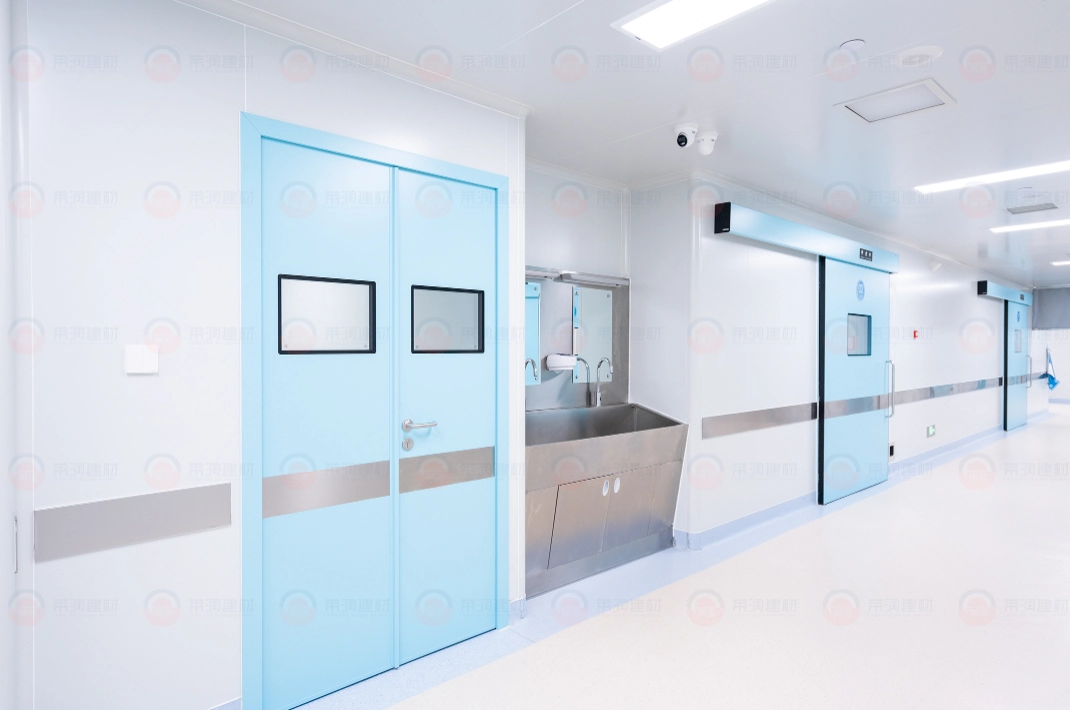
What Defines an Ultra-Clean Room Environment?
Builders create ultra-clean rooms to keep very low counts of particles in the air. In contrast to regular inside areas, these spots manage pollution by way of firm air sifting, well-thought-out air flow designs, and special building substances. Moreover, the overall plan works to block dust creation, particle gathering, and microbe spread.
Extremely Low Airborne Particle Concentration
A key trait of an ultra-clean room lies in the very small count of particles drifting in the air. Modern HEPA or ULPA sifting setups clear out impurities before the air moves around the space. These setups keep sifting the entering air all the time, so dust and tiny particles stay inside firm bounds.
In fields such as semiconductor manufacturing, a particle smaller than a human hair can harm delicate parts. For that reason, ultra-clean rooms typically run under firm world standards like ISO cleanroom classifications.
Controlled Temperature, Humidity and Pressure
Steadiness in the surroundings marks another core trait. Ultra-clean rooms handle temperature, humidity, and air pressure with care to stop pollution and keep method steadiness.
Setups with positive pressure show up often, since they push clean air out instead of letting tainted air come in. Control of humidity also stops moisture buildup, which might let microbes or particles stick to surfaces.
Strict ISO Cleanroom Classification Standards
Experts classify cleanrooms by the count of particles allowed in the air. Ultra-clean rooms often reach top standards such as ISO Class 5 or higher. To meet these standards, one needs steady watching and firm choices of substances.
Frame substances inside the space must aid these setups. Walls, ceilings, and panels should not let out dust or fibers, and surfaces need to be even enough for regular cleaning.
Why Are High-Performance Cleanroom Panels Essential in Ultra-Clean Rooms?
While air sifting setups matter a lot, the frame of the room plays a role of equal value. Poor building substances can let out particles, take up water, or wear down as time passes. High-performance cleanroom panels fix these matters by giving even, closed surfaces that back steady setups. Picking the proper panel setup also shapes the speed of fitting, lasting toughness, and full upkeep costs.
Low Particle Emission and Smooth Surface Materials
Walls and ceilings in cleanrooms must get built from substances that give off little dust. Panels with even surfaces stop particle piles and permit simple cleaning.
Purification panels of good quality get made from watched substances and surface layers that fight off pollution. When fitted right, they make firm joins that cut down on hidden dust spots.
High Structural Strength and Stability
Ultra-clean rooms run without stop for years in many cases, so frame steadiness stands as a must. Panels have to hold their form even under air flow force, changes in heat, or shakes from gear.
Tough frame panels lower the chance of breaks or shape shifts that might let impurities enter the managed space.
Easy Cleaning and Long-Term Durability
Regular cleaning forms a normal part of daily work in cleanrooms. Surfaces must handle chemical cleaners and many wipes without losing quality.
Tough panels further cut upkeep needs and aid spots in keeping steady setups over long work rounds. This stands as one cause why many cleanroom works pick special purification panels over usual building substances.
How Does Aluminum Honeycomb Rabbet Laminboard Improve Cleanroom Performance?
Modern substances can boost cleanroom steadiness and frame work a great deal. Aluminum honeycomb panels see wide use in fields needing both power and light build.
LAIRUN’s Aluminum Honeycomb Rabbet Laminboard gets planned just for top purification spots like semiconductor sites and exact electronics making plants.
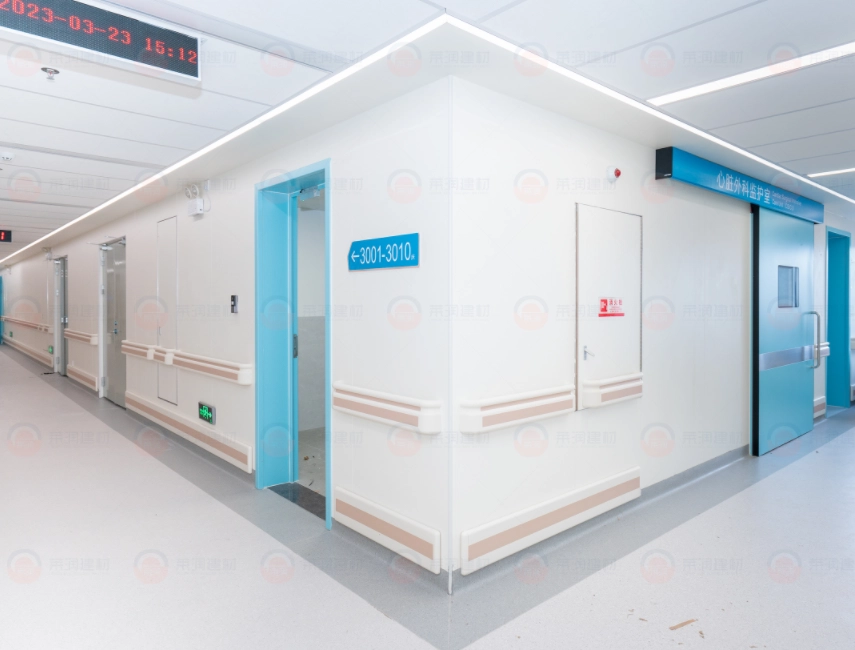
Lightweight Structure With High Load-Bearing Capacity
The honeycomb core build gives fine power while holding the panel light. This plan cuts frame weight on building frames yet keeps solid backing for walls and ceilings.
Even with the lower weight, the honeycomb build spreads force evenly, which aids in stopping shape changes during long work.
Excellent Flatness and Structural Stability
Evenness on the surface counts as a key need in ultra-clean spots. Uneven walls or ceilings can catch dust or make cleaning harder.
Aluminum honeycomb laminboards keep steady evenness over big panel zones. This aids in making even surfaces that back firm purity needs.
Ideal Wall and Ceiling Solution for Semiconductor and Electronics Facilities
Making semiconductors calls for very steady spots. Aluminum honeycomb panels aid in backing these setups thanks to their strong build and low particle making.
These panels get used broadly for cleanroom dividers and ceiling setups where frame power and purity must pair up.
Why Are Inorganic Pre-Paint Rabbet Laminboards Popular in Laboratories and Medical Facilities?
Labs, hospitals, and spots for pharmaceutical making face extra hurdles. Substances used in these spots must stand against bacteria, chemical touch, and often cleaning steps. Inorganic pre-painted laminboards see wide use since they mix toughness with clean work.
Antibacterial and Mold-Resistant Surface
Layer treatment on inorganic pre-painted panels aids in stopping microbe growth. This fits them well for medical labs and pharmaceutical cleanrooms where clean standards stay very firm. Even surfaces also ease the removal of impurities in normal cleaning.
Excellent Chemical and Moisture Resistance
Lab spots often deal with chemicals, cleaners, and changing humidity counts. Substances must fight rust and water uptake to keep steady setups.
Inorganic pre-painted laminboards give strong fight against chemical touch, aiding spots in keeping solid cleanroom setups over time.
Easy Maintenance for Medical and Laboratory Environments
Cleanrooms in hospitals and study spots need often cleaning. Panels easy to clean cut work time and better clean handling.
Due to their steady surface layer and frame power, these panels often get picked for lab walls, ceilings, and clean work zones.
What Makes Silica Rock Sandwich Panels Ideal for Fire-Safe Cleanrooms?
Security marks another key part in cleanroom building. Many spots hold touchy gear, chemical stuff, or non-stop making lines. Frame substances against fire aid in cutting possible dangers.
Silica rock sandwich panels give both frame power and fine fire fight, fitting them for high-security industry spots.
Class A Fire-Resistant Core Material
Core substances from silica rock fall under Class A for fire-fight building parts. They can take high heat without spreading fire.
This trait holds special worth in pharmaceutical plants, electronics works, and labs where security standards stay firm.
Excellent Thermal and Sound Insulation
Beyond fire guard, silica rock panels also give good barrier. Steady heat control aids in keeping cleanroom surround setups. Sound barrier adds another plus, mainly in spots where machine gear runs without break.
Reliable Solution for High-Safety Industrial Facilities
Silica rock sandwich panels see broad use in cleanrooms needing both fire fight and frame steadiness. Their lasting nature and security work make them fit for long industry runs.
Conclusion
Ultra-clean rooms stand key for fields that lean on firm pollution control. Reaching these setups needs more than modern sifting systems. Frame substances must also back purity, toughness, and long security.
Purification panels with high work form the main support of today’s cleanroom building. Substances like aluminum honeycomb laminboards, inorganic pre-painted laminboards, and silica rock sandwich panels give strong frame aid while keeping clean surfaces and fire security standards.
With over two decades of field know-how, LAIRUN has built a broad set of cleanroom panel systems used in electronics making, biopharma production, labs, and food handling spots. The firm runs auto production lines able to make big amounts of panels while holding steady quality standards.
As world call for managed spots keeps rising, solid cleanroom substances will stay a main part in making secure and effective buildings.
FAQ
Q1: What industries require ultra-clean rooms?
A: Ultra-clean rooms get used widely in semiconductor manufacturing, pharmaceutical production, biotechnology research, medical laboratories, and food processing facilities. These fields need firm control of air particles to guard good standard and study rightness.
Q2: What materials are commonly used in cleanroom wall panels?
A: Usual substances include aluminum honeycomb panels, glass magnesium panels, rock wool panels, and inorganic coated boards. These substances give even surfaces, fire fight, and toughness while meeting firm purity standards.
Q3: How do cleanroom panels help maintain contamination control?
A: Cleanroom panels make closed wall and ceiling systems that stop dust piles and particle let-out. Their even surfaces allow simple cleaning and back steady surround control inside the cleanroom.
