



What Is the Ideal Humidity Level for Cleanrooms in Different Industries
Time : March 05, 2026 View : 183
Humidity management is one of those cleanroom subjects that seems straightforward at first, yet it seldom proves easy. Excess water vapor can encourage rust, fungi, or item pollution. Insufficient levels might spark electrostatic buildup, material splits, or erratic operations. In fields such as pharmaceuticals, electronics, and food handling, the proper humidity setting varies widely.
Apart from heating, ventilation, and air conditioning setups plus detection devices, the actual build of the cleanroom greatly influences how steadily humidity remains managed. Side walls, overhead frameworks, and connection points significantly impact air sealing, dew formation chances, and enduring reliability. This aspect highlights how expert cleanroom panel setups, like those from LAIRUN, subtly enhance routine functions.
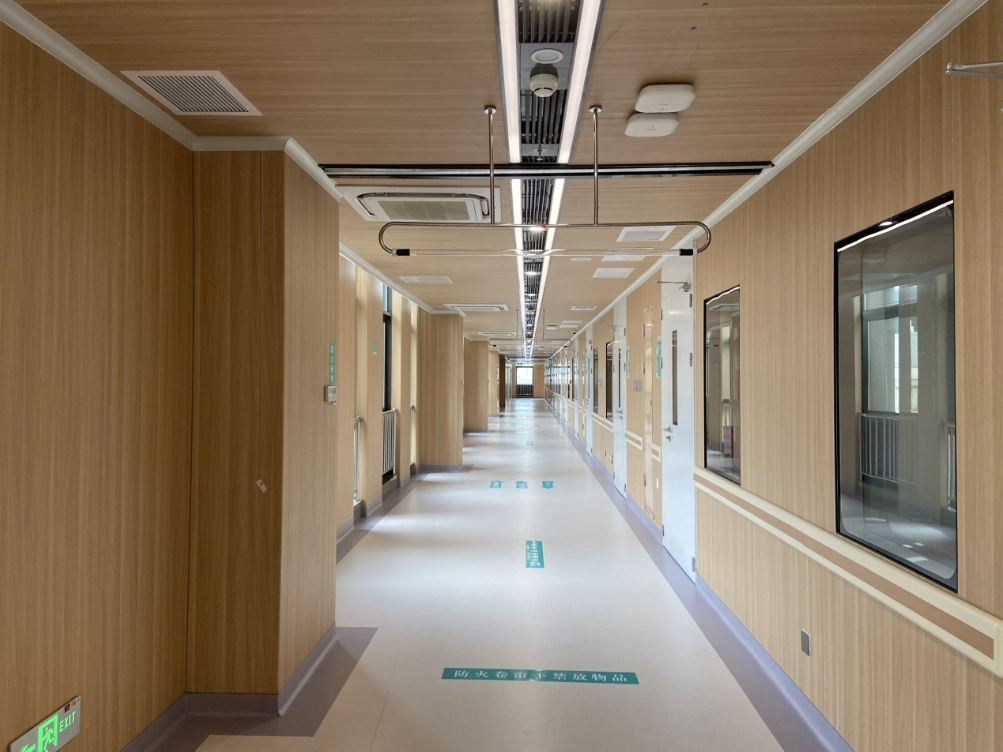
What Are the Cleanroom Humidity Requirements in the Pharmaceutical Industry?
Pharmaceutical cleanrooms center on steadiness. Items often remain in regulated spaces for extended times, and minor shifts in humidity might cause quality concerns, particularly amid mixing, filling, and packing phases.
Prior to examining substances and building specifics, it proves useful to grasp the broad humidity expectations in this sector.
Pharmaceutical Humidity Standards Overview
Many pharmaceutical cleanrooms function inside a relative humidity range of 40%–60%. This span aids in curbing bacterial spread while avoiding powder sticking, surface flaws on coatings, or dew on machine parts.
Humidity oversight grows vital in germ-free production zones, where dampness can influence both item protection and adherence to GMP rules. A steady setting also eases strain on heating, ventilation, and air conditioning units, rendering ongoing use more foreseeable.
Still, achieving these benchmarks involves more than just air processors. The overhead and side structures need to foster uniform air movement and block concealed damp accumulation.
Role of FFU Ultra-thin Metal Ceiling Clapboard in Humidity Stability
Overhead setups often receive little attention in dampness talks, but they hold greater importance than many realize. LAIRUN’s FFU Ultra-thin Metal Ceiling Clapboard suits cleanroom overheads where air flow regulation and closure precision prove crucial.
This overhead option backs fan filter units (FFUs) through exact measurements and solid weight support. Its metallic finish wards off water uptake, lessening the chance of dew appearing over work zones. Secure connections and neat borders further curb air escape, a frequent reason for dampness variation.
In pharmaceutical cleanrooms, where overhead areas typically host air flow, illumination, and filtering gear, a firm and tightly closed overhead build assists the entire space in remaining even.
Impact of Appropriate Humidity on Drug Production Quality
As humidity holds steady within the desired band, pill masses remain uniform, outer layers cure smoothly, and germ-free zones prove simpler to manage. Machine durability likewise advances, for surplus dampness seldom prompts rust or power faults.
On the other hand, erratic humidity might demand ongoing tweaks, halts in work, and added verification tasks. Gradually, such minor troubles accumulate. Selecting build substances that aid dampness oversight offers a sensible move toward fluid everyday output.
What Humidity Levels Are Needed for Electronics Manufacturing Cleanrooms?
Electronics cleanrooms encounter a distinct hurdle. In these spaces, humidity links directly to electrostatic charges, substance swelling, and output success rates. A slight change can inflict harm that stays unseen until end-stage checks.
Given this, electronics producers usually enforce tight rules on surroundings oversight.
Electronics Cleanroom Humidity Standards
Many electronics cleanrooms run between 35%–55% relative humidity, based on component fragility. Reduced dampness heightens electrostatic release dangers, whereas elevated dampness can yield dew on fine pieces or board circuits.
Uniformity counts more than fixating on one figure. Abrupt changes, even inside the tolerable band, can still spark troubles during putting together or review stages.
Here, cleanroom side wall setups and connection designs gain unexpected weight.
Benefits of Male-Female Jointing Rabbet Laminboard for Sealing and Insulation
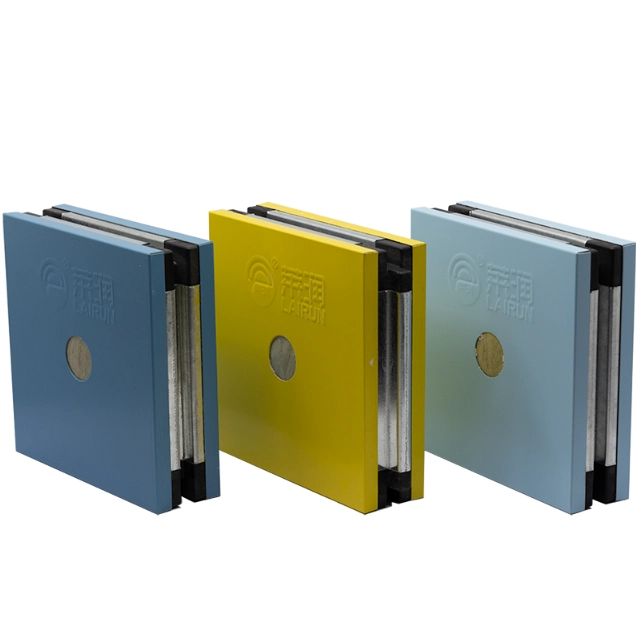
LAIRUN’s Male-female Jointing Rabbet Laminboard fits cleanrooms that require firm closure and straight lines. The interlocking groove joint allows panels to join snugly, minimizing spaces where air or dampness might seep in.
Improved closure ensures the heating, ventilation, and air conditioning setup avoids battling steady pressure drops or dampness shifts. In the long run, this fosters a steadier setting and lighter upkeep demands.
The panel exterior wipes clean with ease and blocks dampness entry, which aids greatly in electronics areas where particle and charge management pair closely.
Consequences of Improper Humidity in Electronics Production
If humidity falls overly low, electrostatic bursts turn into a quiet hazard. Delicate chips could malfunction without clear traces. If humidity climbs too high, rust and dew can subtly erode item dependability.
In either scenario, the expense goes beyond waste. Setbacks, fixes, and quality conflicts arise afterward. A solidly closed panel setup is no extravagance in this context; rather, it forms a core part of hazard oversight.
What Humidity Is Ideal for Food and Beverage Cleanrooms?
Food and beverage cleanrooms emphasize sanitation, storage duration, and operation security. Dampness holds a straight influence on germ multiplication, so humidity oversight ties firmly to food protection norms.
Meanwhile, these settings call for substances that clean readily and withstand regular rinsing.
Food and Beverage Cleanroom Humidity Guidelines
Many food handling cleanrooms target 45%–65% relative humidity, according to item kind and handling step. Greater dampness might serve to avoid drying or splits, while lesser dampness curbs germs and fungi.
The difficulty lies in directing dampness to suitable spots, without permitting it to linger in side walls or connections.
Zhong Shaped Aluminum Rabbet Laminboard for Moisture-resistant Walls
LAIRUN’s Zhong Shaped Aluminum Rabbet Laminboard aims to manage damp settings while upholding cleanroom benchmarks. The aluminum connection build enhances panel positioning and closure, rendering it tougher for dampness to conceal within side wall setups.
This build further enables repeated wiping, a standard in food plants. Even exteriors and firm connections cut the chance of leftover accumulation, and the dampness-proof inner part aids panels in retaining form across time.
Effects of Controlled Humidity on Food Safety and Quality
Steady humidity aids in slowing germ spread, safeguards components, and bolsters uniform handling conditions. It further lessens dew on overheads and side walls, which might otherwise fall into work areas.
When side wall and overhead setups suit damp scenarios, routine wiping grows simpler, and enduring sanitation norms prove easier to sustain.
What Are the General Best Practices for Humidity Control in All Cleanrooms?
Although every sector sets its unique aims, certain guidelines span all cleanroom varieties. These methods blend surrounding systems with building selections.
Unified Humidity Targets and Monitoring Strategies
Distinct humidity aims ought to emerge in the planning stage, rather than post-build. Ongoing oversight, instead of occasional scans, assists in spotting minor alterations before they escalate into issues.
Reliable humidity typically stems from fewer flaws, not just more powerful cooling alone.
Integrating LAIRUN Panels with HVAC for Better Performance
LAIRUN cleanroom panels aim to pair with heating, ventilation, and air conditioning systems, instead of opposing them. Secure connections, dampness-proof inners, and precise dimensions cut air seepage and pressure declines.
When panels, overheads, and heating, ventilation, and air conditioning systems align during planning, humidity oversight turns more reliable and less power-intensive. Such a method suits extended cleanroom use over pharmaceuticals, electronics, and food sectors.
Maintenance and Inspection Tips for Humidity Systems
Frequent checks of connections, overheads, and panel exteriors aid in averting unseen dampness troubles. Initial indicators such as color shifts or connection shifts deserve prompt notice.
Panels that fend off dampness and shape loss simplify checks and lessen repair frequency.
Conclusion
No universal perfect humidity measure exists for every cleanroom. Each sector introduces distinct dangers, methods, and focuses. What endures constant is the demand for firm surroundings backed by dependable build systems.
Through merging suitable humidity aims with thoughtfully crafted cleanroom panels and overhead fixes, sites can cut routine dangers and lasting upkeep loads. LAIRUN’s cleanroom panel systems, encompassing FFU ceiling clapboards and progressed connection laminboards, stand ready to meet these needs across sectors.
FAQ
Q1: What happens if cleanroom humidity is not properly controlled?
A: Erratic humidity can prompt item flaws, germ growth, charge bursts, or dew buildup. In time, this heightens gear wear and upkeep expenses.
Q2: Do cleanroom panels really affect humidity control?
A: Indeed. Faulty closures, water-taking substances, or frail connections permit air and dampness to shift unexpectedly. Thoughtfully built panels assist in upholding steady inner states.
Q3: Can one cleanroom panel type work for different industries?
A: Certain panel setups offer flexibility, yet sector-unique conditions weigh heavily. Pharmaceuticals, electronics, and food handling each gain from varied connection builds and substance traits.
