



How Can a Hollow Core MGO Sandwich Panel Solve Ceiling Strength Problems in Cleanroom Projects
Time : July 17, 2026 View : 886
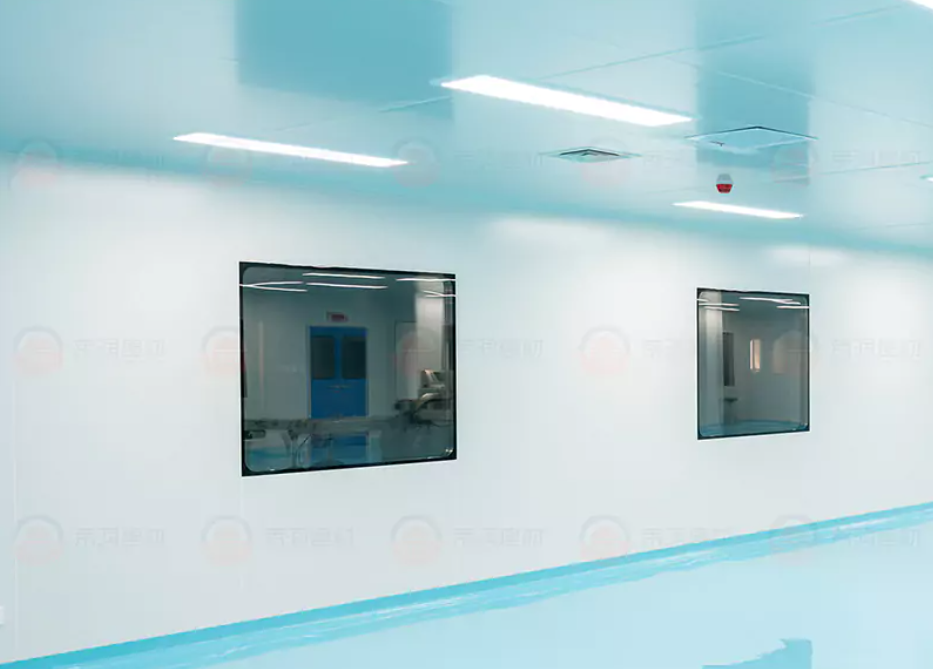
Ceiling panels in cleanroom projects do more than close the top of a room. Plenty of loads get transferred through these panels: lamps, air outlets, service points, maintenance loads, and even FFU’s. If the panel is not strong enough, then the whole ceiling will start to sag or become wavy. Joints in the ceiling lining may start to crack. The whole process of installing a ceiling can be made a lot harder than it needs to be as well. But for areas such as hospitals, pharmaceutical plants, electronics workshops, laboratories and food factories even the smallest problem can turn into a serious hygiene problem, become very expensive to put right or even cause delay to the handover of a completed building. Many buyers are now paying close attention to the details of the panels’ structure, the design of the joints, the fire performance and the short to long term flatness of the panels.
Why Do Cleanroom Ceilings Need Stronger Sandwich Panels
A cleanroom ceiling is different from a common indoor ceiling. It must stay flat, tight, clean, and stable after installation. The panel should also work with aluminum profiles, lighting systems, vents, and maintenance openings. If only the price is checked, the project may look cheaper at first, but the hidden cost comes later.
Ceiling Loads from Cleanroom Systems
Cleanroom ceilings often need to carry more than their own weight. Lighting fixtures, air supply outlets, return air systems, and inspection openings all add load. In electronics and pharmaceutical workshops, the ceiling may also work with special ventilation systems. A panel with low strength may bend around these points, especially when the span is large or the installation team cuts too much on site.
For this reason, a stronger panel is not only about thickness. It is also about the inner core layout, edge sealing, joint method, and how well the board keeps shape after pressing.
Flatness Problems after Installation
A weak ceiling panel may show waves, uneven edges, and poor joint lines. These defects are not always serious on the first day, but they become more visible under cleanroom lighting. In a high-standard project, even a small uneven line can make the ceiling look low grade.
Flatness also affects cleaning. Dust can settle near uneven seams. For factories that need stable cleanliness, this is not a small detail.
Rework Cost and Project Delay
Ceiling rework is troublesome. Workers may need to remove lights, profiles, sealants, and nearby wall panels. A small material saving can become a large labor bill. Good buyers usually check whether the panel supplier has clear product data, stable production equipment, and project experience before confirming the order.
How Does Hollow Core MGO Structure Improve Ceiling Strength
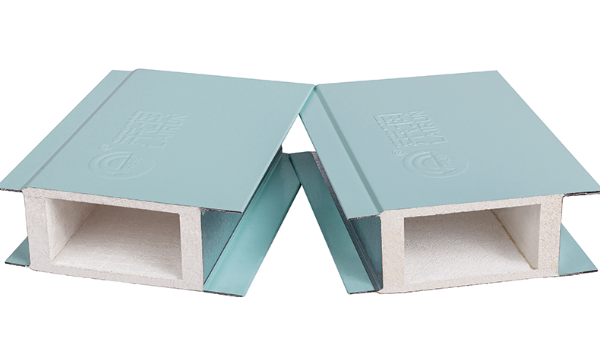
A Hollow core MGO sandwich panel is designed for clean spaces that need fire resistance, strength, easy cleaning, and stable installation. Its value comes from the way the hollow magnesium core, steel surface, adhesive layer, and joint system work together. It is not just a lighter panel with empty space inside.
Smaller Hollow Spacing for Better Support
One key structural upgrade is the reduced hollow section spacing. LAIRUN’s product information states that the hollow spacing has been improved from 150mm to 95mm. This matters for ceilings because closer spacing gives the surface more support points. The panel is less likely to wave or sink between internal ribs.
In real cleanroom projects, this detail helps when panels are used above corridors, production rooms, and lab areas where a neat ceiling line is required. The change sounds technical, but the buyer-side meaning is simple: better shape control and stronger ceiling support.
MGO Core with Fireproof and Rigid Performance
MGO is widely used in cleanroom panels because it gives good fire resistance, high strength, and stable performance. The hollow magnesium structure can reduce unnecessary weight while keeping useful rigidity. For ceiling projects, this balance is important. Too heavy means more pressure on the frame. Too weak means bending risk.
The panel surface can use galvanized steel, 304 stainless steel, aluminum alloy, aluminum-magnesium-manganese sheet, or inorganic pre-coated board. Surface coating options include antibacterial and antistatic polyester resin, fluorocarbon resin, silicone resin, and other baked finishes. These choices help you match different rooms without changing the whole ceiling system.
Better Resistance to Deformation
Ceiling strength is not only tested during installation. It is tested after months or years of use. Temperature changes, cleaning routines, and humidity changes can all affect panel performance. The hollow MGO structure is made to resist surface wrinkling, uneven waves, and halogen return issues.
This is useful for projects where the ceiling must stay neat for a long time. A cleanroom panel should not look good only when it leaves the factory. It should still look stable after the project starts running.
What Product Details Should You Check Before Buying
Before choosing a cleanroom ceiling panel, do not judge by one phrase like “fireproof” or “high strength.” Many panels sound similar in a catalog. The difference often sits in the details: thickness range, width, joint design, surface material, and whether the supplier can customize for the real site size.
Thickness and Width Options
LAIRUN’s cleanroom panel information includes regular handmade panel widths from 300mm to 1180mm, with common thicknesses of 50mm, 75mm, and 100mm. For machine-made panels, 1150mm width and 50mm to 150mm thickness options are also used in different product lines.
For ceiling use, 50mm is common, but some projects may need thicker panels because of span, fire requirements, or supporting systems. You should check the room layout, ceiling frame spacing, and the weight of any ceiling equipment before deciding.
Tongue-and-Groove Jointing
The mounting structure of the Hollow core MGO sandwich panel uses tongue-and-groove jointing. This type of connection helps panels fit together faster and gives cleaner seams. In B2B projects, that means less site trouble and fewer visible gaps.
LAIRUN’s knowledge base also mentions male-female joints and middle-aluminum joints for handmade sandwich panels. Male-female joints are known for easy installation and removal, while middle-aluminum joints help create uniform gaps and good sealing. The right choice depends on ceiling design and project standard.
Surface Finish for Different Cleanrooms
The surface finish should match the working environment. For hospitals and laboratories, easy cleaning and antibacterial performance matter. For semiconductor or electronics workshops, antistatic performance may be more important. For food and daily chemical plants, moisture resistance and smooth cleaning are often key points.
LAIRUN’s Product Center includes cleanroom panels, doors, windows, and accessories, so you can match ceiling panels with wall panels, doors, aluminum profiles, and other cleanroom parts more easily.
Which Cleanroom Projects Benefit Most from Hollow Core MGO Panels
Not every room needs the same panel. A cold room, a hospital corridor, a semiconductor cleanroom, and a food workshop all have different priorities. Hollow core MGO panels are especially useful when the ceiling needs fire resistance, clean appearance, impact resistance, and better shape control.
Hospitals and Medical Spaces
Hospitals need panels that are easy to clean, neat at joints, and stable over time. In medical spaces, the ceiling must support a clean visual standard, but it also has to work with lamps, vents, and access openings. The panel surface should resist cleaning wear and should not create hidden dust points.
LAIRUN’s project references include healthcare and hospital-related cleanroom applications, and the company’s panels are used in hospitals, medical equipment, and biopharmaceutical fields.
Pharmaceutical and Laboratory Cleanrooms
Pharmaceutical plants and laboratories need stricter material selection. Fire resistance, antibacterial surface treatment, sound insulation, and thermal insulation can all affect the final project result. In many lab projects, the room is not huge, but the acceptance standard is high. Bad ceiling flatness is very easy to notice.
For buyers comparing options, LAIRUN’s Solution Center can help match panel type with project needs, such as laboratories, healthcare, food production, and electronics.
Electronics and Semiconductor Workshops
Electronics and semiconductor workshops care about clean sealing, stable temperature, antistatic performance, and low dust risk. A ceiling system with poor joints or weak panels can create long-term maintenance trouble. In these projects, a good panel is a quiet worker. Nobody praises it every day, but people notice it quickly when it fails.
Hollow core MGO panels can be used for cleanroom ceilings where light weight, rigidity, and clean surface performance need to work together.
Why Choose LAIRUN for Cleanroom Ceiling Panel Projects
A panel is only as reliable as the factory behind it. For overseas buyers, product consistency, production capacity, customization ability, and after-sales support often matter as much as the panel itself. This is where LAIRUN becomes more relevant in the middle and later stage of supplier selection.
Factory Capacity and Production Control
LAIRUN is located in Foshan, Guangdong, China. The company has a 38,000㎡ production base and automated production lines for cleanroom sandwich panels. Its daily output can reach 25,000㎡, which is useful for projects that need stable supply and fast delivery.
The company’s product range includes handmade rock wool purification panels, medical purification panels, glass magnesium panels, magnesium oxysulfide panels, hollow glass magnesium panels, doors, windows, and cleanroom accessories.
Customization for Project Details
Cleanroom projects rarely use only one standard size. Ceiling plans may need pre-opened holes, special lengths, different colors, matching aluminum profiles, or a mix of handmade and machine-made panels. LAIRUN supports customized length, width, thickness, and steel plate colors based on project needs.
This matters because fewer random cuts on site usually means better panel edges, less waste, and cleaner installation. It is a practical point, not just a nice sentence in a brochure.
Service Support for Global Buyers
For B2B buyers, technical discussion before ordering can prevent many mistakes. LAIRUN provides product design, product planning, manufacturing, technical support, and after-sales service. The company’s products have been exported to more than 30 countries, covering markets in America, Europe, Australia, the Middle East, Southeast Asia, and Africa.
If the project is still in the material selection stage, the Service page can help you check quality assurance, after-sale warranty, and technical support options. For direct project discussion, the Contact Us page is the simplest next step.
FAQ
Q1: Can a Hollow Core MGO Sandwich Panel Be Used for Cleanroom Ceilings?
A: Yes. It is suitable for indoor partitions and ceiling panels in cleanrooms such as hospitals, pharmaceutical factories, electronics workshops, laboratories, food factories, and beverage factories. For ceilings, its hollow MGO structure helps reduce weight while keeping useful strength and flatness.
Q2: Why Is 95mm Hollow Spacing Important for Ceiling Strength?
A: Smaller hollow spacing gives the panel surface more internal support. Compared with wider 150mm spacing, 95mm spacing helps reduce surface waves and improves the panel’s ability to keep a flat ceiling line.
Q3: Is Hollow Core MGO Better than Rock Wool for Every Project?
A: Not always. Hollow core MGO is strong, fireproof, easy to clean, and good for clean ceiling systems. Rock wool is often chosen when sound insulation and high fireproof requirements are the main focus. The right choice depends on room use, humidity, fire rating, and ceiling load.
Q4: What Thickness Should You Choose for a Cleanroom Ceiling Panel?
A: Common options include 50mm, 75mm, and 100mm. A 50mm panel is widely used, while thicker panels may be chosen for higher strength, larger spans, or stricter project requirements. The final choice should match the ceiling frame and equipment load.
Q5: How Can You Reduce Installation Problems in Cleanroom Ceiling Projects?
A: Choose panels with stable structure, accurate size, good edge sealing, and tongue-and-groove jointing. It also helps to work with a supplier that can provide matching aluminum profiles, customized openings, project drawings, and technical support before production.
