



How Can the Right Sandwich Panel Design Slash Your Energy Costs by Thirty Percent?
Time : May 29, 2026 View : 1308
Power use in cleanroom settings often decides if a site runs in the black or loses cash. When you build or update a plant, the building parts you pick ease the work for your air handling setup. For folks wanting a supplier that mixes long-time making skills with new tools, LAIRUN shows as a leading field mark. Their large 38,000-square-meter site and daily run of 25,000 square meters mark over 25 years of fine-tuning purification panels that protect world research and making. In fields like chip making or drug production, their auto-run lines give the exactness to hold power costs steady.
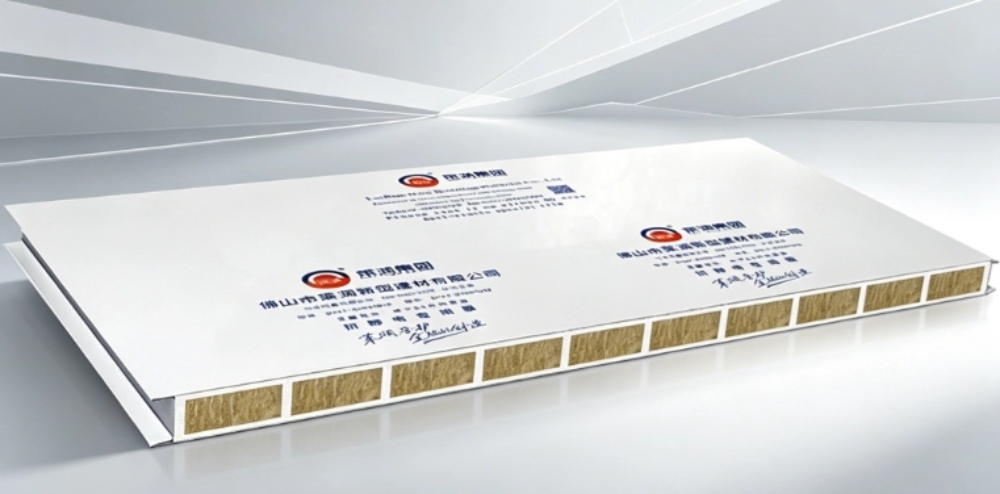
Why Is Thermal Efficiency the Core Challenge in Modern Clean Room Construction?
Keeping even heat in a cleanroom makes the air system run all the time. If walls let heat slip, you waste funds. The building shell needs strong heat block to stop outside changes from hitting the inner space.
The Role of Sandwich Panel Insulation in Temperature Control
A good panel serves as a heat shield. It holds cool air in or warm air out based on your work needs. Dense core parts matter a lot. They cut heat move and ease the pull on cooling gear. This setup helps maintain steady conditions.
Impact of Thermal Bridging on Long-Term Operational Expenses
Heat bridging happens when warmth skips past filler through metal frames or weak joins. Panels must fit tight. Small spaces turn into paths for power loss. Systems then run harder to make up. This raises ongoing costs over time.
Meeting Global Energy Standards with High Performance Materials
World rules tighten each year. Plain parts no longer work. You require mixed panels with Class A fire blocks and right R-values for green build marks. Such choices fit current global needs. They ensure compliance without issues.
How Does the Rock Wool Sandwich Panel Transform Industrial Energy Saving?
When fire guard and heat steadiness top your list, the Rock wool sandwich panel fits well. Builders form it from natural rocks like basalt. They melt these at high heat and turn them into threads that block warmth flow on their own.
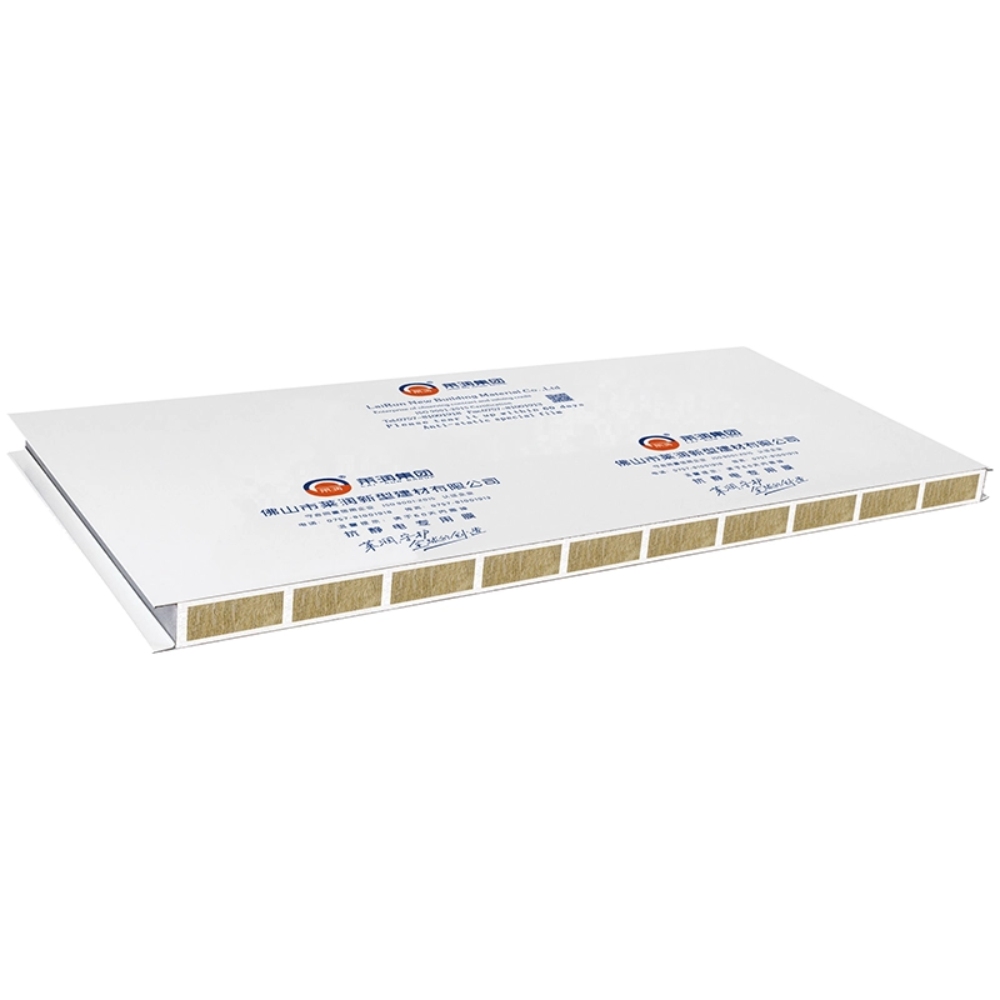
Superior Thermal Resistance Properties of LAIRUN Rock Wool
Threads in these panels line up across the metal face. This forms a thick wall that holds air and stops heat pass. The setup keeps panels firm over long use. They avoid droop or fade in block power. Durability stands out in tough spots.
Combining Fire Safety with Exceptional Heat Insulation
Guard needs must pair with good work. Panels with A-grade fire-safe rock wool offer a block against flames. At the same time, they keep controlled air in place. This balance suits safe and efficient sites. Benefits show in daily runs.
Vertical Fiber Orientation for Enhanced Structural Integrity
Fibers shape as strips in offset lines. Panels hold big weights without squash. This avoids crush in filler layers that cause cold areas in cheap picks. Strength aids long-term builds. It supports heavy use without fail.
Is the MGO Rock Wool Sandwich Panel the Ultimate Solution for Extreme Environments?
In spots with damp or heavy wet air that harm usual fillers, a tougher mix works best. The MGO rock wool sandwich panel adds magnesium oxide board. This layer boosts even surface and weather hold greatly.
Integration of Magnesium Oxide Board for Superior Flatness
The MGO layer keeps the panel face level. This matters for tight seals at edges. Level faces cut open spots. Such spots often cause 30% air slip in add-on builds. Better fits lead to solid gains.
Enhanced Moisture Resistance and Anti-Corrosion Capabilities
Basic panels take in wet or show salt back in damp air. New mixes fix these flaws. This helps in food plants or test rooms with regular clean washes. Protection lasts through tough cycles. Sites stay safe and dry.
Double Layer Protection for Sensitive Laboratory Thermal Management
Rock wool brings fire block strength. Magnesium sulfate or MGO adds firm build. Together, they form dual guard. Basic stores may not need this much. Biotech labs gain steady heat control from it. Bills stay even and low.
What Specific Design Features of LAIRUN Panels Maximize Energy Savings?
The key to that 30% power cut hides in join details that buyers often miss. If air flows through walls, inner block loses much value.
Advanced Tongue and Groove Joint Systems for Air Tightness
The special tongue-and-groove shape lets panels lock with fine care. This makes smooth links that stop air creep. Tight holds cut setup work by 50% in some cases. Utility costs drop for good. Ease shows in full builds.
High Density Core Materials Optimized for Minimal Heat Loss
Cores at 60kg/m³ to 120kg/m³ leave little room for heat paths. Dense setups also mute noise well. This aids if machines hum near work areas. Extra perks fit busy plants. Overall, they cut loss smartly.
Customizable Surface Coatings for Reflective Heat Management
Pick from steel sheet depths and covers like anti-static or carbon steel in hue. These send outside warmth from the shell. Light shades such as gray or white aid heat bounce too. Choices match brand or heat goals. Options fit varied needs.
How Can LAIRUN Case Studies Prove Real World Cost Reductions?
Tech facts help, but field work shows true worth. Big hospitals to chip sites use full make systems. Results stay even across jobs.
Success Stories from International Cold Storage Projects
Cold holds face big heat gaps inside and out. Sites in Southeast Asia and Middle East used these panels. They kept below-zero levels in hot zones. Seals held firm under load. Proof comes from real tests.
Performance Data in Pharmaceutical and Semiconductor Facilities
A Dongguan chip job used 50mm and 100mm hand-built panels. These met strict steady needs. Hand joins gave clean spaces free of dirt. Air use stayed in close limits. Data backs the strong show.
Client Feedback on HVAC Efficiency and Reduced Power Consumption
Switches from old builds to add-on panels note cool units rest more. This cycle ease ties to shells holding heat longer. Users see clear drops in power draw. Feedback highlights steady saves. Changes prove in daily use.
Why Is LAIRUN the Preferred Partner for High Quality Clean Room Solutions?
Picking a maker goes beyond the item buy. It means a supply path that stays solid. With 25 years in play, the About Us page shows focus on real parts and no-flaw making.
Decades of Expertise in Global Industrial Content and Engineering
The group holds over 25 years of field know-how. They met shifts and world health scares with panels for quick hospitals and study spots. This stands as a tested player in clean work. Experience guides strong outputs. Reliability builds trust.
Comprehensive Technical Support from Design to Installation
You gain more than stacked panels. Services cover early need checks and pro follow care. Custom sizes or built-in lines for wires come from the plant first. Full aid eases the full path. Support fits project steps.
Innovative Production Lines Meeting CE and International Standards
Eight full-auto lines keep panel quality and size even. Nine patents and marks like ISO9001 match top world safety and work rules. This ensures your job hits high marks. If you aim to boost plant work, you should Contact Us to talk project details.
FAQ
Q1: What is the difference between handmade and machine-made panels?
A: Handmade panels give closer joins, stronger seals, and better fire blocks. They suit top clean areas well. Machine-made ones fit fast runs and bulk evenness. Choices match job types.
Q2: Can I customize the thickness and color of the panels?
A: Yes, you can set depths at 50mm, 75mm, or 100mm. Hues match any world chart for brand or heat fits. Options cover wide needs.
Q3: Are these panels suitable for high-humidity environments?
A: Yes, picks like magnesium sulfate or magnesium oxysulfide cores fight wet take and salt back. They hold up in damp spots. Design targets such challenges.
Q4: How much time can the tongue-and-groove system save during installation? A: The shape cuts setup time by up to 50% over old ways. This drops site work costs a lot. Speed aids quick jobs.
Q5: Which core material is best for fire protection?
A: Rock wool leads for fire guard as an A-grade non-burn item. It takes very high heat. Choice suits safe builds.
