

How Do Cleanroom Wall Panels Protect Semiconductor Factories from Microscopic Contamination
Time : June 18, 2026 View : 1131
Semiconductor factories need clean, stable, and safe spaces. The wall system is a quiet but important part of that environment. If wall panels shed dust, absorb moisture, crack at joints, or become hard to clean, tiny particles may stay in the room and affect production quality.
LAIRUN provides cleanroom sandwich panel solutions for electronic technology, semiconductors, biopharmaceuticals, hospitals, laboratories, food production, and other industries. Its product center includes cleanroom panels, cleanroom doors and windows, and related accessories. For semiconductor factories, cleanroom wall panels must support cleanliness, fire safety, quick installation, and long-term daily cleaning. Among its product choices, the Rock wool sandwich panel is a practical option when buyers care about fire resistance, thermal insulation, sound control, and stable wall strength.
Why Is Microscopic Contamination a Critical Risk in Semiconductor Factories?
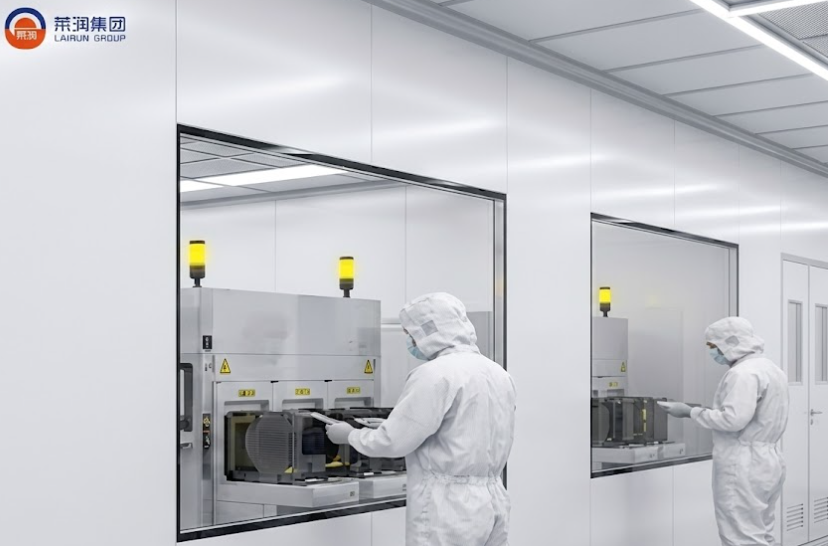
In semiconductor production, small particles can become real trouble. Dust may come from people, equipment, airflow, packaging, or building materials. Wall panels cover a large indoor area, so their surface quality and joint design directly affect cleanroom control.
Particle Sensitivity in Chip Manufacturing
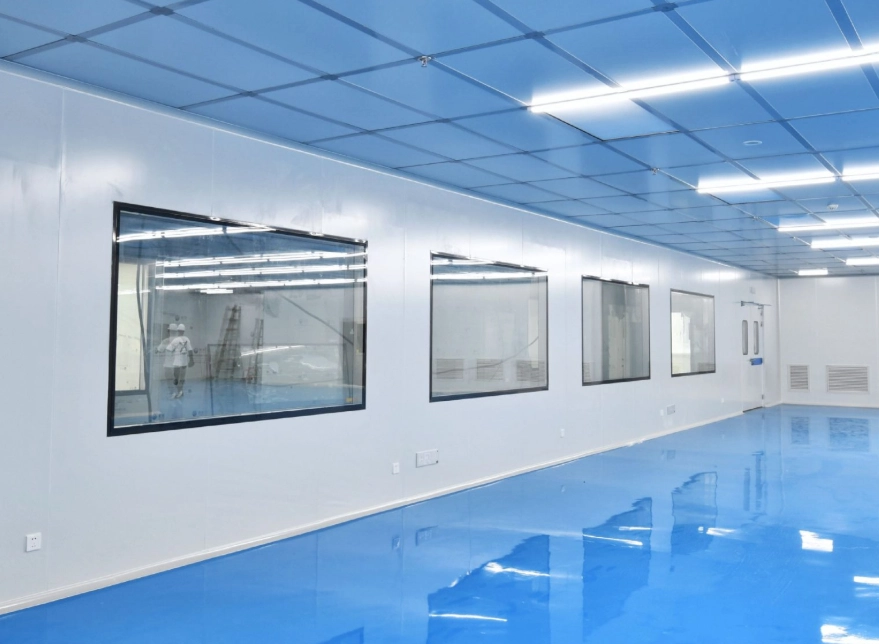
Chip manufacturing needs a controlled space where dust and loose fibers are kept low. A poor wall material may slowly release particles after cutting, cleaning, impact, or long-term use. That is why cleanroom wall panels for semiconductor factory projects should have smooth surfaces, firm edges, and stable internal structure.
The best panel is not always the most complicated one. It is the one that stays clean, holds its shape, and does not create extra cleaning work.
Wall Surfaces as Hidden Contamination Sources
Walls can become hidden dust collectors when the surface is rough or the seams are not tight. Small gaps may hold fine particles. Damaged corners may become hard to clean. After months of operation, these small details can turn into repeated maintenance issues.
Cleanroom sandwich panels help reduce this risk through flat metal surfaces, neat joints, and controlled installation. LAIRUN cleanroom panels are designed for purification spaces that need fire protection, cleanliness, sound insulation, thermal insulation, and quick installation.
Long Term Cleanroom Stability
Semiconductor factories are not short-term projects. Wall systems may need to handle years of cleaning, temperature changes, pressure control, and equipment movement. If panels deform or loosen, the cleanroom team may face more repairs and more downtime.
LAIRUN has a 38,000 square meter production base, automated production lines, and daily output capacity reported at 25,000 square meters. This production background helps support larger cleanroom projects where stable supply and consistent panel quality matter.
How Do Cleanroom Wall Panels Reduce Particle Accumulation?
Cleanroom wall panels reduce particle accumulation mainly through surface control, seam control, and structural strength. These points sound simple, but they are exactly what installers and maintenance teams deal with every day.
Smooth and Washable Panel Surfaces
A smooth panel surface is easier to wipe and harder for dust to hold onto. Color-coated steel plates or stainless steel surfaces can be selected according to project needs. LAIRUN also supports several common colors, including white gray, stainless steel matte, light blue, light green, ivory white, and sea blue.
For semiconductor cleanrooms, easy cleaning is not just about appearance. It helps cleaning teams work faster and keeps the cleanroom routine more predictable.
Tight Joint and Seam Control
Panel joints are often the weak point in cleanroom construction. Open seams may trap dust, affect appearance, and make cleaning slower. LAIRUN panel systems can use male-female splicing, Chinese aluminum connection, or tongue-and-groove style structures.
For a semiconductor factory, tighter joints help reduce dust-holding gaps. They also cut down unnecessary site cutting. Less cutting means fewer construction residues, which is always welcome in cleanroom work.
Stable Structure Under Frequent Cleaning
Cleanroom walls are cleaned often. The surface and edges must stay firm after repeated wiping and daily use. LAIRUN handmade purification panels use galvanized keel edging around the sides to improve load-bearing capacity. Customized sizes can also reduce material waste at the construction site.
A strong panel structure lowers the chance of cracked corners, loose edges, or uneven surfaces. It is a small detail at first, but it saves effort later.
Why Is Rock Wool Sandwich Panel Suitable for Semiconductor Cleanroom Walls?
For semiconductor factories, wall panels often need to balance cleanliness, fire protection, sound control, and temperature stability. The Rock wool sandwich panel fits this type of project because its core material brings strong fire-resistant and insulation performance.
A Grade Fire Resistant Core Material
LAIRUN rock wool handmade panels use A-grade fireproof rock wool. The rock wool fibers are arranged perpendicular to the metal panel, and high-density strip-shaped rock wool is staggered along the panel length. This structure helps improve load-bearing performance.
Fire safety matters a lot in semiconductor factories because production equipment, electrical systems, and cleanroom systems all have high value. A fire-resistant wall panel gives the facility a safer base from the beginning.
Thermal and Acoustic Control
Rock wool has good thermal insulation and sound insulation performance. LAIRUN product information notes that rock wool sandwich panels can reduce noise transmission, making them suitable for spaces that need better sound control.
In a semiconductor facility, different rooms may have different noise and temperature needs. Equipment areas, corridors, and process rooms do not always need the same panel solution. The Rock wool sandwich panel gives buyers a useful balance of insulation, strength, and safety.
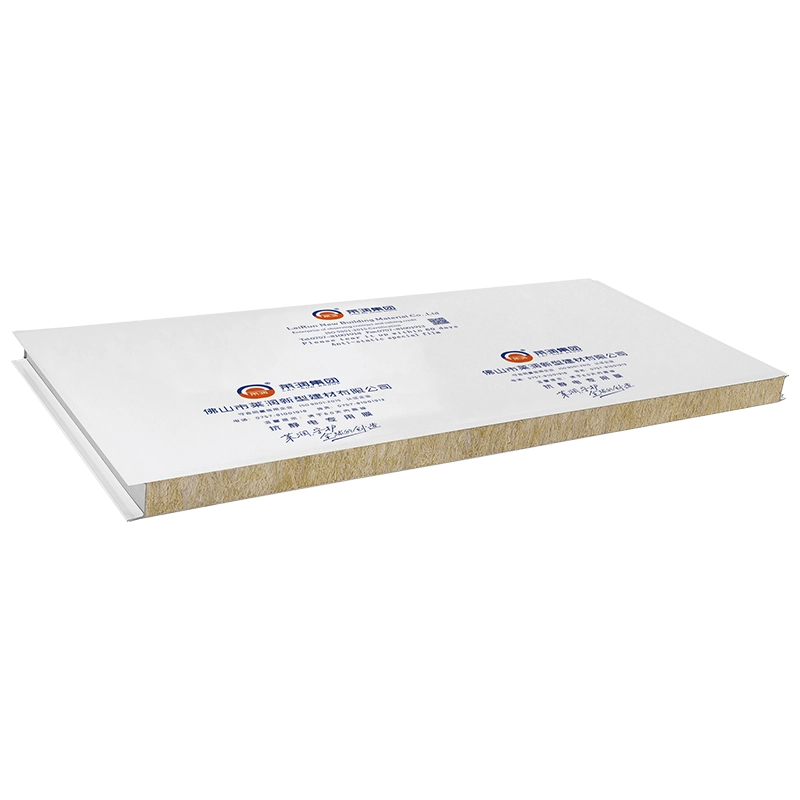
Tongue and Groove Jointing Structure
Connection design affects both cleanroom sealing and installation speed. LAIRUN supports tongue-and-groove related structures, male-female splicing, and Chinese aluminum connection. Common thickness options include 50 mm, 75 mm, and 100 mm.
In LAIRUN’s semiconductor project in Dongguan, the material solution included 50 mm rock wool handmade sandwich panels and 100 mm glass-magnesium rock wool handmade sandwich panels. The panels used 0.476 mm color-coated steel plates on the upper and lower surfaces. This kind of mixed selection is common in real projects because different cleanroom areas may need different wall performance.
What Material Details Should Buyers Check Before Choosing Cleanroom Wall Panels?
A good cleanroom panel should match the actual factory environment. Product name alone is not enough. Buyers should check core material, panel thickness, density, surface plate, joint method, and cleaning needs.
Panel Thickness and Rock Wool Density
For LAIRUN rock wool handmade panels, regular width can be customized from 300 mm to 1180 mm. Length depends on project size. Regular thickness is 50 mm, with 75 mm and 100 mm options available. Rock wool density can range from 60 to 120 kg/m³.
These numbers help buyers compare options clearly. A thicker panel may suit areas that need better insulation or stronger wall performance. A higher density may help where sound control and strength are more important.
Metal Surface and Coating Options
The surface plate affects cleaning, durability, and visual quality. LAIRUN supports customized steel plate colors and different surface choices. For semiconductor cleanrooms, buyers should also check scratch resistance, corrosion resistance, and cleaning chemical compatibility.
This step is easy to skip, but it should not be skipped. A panel surface that looks fine on day one may become a problem if it does not match the cleaning routine.
Moistureproof and Anticorrosive Performance
Humidity control matters in cleanrooms. LAIRUN rock wool panels are suitable for low temperature, low humidity, high temperature, and high humidity environments. This makes them useful for projects with different room conditions.
In areas near HVAC systems, service corridors, or support rooms, moisture behavior should be checked early. Better moisture resistance helps reduce swelling, surface defects, and hidden dust traps.
How Can Better Wall Panels Solve Common Semiconductor Cleanroom Pain Points?
Most buyers worry about the same things: dust control, fire safety, project delay, panel damage, and maintenance cost. Better wall panels help solve these concerns by making the cleanroom easier to build, clean, and manage.
Dust Shedding and Surface Wear Control
Stable cleanroom panels reduce dust shedding from walls, corners, and seams. LAIRUN handmade panels are produced with high precision, and the galvanized keel edging helps improve strength. For high-standard clean workshops, this can reduce the risk of surface damage during installation and daily use.
A cleaner panel surface also helps the cleaning team. Less dust buildup means less repeated work.
Fire Safety in High Value Facilities
Semiconductor factories carry expensive equipment and strict safety demands. The Rock wool sandwich panel is recommended for projects with high fire prevention requirements because it uses A-grade fireproof rock wool.
For buyers, fire resistance is not only about passing inspection. It also protects production continuity and long-term facility safety.
Faster Installation and Lower Downtime
Installation speed affects project cost. LAIRUN panel systems support convenient installation, easy disassembly, male-female splicing, and Chinese aluminum connection. Tongue-and-groove designs can also help reduce labor time and site cutting.
For renovation or phased cleanroom construction, faster installation is a real advantage. It helps keep nearby work areas cleaner and lowers disruption.
Why Is LAIRUN a Strong Choice for Semiconductor Cleanroom Wall Panels?
LAIRUN offers product variety, production capacity, project support, and cleanroom material experience. For overseas buyers, these points are important because a cleanroom project needs more than a good sample. It needs stable production, clear communication, and after-sales support.
Rock Wool Sandwich Panel Recommendation
For cleanroom wall panels for semiconductor factory projects, LAIRUN’s Rock wool sandwich panel is a strong choice when fire resistance, insulation, sound control, and wall strength are key concerns.
It is suitable for purification plants with high requirements for fire prevention and cleanliness, including electronics factories, laboratories, pharmaceutical factories, food factories, and other clean spaces.
Custom Size and Material Support
LAIRUN provides several cleanroom panel materials, including rock wool, glass magnesium, magnesium oxysulfide, glass magnesium rock wool, PU, paper honeycomb, and aluminum honeycomb. This gives buyers more flexibility for different cleanroom zones.
The company supports customized size, thickness, density, color, and connection method. For semiconductor factories, this is useful because production rooms, equipment rooms, corridors, and support spaces may all need different panel choices.
Cleanroom Project and Technical Service Experience
LAIRUN products are used in electronics, semiconductors, biopharmaceuticals, hospitals, laboratories, healthcare, food production, and other industries. The company has exported sandwich panels to more than 30 countries and provides service support through product design, manufacturing, technical help, and after-sales service.
For buyers looking for cleanroom wall panels for semiconductor factory construction, this combination of product range, production strength, and project service can make material selection easier and more reliable.
FAQ
Q1: Why Are Cleanroom Wall Panels Important for Semiconductor Factories?
A: They help reduce dust buildup, support easy cleaning, control wall seams, and keep the cleanroom structure stable during long-term operation.
Q2: Is Rock Wool Sandwich Panel Suitable for Semiconductor Cleanrooms?
A: Yes. It is suitable when the project needs A-grade fire resistance, sound insulation, thermal insulation, and strong wall performance.
Q3: What Thickness Is Common for Cleanroom Wall Panels?
A: Common options include 50 mm, 75 mm, and 100 mm. The right choice depends on fire safety, insulation needs, wall height, room function, and budget.
Q4: Can Cleanroom Wall Panels Be Customized?
A: Yes. LAIRUN supports customized panel size, thickness, density, color, surface material, and joint method according to project needs.
Q5: How Do Tongue-and-Groove Joints Help Cleanroom Projects?
A: They help panels connect more tightly, speed up installation, reduce site cutting, and lower the chance of dust-holding gaps.
