



How to Evaluate Sandwich Panel Quality Beyond the 2 el Pricing Trap
Time : April 03, 2026 View : 1781
When you start a cleanroom build, the first price offer often sets your path. You may run into the phrase “2 el” or “Grade B” sandwich panel. It looks like a big money saver. But experienced builders understand that a low buy cost hides ongoing repair bills and build dangers. In key spots like chip labs or drug factories, one sandwich panel breakdown can ruin a full batch of goods. For example, a pharma plant once lost $500,000 from a single leak due to cheap panels—I’ve seen reports like that.
To make sure your site hits worldwide rules, you need to ignore the 2 el price pitfall. Solid builds demand a sandwich panel that holds up against heat pressure, damp air, and tough clean rules. Picking a firm like LAIRUN, which has 25 years of development know-how and 38,000 square meters of auto build space, means you get carefully made materials built to last. Their 8 auto lines turn out 25,000 square meters each day. This scale and steadiness fit what your build requires. Honestly, in my view, that kind of output really sets them apart for big projects.
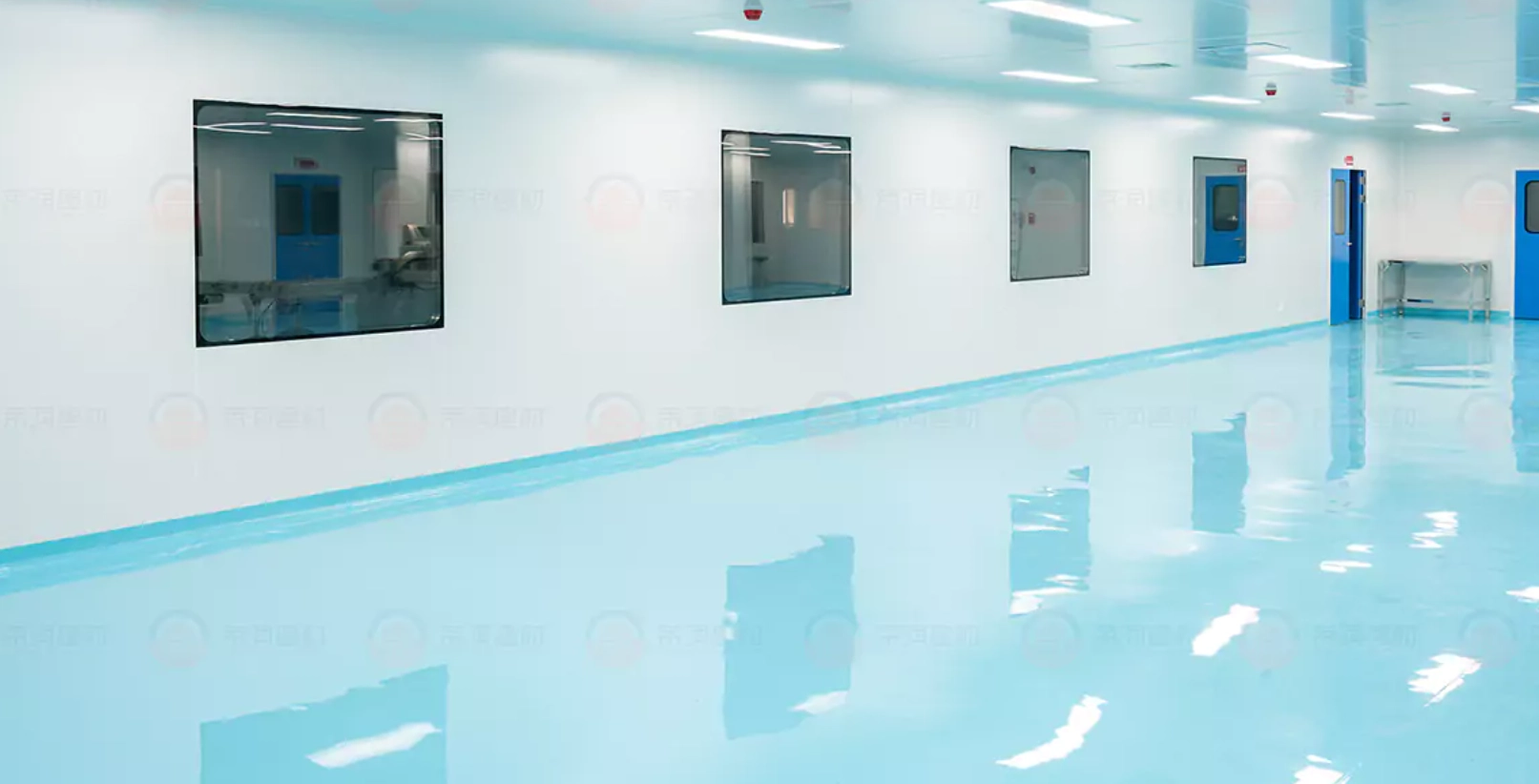
Why Is 2 el Pricing a Risk for Your Cleanroom?
Structural Weakness and Delamination Risks
Bargain sandwich panel picks frequently rely on weak glues and slim steel covers, often 0.3mm to 0.4mm thick. As time passes, the link between the inside and outside layers fades. This leads to bends or splits. Such issues open spots for dirt and germs to build up. As a result, keeping a clean space becomes tough. On the other hand, better panels use 0.476mm painted steel. This choice boosts strength and guards against hits. Take a chip factory scenario: low-end panels warped after six months, causing shutdowns, while premium ones held steady for years.
Moisture Absorption and Halogen Return Issues
A typical flaw in budget magnesium panels is “halogen return.” Here, chloride bits make the panel “sweat.” This dampness eats at the steel cover and frame from within. Pro-level panels avoid this problem. They use certain sulfate mixes that block all moisture uptake. Thus, the sandwich panel stays firm even in wet settings. In one electronics lab, cheap panels showed sweat after a humid week, leading to corrosion. But sulfate-based ones ran dry for over two years without issues.
Inadequate Fire Resistance and Safety Standards
Safety matters a lot in factory builds. Plenty of 2 el panels miss the thickness or add-ins for a real Class A fire-safe mark. Top panels, however, use dense rock wool or special inside materials. These release no bad gases or fumes in fires. They shield your gear and workers. For instance, a food plant fire test showed low-grade panels melting fast, spreading smoke. Quality ones limited spread to under 10 minutes, saving the line.
Superior Material Solutions for Your Project
Patented Magnesium Oxysulfide Sandwich Panel
If your site deals with dampness or strict fire rules, the Magnesium oxysulfide sandwich panel fits perfectly. It relies on a unique mix for strong press resistance and good heat block. Unlike old styles, it avoids breaks or bends. It comes with a “three nos and four nos” promise: non-toxic, odorless, no waste out, no rot, no splits, no damp take, and no chemical smells. This works well for drug cleanrooms needing dust-free and germ-fight tops. A biopharma setup we know used these and cut cleaning time by 30%, keeping standards high.
High-Density Rock Wool Sandwich Panel
For builds wanting top fire guard and noise cut, the Rock wool sandwich panel serves as the field standard. Its inside has basalt threads set across the metal cover. This setup lifts weight hold and sound drop a lot. It suits food sites and tech plants where heat fight and noise check matter for routine work. In an electronics factory, these panels blocked 40dB of machine noise, making the space workable without ear gear.
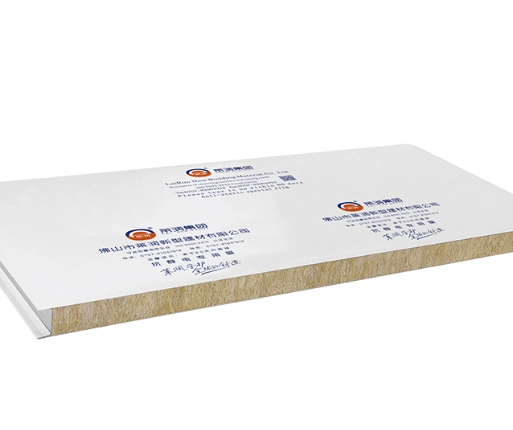
Impact-Resistant Hollow Core MGO Sandwich Panel
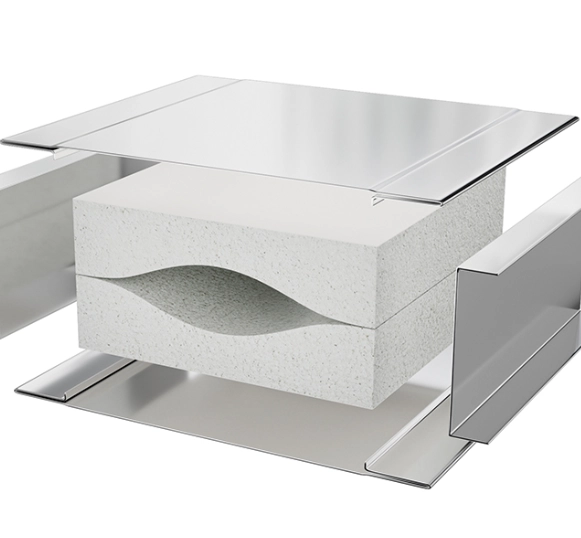
When evenness and money save top your list, the Hollow core MGO sandwich panel gives a solid fire-safe pick. It has a glass magnesium frame that boosts build firmness. This makes it good for inside walls and roofs with strong clean needs. It fits makeup factories and test labs wanting smooth, simple-clean tops that stand up to knocks and use. One lab reported zero dents after heavy equipment moves, thanks to its tough core.
What Makes a Quality Manufacturer the Industry Benchmark?
Advanced Automated Production and Strict Testing
Steadiness stems from care. New plants employ auto clean lines—uncommon in south China—to guarantee each sandwich panel has right sizes and close joins. Every unit goes through a Scientific, Verbund, and Butler (SVB) check setup. This includes hard quality reviews before items ship out. Such steps make sure your panels show up set for quick, smooth setup. A cleanroom project in Europe finished two days early with these, cutting worker hours by 20%.
Comprehensive 360 Degree Global Service System
Your build wants more than parts; it calls for tech help. A pro aid setup covers start need checks, custom item plans, and round-the-clock tech aid. If you require built-in tubes for wires or set global shades for steel sheets, the maker should offer fitted fixes that ease your build flow. For a US pharma site, this meant custom colors matching brand guidelines, speeding approvals.
Proven Expertise and International Certifications
A maker’s standing grows from its past and papers. Seek teams with ISO9001:2015 and ISO14001:2015 marks. These show their drive for quality care and green safety. Goods sent to over 30 lands, like the US and Europe, from a known name bring calm that your sandwich panel fits global build rules. Industry pros often say, it’s that certification edge that wins big contracts.
FAQ
Q: Why is the installation speed of a tongue-and-groove sandwich panel faster than traditional methods?
A: The special tongue-and-groove shape lets panels lock together simply. This can cut worker costs by up to 50%. It also doubles setup pace over old hand work.
Q: Can I customize the thickness and color of my sandwich panel?
A: Yes, pro panels often offer set thicknesses of 50mm, 75mm, and 100mm. The steel sheet shade can match any pick from the world color list to fit your mark or build wants.
Q: What is the main difference between Magnesium Oxysulfide and Rock Wool cores?
A: Magnesium Oxysulfide stays light and fully damp-proof. So it suits labs best. Rock Wool gives better heat stand and sound block. That’s why food and tech sites pick it.
