



How to Manage the Modular Cleanroom Lifecycle From Blueprint to Certification
Time : May 22, 2026 View : 1402
Handling the full cycle of a modular cleanroom calls for a solid understanding of engineering details and material basics. Good results take shape well before any panel fits in. It starts with a plan that meets the firm rules of contamination handling. It finishes with a certification that shows your space works as needed. For partners with real production know-how, LAIRUN appears as a long-time leader. They run from a 38,000-square-meter site with daily yields of 25,000 square meters. They go beyond selling panels. Instead, they deliver a professional service system that spans from first need checks to full production aid. With more than 25 years in R&D and nine key patents, they supply the tech support for big projects in semiconductors, biopharma, and health care. A look at their product center shows a focus on quality. This helps worldwide efforts keep to schedule and costs.
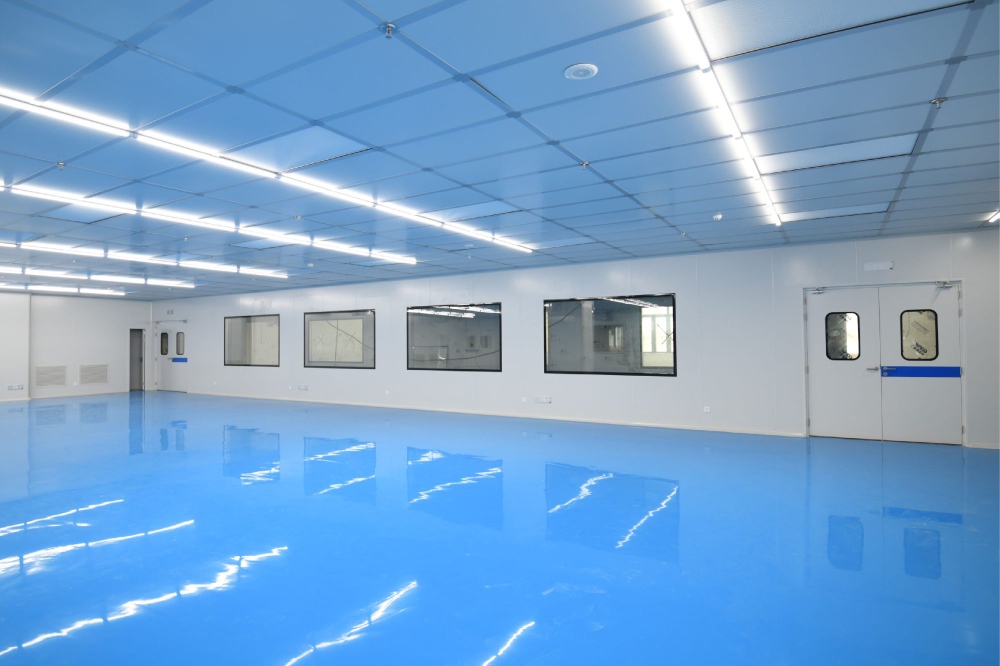
Why Does the Blueprint Phase Dictate Long-Term Performance
The starting plan time offers the best chance to avoid later running issues at low cost. If the plan skips how items handle dampness or fire rules, fixes later can cost a lot. A smart plan mixes build strength with the exact needs of the field, be it food making or electronics work.
Strategic Material Selection for Contamination Control
Picking the proper core item stands as a basic choice. Various settings need varied reactions to damp, static charge, and germs. Labs often pick magnesium oxysulfide for its light weight and strong build, plus no return of halogens. Items that stay free of toxins, smells, and formaldehyde stop chemical leaks that might harm key studies. Such picks keep spaces safe and clean.
Structural Integration of Modular Wall Systems
Modular setups cover more than walls alone. The plan must blend ceilings, doors, and special add-ons like inner arc aluminum. This avoids right-angle spots where dirt gathers. Early planning for these parts makes a smooth shift from floor to wall. As a result, the whole setup stays tight and effective.
How to Choose the Right Sandwich Panel for Your Cleanroom
Picking a panel goes past the cost label. It means fitting physical traits to your task’s clear “weak spots.” You check fire levels, weight hold, and impact strength. A poor pick often brings rust or build droop over time.
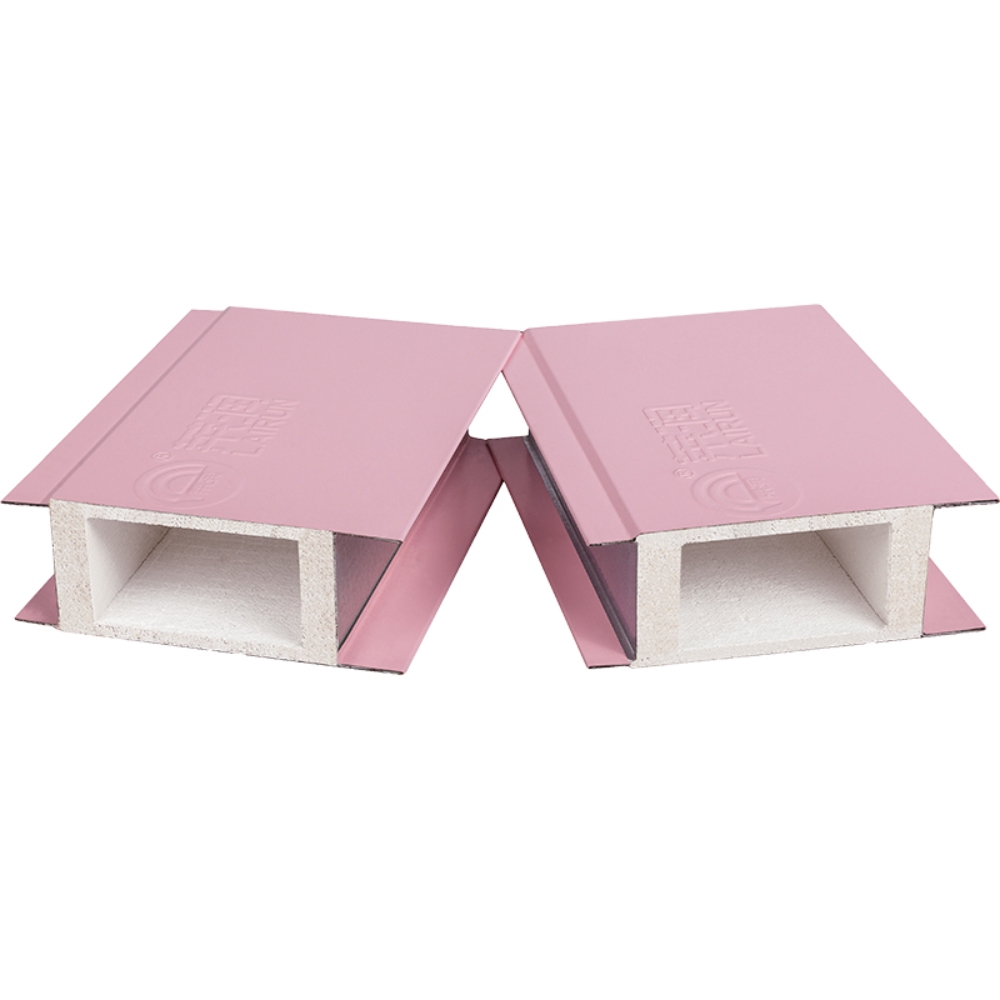
Superior Properties of Hollow Core MGO Sandwich Panels
For spots needing strong fire guard and a neat look, the Hollow core MGO sandwich panel serves as a leading option. It fits A1 level fire-safe items. It acts as a fine swap for past magnesium chloride panels. This build fixes usual field problems like damp take-up and steel plate rust from chloride release. The panel holds up well, fights impacts, and keeps shape in tough places. Overall, it boosts reliability.
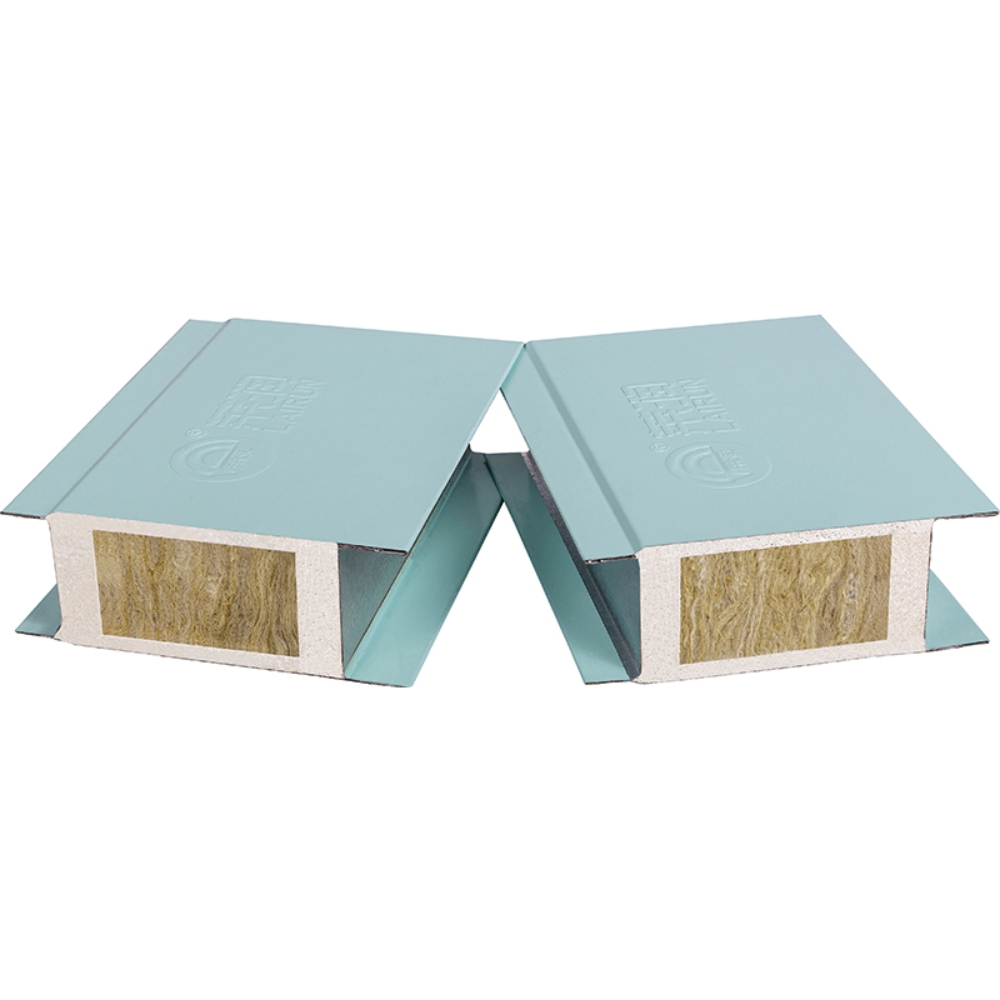
Fire Resistance of MGO Rock Wool Sandwich Panels
If your site demands top fire safety, the MGO rock wool sandwich panel gives a “double guard” approach. It fills a hollow magnesium frame with dense rock wool. This blends the build power of MGO board with heat and sound block from basalt fibers. Such a mix works well for inside dividers and ceilings in drug or electronics plants. It ensures safe and quiet spaces.
Technical Specifications for Industrial Compliance
Uniform rules aid buying. Most pro tasks use a standard width of 1150 mm or 1180 mm. Thickness runs from 50 mm to 100 mm based on use for dividers or heavy ceilings. Check the steel plate size too. For instance, a 0.476 mm color-coated steel plate aids lasting strength and rust fight. These details keep setups to rules.
What Are the Critical Challenges During the Installation Process
Top panels fail with poor fitting. The aim stays to form a closed space where air skips the filter setup. Quick work matters, but it should not harm tight seals.
Precision Alignment of Modular Interlocking Systems
Tongue-and-groove links gain favor as they cut labor costs by up to 50%. This style lets panels fit fast and lock with self-tapping nails. Still, straight lines must hold to block open spots for germs. In fine areas, hand-built panels pay off with better joins and seals. They lift the full close fit.
Seamless Joint Treatment for Airtight Environments
How you link panels counts a lot. A male-female join eases fit and take-out. Or a middle-aluminum join gives even spaces and strong seals. For ceilings, special blind plate joins make the build solid and neat. This keeps air flow controlled.
Can Advanced Materials Simplify the Certification Path
Certification like ISO or GMP marks the last step. Checkers seek smooth, non-porous faces that take hard cleans. Panels with “micro-cracks” or damp pull likely fail checks.
Verification of Surface Smoothness and Cleanability
Faces need to fight germs and mold. Inorganic pre-coated plates with UV paint or fine color-coated steel make walls hold against acids and bases. This eases clean work, a key check for health and food checkers. It speeds the approval process.
Documentation for ISO and GMP Standards Support
Good walls need papers to back them. A maker with strong test reports and holds like ISO9001:2015 and ISO14001:2015 smooths the way. These files show fire safety and green traits of the items. They prove full fit for rules.
How to Maintain Environmental Integrity After Completion
With the cleanroom running, care turns key. The space faces daily tough cleans and gear moves. Strong items cut repair needs.
Surface Durability Against Harsh Cleaning Agents
Cleanroom walls get wiped often with strong cleaners. Fine panels with good covers fight scratches and wear. Stainless steel or special anti-static layers on items like FFU manual blind plates hold ceiling strength in chip plants. They keep the setup sound over time.
Replacement Efficiency of Damaged Modular Components
Modular setups shine in fixing one bad panel without full wall breaks. Be it a rock wool hand panel or hollow magnesium board, male-female splices make take-apart and re-fit quick. This saves time and keeps work going. It cuts downtime costs.
Why Is LAIRUN the Preferred Partner for Modular Cleanrooms
Choosing a provider who runs the full make chain aids risk control. It makes sure the core in the panel matches the tech list.
Vertical Integration of R&D and Manufacturing
This team ranks among few that make core items and full panels on their own. Their own magnesium sulfate labs assure a “100% no-damp-take” good. This oversight stops “halogen return” troubles in many low-cost choices. It raises product trust.
Global Project Expertise in Specialized Industrial Sectors
They ship to over 30 lands, from the US and Europe to Australia. This teaches them varied rule blocks in places. Their panels fit in COVID-19 test hospitals to chip plants in Dongguan. Such wide work lets them give tailored solutions past basic lists. It meets unique needs.
Customized Solutions for High-Precision Cleanroom Environments
Not all cleanrooms follow a basic form. You may need built-in pipes for wires to keep walls clean and safe. Or a mix of machine and hand panels to cut on-site cuts. With custom sizes, widths, and shades, they make items fit the task. The task does not bend to the item. More on their about us page shows growth from a small plant in 2000 to field standard.
FAQ
Q1: Why are handmade panels often preferred over machine-made ones for cleanrooms?
A: Handmade panels typically offer tighter seams, better sealing, and higher moisture resistance, making them ideal for premium clean spaces that require strict environmental control.
Q2: What is the benefit of using magnesium sulfate over magnesium chloride in panels?
A: Magnesium sulfate eliminates the release of chloride ions, which solves the common industry problems of “moisture absorption” and the corrosion of steel plates or aluminum alloys.
Q3: How much time can tongue-and-groove panels save during installation?
A: The unique tongue-and-groove design allows panels to snap together easily, which can save up to 50% in labor costs and make installation twice as fast as traditional methods.
Q4: Where are blind plates typically used in a cleanroom setup?
A: Blind plates are primarily designed for ceilings. They are stylish, practical, and come in various core materials like aluminum honeycomb or MGO board to maintain the room’s cleanliness.
Q5: Are these sandwich panels suitable for high-humidity environments?
A: Some panels, like the rock wool handmade variety, are suitable for high humidity, but others—like the hollow core magnesium panels—are generally not recommended for environments with humidity below 30%.
