

Is Your Building Project Failing Because You Ignored These Sandwich Panel Principles?
Time : May 08, 2026 View : 1287
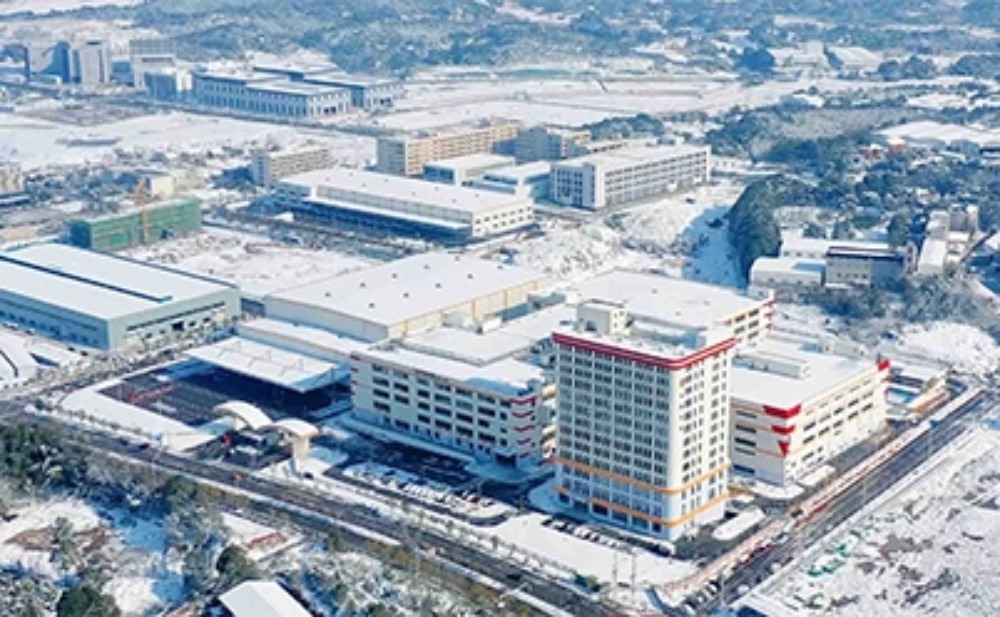
Constructing a quality cleanroom or factory setup goes beyond basic material piling. It involves a complete setup where each connection and inner layer choice affects the project’s duration. If structural strength or fire protection troubles you, basic sandwich panel rules might escape your notice. Here, LAIRUN, an experienced manufacturer with more than 25 years in research and development, helps close the divide between simple construction and expert design. Their large 38,000-square-meter plant produces 25,000 square meters each day. They offer more than basic supply. They deliver full solutions for areas like semiconductors, biopharmaceuticals, and food processing. From the Product Center to practical uses in the Case Center, emphasis stays on accuracy and dependability.
Why Is the Structural Insulated Panel Method Redefining Modern Construction?
Standard building approaches often lack when quick pace and heat management prove essential. The move to structural insulated panels comes from demands for a better, quicker outer layer. This layer serves more than a simple barrier.
Accelerated Assembly Timelines
These panels cut labor expenses by 50% over usual brickwork. They come ready-made, so fitting them takes half the time of older ways. Such pace helps when you face tight deadlines to start operations.
Enhanced Thermal Efficiency
Inner layers deliver strong heat blocking, a key gain for power-aware jobs like cold rooms or lab spaces. Good blocking lets your air system avoid extra effort against outside heat changes. This keeps energy use in check.
Superior Structural Integrity
Quality panels rely on modern tools for exact fit and firmness. Items like zinc-coated edge supports raise weight handling a lot. The full build gains toughness against hits.
How Does Core Material Selection Impact Your Project Safety?
Choosing an inner material just for cost leads to problems. Various settings need specific traits to avoid water harm or fire risks.
Rock Wool for Fire Resistance
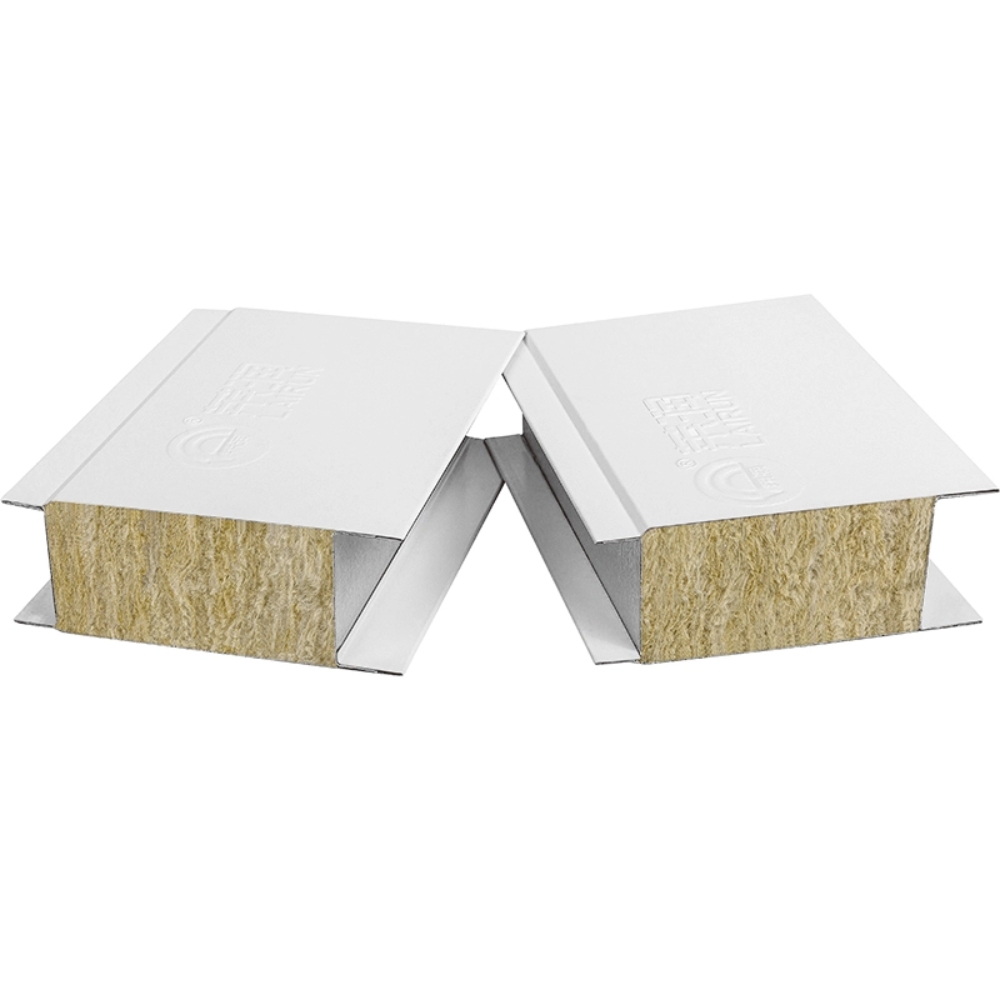
Fire protection ranks first in some cases, so Rock wool sandwich panels serve as the main pick. This substance holds Class A fireproof status. It resists burning in intense heat. Factory sites benefit from its heat tolerance and noise blocking.
Silica Rock for Moisture Protection
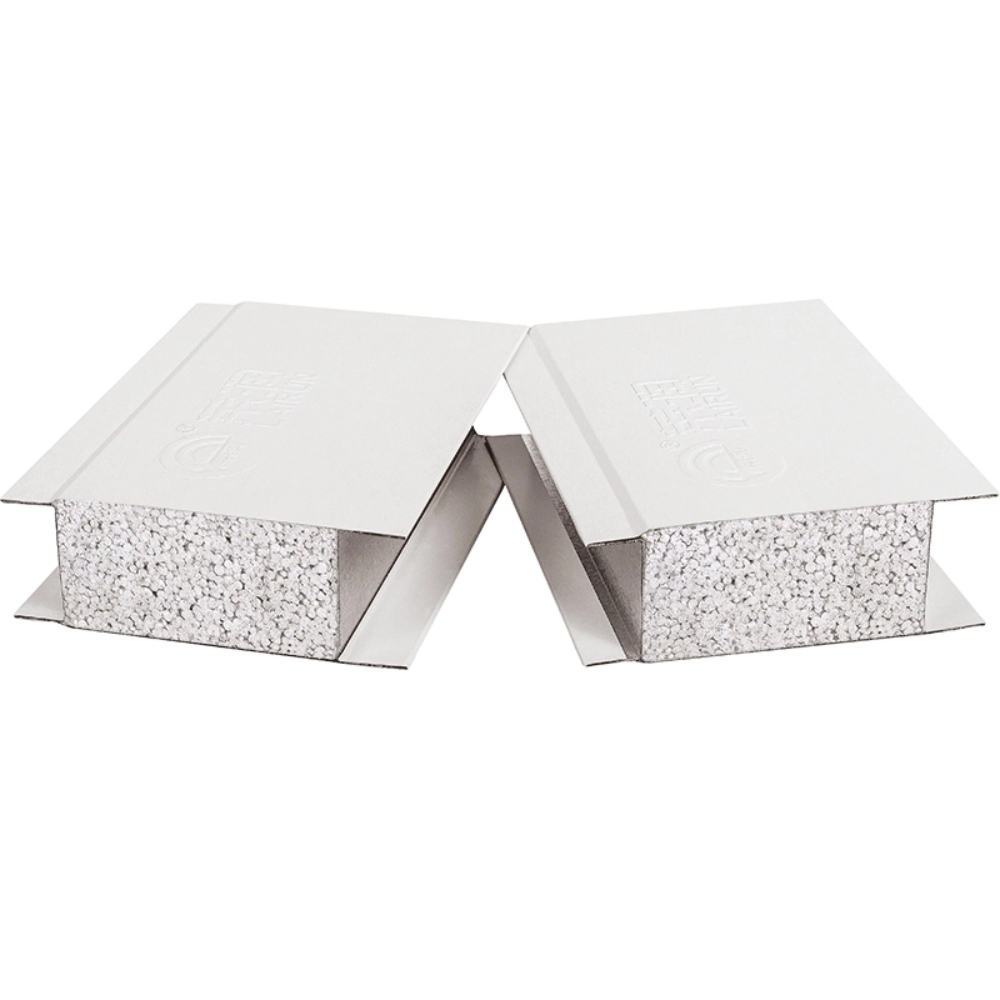
Damp areas with strict fire needs call for Silica rock sandwich panels as a targeted fix. The inner part fights water uptake while holding build strength. Cheaper cores often fail here first.
Acoustic Performance Standards
Heavy equipment in your site raises noise as a worker concern. Dense rock wool strands layer in offsets to block sound naturally. This cuts noise levels sharply.
Can Your Project Survive Extreme Environmental Stressors?
Panels do not all cope with chemical contact or salt levels. Coastal spots or chemical plants require outer layers as vital as inner ones.
Corrosion Resistance for Coastal Areas
Painted steel sheets at 0.476 mm thick stand up to rust and damage long-term. They stop the decay that causes build breakdowns in rough weather.
Sealing Systems for Air Tightness
Cleanrooms demand firm seals to block dust and germs. Tongue-and-groove links fit this well. They join simply for smooth bonds that avoid dust spots and air gaps.
Are You Overlooking the Long-Term ROI of Prefabricated Panels?
Cheap starting prices mask high upkeep fees later. Better panels cost more at first. Over 20 years, the figures shift in their favor.
Minimal Maintenance Requirements
Hand-built panels exceed machine ones in price but give closer joins and seals. They last longer with less fixes. They resist water intake and shrinking that hit basic materials.
Energy Consumption Savings
Strong inner parts like magnesium oxysulfide provide top heat blocking. They hold steady inside conditions. This lowers power bills for cooling or warming over years.
What Are the Technical Secrets Behind a Successful Installation?
Top materials flop with poor fitting. Wins come from fine points that rushed workers skip.
Precision in Joint Alignment
Male-female or aluminum links need spot-on lining. Smooth joins clean easily. They avoid hidden spots for dirt buildup.
Proper Flashings and Fasteners
Right add-ons like slotted aluminum or inner curve pieces link walls to floors well. This creates clean-level areas. Maintenance suits medical or food rules better.
Why Is Lairun the Trusted Global Partner for High-Performance Panels?
Knowledge stems from years on factory lines and field tests. It goes beyond sales talk.
Comprehensive Solution Expertise
You gain more than panels. Access a complete Service that covers need checks and full build aid. It fixes usual issues like weak strength or poor heat control.
Certified Manufacturing Excellence
Standards like ISO 9001 and special patents for items like magnesium sulfate inners stress real components. Products stay safe, scent-free, and without formaldehyde.
Dedicated Technical Service Support
Support runs from start plans to after-sale checks. The group serves as a close quality guide. For a no-cost review, use the Contact Us page. Your work gains firm footing.
FAQ
Q1: Why choose Rock Wool over other core materials for industrial buildings? A: Rock Wool is the go-to for projects requiring a Class A fire rating and high sound insulation. It ensures the structure will not burn and significantly reduces noise transmission in loud manufacturing environments.
Q2: What is the benefit of the tongue-and-groove connection?
A: This design allows for a seamless connection that prevents dust buildup, which is critical for food and medical safety. It also makes installation 50% faster, saving you significant labor costs on-site.
Q3: Are handmade panels worth the extra cost compared to machine-made panels?
A: Yes, especially for premium clean spaces. They offer tighter seams, better sealing, and higher load-bearing capacity due to the manual production craftwork and reinforced keels.
Q4: Can these panels be used in high-humidity environments?
A: Certain cores like magnesium sulfate and silica rock are designed to be moisture-resistant and do not suffer from “halogen return” or shrinkage. This keeps the panels stable even in damp laboratory or food factory settings.
Q5: Is customization available for specific project sizes?
A: Absolutely, you can customize length, width, and thickness (commonly 50mm to 100mm) to fit your exact project requirements. This reduces material waste and allows for features like pre-embedded conduits for electrical wiring.
