



Magnesium Oxysulfide Sandwich Panel Moisture Control Edge Sealing and Cleanroom Wall Handover Checks
Time : September 18, 2026 View : 88
Magnesium oxysulfide sandwich panel moisture control depends on core chemistry, edge sealing, joint detailing, and how the wall is handed over after installation. In cleanrooms and laboratories, a panel can look flat on day one while exposed edges, wet construction conditions, or unsealed penetrations create later staining and hygiene risk. A reliable wall package checks the panel body and every cut edge before the room is accepted.
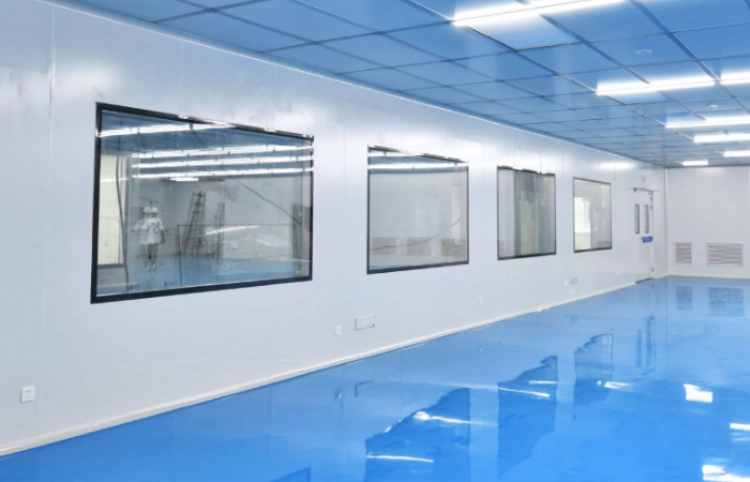
Key Takeaways
- Moisture resistance is shaped by both panel core properties and installation detailing.
- Openings for doors, pass boxes, sockets, and pipes must be sealed as carefully as panel joints.
- Handover should include surface inspection, joint width, trim fit, and photo records.
- The panel is only one part of a cleanroom envelope that also includes floors, ceilings, and accessories.
Moisture Problems Usually Enter Through Details
A wall panel can have a suitable core and still fail at cutouts, corners, plinths, and penetrations. Water follows capillary gaps, cleaning spray, wall condensation, and construction humidity. Once moisture reaches an exposed edge, the finished face may hide the problem until staining, odor, or bond failure becomes visible.
The no-halogen-reversion concern behind humid cleanroom walls is closely related to no halogen reversion performance. Material chemistry matters, but cleanroom durability also depends on whether the system is protected from uncontrolled moisture paths.
Edge Sealing Should Be Treated as a Quality Hold Point
Every factory or site cut creates a boundary condition. Door frames, windows, outlet boxes, pass boxes, and service penetrations should be checked for continuous sealant contact, compatible trim, cleanable corners, and no exposed core. Leaving these checks to the final cleaning stage is too late.
|
Location |
Inspection Point |
Reason |
|
Panel joints |
Consistent gap and sealed surface |
Limits dust and moisture paths |
|
Cut openings |
No exposed core under trim |
Protects against hidden absorption |
|
Wall base |
Plinth seal and floor interface |
Prevents wash water from entering edges |
|
Handover |
Photos before equipment blocks walls |
Documents accepted condition |
Using MOS Panels in Wet-Risk Cleanroom Areas
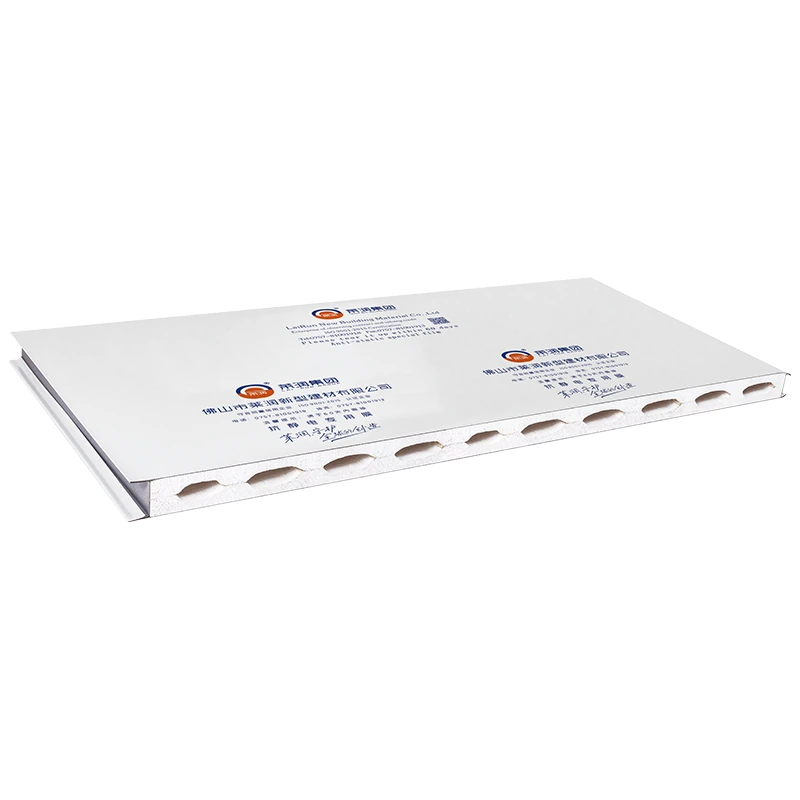
The Magnesium Oxysulfide Sandwich Panel is relevant where a cleanroom wall needs a magnesium oxysulfide core with controlled installation details. LAIRUN can support panel discussions around wall height, thickness, accessory openings, room class, joint treatment, and project packing when the drawing set is available early.
Two field pitfalls repeat across projects. Wet civil work can raise room humidity before panels are sealed, and later equipment installation can damage edges that already passed handover. Both risks need photo records and a clear responsibility point.
Magnesium oxysulfide panels should not be chosen by core name alone. If the room has aggressive chemicals, frequent washdown, or heavy impact traffic, coating type, accessory design, and wall protection should be confirmed with the same seriousness as the core material.
Cleanroom Wall Quality Is Decided at Openings
Flat panel faces are the easiest part to inspect. The harder quality check is around doors, pass boxes, observation windows, socket boxes, and pipe openings. These points concentrate cuts, trims, sealant, and cleaning contact, which is why they deserve a hold point before handover.
A good inspection photo set should capture each opening before and after trim installation. If later equipment hides the joint, the project still has evidence that the edge was protected. This is especially useful when multiple trades work in the same room.
Joint width should be measured consistently, not judged by eye alone. Irregular joints collect dust and make cleaning validation harder. A narrow but unsealed gap is worse than a slightly wider joint that is continuous, smooth, and cleanable.
Moisture Risk Starts Before the Room Is Operational
Panels can be exposed to moisture during transport, site storage, civil work, and cleaning before the room ever runs. Cartons should be stored off the floor, protected from rain, and opened only when installation conditions are ready.
Edge sealing should be compatible with the wall finish and the cleaning method. A sealant that discolors, shrinks, or collects dust can undermine the hygienic appearance even if the panel core remains sound.
The strongest handover package includes panel batch details, accessory list, sealed-penetration photos, surface defect notes, and repair procedure. That turns cleanroom walls from a visual finish into a documented envelope system.
Before Handover, Test the Interface That Will See Weather and Service
The approval record for Magnesium Oxysulfide Sandwich Panel should include the field measurements that control magnesium oxysulfide sandwich panel moisture control: joints, openings, supports, drainage, access, or safety settings. A finished surface is not enough if the interface behind it remains uncertain.
Inspect the installation after the surrounding work is complete. Paving, equipment, washdown, MEP penetrations, or later traffic can change the original condition. A second inspection catches damage and obstruction before the site is handed to daily operation.
Keep replacement details with the project file. Model, finish, accessory, sealant, wheel, track, panel, or trim information can save time when one small part needs service months later.
The Final Room Check Should Happen Under Working Light
The final inspection for Magnesium Oxysulfide Sandwich Panel should be done under the lighting condition planned for the room. Bright cleanroom light reveals dents, joint shadows, trim gaps, and surface waves that ordinary construction lighting can hide. That visual check strengthens magnesium oxysulfide sandwich panel moisture control because the room will be judged in use, not during installation.
Accessory coordination should be frozen before panel production whenever possible. Late openings for lamps, filters, sockets, or pass boxes can damage sealing logic and create inconsistent workmanship across the room.
Packing and storage deserve attention on long projects. Panels left near wet civil work or stacked in poor support conditions may arrive at the wall with edge damage before installation starts. The storage record should be part of site quality control.
A handover checklist should name which trade is responsible for later penetrations. Cleanroom panels can be damaged after acceptance by equipment installers, so responsibility should be clear before production areas become crowded.
Repeat orders should not rely on the first sample alone. Keep a retained reference for Magnesium Oxysulfide Sandwich Panel, record the accepted condition, and compare later batches against the same measurement or observation method. That habit keeps magnesium oxysulfide sandwich panel moisture control stable when raw materials, operators, accessories, or logistics conditions change.
If a later order needs a different size, surface, capacity, route, formula, material, or installation condition, treat it as a controlled variation instead of a casual repeat. A short variation note protects the original approval while giving the new requirement enough attention to avoid hidden mismatch.
FAQ
Why do cleanroom sandwich panels need edge sealing?
Cut edges and openings expose the panel system to moisture, dust, and cleaning chemicals. Proper sealing keeps the core protected and makes the wall easier to clean.
Where are magnesium oxysulfide sandwich panels commonly used?
They are used in cleanrooms, laboratories, healthcare spaces, electronics workshops, and other controlled environments where wall flatness, cleanliness, and moisture behavior matter.
What should be checked before cleanroom wall handover?
Check surface dents, joint consistency, trim fit, sealed penetrations, base details, door and window openings, and photo records before other equipment hides the wall condition.
Final Selection Notes
Moisture control is achieved at the edge, not only in the panel name. The cleanroom sandwich panel products helps compare panel systems, while project approval should focus on sealed openings, clean joints, documented handover, and compatibility with the room’s cleaning routine.
