



Rock Wool Sandwich Panel Fire Performance: Why Density, Joint Detail, and Facing Thickness Matter
Time : September 11, 2026 View : 256
Rock wool sandwich panel fire performance is a practical specification issue, not a decorative product label. The final choice depends on how the product behaves under repeated use, installation limits, cleaning or maintenance conditions, and the failure cost if the wrong version is selected. The safest route is to test the mechanism behind rock wool sandwich panel, compare the trade-offs, and place the purchase decision around measurable checks instead of broad claims.
Key Takeaways
- Rock Wool Sandwich Panel selection should be tied to the real use condition, the likely failure mode, and the acceptance test.
- Sample approval should record measurable behavior before and after storage, installation, cleaning, running, or repeated use.
- A clearer quotation starts with application photos, target specification, packaging limits, and the inspection method for bulk goods.
Panel Performance Comes from the Core, Facing, and Joint System
Rock wool sandwich panel fire performance depends on the way material structure, geometry, movement, and the use environment interact. In industrial work, many failures appear after repeated cycles rather than during the first visual inspection, so the product has to be judged under the same stress it will face after delivery.
That stress may come from temperature, moisture, load, speed, surface contact, cleaning chemistry, storage time, or operator handling. For product families connected with sandwich panel thickness, the same principle applies: the specification should describe the operating condition clearly enough that the sample test can be repeated before bulk approval.
Wall-System Checks That Matter More Than a Loose Sample
A sample should be approved only after the test method matches the real service condition. The table below keeps the comparison tied to observable evidence.
|
Check Point |
What to Measure or Confirm |
Common Failure If Ignored |
|
Material behavior |
Hardness, density, thickness, viscosity, or fiber structure |
Early wear, deformation, unstable texture, or weak output |
|
Operating condition |
Heat, moisture, load, speed, pressure, or cleaning chemistry |
Product passes a clean sample test but fails in routine use |
|
Fit and handling |
Size, access, installation route, packaging, or user movement |
Rework, poor presentation, or difficult maintenance |
|
Acceptance record |
Photos, measured result, sample label, and test date |
Disputes when bulk goods are compared against memory instead of data |
Where Rock Wool Sandwich Panel Fits a Cleanroom or Partition Specification
Where the application matches this operating profile, Rock Wool Sandwich Panel gives the project team a concrete reference for sample checking and quotation. LAIRUN can support product selection, customization details, packing confirmation, and final approval before shipment.
Panel Approval Should Include Joints, Openings, and Cleaning Exposure
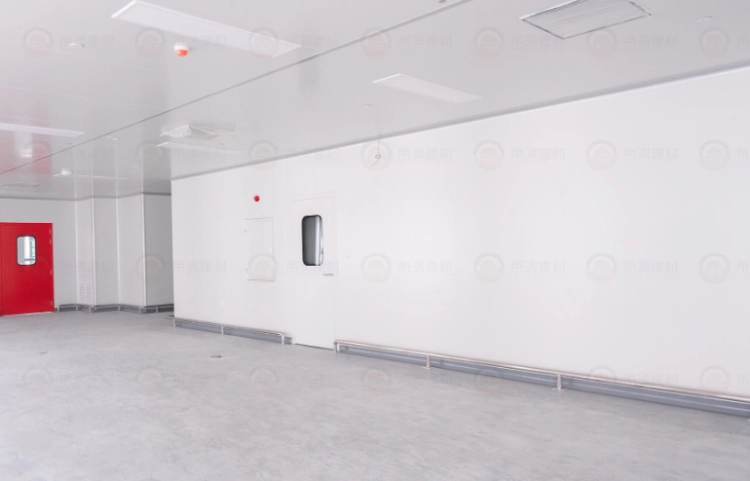
For rock wool sandwich panel, the wall panel face is only part of the result. Cleanroom projects also depend on joint tightness, corner treatment, door openings, ceiling connections, sealant compatibility, and whether the panel edge stays protected after cutting.
A sample wall mock-up is often more useful than a loose panel sample. It lets the team inspect flatness, joint alignment, screw or clip behavior, cleaning wipe marks, and how service penetrations are sealed.
The sandwich panel product range should be compared by room risk: fire behavior, humidity, impact, hygiene, ceiling load, and installation speed. A panel that is suitable for a corridor may be the wrong choice for a wet or high-risk cleanroom zone.
Core Material Works Only When the Whole Wall System Is Correct
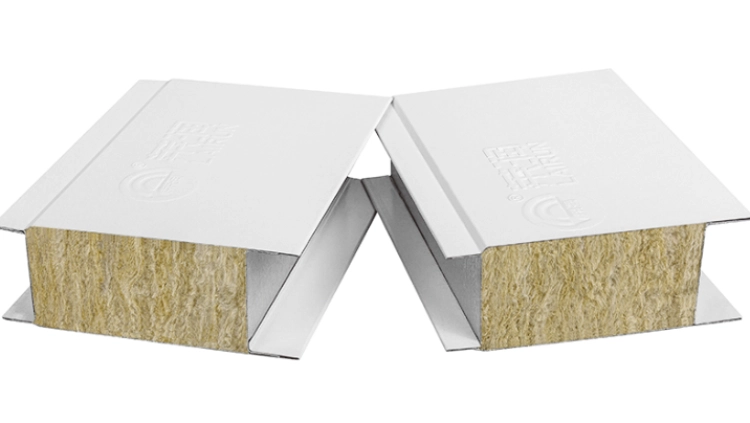
A sandwich panel core can provide fire resistance, stiffness, insulation, or moisture tolerance, but the room does not fail only through the center of a panel. Corners, joints, service openings, door frames, ceiling connections, and cut edges are where performance often weakens.
For cleanrooms and laboratories, the wall should be checked after cleaning exposure and after accessory installation. Sealant compatibility, corner profiles, and edge protection may decide whether the finished surface remains easy to clean.
Humidity Changes the Risk of Hidden Damage
Humid rooms can expose weaknesses that dry sample handling never shows. Moisture may enter unprotected edges, react with unsuitable core chemistry, weaken bonding, or create visual defects near joints.
A reliable approval process defines panel storage method, edge sealing, joint material, and cleaning chemical exposure. These items look small compared with fire or thickness ratings, yet they often decide whether the wall stays stable after handover.
Fire Behavior Is a System Result, Not Only a Core Result
Rock wool is selected because mineral fiber does not behave like an organic foam core under fire exposure. Even so, a wall or ceiling assembly is judged by more than core material. Steel facing thickness, adhesive behavior, joint geometry, fasteners, openings, and edge sealing all influence whether the finished envelope maintains integrity under heat.
Density should be discussed with the panel’s mechanical role. Higher density may improve firmness and handling resistance, but it can also add weight and affect installation labor. A cleanroom partition, warehouse wall, and equipment room ceiling may not need the same density or facing thickness.
For projects that require a documented fire rating, ask which test standard applies to the assembled panel system and whether accessories share the same fire strategy. A panel with strong core behavior can still lose performance through gaps around doors, corners, or service penetrations.
Joint Design Often Decides Maintenance After Installation
The joint line is where cleaning, moisture, air pressure, and impact meet. Poor joint alignment can create shadows, dust retention, or sealant failure. In rooms with hygiene requirements, a small ridge can become more visible than the panel surface itself.
Sample approval should include a joint mock-up with corner pieces, trims, and at least one service penetration. That mock-up reveals whether the wall can be cleaned, repaired, and inspected without damaging the finished surface.
A Panel Specification Should Name the Complete Assembly
The purchase document should name panel thickness, core density, facing thickness, coating, joint type, fastener method, trims, sealant, and any required fire test reference. Leaving accessories undefined invites site substitutions that may weaken the assembly.
For export projects, packing and storage should also be specified. Mineral core panels can be damaged by edge impact, surface abrasion, or water entering unprotected cuts before installation. A delivery plan that protects edges and labels panel batches reduces avoidable site waste.
Installation Tolerance Should Be Visible in the Handover
Panel walls should be checked for line straightness, joint width consistency, surface dents, and trim fit before the area is handed over to other trades. Later equipment installation can hide the source of damage, making responsibility difficult to trace.
A simple handover sheet with photos, panel batch information, and accepted joint details protects both installer and owner. It also creates a reference for future repair if a panel section must be replaced.
Installation Pitfalls That Weaken a Good Panel
Do not approve a sample only under clean-room style conditions. The routine environment should be part of the test: dust, humidity, hand pressure, load variation, washing, or repeated handling can change the result.
Do not let a single attractive specification hide the trade-off. Higher hardness may improve wear but raise surface risk; larger capacity may add weight; stronger adhesion may slow cleaning or replacement.
Ask for the exact product name, linked page, packaging method, and test condition in writing. A clear record prevents the bulk order from drifting away from the approved sample.
FAQ
What Is the Most Important Check Before Choosing Rock Wool Sandwich Panel?
The most important check is the condition that would cause failure in real use. That may be heat, pressure, wash exposure, weight, edge quality, texture stability, or installation space.
When Should You Avoid Rock Wool Sandwich Panel?
Avoid it when the working condition falls outside the tested range or when a different material, size, control method, or maintenance routine would reduce risk more effectively.
What Should Be Included in a Better Sample Request?
Include application photos, target size or specification, expected use frequency, cleaning or maintenance method, packaging needs, and the acceptance test that will decide approval.
