

Thermal R-Value vs. Structural Strength: Which One Should You Prioritize?
Time : May 28, 2026 View : 1279
Selecting proper construction items usually involves a pull between stopping warmth and supporting walls. In factory projects, especially for cleanrooms and cold storage, builders often compare thermal resistance (R-Value) with the panel’s physical toughness. For clients wanting a dependable supplier, LAIRUN serves as a leading company with more than 25 years of research and development experience. The firm operates from a large 38,000-square-meter site that produces 25,000 square meters each day. It offers expert shielding for fields from semiconductors to biopharmaceuticals. Clients can review their automated options in the Product Center to locate the ideal mix for particular job requirements.
Why Is the Balancing Act Between R-Value and Strength Crucial?
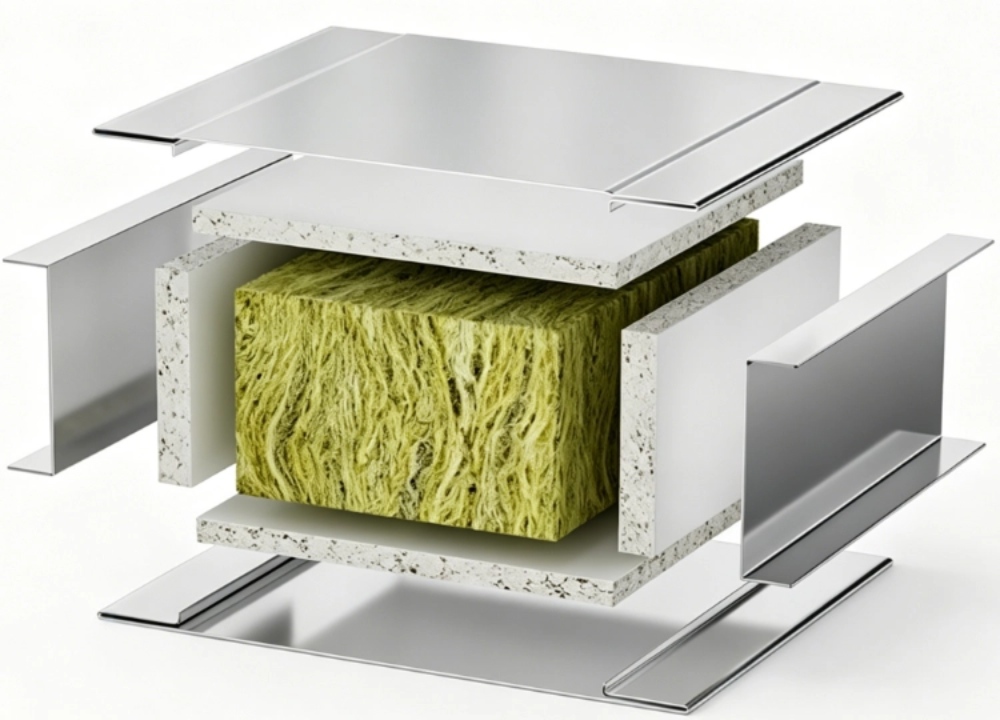
A sandwich panel performs only as well as its lowest feature. When builders stress insulation alone, the result may be a framework that gives way under wind force. In contrast, a very sturdy wall that allows heat to escape freely will cause energy costs to rise sharply. This equilibrium forms the core of advanced clean facilities where steady conditions cannot be overlooked.
Thermal Insulation Performance
R-Value indicates a material’s ability to block heat transfer. Cores with greater density, for example high-density strip-shaped rock wool, deliver improved heat-blocking results. They achieve this by positioning fibers at right angles to the metal surface. Such design proves essential for upholding precise temperature differences in pharmaceutical or food processing setups. Reliable performance supports consistent operations.
Mechanical Load Capacity
Strength involves more than mere mass. It focuses on withstanding strikes and vibrations. Panels require zinc-coated edge supports to increase weight-carrying ability. This prevents the metal sheets from bending as years pass. The resulting firmness stops ceilings from drooping and walls from curving beneath the load of substantial FFU units. Overall durability enhances safety.
Long-Term Building Integrity
Panels without sufficient strength will form openings eventually. A small fissure alone can ruin the cleanliness of a cleanroom. Handmade panels typically provide closer edges and stronger seals. Consequently, they resist dampness better and endure longer than standard machine-produced versions. This quality ensures sustained structure reliability.
Does High R-Value Always Mean Better Sandwich Panel Performance?
People often mistakenly believe the greatest R-Value guarantees success in every case. Energy savings represent a key objective. However, an excessively deep insulation section can hinder assembly or limit available inner area. Builders should examine the exact heat transfer rate (k-value) instead of relying solely on board depth. Proper assessment leads to better decisions.
Energy Efficiency Benchmarks
Current standards, particularly in areas such as Europe or Australia, require thorough energy reviews. Materials like magnesium oxysulfide core panels supply superior blocking while staying light and free from toxins. These choices help meet compliance goals effectively. Benefits extend to lower operational expenses.
Temperature Regulation Standards
Within sectors like semiconductor production, even a single-degree change can spoil an entire group of silicon wafers. Advanced panels function as heat barriers. Selecting appropriate core density, usually ranging from 60 to 120kg/m³, represents the typical method to achieve these aims. Consistent control maintains product quality.
Thermal Conductivity Science
Core components such as the Silica rock sandwich panel present a distinct benefit through A-grade fire protection combined with reliable heat characteristics. These substances avoid rapid breakdown or loss of blocking capability, unlike conventional foams under damp conditions. Therefore, they sustain performance over extended periods. Scientific properties support practical applications.
When Should Structural Strength Be Your Top Priority?
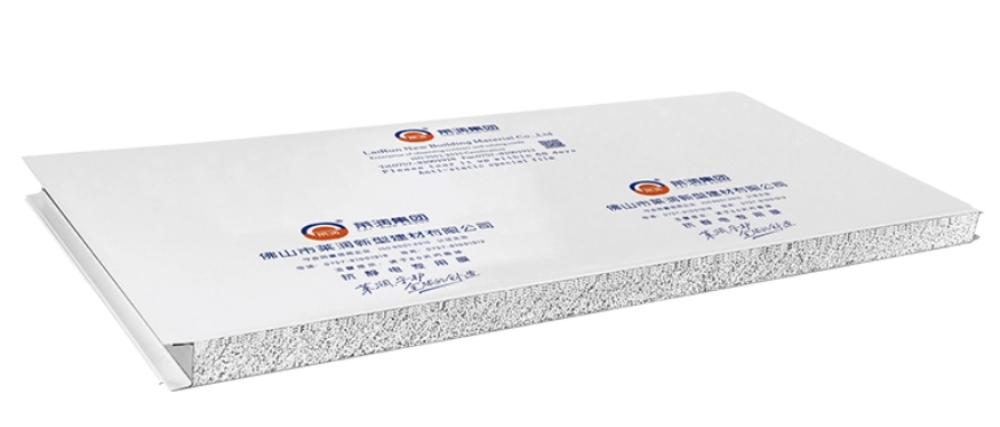
Certain conditions demand prioritizing physical resilience due to severe surroundings. Constructing in seaside zones with strong gusts or regions subject to earthquakes makes a delicate, highly insulating panel a potential hazard. In those situations, a robust panel becomes necessary to counter strikes and substantial weights. Focus on durability prevents failures.
Wind Load Resistance
Panels exposed to the outdoors or in expansive storage buildings encounter significant stress. Those featuring a 0.476 mm color-coated steel layer deliver essential surface toughness to withstand outside pressures and avoid rust across many years. This construction promotes long-term endurance. It suits demanding external environments.
Seismic Stability Features
In large-scale incidents, such as the 2008 recovery efforts, superior panels acted as vital interim medical centers. Such firmness arises from the meshing design of tongue-and-groove links or dedicated male-female fittings. These elements provide secure connections during disturbances. Reliability aids emergency responses.
Structural Load-Bearing Limits
Cleanroom ceilings frequently bear the weight of personnel accessing them for upkeep. Employing a MGO rock wool sandwich panel offers a sturdy, weight-supporting option that resists distortion from force. This selection ensures safe usability. It accommodates practical maintenance needs.
How Do Different Core Materials Solve the Prioritization Dilemma?
Numerous core varieties fill the market, including paper honeycomb and polyurethane. Yet only a few manage both thermal demands and mass effectively at the same time. Success depends on identifying a substance that delivers dense composition for resilience without losing the voids essential for blocking. Targeted selection resolves the trade-off.
Silica Rock Sandwich Panel for Precision Balance
This option appeals to users seeking an intermediate solution. It achieves Class A fire safety and maintains uniform density. As a result, it fits initiatives where heavy magnesium proves too burdensome, yet greater fire safeguarding exceeds basic EPS capabilities. Equilibrium supports versatile deployments.
MGO Rock Wool Sandwich Panel for Extreme Durability
Strength takes precedence in challenging scenarios, making this the preferred choice. The blend of magnesium oxide (MGO) and rock wool yields a strike-proof panel with strong fire-blocking qualities. It excels in tall divider walls that require upright stability absent additional inner supports. Versatility enhances large-scale uses.
Material Density Impact on Stability
An overly lightweight core risks contracting over time. Advanced mixtures, such as the Magnesium Sulfate Glass Magnesium panel, remove damp intake and contraction problems that troubled the sector for extended durations. Thus, the panel retains its dimensions from installation through to the structure’s retirement. Consistent form guarantees enduring stability.
Which Applications Demand Both High Insulation and Rigid Support?
Projects extend beyond basic storage facilities. Certain areas, as detailed in the Solution Center, necessitate an integrated strategy. Users avoid selecting between thermal comfort and security. Combined attributes address complex requirements.
Cold Storage Facilities
Preserving temperatures below freezing calls for substantial R-Value. However, the mass of refrigeration devices and forklift traffic necessitate robust mechanical firmness in floors and walls. Integrated design handles these dual pressures. Effective solutions optimize functionality.
Industrial Clean Rooms
Facilities in biopharmaceutical operations require germ-repelling and fungus-proof exteriors. MOS (magnesium oxysulfide) panels secure a particle-free setting. At the same time, they furnish the firm backing required for embedded medical tools and FFU overheads. This approach upholds sterile conditions.
img.Industrial Clean Room.webp
Modern Prefabricated Warehouses
Assembly pace often contributes to overall resilience indirectly. Tongue-and-groove patterns reduce labor expenses by as much as 50 percent. They connect simply using self-tapping fasteners. Such methods enable rapid erection of capable structures. Efficiency drives project success.
Why Is LAIRUN the Premier Choice for High-Performance Sandwich Panels?
Selecting a vendor involves aspects beyond mere acquisition. It encompasses the service and knowledge within the production facility. After almost 30 years of involvement, the staff recognizes common errors and methods to prevent them. Proven track record builds confidence.
Precision Manufacturing Standards
State-of-the-art automated assembly systems guarantee panel exactness. The sequence from sheet preparation to heat application streamlines delivery and surpasses the precision of conventional manual techniques. Uniform processes yield dependable results. Quality remains consistent across outputs.
Diverse Project Case Expertise
Examples include Shenzhen’s Third People’s Hospital and premium electronics sites. Insights from these Cases inform each subsequent panel creation. This background confirms capability for substantial international assignments. Experience informs reliable execution.
Comprehensive Technical Support Services
Assistance continues beyond shipment arrival. Round-the-clock technical guidance and a dedicated service framework deliver initial requirement evaluation plus expert post-purchase care. For inquiries on connector selection or edge management, the Contact Us section connects directly to personnel familiar with on-site challenges. Ongoing help fosters successful implementations.
FAQ
Q1: Can I customize the thickness and color of my panels?
A: Yes, standard thicknesses include 50mm, 75mm, and 100mm. Customization accommodates unique project specifications. Options extend to any shade from the global palette, such as white gray, sea blue, and stainless steel matte.
Q2: Are these panels suitable for high-humidity environments?
A: Panels like the MGO rock wool or rock wool types function well in moisture ranges of 20% to 65%. Still, they suit environments above 30% humidity generally. Avoidance of lower levels preserves integrity.
Q3: What is the difference between machine-made and handmade panels?
A: Machine-made panels enable quicker production and lower costs for extensive surfaces. Handmade versions cost more yet deliver closer joints, enhanced sealing, and greater accuracy. They represent the superior option for demanding clean environments.
Q4: Do the rock wool panels provide good sound insulation?
A: Yes. Rock wool sandwich panels notably lessen noise passage thanks to their dense fibers. This makes them suitable for active industrial settings.
Q5: How fast can a project be delivered?
A: The facility achieves over 25,000 square meters daily via eight automated lines. This setup supports efficient and punctual fulfillment, including large quantities.
