



What Are the Fatal Mistakes in Cleanroom Sandwich Panel Setup?
Time : May 14, 2026 View : 1377
Setting up a strong cleanroom calls for a big financial commitment, and exact work counts as the main factor. A small space in a dividing wall or a minor shift in the ceiling can bring about dirt leaks, lost ISO approvals, and very high fix bills. Good outcomes begin with teaming up with a maker who grasps the tough side of the sector. LAIRUN appears as a key company with more than 25 years of research and development skill. They base their work in a 38,000-square-meter site, and they operate eight lines with high levels of automation that produce 25,000 square meters of panels each day. If your work involves biopharmaceuticals or semiconductor manufacturing, their product center offers focused, health-level fixes that people trust in over 30 nations. A group of 30 sector experts makes certain that each panel follows strict global rules, which positions them as a dependable option for your upcoming important task.
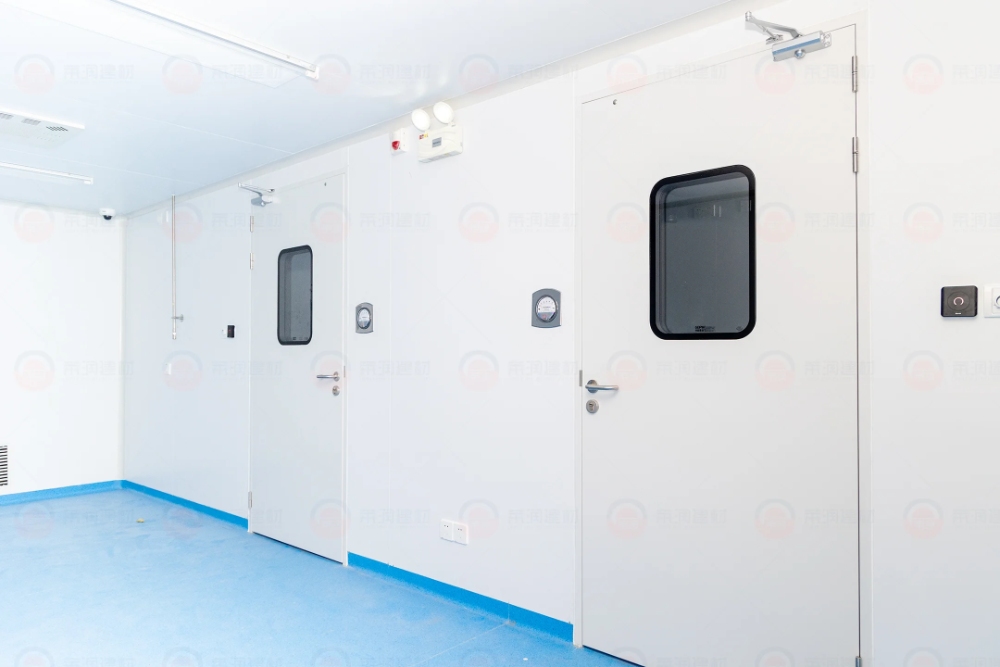
Why Does Improper Material Selection Ruin Your Cleanroom Performance?
Selecting the incorrect core material resembles putting up a home on loose soil. Many site leads put initial expenses ahead of the real setting needs for the space. When the core material misses the needed fire level or build thickness, the full area faces chances of frame bending or safety check losses in the first year of use.
Poor Fire Resistance Ratings
Picking panels that miss Class A fireproof levels stands as a major mistake in risky areas. Good panels remain non-burning to shield costly tools and secure staff well-being in urgent cases. Thus, this quality forms a core part of protection plans.
Substandard Core Material Density
Thin cores frequently cause low hit strength and poor weight hold. You require a thick core that holds the frame firm and stops the panels from bending under the load from roof-fixed HVAC systems. Therefore, this selection aids reliable daily function.
Incompatibility With Sterilization Chemicals
Biopharma labs deal with strong cleaning fluids every day. Choosing a panel face that fails to stand up to acid or base damage will result in face dents and germ spread over time. Consequently, such choices raise ongoing cleanliness threats.
How Do Common Handling Errors Impact Long-Term Durability?
The finest panels might suffer harm before installation begins. Errors in handling at the build site often add hidden wear that weakens the sealed quality of the end structure. The effort extends beyond shifting items; it centers on preserving the exact build of the edges.
Improper Unloading Techniques
Side bending commonly arises from coarse unloading. If tongue-and-groove links bend, seals will stay loose regardless of the filler amount applied. As a result, this problem leads to ongoing air issues.
Neglected Protective Film Management
Keeping the guard layer in place too long, above all in sunlight, can result in a gummy leftover that draws dust and germs. In contrast, pulling it off too soon leaves the face open to marks from other build tasks. Both methods thus harm the surface integrity.
Incorrect On-Site Storage Conditions
Placing panels in damp spots without suitable covers allows certain cores to take up water. This situation brings about problems such as moisture uptake or shrinking, which in turn bend the wall face. Hence, these effects cut down the useful life span.
What Are the Hidden Risks in Joint and Sealing Construction?
Links serve as the most fragile part in every cleanroom. The majority of air escape problems take place at the join spots among panels. When the fitting crew speeds through this phase, the space’s HVAC setup runs extra to make up for air drop, and this causes large-scale energy loss.
Uneven Tongue and Groove Alignment
A space as narrow as several millimeters can upset the air steady state in a cleanroom. A Silica rock sandwich panel reduces these dangers, for exact production makes the links fit closely and create a smooth end. Moreover, this design supports even air control.
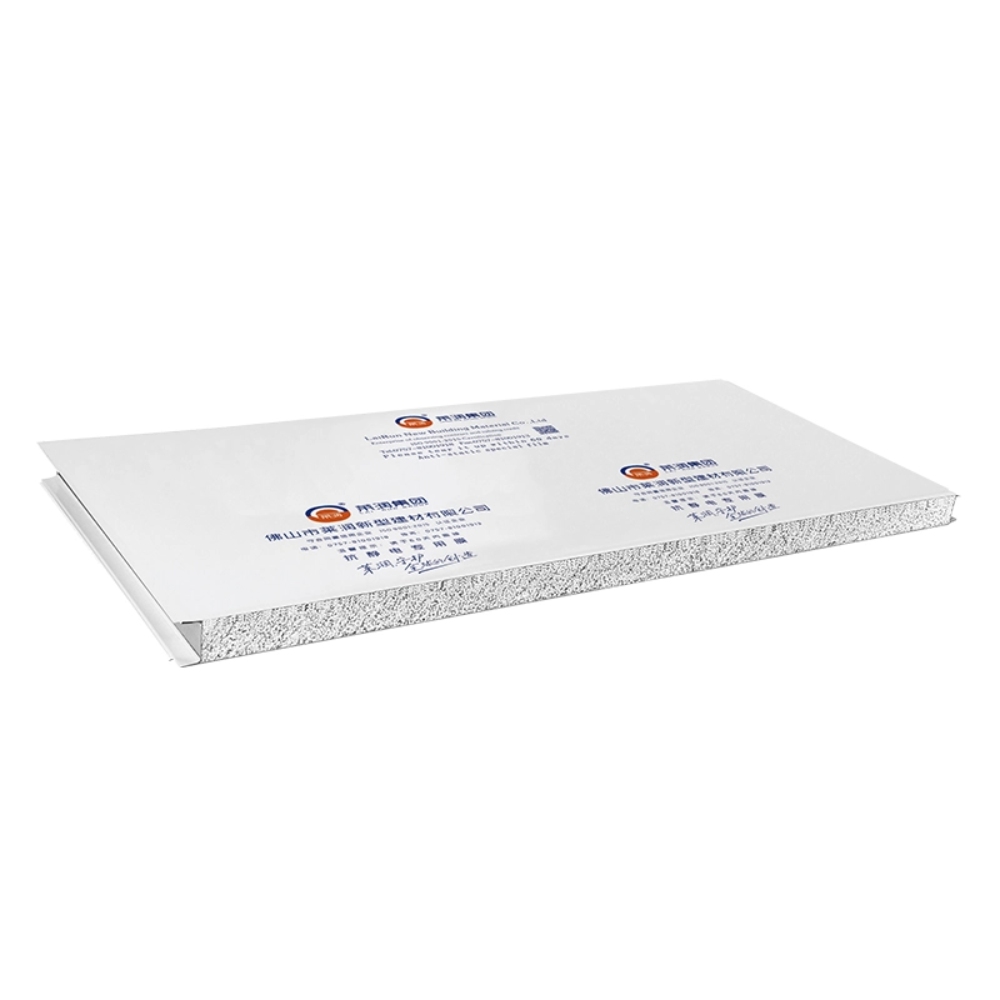
Inadequate Silicone Sealant Application
Putting filler on involves more than covering openings; it aims to form a germ-resistant wall. Overlooking the thorough clean before silicone use means the connection will weaken in time, and it will form secret areas for dust to collect. Accordingly, this oversight endangers the sterile setup.
Thermal Bridge Formation
Cold hold areas or heat-sensitive labs suffer from weak link setups that build heat paths. These paths lead to water buildup on the panel face, which proves deadly for sterile spaces. In addition, this issue disrupts temperature management.
Can Wrong Panel Choices for Specific Projects Be Considered Fatal?
Sandwich panels differ in design and function. A type that fits a food plant could fail badly in an electronics site. Workers must align the core’s traits, including water resistance or charge release, with the room’s inner operations.
Silica Rock Sandwich Panels for High Fire Safety Zones
Tasks that demand top flame guard benefit from these panels as a leading pick. They provide solid fire hold and firmness, so walls stay solid even in severe heat pressure. Furthermore, this strength meets safety demands fully.
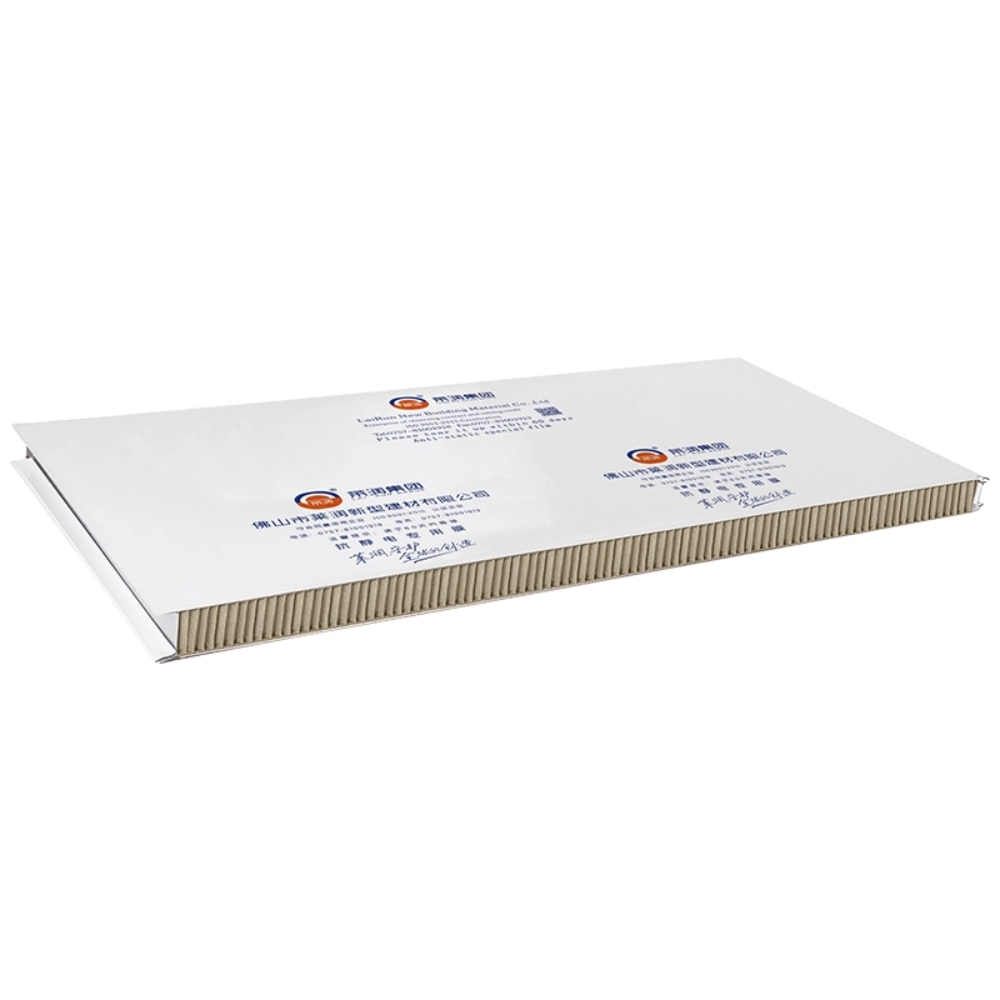
Thick Paper Honeycomb Panels for Maximum Rigidity
Roof systems requiring light build but high strength rely on a Thick paper honeycomb sandwich panel as the standard choice. Its form avoids drooping across broad areas, and it stays simple to manage in overhead work. Thus, this option eases large-scale fitting.
Customized Solutions for Complex Layouts
Common sizes fail to suit every case. Factory-tailored panel sizes and pre-set paths for cables prevent rough site cuts, which act as a chief cause of dirt spread in building. Therefore, this practice maintains a clean process.
How Can Real-World Cases Help You Avoid Costly Installation Pitfalls?
Examining prior wins and slips provides the finest method to prepare a fitting group. Efforts in semiconductor or pharmaceutical fields usually demand stricter limits than standard business structures.
Learning From Pharmaceutical Lab Failures
A number of labs stumble because they overlooked the no moisture absorption guideline. Panels that twist from damp shifts form roof openings, and these let dirty air skip past HEPA filters. As such, these flaws lead to purity losses.
Successful Integration of Global Projects
Adopting guidelines from premium tasks, such as electronics work in Southeast Asia, indicates that automated lines deliver the even quality for broad success. This method thus ensures steady results across scales.
Maintenance Tips for Extended Service Life
Frequent seal checks and the use of gentle tools for panel cleaning will lengthen the cleanroom’s duration by several years. Swapping a filler line proves far less expensive than a full set of broken panels. In this way, routine care reduces total costs.
Why Is Lairun Your Trusted Partner for Cleanroom Sandwich Panels?
Picking a provider that manages the whole making sequence, from core materials to complete panels, cuts out quality risks from intermediaries. Their output reaches beyond 25,000 square meters per day, so smooth operation stands assured.
Superior Manufacturing Technology and Precision
Automated production lines guarantee that each panel shares the same size. This exactness speeds up fitting by double compared to usual ways, and it saves as much as 50 percent in work expenses. Hence, projects advance more quickly.
Comprehensive One-Stop Solution Services
Early need review through to skilled post-sale support makes a full-service partner essential for tough worldwide tasks. Such help streamlines the entire effort. It leads to better project ends.
Proven Track Record in Global Export Markets
Exports to more than 30 countries, such as the US, Europe, and Australia, confirm that this name satisfies the strictest global rules. Their knowledge can direct your task toward a smooth, faultless finish. Overall, this background fosters confidence in outcomes.
FAQ
Q1: Why are handmade panels often preferred over machine-made panels for cleanrooms?
A: Handmade panels generally offer tighter seams and better sealing, making them more suitable for high-standard clean spaces that require superior moisture resistance and a longer lifespan.
Q2: How much time can tongue-and-groove panels save during installation?
A: The unique tongue-and-groove design can make installation up to 50% faster than traditional methods, significantly lowering your overall labor costs.
Q3: Are these sandwich panels fireproof?
A: Yes, many options like rock wool and silica rock cores are Class A fireproof, meaning they are non-combustible and provide an extra layer of safety for your facility.
Q4: Can I customize the dimensions and colors of the panels?
A: Absolutely. Panels can be customized in terms of length, width, thickness (commonly 50mm, 75mm, or 100mm), and color to match specific project requirements.
Q5: Which industries commonly use these cleanroom panels?
A: They are widely used in semiconductors, biopharmaceuticals, food production, hospitals, and electronic technology labs.
