

What Is the Most Advanced Material for Future Cleanroom Sandwich Panels?
Time : May 07, 2026 View : 1476
Worldwide needs for precise controlled spaces are changing quickly. If you oversee a chip plant in Southeast Asia or a drug testing site in Europe, selecting wall and ceiling components shapes your ongoing running expenses and protection levels. Current builds seek more than basic walls; they demand components that combat germs, withstand flames for extended periods, and set up with standard workforce. LAIRUN sets a clear example in this developing field. Their 38,000-square-meter plant and more than 25 years of skill provide cutting-edge cleanroom sandwich panel options that match top worldwide benchmarks. From producing 25,000 square meters each day to unique patents for smooth links, the group guarantees every task receives thorough quality checks and expert safeguards.
Why Is Material Innovation Critical for the Future of Cleanroom Environments?
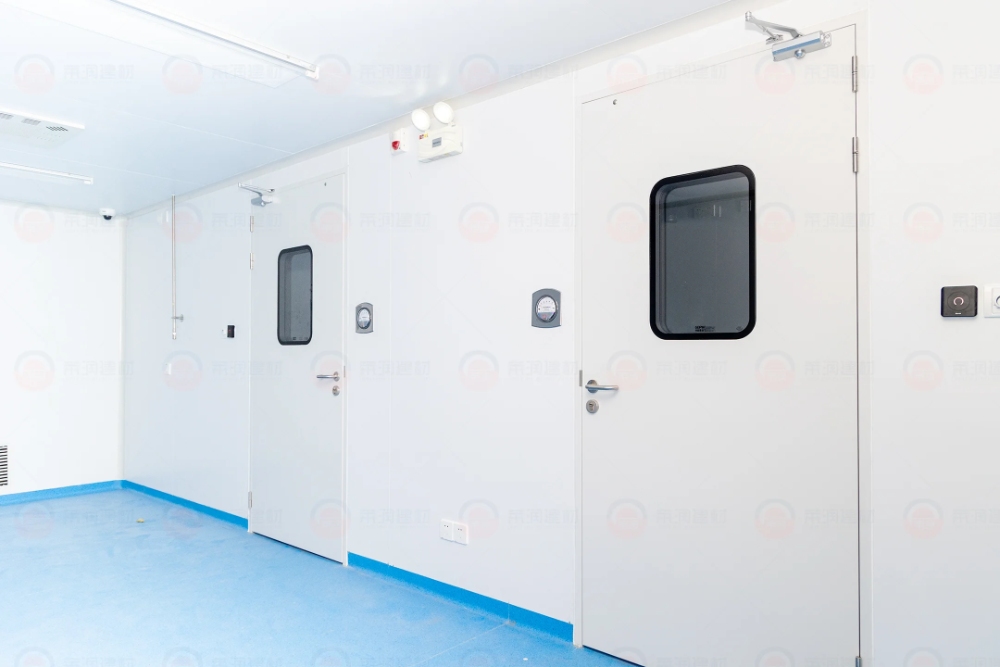
Fixed guidelines belong to earlier times. Plant sites now encounter tougher flame rules and stronger calls for power savings. When a cleanroom breaks down, it often happens because the panels took in water, permitted air escapes, or failed against the daily chemical cleaners. Better components fix these basic flaws right from the beginning.
Rising Standards in Global Contamination Control
Worldwide sectors such as biopharma and chip making now require surfaces that stay clean and actively fight microbes. Buildup of particles at connections poses a key hazard, so current panel layouts tackle this with firmer edges and improved seals. These features help maintain strict purity levels across operations.
Demand for Sustainable and High-Performance Building Envelopes
Power expenses for air systems in cleanrooms run very high. Forward-looking components must deliver strong heat blocking to hold steady temperatures, all while staying kind to the planet. Opting for eco choices backed by expert groups keeps your site in line with global green oversight plans. This approach supports long-term viability.
Which Core Materials Are Leading the Shift Toward Advanced Cleanrooms?
Picking a core component involves more than cost. It means aligning the panel’s basic traits with your sector’s particular dangers. A food site differs from a chip factory in requirements, and the field has answered with various strong choices.
Magnesium Oxysulfide Sandwich Panel for Superior Fire Resistance
The Magnesium oxysulfide sandwich panel marks a big step forward for the sector. This substance is harmless, without smells, and lacks any formaldehyde at all. It addresses the typical “halogen return” or water uptake problems seen in past magnesium chloride panels. As a result, it offers reliable performance in demanding setups.
Silica Rock Sandwich Panel for Enhanced Structural Thermal Insulation
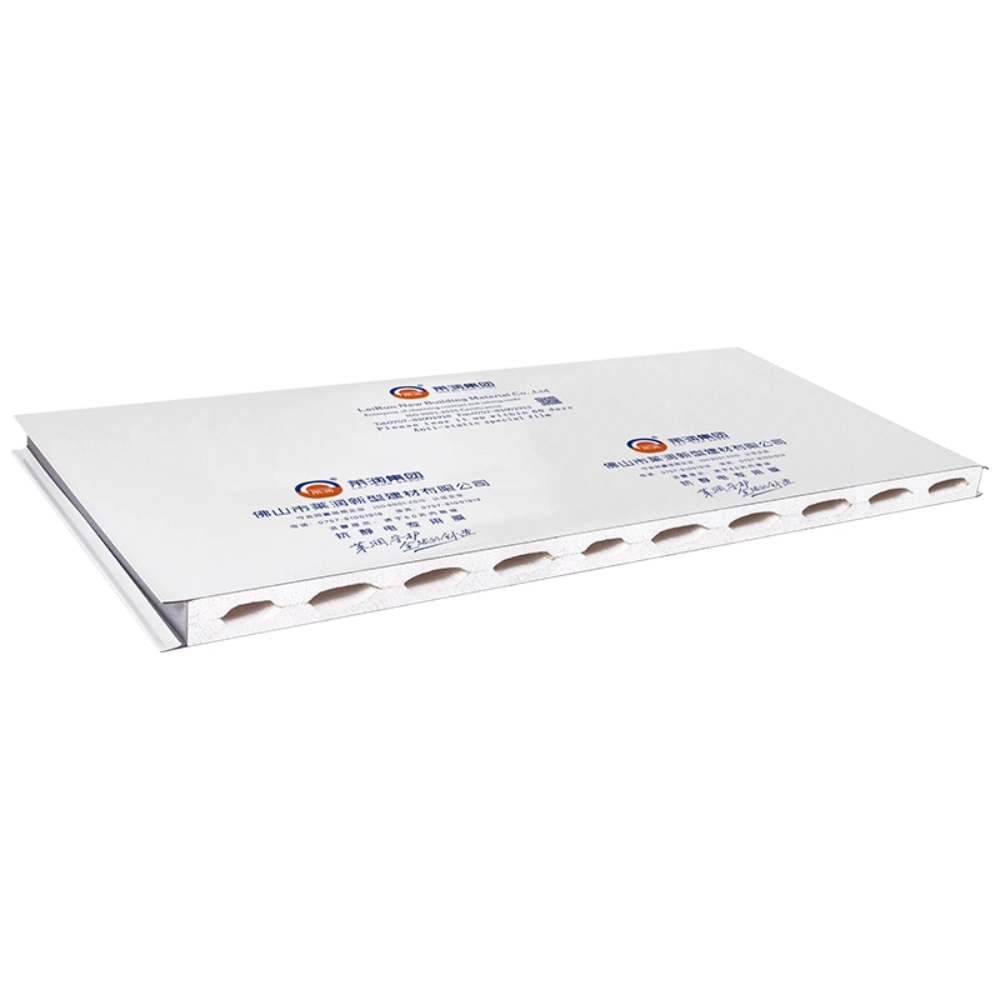
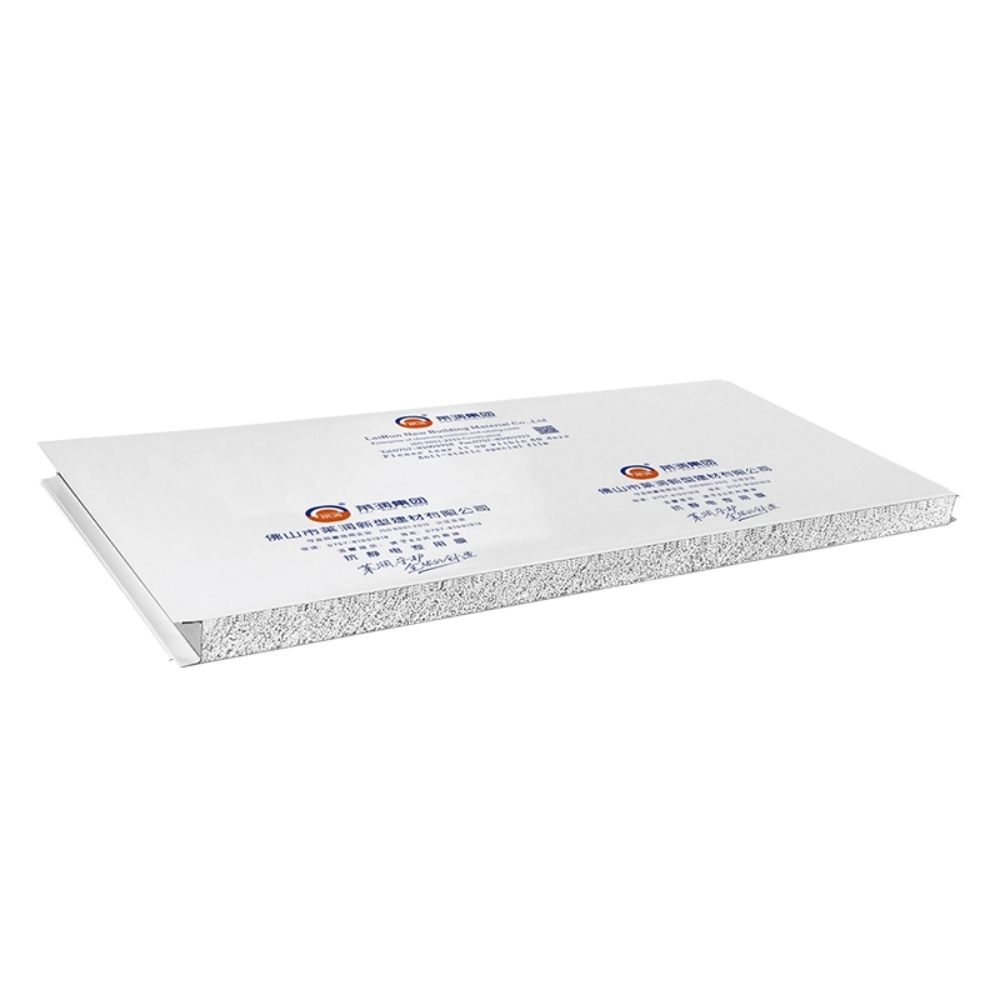
The Silica rock sandwich panel emerges as a leading pick for tasks requiring Class A flame guard along with solid stiffness. Its build supports high weight loads, so it works well for roofs and dividers in big industrial areas. This makes it versatile for various cleanroom needs.
Aluminum Honeycomb Core for Ultra-Lightweight Precision Applications
In areas like electronics and aircraft, mass and charge management matter greatly. Aluminum honeycomb cores supply a sturdy, light option that resists water and dampness naturally, without giving off dangerous vapors. Therefore, it suits exacting precision work effectively.
How Does Magnesium Oxysulfide Redefine Safety and Durability Standards?
If panels that bend or rust over years frustrate you, magnesium oxysulfide provides the solution. It uses a protected recipe to form a “three nos and four nos” flame barrier. This goes beyond promotion; it forms a real foundation for sites that avoid shutdowns.
Non-Combustible Performance in High-Risk Industrial Settings
This core holds an A1-level flameproof rating. During a blaze, it avoids emitting harmful fumes, which gives vital protection to valuable lab sites and medical centers. Such traits enhance overall site safety significantly.
Exceptional Moisture Resistance and Dimensional Stability
Traditional substances may expand in damp air, but this formula resists water uptake fully. It remains level and firm even amid shifts between dry and moist periods, and it functions best in air moisture from 20% to 65%. This stability ensures consistent use over time.
Eco-Friendly Composition for Sustainable Modular Construction
This green build substance includes base-resistant glass fibers and natural plant strands for added strength. It enables quick setup in sectioned cleanrooms, free from the planet harm of carbon-heavy picks. Thus, it fits modern sustainable practices well.
Why Is the Silica Rock Sandwich Panel Becoming the Industry Gold Standard?
Silica rock serves as the steady backbone in cleanroom builds. It balances flame protection, noise blocking, and affordability, which proves tough to match in major tasks. Covering vast areas demands strong efficiency.
Advanced Thermal Retention and Energy Efficiency
The dense core in silica rock panels traps cool air inside and blocks warmth outside. This eases the strain on your chillers, a key gain for profits in food handling or health storage. Savings add up over years.
Superior Sound Insulation for Quiet Manufacturing Zones
Plant sites produce much noise, yet cleanrooms should remain calm. These panels cut sound levels well, fostering improved conditions for workers in chip or medical gear assembly. Comfort boosts productivity accordingly.
High Compressive Strength for Long-Term Structural Integrity
No one wants a divider that marks easily from gear contact. Silica rock panels endure well, with strong hit resistance and capacity to bear loads in roof setups. Durability holds through extended service.
What Are the Emerging Technical Trends in Cleanroom Panel Integration?
Setup pace and accuracy drive current advances. The sector shifts from rough site trimming to smart, machine-based making. Panels from precise lines fit more accurately, without question.
Seamless Joint Technology for Zero-Dust Accumulation
Hand-finished panels tend to cost extra due to closer edges and superior seals. Blending machine accuracy with manual touches yields smooth joins that block particle collection in key areas. This method upholds purity standards reliably.
Antimicrobial Surface Coatings and Chemical Resistance
Current panels include targeted layers that stand against acids, bases, and germs. These finishes resist static buildup and scratches, essential for chip work where one dust bit or charge flash spells trouble. Protection remains thorough in such settings.
Modular Design for Rapid Deployment and Future Flexibility
Tongue-and-groove setups can cut workforce expenses by up to 50%. Panels connect simply and secure with self-drilling fasteners, speeding installation by half over old ways. Adaptability aids future changes too.
Why Is LAIRUN the Preferred Partner for Advanced Cleanroom Solutions?
With daily output exceeding 25,000 square meters, LAIRUN focuses on quick and large-scale delivery. They act as a direct maker, combining base material creation with final goods.
Decades of Technical Expertise and Integrated Manufacturing
The founder’s group carries over 25 years of development know-how. They run eight automated lines, including uncommon hand-automated ones in South China that boost supply flow and output quality. This setup ensures consistent results.
Proven Track Record With Global Industrial Project Cases
From supplying for urgent hospital rebuilds to aiding chip efforts in Dongguan, their components prove in actual tough spots. Goods ship to more than 30 nations, covering the US, Australia, and Europe. Reliability spans borders effectively.
Comprehensive One-Stop Service From Design to Logistics
They offer a complete “SVB” framework—research, combined making, and support services. This covers help from initial need review through to skilled post-sale care. Coverage spans the full process seamlessly.
FAQ
Q1: What is the main difference between handmade and machine-made panels? A: Handmade panels generally offer tighter seams, better sealing, and higher fireproof grades, making them better for premium clean spaces, though they cost slightly more than machine-made options.
Q2: Can these panels be customized for specific project sizes?
A: Yes, LAIRUN offers customization for length, width, thickness, and even the color of the steel plate to reduce material loss on-site.
Q3: Why is magnesium oxysulfide better than magnesium chloride for cleanrooms?
A: Magnesium oxysulfide doesn’t release chloride ions, which solves the common industry problems of “moisture absorption,” shrinkage, and the corrosion of steel plates.
Q4: Are the panels suitable for high-humidity environments?
A: Rock wool panels are suitable for both high and low humidity, but certain magnesium-based panels are best used in environments where humidity stays above 30% or within the 20%-65% range.
Q5: How do tongue-and-groove joints save on labor costs?
A: The unique design allows panels to snap together easily, which can double the installation speed and save about 50% in labor costs compared to traditional connection methods.
