


What Is the Secret to Balancing Cleanroom Panel Quality and Your Total Project Budget?
Time : April 16, 2026 View : 1671
Launching a cleanroom initiative resembles navigating a narrow path. On one end, strict ISO guidelines and safety inspectors demand close attention. On the other end, the accounting team tracks each dollar spent. Technical specifications can overwhelm easily, yet the true key to managing expenses involves more than selecting the lowest cost per unit area. It centers on partnering with an experienced provider. LAIRUN fits this role perfectly. The company has operated for 25 years, managing a vast 38,000-square-meter plant with eight automated production lines that generate 25,000 square meters of quality panels each day. From assisting earthquake recovery efforts in 2008 to aiding top-tier hospitals, their case center demonstrates reliability under stress. For exploring particular options, their product center serves as an excellent starting point, featuring items from fire-resistant interiors to light ceiling solutions suited for international research needs.
Why Is Material Selection the Biggest Variable in Cleanroom Costs?
Examining a proposal reveals that the final figure represents only part of the picture. The inner material selected determines expenses related to fire coverage, climate control, and eventual fixes. A budget option that bends after half a year of intensive cleaning creates problems rather than savings; it becomes a risk. Managers must evaluate how these substances perform consistently in controlled, pressurized spaces.
Initial Procurement vs Long-Term Maintenance
Opting for lower-grade panels may reduce costs by 15% initially, but subsequent replacements prove extremely expensive since operations must pause. Quality exterior treatments endure the strong agents applied in routine disinfection, thus preserving the site’s appearance for extended periods. This approach minimizes ongoing upkeep demands over time.
Impact of Core Materials on Certification
Inspectors verify seal integrity and fire performance. Should panels fail to achieve necessary Class A fire levels or release contaminants, certification lapses occur, incurring far greater losses than any upfront material variance. Consequently, selecting appropriate cores safeguards compliance and avoids such setbacks.
Balance Between Durability and Upfront Investment
Robust panels feature greater thickness and resist impacts effectively. In busy zones with frequent equipment movement, such surfaces prevent small fractures that allow microbial buildup. Therefore, investing in these options supports long-term reliability without excessive initial outlay.
Is Rock Wool Sandwich Panel the Best Value for Fire Safety?
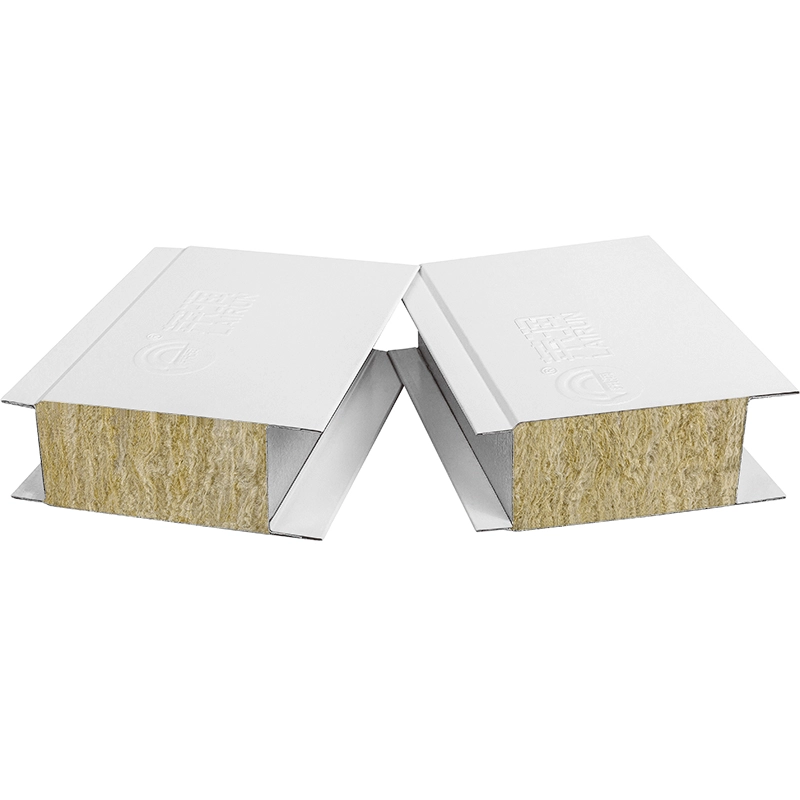
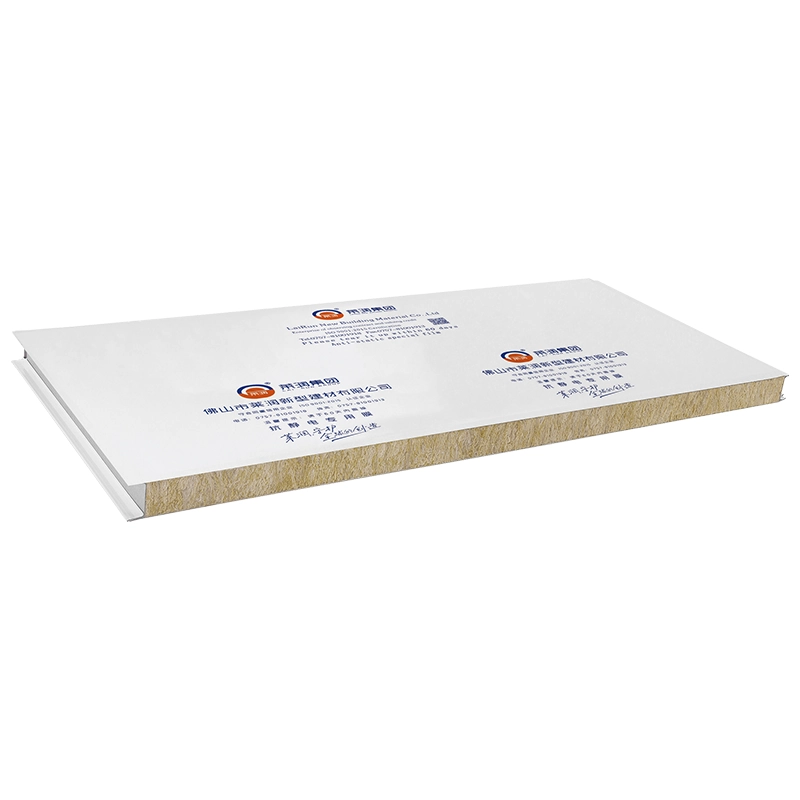
Facilities handling chemicals or elevated-temperature operations require unwavering fire protection. The Rock wool sandwich panel emerges as a preferred selection since it delivers superior safeguarding without substantial added expense. It incorporates natural basalt, processed by melting at intense heats and forming into strands. Although slightly denser than foam alternatives, the assurance it offers during evaluations justifies the modest increase in mass.
Class A Fireproof Performance of LAIRUN Rock Wool
This substance resists ignition by nature. Moreover, it avoids emitting harmful fumes during incidents, fulfilling essential criteria for medical and technology environments where worker protection takes precedence. Such attributes ensure safer operational conditions overall.
High-Density Basalt Fiber for Structural Stability
In contrast to inferior wool that deforms gradually, dense basalt strands position vertically against the metal exterior. This alignment provides exceptional load-bearing capacity and maintains wall alignment precisely. As a result, the structure remains dependable under various stresses.
Sound Insulation Benefits for Industrial Efficiency
Controlled areas generate considerable noise from continuous ventilation systems. Rock wool effectively dampens these sounds, fostering a more comfortable workspace for staff without additional soundproofing measures. This improvement enhances productivity in demanding settings.
Can Thick Paper Honeycomb Panels Optimize Your Tight Budget?
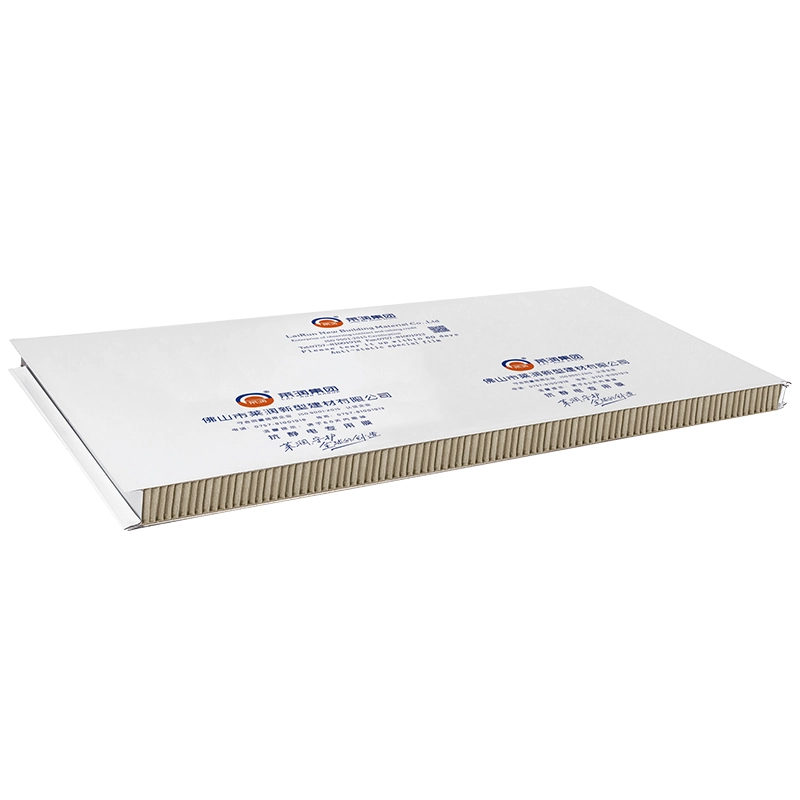
In expansive electronics production or food handling zones where fire needs remain moderate but surface evenness proves essential, consider a Thick paper honeycomb sandwich panel. It functions as the mass reducer in cleanroom applications. Due to its low density, it suits overhead installations ideally. No extensive metal framework supports it, thereby lowering total building expenditures significantly.
Cost-Effective Lightweight Structure of Paper Honeycomb
The six-sided cell design yields strong support with minimal substance usage. Consequently, panels prove simple to maneuver during assembly, decreasing the workforce required for the task. This efficiency translates directly to reduced labor costs on location.
High Flatness for Large Scale Ceiling Applications
Paper honeycomb maintains exceptional levelness. Across broad overhead surfaces, it avoids the irritating undulations or ripples common in denser alternatives. Thus, it ensures a professional finish in extensive installations.
Eco-Friendly Materials for Sustainable Construction
Projects aiming for environmental compliance benefit from this choice. Constructed from reused fibers, it facilitates simpler disposal or reuse at the conclusion of its service period. Such qualities align with modern sustainability goals effectively.
How Do Installation Methods Influence Your Total Project Spend?
Many supervisors overlook that workforce expenses frequently match material outlays. Difficult assembly leads to extended hours and errors. The connection style—ranging from basic interlocking to intricate hand-fitted seams—alters outcomes considerably. Accuracy counts greatly. Even minor misalignments, such as a few millimeters, can undermine the enclosure’s pressure seal.
Labor Savings via Tongue and Groove Systems
Advanced production equipment creates panels with precise borders. They join swiftly, potentially shortening setup duration by about 40%. This process resembles assembling large components instead of struggling with unprocessed elements. Overall, it streamlines the entire construction phase.
Reduction of On-Site Waste and Cutting
Factory-preferred dimensions eliminate excess scraps. Thus, no payments go toward materials discarded in waste bins. This precision contributes to cleaner sites and lower disposal fees.
Faster Project Turnover for Earlier Production
Each day of ongoing construction delays revenue generation. Efficient connection methods enable operations to commence several weeks sooner than planned. In essence, this acceleration represents the most effective budget management tactic.
Which Panel Configuration Fits Your Specific Industry Needs?
Not all spaces demand premium selections. Advanced drug facilities require distinct features compared to humidity-controlled battery areas. Similar to vehicle purchases, a rugged model suits off-road use, but urban driving calls for something simpler. Panels must align their exterior gauge and inner composition with sector-specific hazards.
Heavy-Duty Solutions for Pharmaceutical Environments
These settings necessitate MGO or rock wool interiors paired with substantial metal exteriors (typically 0.5mm or thicker) to endure repeated rinsing and sustain precise air pressures. Such configurations provide the resilience needed for rigorous protocols. They help maintain the controlled conditions essential for operations.
Cost-Efficient Options for Electronic Assembly Lines
In vast areas focused on particle management, light metal or paper honeycomb options deliver required purity levels without the premium of fire-oriented substances. This selection keeps expenses in check while meeting cleanliness goals. It supports scalable production without unnecessary costs.
Hybrid Approaches for Multi-Functional Facilities
Prudent planners apply rock wool to primary barriers and lighter honeycomb to secondary dividers or overheads. This combined method elevates standards in vital zones. At the same time, it controls spending across the project.
Why Does LAIRUN Offer the Ultimate ROI for Your Cleanroom?
Ultimately, a dependable vendor remains involved beyond delivery. Attention to aspects like protective packaging against transport damage highlights commitment. Through comprehensive technical support, assistance covers planning and diagrams prior to production. The focus lies on a solution customized to your location, rather than mere shipments of components.
Twenty-Five Years of Manufacturing Expertise
Enduring industry shifts for decades stems from a quality emphasis. This history builds profound insight into composition reliability and physical attributes. It positions the company as a stable ally for complex needs.
Eight Automated Lines for Consistent Quality
While manual methods suit small tasks, major undertakings benefit from machine uniformity. All units match exactly, easing final integration. This reliability prevents variations that could complicate assembly.
Comprehensive Global Service and Technical Support
From North America to Southeast Asia, expert guidance on setup procedures averts costly errors during implementation. Such availability ensures smooth execution regardless of location. It fosters confidence in project outcomes.
FAQ
Q1: Is rock wool or honeycomb better for a cleanroom ceiling?
A: The choice hinges on coverage area. For extensive spans concerned with mass, paper honeycomb excels due to its lightness and even surface. However, fire safeguards favor rock wool as the optimal selection.
Q2: How much can I save by using automated machine-made panels?
A: Automated production typically lowers costs by 20-30% over manual versions and ensures dimensional accuracy, which further cuts assembly workforce expenses. This consistency streamlines the entire process effectively.
Q3: Do these panels come with a warranty for surface coating?
A: Indeed, premium exteriors such as PE or PVDF finishes endure 10 to 20 years against flaking, varying by site conditions and sanitizing agents. This protection maintains appearance and function long-term.
Q4: Can I mix different core materials in one project?
A: Yes, combining rock wool in fire-sensitive sections with honeycomb in lesser areas represents a standard tactic for budget control. It optimizes protection where required while managing overall expenditures.
Q5: What is the standard thickness for a cleanroom wall?
A: 50mm serves as the typical gauge, though 75mm and 100mm variants address enhanced thermal barriers or taller barriers. These options adapt to diverse structural requirements seamlessly.
