



Which Sandwich Panel Material Actually Survives a High-Pressure Washdown?
Time : May 21, 2026 View : 1399
High-pressure washing forms a regular task in various clean facilities. Yet, it also ranks as the fastest method to ruin a basic cleanroom wall. When water strikes a face at 1,500 PSI or more, it does not only wash. Rather, it tests each flaw, each weak join, and each tiny space in the panel. If your items lack the strength for the job, you could end up with water stuck in the walls. This leads to mold problems that halt a whole output line. Selecting the proper sandwich panel marks the line between a site that endures for years and one that needs a complete rebuild in just a few seasons.
If you seek a partner who grasps the tough side of plant work, LAIRUN GROUP stands as a key name. Located in Foshan, they manage a large 38,000-square-meter plant with eight auto lines for making. The starter has worked in R&D for over 25 years. He guides a group of experts who have faced all sorts of cleanroom issues and learned fixes. With daily yields of 25,000 square meters, they act as more than a small shop. They serve as a worldwide provider to over 30 nations. In fields like biopharma or electronics, their customized solutions aim to top global rules.
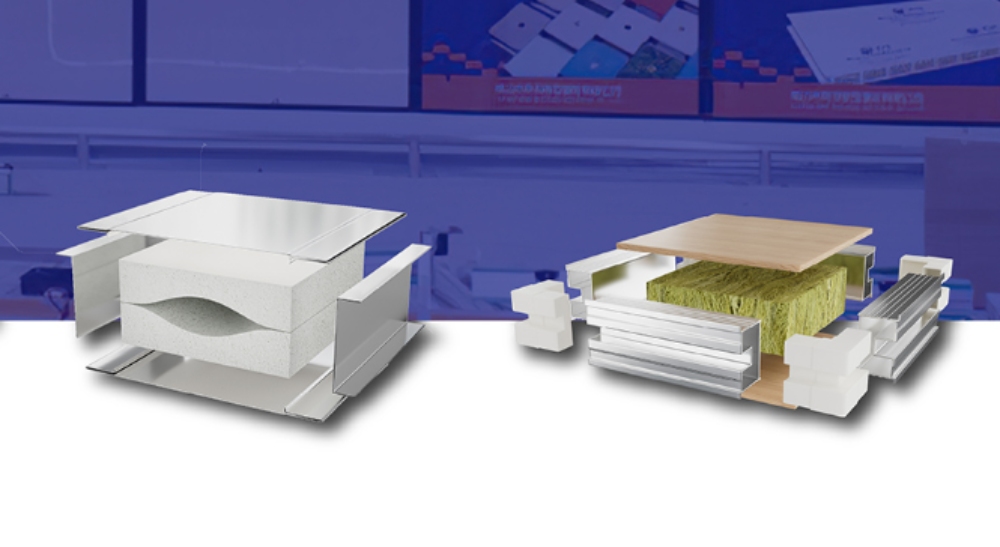
Why Does High-Pressure Cleaning Destroy Ordinary Sandwich Panels?
Regular washdowns bring a degree of body strain that most build items fail to manage. Basic panels depend on simple glues and slim covers. These cannot deal with the ongoing pattern of wetting and drying.
Risk of Water Infiltration
Water at force can slip into the tiniest links. Once it moves past the steel cover, it lingers. This held water forms a spot for germs to grow. Such growth goes against the main goal of a cleanroom. Therefore, it creates serious health risks.
Corrosion of Internal Core Materials
Many usual core items respond badly to water. Take older magnesium chloride boards, for example. The release of chloride ions can damage the steel plates from within when dampness exists. This inner breakdown weakens the full structure over time. As a result, panels lose their lasting power.
Surface Delamination Under Pressure
The link between the core and the outer layer must stay very firm. Without strong, green glues and right press methods, the metal cover can lift from the core. This happens after many hits from high-pressure streams. Such peeling harms the panel’s seal and strength. In turn, it invites more water entry.
Can Rock Wool Panels Withstand Frequent Wet Environments?
Rock wool sandwich panel types gain note for fire guard. However, their action in damp spots relies fully on build quality. If you pick plain wool, it soaks like a cloth.
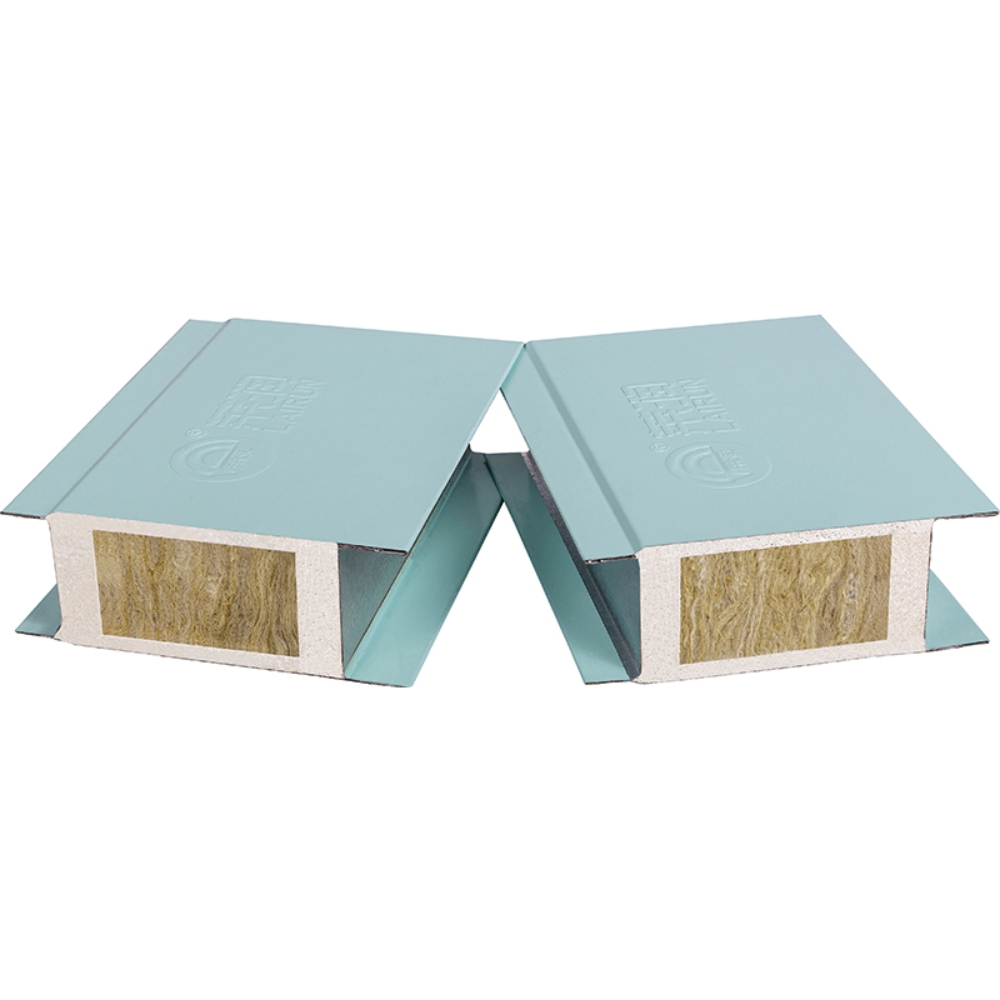
Superior Drainage Performance of Rock Wool
Fine panels place fibers straight across the metal cover. This dense, mixed setup aids weight hold. It also brings better firmness if the setting changes. These traits make the panel reliable in varied conditions. Thus, it suits many uses.
Water-Repellent Additives for Industrial Stability
To fit food plants or labs, the core gets special water-push treatments. These let the item drop water instead of holding it. As such, the panel stays light and firm even in damp areas. This boosts its fit for wet work.
Non-Combustible Safety Combined With Moisture Resistance
You gain Class A fire shield, so it avoids burning. At the same time, the item holds its form against damp. It serves as a good pick for food plants. There, fire rules and clean needs both matter. This balance aids safe runs.
Is the Hollow Core MGO Panel the Ultimate Solution for Waterproofing?
For a “damp” cleanroom, the Hollow core MGO sandwich panel often draws picks from skilled builders. With no plant filler in the center, water finds nothing to harm.
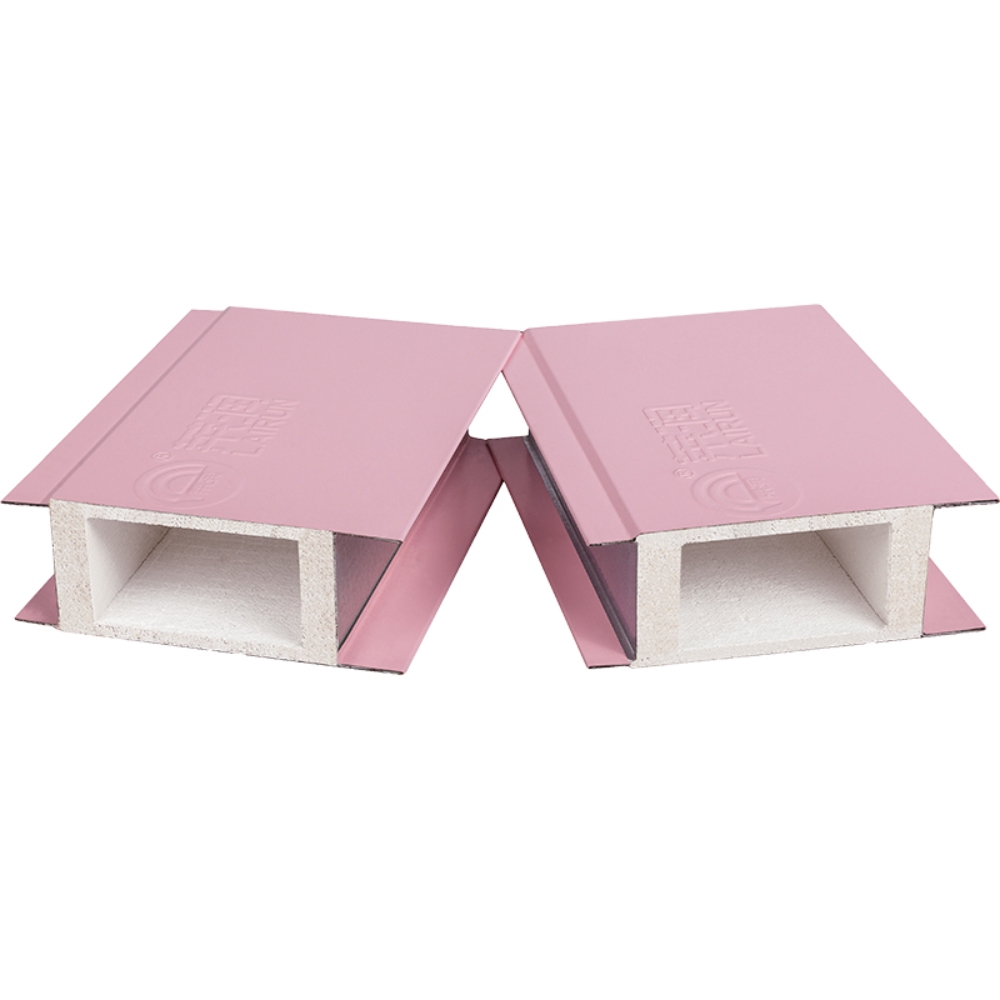
Unique Structural Advantage of Hollow Magnesium
The empty build forms a built-in block. These panels often rate as A1-level fire-safe. That makes them among the hardest mix panels for decor on the market now. Such strength helps in tough spots. It ensures long use.
Total Resistance to Mold and Bacteria Growth
The core lacks plant parts, so it offers no feed for mold. Even if some water enters during a hard clean round, the item will not break down. This keeps the space free of growth risks. Hence, it maintains clean standards.
Structural Integrity During Intensive Sterilization Cycles
These panels take hits well. In active sites where gear bumps walls, the MGO core’s high power and weight hold keep the room neat and whole. This firmness cuts repair needs. It supports steady work flows.
Why Should You Consider Silica Rock Panels for Chemical Resistance?
For spots with strong cleaners plus high-pressure water, a Silica rock sandwich panel gives a focused guard level. It acts as a thick, able item that stands up to chemicals.
High-Density Composition Against Harsh Cleaners
The silica core packs tight. This closeness blocks water or clean chemicals from entering the face. Such guard proves key for biotech cleanrooms with strict clean rounds. It keeps the build safe from harm.
Exceptional Thermal Insulation in Moist Conditions
Even in a wet room, silica rock holds its heat block traits. It stops heat shifts, which aids if your task reacts to small changes in degrees. This steady hold supports process needs. It aids smooth output.
Long-Term Durability in Biotech Clean Rooms
The item fights aging well. It stays firm over years, despite steady face to UV lights or clean agents in drug sites. This lasting build lowers upkeep costs. It ensures reliable long runs.
Which Surface Coating Best Complements Your Sandwich Panel Choice?
The core item covers just part of the fight. The outer “skin” of the panel serves as your main shield. If the coat gives way, the full panel follows soon.
Antimicrobial Powder Coating Technology
Special coats go on the steel to stop germ growth on the face. This makes the high-pressure wash more able, as less “biofilm” needs removal. Such tech cuts clean time. It raises overall health levels.
Stainless Steel Facing for Maximum Hygiene
For the hardest clean spots, 304 or 316 stainless steel sets the top mark. It avoids rust. Plus, it takes the most sour or base cleaners without fail. This choice fits top clean demands.
PE and PVDF Options for Acid Resistance
If stainless steel costs too much, color-coated plates with PVDF ends give fine rust fight. They hold shade and form even after years of chemical hits. This offers good value for budget plans. It keeps looks and strength.
How Do Lairun Sandwich Panels Solve Your Clean Room Challenges?
Teaming with a maker who runs the full flow, from base items to done boards, brings sure safety. You miss this with go-betweens.
Precision Manufacturing at Lairun Production Base
They apply auto lines to make each panel match in size. This close work means the tongue-and-groove joints link just right. In turn, they form the close seal to block water. Such fit aids easy setup and lasting guard.
Comprehensive Integration of Global Clean Room Standards
Each part passes several check systems. They hold ISO9001:2015 and ISO14001:2015 marks. So, you know the panels fit world levels for safety and quality. This backs trust in use.
Customized Solutions for Pharmaceutical and Food Sectors
If you want built-in pipes for wires to keep walls even, or set thick choices like 50mm, 75mm, or 100mm, the plant can adjust the buy to your task. This match fits exact needs. It cuts waste and boosts fit.
Dedicated Technical Support From Project Design to Delivery
You gain more than a load of boards. You get round-the-clock tech help and pro tips on items for your damp and heat wants. This guide eases picks and setup. It ensures top results.
FAQ
Q1: Can I use rock wool panels in a high-humidity room?
A: Yes, but you should choose a high-density version with water-repellent additives. For extreme humidity, an MGO or magnesium oxysulfide core is often a safer bet to avoid any chance of moisture absorption.
Q2: What is the benefit of the tongue-and-groove design?
A: It makes installation twice as fast as traditional methods and saves about 50% on labor costs. More importantly, it creates a seamless connection that prevents dust and water buildup.
Q3: Does the metal skin thickness matter for washdowns?
A: Absolutely. A thicker plate, like 0.476 mm or more, provides better resistance to the physical pressure of the water jet and helps prevent the panel from denting or warping over time.
Q4: Are handmade panels worth the extra cost?
A: For high-standard cleanrooms, yes. They offer tighter seams, better sealing, and higher load-bearing capacity because of the internal galvanized keel edging.
Q5: Do these panels come with a warranty or test reports?
A: Quality manufacturers provide full testing reports from authoritative institutions covering fire resistance, sound insulation, and structural strength. Always ask for these before purchasing.
