



Why Are Your Cleanroom Walls Sweating? 5 Fixes Using Advanced Sandwich Panels
Time : April 23, 2026 View : 1652
Keeping a germ-free setting demands far more than top-notch air purifiers. When moisture builds up on your walls, it typically points to a flaw in the heat shield. Such “sweating” brings about pollution dangers and building wear that might stop operations for several weeks. Partnering with a solid supplier like LAIRUN, an expert in sturdy cleanroom systems, brings a big change. The firm offers diverse sandwich panel options built for strict factory rules. If you seek a fast expert talk via their service department, or a thorough plan check drawing from their broad case studies, their know-how stops water-linked breakdowns before they begin.
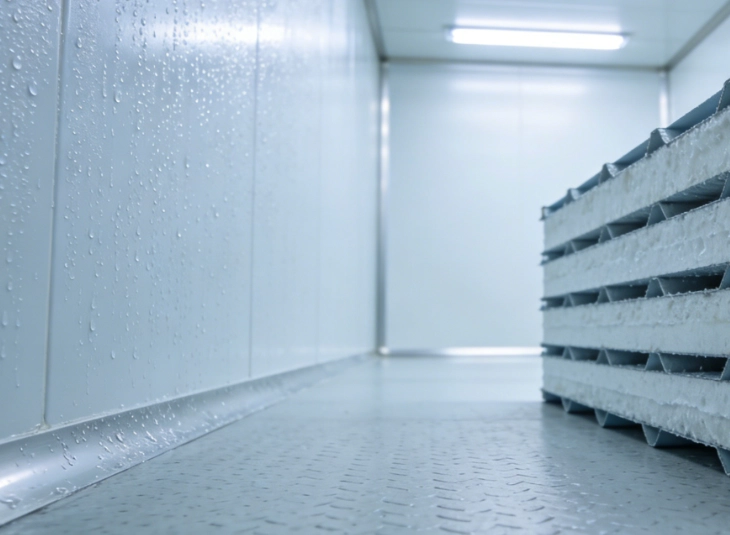
Why Is Humidity Control the Silent Killer of Cleanroom Efficiency?
Elevated dampness does not merely create a clammy feel in the space; instead, it directly harms the clean quality of your work area. In fields such as drug making or chip production, a minor change in water amount can spark unwanted reactions or encourage harmful germs to grow. Many plants face issues because they pay attention only to the heating and cooling setup, while overlooking the wall substances.
Risk of Microbial Contamination
Water acts as the main source for germs and molds. As droplets gather on wall faces, these tiny organisms spread quickly, which results in tainted batches and failed checks on safety. Such spread can disrupt the entire process flow.
Impact on Precision Equipment Stability
Delicate devices often suffer from excess water in the air. Rust on electronic boards or moving elements causes regular stoppages and high repair costs, all of which better weather control could prevent. This stability loss affects output reliability.
Deterioration of Structural Integrity
Ongoing contact with dampness softens the glues and steel parts in your building. In the long run, this causes bending or drooping in the roof and wall setups, so a complete overhaul becomes necessary. These changes weaken the overall framework.
Is Condensation on Your Walls a Sign of Panel Failure?
Noticing beads of water on your cleanroom walls generally indicates that the dew point level has hit the outer layer. This occurs when the filling in your panels lacks enough thickness or has weakened from time or low standards. It serves as a clear marker that your heat block no longer keeps the cool inside apart from the hotter outside air in an effective manner.
Poor Thermal Insulation Performance
Subpar inner materials cannot block heat flow properly. If the wall’s outer temperature falls under the room’s dew point, then vapor in the atmosphere shifts to liquid form, producing that bothersome wet layer. This shift leads to ongoing surface problems.
Ineffective Vapor Barrier Seals
When connections between panels fail to seal tightly, damp air seeps into the spaces. Consequently, this fosters unseen mold behind the surfaces, which proves far tougher to remove than visible dampness. Such hidden issues build up over time.
Inadequate Core Material Density
Budget panels frequently rely on light inner substances that compress or reduce in size gradually. These voids in the filling produce “cool areas” where water gathering happens reliably at each work shift’s end. This pattern repeats without intervention.
How Can Rock Wool Sandwich Panels Eliminate Moisture Risks?
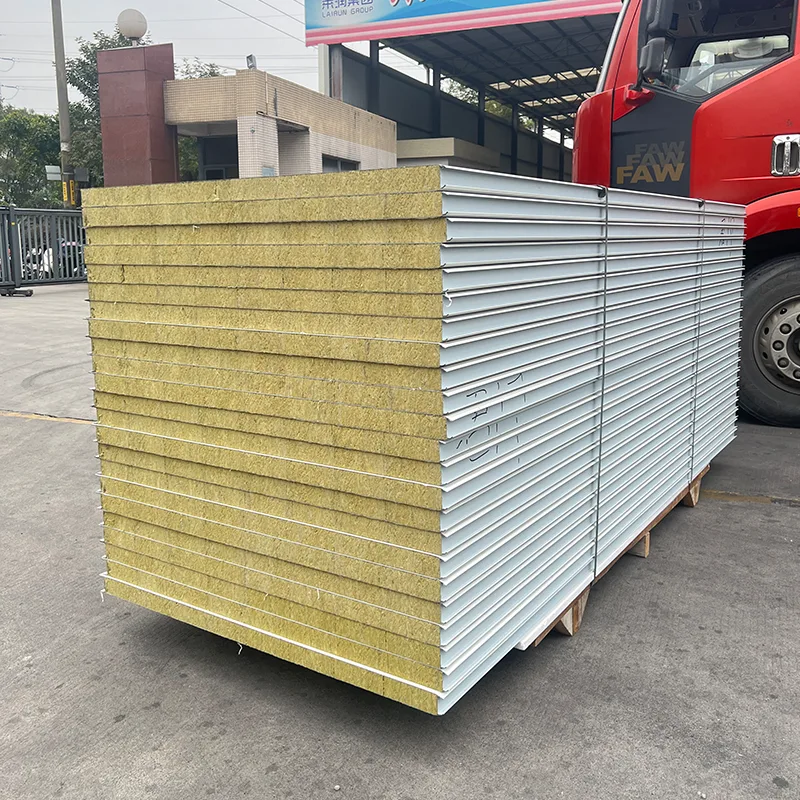
Opting for a Rock wool sandwich panel proves a wise step for sites requiring fire protection next to heat steadiness. These panels employ compact mineral threads that hold position without dropping, so the filling layer remains even over the full wall. It represents a classic substance that outperforms numerous modern man-made options in basic dependability.
Superior Thermal Resistance Characteristics
The tight thread setup forms a solid shield against heat shifts. Since it maintains a warm inner face, the panels avoid the spot cooling that causes water to collect. This evenness supports steady conditions.
Non-Combustible and Breathable Properties
Although these panels block liquid water, they permit some vapor balance. As a result, this avoids pressure rise inside that might harm weaker wall designs. Such balance aids long-term use.
Enhanced Acoustic Dampening Benefits
Cleanrooms generate noise from the blowers. The mineral wool filling soaks up echoes, which makes the area far more tolerable for staff working long shifts. This improvement eases daily tasks.
Why Choose Magnesium Oxysulfide Sandwich Panels for High Humidity?
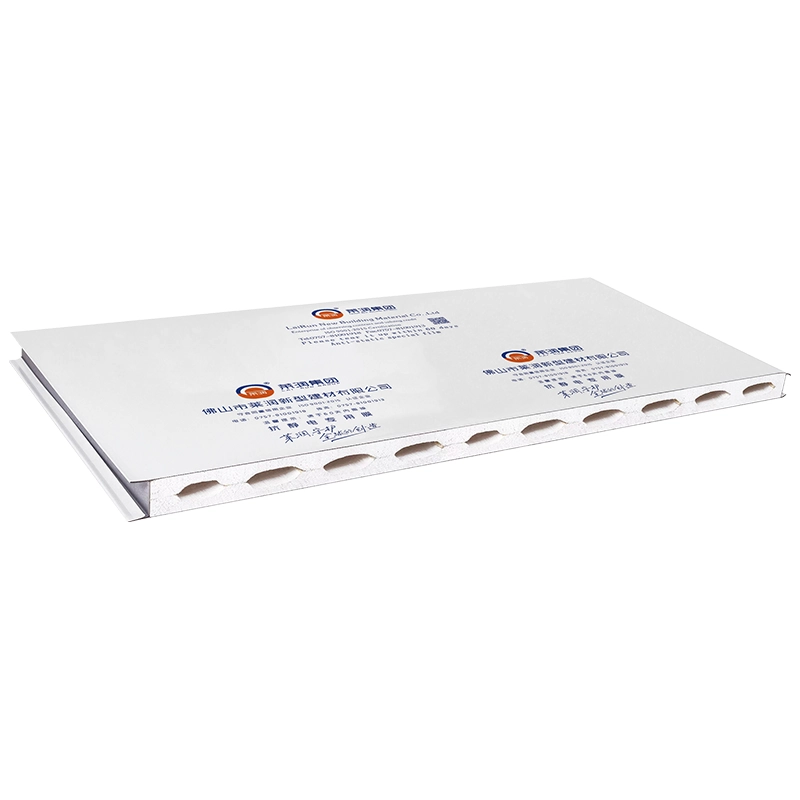
For sites handling severe dampness or regular rinsing, a Magnesium oxysulfide sandwich panel stands as the better pick. This substance repels water by nature, so it avoids drawing in moisture like absorbent fabric. In areas with steady high dampness, selecting a filling that remains dry within offers the sole path to meet rules.
Exceptional Water Resistance Features
In contrast to certain fillings that decay or lose power when damp, magnesium oxysulfide retains its firmness. Therefore, it suits food handling or testing rooms where strong cleaning forms the routine. This endurance fits demanding schedules.
High Mechanical Strength and Rigidity
These panels endure rough handling. They withstand bumps from wagons or tools, so the surface layer holds firm and the vapor block stays whole for extended periods. Such toughness cuts maintenance needs.
Total Resistance to Mold Growth
The non-organic makeup of the filling leaves no sustenance for mold. Even should dampness enter a minor space, it fails to develop into a living cluster. This quality prevents health risks.
What Are the Key Criteria for Selecting Cleanroom Materials?
Grabbing the lowest-priced panel often leads to higher costs later. You must examine the detailed features instead of merely the cost per area unit. A solid panel ought to manage the exact fluids and dampness of your process without shedding or corroding.
Surface Coating Chemical Resistance
The metal outer layer requires a strong paint layer, such as PVDF or tailored polyester. This guards the metal against the tough cleaners applied to maintain sterility. Such protection extends service life.
Core Material Hydrophobic Ratings
Be sure to review the water uptake of the filling substance. Quality panels keep under a 1% uptake level, which preserves the heat value even amid wet surroundings. This rating ensures performance.
Seamless Joint System Design
The joining method of panels matters greatly. Seek interlocking setups that yield a smooth edge, offering no spots for particles or dampness to linger in the openings. This design boosts cleanliness.
How Do Advanced Sandwich Panels Provide 5 Critical Fixes?
Current panel methods tackle the core reasons for sweating, rather than merely masking the signs. Through forming a nonstop heat shield, these substances alter how your site connects with the outer conditions. It involves easing the heating and cooling setup’s effort by lowering its workload.
Prevention of Thermal Bridging
Premium panels apply unique links that halt heat passage via the metal structure. Thus, this removes the chilled streaks on walls where water typically begins. Such prevention maintains even warmth.
Integration of Airtight Sealing Systems
Modern seals and fillers produce a space under true pressure. In this way, it blocks damp external air from entering and disrupting your set climate. This control safeguards precision.
Elimination of Surface Condensation
Since the panels hold a steady outer heat, they keep the wall over the dew point. Without reaching the dew point, sweating vanishes, and with no sweating, mold finds no foothold. This outcome cleans up operations.
Maintenance of Constant Internal Temperatures
As walls perform well, the inner air heat remains uniform. Consequently, this lessens the strain on your chilling devices, which frequently falter when walls lose heat. Uniformity aids efficiency.
Reduction of HVAC Energy Consumption
Improved filling means your units operate less intensely. You will see the impact on the power costs each month, particularly in the muggy warm seasons. This saving benefits budgets.
Why Is LAIRUN the Preferred Partner for Global Cleanroom Projects?
Picking the proper vendor holds equal weight to the substance choice. A firm with a solid history can identify layout issues in your designs prior to ordering components. For details on their background and output scale, the about us page offers a straightforward view of their industry position.
Decades of Specialized Manufacturing Expertise
Years of practice yield stronger oversight of quality. You receive panels that lie flat, align squarely, and match evenly, which speeds up the fitting work for your builders. This consistency streamlines projects.
Comprehensive Customization and Solution Design
No two cleanrooms match exactly. Gaining a group that adjusts panel depth or filling type to fit your dampness targets reduces troubles in the contact and planning phase. Such flexibility meets varied needs.
Certified Quality with Global Delivery Standards
The items align with worldwide fire and safety guidelines. This assurance calms concerns during reviews and guarantees the site endures for years, beyond mere short terms. Longevity supports investments.
FAQ
Q1: Why are my cleanroom walls sweating even when the AC is on?
A: The AC cools the air, but if your panels have poor insulation, the wall surface temperature might still drop below the dew point, causing condensation to form.
Q2: Is rock wool better than foam for humidity?
A: Rock wool offers better fire resistance and stability, but for extreme direct water exposure, magnesium oxysulfide is often preferred due to its superior hydrophobic properties.
Q3: Can I just wipe away the condensation and ignore it?
A: No, because moisture leads to mold growth and can damage the structural core of the panels, eventually leading to costly contamination issues.
Q4: How do I know if my panels have a thermal bridge?
A: If you see straight lines of moisture forming at the joints or where the walls meet the floor, heat is likely escaping through the metal connections.
Q5: Are these panels easy to install in an existing facility?
A: Yes, modular sandwich panels are designed for quick assembly, though proper sealing at the joints is required to maintain the airtight environment.
